Healthylife® Weigh
Part 1
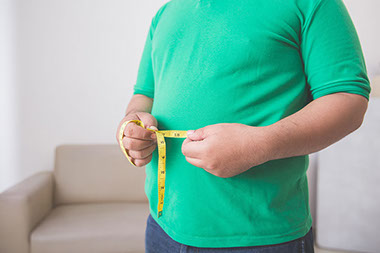
In general, taking in more calories than you use up causes weight gain. It’s like using a credit card to pay for things and not being able to pay the balance in full each month. When this happens, you have to pay extra money in interest. With excess calories, the “interest” is in the form of body fat. The more it collects, the harder it is to get it off. This guide will help you to tip the scales in your favor.
Eating large portions both at home and at restaurants and not being active enough are major reasons people gain weight and why they do not keep lost weight off. Demands of work and life, hormone imbalances, and illness can all make managing weight more difficult. Other factors that can affect a person’s ability to lose and/or gain weight include:
* Weight cycling or repeated weight loss. This may slow the body’s metabolic rate, making it easier to gain weight. A drastic reduction in calorie intake signals the body to think it is starving. The body’s natural defense against starvation is to conserve energy. It does so by slowing down and preserving fat. Weight gain in the form of fat makes it more difficult to lose in the future. Extra fat cells created by weight gain never go away. With weight loss, they get smaller, but they don’t disappear.
* Stress, anxiety, and depression. High levels of cortisol, a stress hormone, can trigger fat storage and may make it harder to pursue stress-relieving, healthy behaviors like exercise.
* Shortage of sleep. Not getting enough sleep may change the body’s metabolism, making it harder to lose weight. Also, less sleep leads to less energy to exercise and craving more sweets for a “pick-me-up.” It also means more time for snacking.
* Medications. Corticosteroids, blood pressure medicines, and antidepressants can contribute to weight gain. Hormone medications, such as insulin, birth control pills, and hormone therapy, can also cause weight gain.
* Genetics or inherited family traits. These may make it easier for some people to store excess energy as fat. Also, the ability to release stored energy from fat may be low or inhibited. People with this tendency have trouble getting stored energy from their fat cells, causing them to eat more.
© American Institute for Preventive Medicine