Respiratory conditions

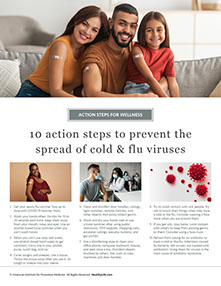
1. Get your yearly flu vaccine! Stay up to date with COVID-19 booster shots.
2. Wash your hands often. Do this for 15 to 20 seconds each time. Keep them away from your mouth, nose, and eyes. Use an alcohol-based hand sanitizer when you can’t wash hands.
3. When you can’t use soap and water, use alcohol-based hand wipes or gel sanitizers. Carry one in your pocket, purse, lunch bag, and car.
4. Cover coughs and sneezes. Use a tissue. Throw the tissue away after you use it. Or cough or sneeze into your sleeve.
5. Clean and disinfect door handles, railings, light switches, remote controls, and other objects that easily collect germs.
6. Wash and dry your hands well or use a hand sanitizer after using public restrooms, ATM keypads, shopping carts, escalator railings, elevator buttons, and gas pumps.
7. Use a disinfecting wipe to clean your office phone, computer keyboard, mouse, and desk once a day. Disinfect objects touched by others, too, such as copy machines and door handles.
8. Try to avoid contact with sick people. Try not to touch their things when they have a cold or the flu. Consider wearing a face mask when you are around them.
9. If you get sick, stay home. Limit contact with others to keep from passing germs to them. Consider using a face mask.
10. Refrain from asking for an antibiotic to treat a cold or the flu. Infections caused by bacteria, not viruses, are treated with antibiotics. Using them for viruses is the main cause of antibiotic resistance.
© American Institute for Preventive Medicine