SELF-CARE CORNER
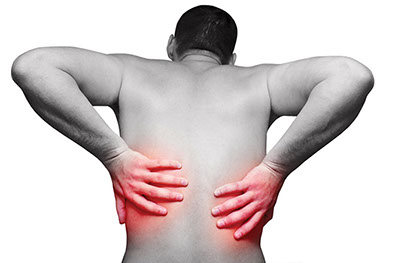
We’ve all experienced pain. But when pain doesn’t go away, it’s called chronic pain, and it can be tricky to treat, according to the NIH News in Health. Chronic pain can come from low-back problems, cancer, migraine, fibromyalgia, and other conditions. Long-term pain can affect your daily life and lead to depression.
Some pain medications target inflammation, too, but come with side effects. NIH scientists are looking for ways to control pain. The following techniques may bring some relief:
* Keep your weight in check. Extra weight can slow healing or make some pain worse especially in the back, knees, hips, and feet.
* Exercise. If pain keeps you inactive, ask your doctor whether exercise might help.
* Get enough sleep. It will improve healing and your mood.
* Avoid tobacco, caffeine, and alcohol.
* Get the right medical help. If your regular doctor hasn’t found a helpful approach for your pain, see a pain specialist.
* Join a pain support group. Talk with others about how they deal with pain.

© American Institute for Preventive Medicine