HEALTHY EATING
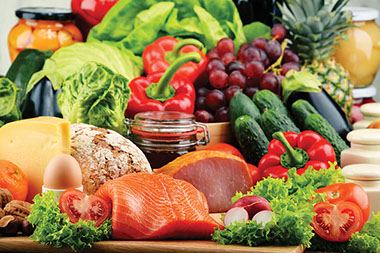
Eating healthy can be confusing. The Internet is full of healthy eating advice – and some of it is conflicting. For starters, ignore these food myths, which could be standing in the way of your healthy eating goals.
Myth #1: Health food is expensive and exotic.
While some exotic foods are good for you, you don’t have to eat them as part of a healthy diet. Instead, you can eat everyday foods that promote good health.
Focus on getting a variety of foods in your diet that are mostly whole foods and not processed. This includes fruits, vegetables, nuts, seeds, lean meats, fish, whole grains and dairy. A balanced diet that includes all food groups will contain the nutrients your body needs. No fancy foods or major expense is required.
Myth #2: Fat is bad for you.
Plenty of extremely healthy foods are high in fat – the healthy kind of fat.
Avocadoes, nuts, olive oil, eggs and fatty fish are a few foods that contain heart-healthy fats such as monounsaturated and omega-3 fats. These healthy fats can lower the risk of heart disease and stroke.
Don’t try to avoid all fats. Instead, look for healthy, whole foods that contain the unsaturated types listed above and eat small amounts of them.
But, do keep an eye on saturated fat. The American Heart Association says you should limit saturated fat to 13 grams per day on a 2,000-calorie diet. Try to limit red meat, sausage, and high-fat dairy foods. Finally, try to avoid trans fats completely. These are found in many processed foods. They are listed on the nutrition label and will say “partially hydrogenated” oil in the ingredients.
Myth #3: All sugar is bad.
It’s true that many people eat far too much sugar. But, many nutritious foods, such as fruit, contain some sugar with other important nutrients like vitamins and fiber.
If you’re trying to eat healthier, skip “added sugars.” These are sugars that are added to a product to make it sweeter. Thanks to food label changes, it’s easy to see how much added sugar is in packaged foods.
Eat fresh fruit for dessert and skip foods with added sugar, such as regular soda and sweets, and you’ll cut down on sugar intake without following any extreme diet.
Sources: American Heart Association, United States Department of Agriculture
© American Institute for Preventive Medicine