MEDICAL NEWS
A severe allergic reaction can be life threatening. It’s called anaphylaxis. The symptoms begin within minutes of eating a trigger food or after a bee sting or touching poison ivy. Some drugs can cause these serious reactions too. The Asthma and Allergy Foundation of America offers this safety advice:
* Know the symptoms: flushed skin, rash, tissue swelling, stuffy nose, sweating, panting, nausea, stomach cramps, rapid pulse, wheezing, convulsions, or fainting.
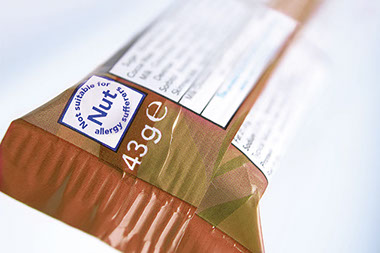
* Know what you’re allergic to: check food labels and ingredients. Ask at restaurants if you’re unsure if a menu item contains something you’re allergic to. Skin or blood tests done by a specialist can confirm that you’re sensitive to certain substances that can cause a severe reaction.
* Carry an auto-injectable epinephrine device that allows you to use a rescue medication until emergency help arrives.
* Wear a medical alert bracelet to let others know of your allergy.
* Anaphylaxis is a 9-1-1 medical emergency.

© American Institute for Preventive Medicine