MEDICAL NEWS
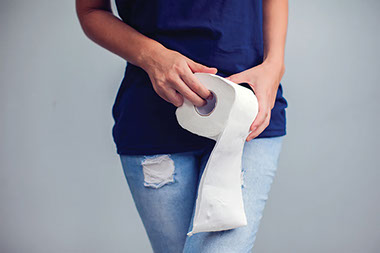
Most of us don’t think about bladder health unless there’s a problem like an infection or leakage. Millions of people live with overactive bladder (OAB). OAB is not a disease. It’s a name for a group of symptoms that affect urination.
What is OAB?
Normally, a person might feel like they need to urinate, so they hold it until they reach the toilet. But with OAB, you suddenly feel like you have to go right now – you can’t hold it. This can happen even if your bladder isn’t full. The bladder muscles may be overactive, which leads to the urgent feeling.
Some people with OAB may have to go to the bathroom too often during the day or at night. They may go more than once per night or more than 8 times during the day.
OAB doesn’t always cause leaking or accidents, but it can. This is called urge incontinence, and about half of people with OAB have this bladder condition.
Treatments for OAB
Many people don’t get treatment for OAB because they are embarrassed. But talking with a doctor means you can get treatment. Many people are able to control OAB with one or more of the following:
* Diet changes
* Kegel exercises, pelvic floor physical therapy
* Medications
* Bladder Botox
* Nerve stimulation procedures
Most people do not need surgery for OAB. But doctors may suggest it if other treatments didn’t work and your OAB is severe.
Just a ‘weak bladder’?
OAB becomes more common as we age. But this doesn’t mean it’s part of getting older and that we should ignore it. OAB can interfere with your social and professional life. You don’t have to live with it.
Speak up about bladder problems
If you notice bladder trouble, your doctor can help. Make an appointment to talk about your symptoms. It’s the first step to getting relief so you can get back to living your life.
Sources: National Association for Continence, Urology Care Foundation
© American Institute for Preventive Medicine