Nutrition
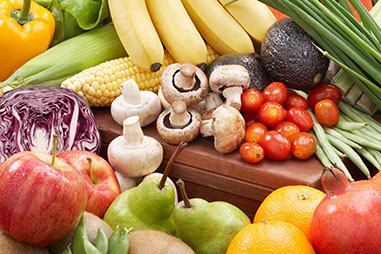
Pick, buy, and eat nature’s healthy foods.
Fruits and veggies contain essential vitamins, minerals, antioxidants, and fiber that may help protect you from chronic health problems, including stroke, certain cancers, and heart diseases. Health experts agree that half your daily intake of food should be fruits and veggies. Sadly, studies show that most people don’t eat enough colorful foods from nature.
Put some color into your meals and snacks.
Fruits and veggies are nature’s art, but their real beauty comes from what’s inside. The more colorful the foods on your plate, the more beneficial nutrients you will receive. For example:
* Lentils, artichokes, and chick peas are high in fiber.
* Spinach and asparagus have folate, a B vitamin.
* Sweet potatoes, pumpkin, and carrots are rich with Vitamin A.
* Strawberries, oranges and tomatoes are high in Vitamin C.
* Potatoes, bananas, prunes, dried peaches, and apricots are high in potassium.
Grab and go tips:
* Keep a bowl of fresh fruits on the counter.
* Keep cut and ready-to-eat veggies front and center in the fridge. Examples are avocados, bell peppers, broccoli, carrots, cauliflower, celery, cucumbers, and grape or cherry tomatoes.
* Buy fresh fruits in season.
* Stock fruits that are dried, frozen, and canned (in water or 100% fruit juice).
* Choose packaged fruits without added sugars.
* Include a tangerine, banana or grapes with lunch.
* Add cut-up fruit to tossed salads.
* Keep packages of dried fruit in your desk drawer – pineapple, bananas, cherries, figs, dates, cranberries, blueberries, raisins, etc.
* Stock the freezer with frozen juice bars (100% juice).
* Experiment with different textures, such as crunchy apples, creamy bananas, and juicy oranges.
Action Step
Under clean, running water, gently rub fruits to remove dirt, bacteria and chemicals. Produce with nooks and crannies – broccoli, cauliflower, and lettuce – should be soaked for 1 to 2 minutes in clean water.
© American Institute for Preventive Medicine