SleepWell® Program
Week 1
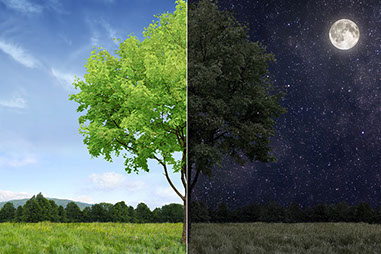
This is a natural process the body follows over a 24-hour cycle. Our 24-hour cycle is adapted to the 24-hour light-dark cycle of the earth. This creates our internal clock that many body systems follow. These include heart, kidney and immune system functions, and release of certain hormones. Due to this rhythm, we are more likely to feel sleepy and to fall asleep when it is dark outside.
Sleep Drive
The longer you stay awake, the more likely you are to fall asleep and stay asleep. This natural force is known as your sleep drive. Sleep drive helps keep your body functioning. It can overpower your desire to stay awake if you build up too much of a sleep debt. A healthy sleep drive follows a predictable cycle. When you go to bed, you should feel that you are responding to your body’s natural drive to sleep.
Sleep enhancement is not about actively trying to sleep.Sleep enhancement is about creating conditions that allow your body to fulfill a natural need. Lifestyle habits, schedules, and thought processes can throw off your body’s natural rhythm. Using this guide will help you “re-set” your sleep drive.
Shift Work
About 20% of the U.S. workforce is employed in some type of shift work or works non-traditional hours. Often, shift work does not follow the body’s natural circadian rhythm. Working during normal sleep-time can put shift workers at high risk for sleep deficiency. Without enough sleep, the risk for accidents and health problems increases. You can take special steps to promote healthy sleep if you work shifts other than usual daytime hours. Check out the tips for shift workers throughout this guide.
© American Institute for Preventive Medicine