Author: AIPM

  • Build A Strong Family Foundation

    FAMILY LIFE

    Family gardening together.

    Happy families have a strong foundation. This helps parents and children deal with changes and hard times. Every family faces challenges and stress. Here’s how to protect your family from whatever life throws at you.

    Show love through attention

    Connect with your kids or spouse each day. Take time to ask about their day or do an activity together. Have family meals when you can, play games or take walks together. Avoid being on screens too much, when no one is talking or noticing one another.

    Be open to learning

    Having a strong family takes knowledge and care. No one knows everything about families and relationships. Parents can take classes about child development. See a marriage counselor if your marriage is having trouble. You can also look into support groups. Ask your family’s doctor if you need help dealing with specific challenges.

    Care for yourself

    If you get burned out, you can’t help others in your family. Take quiet time to listen to music, take a bath or do whatever relaxes and calms you. Get regular exercise, such as walking, and include family members if you can. Talk to a trusted friend when you’re stressed or overwhelmed.

    Build your community

    Connect with others who understand and support you. Join a sports team, a group or a religious organization that supports family life. Community can make life fun and help you learn from others, too.

    Be open about problems

    If you’re stressed and need some time alone, tell your spouse or your kids. Explain that you need some time to calm down, rather than blowing up or feeling resentment toward them.

    Don’t overschedule

    Try to keep your activities and family calendar reasonable. When everyone is too busy, there’s not much time to connect.

    Sources: American Academy of Family Physicians, U.S. Department of Health and Human Services

    © American Institute for Preventive Medicine

  • Campfire Safety

    WELL-BEING

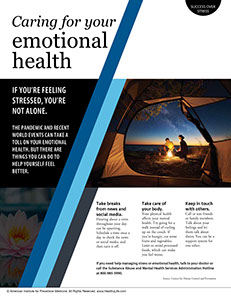
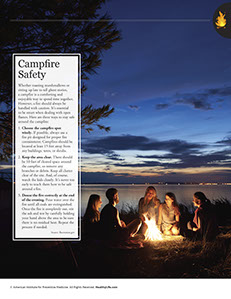
    Group of people sitting around a campfire and tent.

    Whether roasting marshmallows or sitting up late to tell ghost stories, a campfire is a comforting and enjoyable way to spend time together. However, a fire should always be handled with caution. It’s essential to be smart when dealing with open flames. Here are three ways to stay safe around the campfire:

    1.Choose the campfire spot wisely.If possible, always use a fire pit designed for proper fire containment. Campfires should be located at least 15 feet away from any buildings, tents, or shrubs.

    2.Keep the area clear.There should be 10 feet of cleared space around the campfire, so remove any branches or debris. Keep all clutter clear of the site. And, of course, watch the kids closely. It’s never too early to teach them how to be safe around a fire.

    3.Douse the fire correctly at the end of the evening.Pour water over the fire until all coals are extinguished. Once the fire is completely out, stir the ash and test by carefully holding your hand above the area to be sure there is no residual heat. Repeat the process if needed.

    Source: Recreation.gov

    © American Institute for Preventive Medicine
  • Can Food Prevent Cancer?

    HEALTHY EATING

    A variety of baskets filled with fruits and vegetables.

    Studies have shown that eating healthy foods, especially plants, can help prevent certain health problems. It can help you avoid type 2 diabetes, heart disease and stroke. Some research also shows that a healthy diet can help prevent cancer.

    There is no single food or diet that will always prevent cancer. Many times, cancer is caused by things we cannot control. But there is promising research that says a healthy diet can lower your risk of some cancers. Here is what researchers have found.

    Fruits and vegetables

    We already know fruits and vegetables are good for you. They are full of vitamins, fiber and other nutrients. Eating lots of fruits and vegetables may lower the chances of getting lung, colorectal, oral, esophagus, stomach and colon cancer. The Mediterranean Diet, which includes lots of fruits and vegetables, is one diet plan that seems to have anti-cancer ability.

    In addition to fruits and vegetables, people should get enough calcium and vitamin D. These nutrients may play a role in lowering the risk of getting colorectal cancer.

    Phytochemicals – a health booster

    Phytochemicals are special chemicals found in plants. Some studies suggest that they can lower your cancer risk. Phytochemicals may:

    *  Boost your immune system

    *  Help block cancer-causing substances called carcinogens

    *  Lower inflammation that can lead to cancer

    *  Help your DNA repair itself

    *  Slow down the growth of cancer cells

    *  Get rid of damaged cells in the body

    Phytochemicals are found in fruits, vegetables, legumes and whole grains. Foods that have bright colors or strong flavors tend to have the most phytochemicals.

    What not to eat

    Some foods may increase the risk of some cancers. Avoid or limit:

    *  Heavily processed meats like ham, bacon, sausage and salami

    *  Alcohol, which may increase the risk of mouth, throat, esophagus, breast, colorectal and liver cancer

    *  Foods that cause indigestion and heartburn. Long-term heartburn can increase the risk of esophagael cancers

    Most experts agree that nutritional supplements have not been shown to fight cancer. Stick to eating healthy foods for more cancer-fighting power.

    Your doctor is your partner in helping to prevent cancer and other health problems. Be sure to discuss your cancer risk and the best diet for you.

    Sources: American Academy of Family Physicians, American Institute for Cancer Research, National Institute of Diabetes and Digestive and Kidney Diseases

    © American Institute for Preventive Medicine

  • Can You Lower Triglycerides Naturally?

    SELF-CARE CORNER

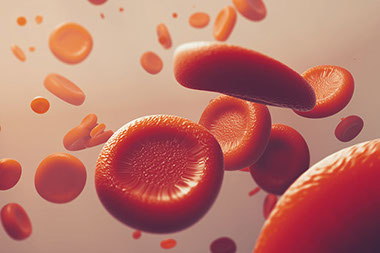
    Illustration of blood cells.

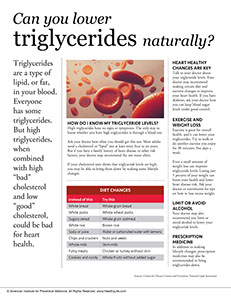
    Triglycerides are a type of lipid, or fat, in your blood. Everyone has some triglycerides. But high triglycerides, when combined with high “bad” cholesterol and low “good” cholesterol, could be bad for heart health.

    How do I know my triglyceride levels?

    High triglycerides have no signs or symptoms. The only way to know whether you have high triglycerides is through a blood test.

    Ask your doctor how often you should get this test. Most adults need a cholesterol or “lipid” test at least every four to six years. But if you have a family history of heart disease or other risk factors, your doctor may recommend the test more often.

    If your cholesterol tests shows that triglyceride levels are high, you may be able to bring them down by making some lifestyle changes.

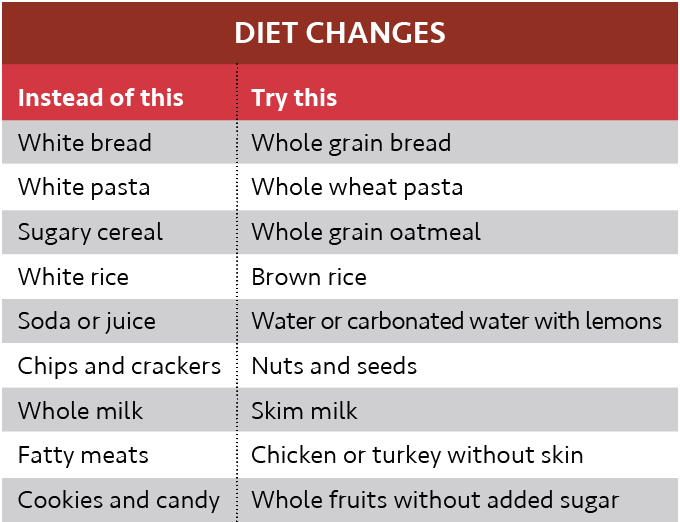
    Chart of Diet Changes - Try this instead of this.

    Heart healthy changes are key

    Talk to your doctor about your triglyceride levels. Your doctor may recommend making certain diet and exercise changes to improve your heart health. If you have diabetes, ask your doctor how you can keep blood sugar levels under good control.

    Exercise and weight loss

    Exercise is great for overall health, and it can lower your triglycerides. Try to walk or do another exercise you enjoy for 30 minutes, five days a week.

    Even a small amount of weight loss can improve triglyceride levels. Losing just 5 percent of your weight can boost your health and lower heart disease risk. Ask your doctor or nutritionist for tips on how to lose excess weight.

    Limit or Avoid Alcohol

    Your doctor may also recommend you limit or avoid alcohol to lower your triglyceride levels.

    Prescription Medicine

    In addition to making lifestyle changes, prescription medicines may also be recommended to bring triglycerides down.

    Sources: Centers for Disease Control and Prevention, National Lipid Association

    © American Institute for Preventive Medicine
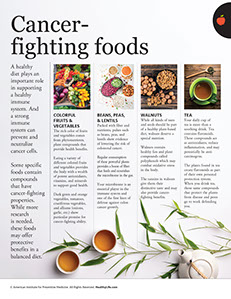
  • Cancer-Fighting Foods

    HEALTHY EATING

    Top view cup of tea and tea pot.

    A healthy diet plays an important role in supporting a healthy immune system. And a strong immune system can prevent and neutralize cancer cells.

    Some specific foods contain compounds that have cancer-fighting properties. While more research is needed, these foods may offer protective benefits in a balanced diet.

    Colorful fruits & vegetables

    The rich color of fruits and vegetables comes from phytonutrients, plant compounds that provide health benefits.

    Eating a variety of different colored fruits and vegetables provides the body with a wealth of potent antioxidants, vitamins, and minerals to support good health.

    Dark green and orange vegetables, tomatoes, cruciferous vegetables, and alliums (onions, garlic, etc.) show particular promise for cancer-fighting ability.

    Beans, peas, & lentils

    Packed with fiber and nutrients, pulses such as beans, peas, and lentils show evidence of lowering the risk of colorectal cancer.

    Regular consumption of these powerful plants provides a boost of fiber that feeds and nourishes the microbiome in the gut.

    Your microbiome is an essential player in the immune system and one of the first lines of defense against colon cancer growth.

    Walnuts

    While all kinds of nuts and seeds should be part of a healthy plant-based diet, walnuts deserve a special mention.

    Walnuts contain healthy fats and plant compounds called polyphenols which may combat oxidative stress in the body.

    The tannins in walnuts give them their distinctive taste and may also provide cancer-fighting benefits.

    Tea

    Your daily cup of tea is more than a soothing drink. Tea contains flavonoids. These compounds act as antioxidants, reduce inflammation, and may potentially be anti-carcinogens.

    The plants found in tea create flavonoids as part of their own personal protection system. When you drink tea, those same compounds that protect the plants from disease and pests go to work defending you.

    © American Institute for Preventive Medicine
  • Cataracts Can Be Treated

    MEDICAL NEWS

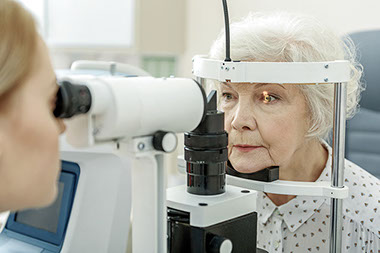
    Elderly women getting her eyes checked by a doctor.

    The eye has a clear lens inside that allows you to focus on things. But, as we get older, the lens may not be clear anymore. Proteins inside the lens stick together, causing a cloudy spot. This is a cataract.

    Cataracts are common. More than half of people age 80 and over have cataracts or had cataract surgery.

    What causes cataracts?

    Cataracts cannot always be prevented. Many people get them simply from getting older. This is because proteins in the eye’s lens start to break down with time.

    But there are some things you can do to reduce your risk of getting cataracts:

    *  Get regular eye exams.

    *  Don’t smoke – or quit if you do smoke.

    *  Limit or avoid alcohol.

    *  Protect your eyes with proper sunglasses and hats that shield the sun.

    *  Eat a healthy diet and get exercise. This can help prevent diabetes and high blood pressure, which may cause cataracts.

    Do I have cataracts?

    Many people don’t realize they have cataracts. This is because changes in vision happen very slowly over time.

    People who have cataracts may notice:

    *  Colors look faded or yellowed; things look blurry or cloudy

    *  Seeing a “halo” around lights

    *  It’s harder to read without a very bright light

    *  Trouble with night vision

    *  Double vision in one eye

    What can I do about cataracts?

    While cataracts may take away your clear vision, there is good news. Many cataracts can be corrected with surgery.

    The operation usually takes less than an hour. The doctor will replace the cloudy lens with a clear artificial lens. Usually, no stitches are needed. You may also have the surgery without general anesthesia, or being put to sleep. The doctor will numb the eye area so you won’t feel anything.

    People usually have only minor pain afterward. You may need to use eye drops after surgery to help the eye heal, or wear a protective eye shield when you sleep. Your doctor can let you know when it is safe for you to drive and do other activities.

    In most cases, the eye is totally healed within a few weeks and vision is much better.

    Sources: American Academy of Ophthalmology, National Eye Institute

    © American Institute for Preventive Medicine
  • Choosing Low-Mercury Fish

    HEALTHY EATING

    Fish in frying pan.

    Fish are a healthy choice of protein. They are low-calorie and contain fats that can boost heart health.

    However, fish also contain mercury. Some fish contain high amounts, but others contain very low amounts. Fish absorb mercury from the environment. But they also get it from manufacturing, coal burning and other things.

    The type of mercury found in fish is called methylmercury. Too much methylmercury can damage a person’s brain and nervous system. This is even more dangerous for a developing fetus and for young children.

    Is fish safe to eat?

    Fish is safe and healthy to eat if you choose the right kind of fish and the right amounts. A serving size of fish is four ounces. This is about the size of the palm of your hand. Adults should eat at least two “palm-size” portions each week.

    Children should eat less than this amount. Ask your child’s pediatrician about the recommended amount for their age.

    Pregnant and breastfeeding women should avoid high-mercury fish. They can eat up to 3 palm-sized servings of low-mercury fish each week.

    Low-mercury fish types

    There are many types of fish that are low in mercury. They include the following:

    *  Anchovies

    *  Cod

    *  Flounder

    *  Haddock

    *  Herring

    *  Oyster

    *  Perch, freshwater and ocean

    *  Pickerel

    *  Pollock

    *  Salmon

    *  Sardines

    *  Scallops

    *  Shrimp

    *  Sole

    *  Tilapia

    *  Tuna, canned light (limit albacore to 1 serving/week)

    *  Whitefish

    High mercury fish to avoid

    The following types of fish are high in mercury. People should not eat these types of fish.

    *  King mackerel

    *  Marlin

    *  Orange roughy

    *  Shark

    *  Swordfish

    *  Tilefish (Gulf of Mexico)

    *  Tuna, bigeye

    Local fishing

    If you like to eat fish caught from local waters, check fish advisories first. Then, eat only one palm-size serving and don’t eat other fish that week.

    Fish advisories can be found on the Environmental Protection Agency (EPA) website. Go tofishadvisoryonline.epa.gov.

    Sources: U.S. Environmental Protection Agency, U.S. Food and Drug Administration

    © American Institute for Preventive Medicine
  • Clean Cut: Cutting Board Safety

    HEALTHY EATING

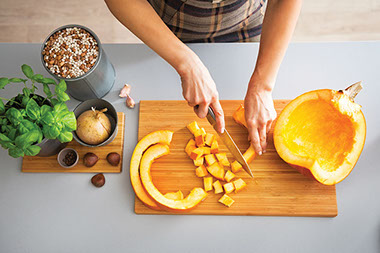
    Bird-eyes view, cutting vegetable on a cutting board.

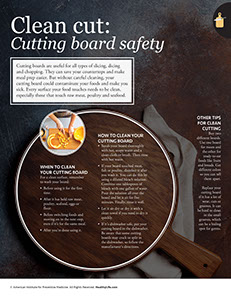
    Cutting boards are useful for all types of slicing, dicing and chopping. They can save your countertops and make meal prep easier. But without careful cleaning, your cutting board could contaminate your foods and make you sick. Every surface your food touches needs to be clean, especially those that touch raw meat, poultry and seafood.

    When to clean your cutting board

    For a clean surface, remember to wash your board:

    *  Before using it for the first time.

    *  After it has held raw meat, poultry, seafood, eggs or flour.

    *  Before switching foods and moving on to the next step, even if it’s for the same meal.

    *  After you’re done using it.

    How to clean your cutting board

    *  Scrub your board thoroughly with hot, soapy water and a clean cloth or brush. Then rinse with hot water.

    *  If your board touched meat, fish or poultry, disinfect it after you wash it. You can do this by using a diluted bleach solution. Combine one tablespoon of bleach with one gallon of water. Pour the solution all over the board and let it sit for five minutes. Finally, rinse it well.

    *  Let it air dry or dry it with a clean towel if you need to dry it quickly.

    *  If it’s dishwasher safe, put your cutting board in the dishwasher. Be aware that some cutting boards may crack or split in the dishwasher, so follow the manufacturer’s directions.

    Other tips for clean cutting

    Buy two different boards. Use one board for meats and the other for ready-to-eat foods like fruits and breads. Get different colors so you can tell them apart.

    Replace your cutting board if it has a lot of wear, cuts or grooves. It can be hard to clean in the small grooves, which can be a hiding spot for germs.

    © American Institute for Preventive Medicine
  • Compression Socks: A Fitness Friend?

    BE FIT

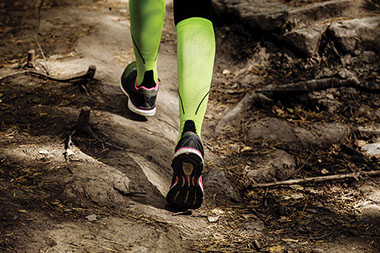
    Close up of running legs wearing compression socks.

    Some athletes use compression socks during their exercise or sports activities. They look like tights, knee-high socks or sleeves that go over the calves.

    Compression socks are not new. They have been used for years to help with leg pain, swelling, blood clots and varicose veins. They work by gently squeezing the legs to help move blood upward.

    But do they help with exercise performance?

    Lack of evidence for exercise performance

    While compression socks aren’t usually harmful, they’re not proven to be helpful for exercise. Studies have not found that compression socks help a person’s athletic ability.

    Still, there may be some benefit to using them if your doctor says it’s okay. Some evidence suggests that compression socks may help slightly with exercise recovery. A review of several small studies found that for some people, compression socks could help with muscle soreness. But, because these results haven’t been proven in large studies, it’s too early to say whether they will work for most people.

    Some people enjoy the feeling of pressure on the legs. They may feel that it helps them exercise longer. If that’s the case, compression socks can be a good way to help you stay active.

    Using compression socks

    If you’re interested in compression socks, ask your doctor about them. They can help with:

    *  Legs that feel achy or heavy

    *  Swelling in the feet or legs from standing or sitting for long hours

    *  Pain from varicose veins

    *  Preventing blood clots, especially after surgery or for people who can’t move around easily. This could be after an injury or for people who have an illness that requires them to be in bed for long periods.

    Some compression socks are tighter than others. Your doctor can give you a prescription for them, or you may purchase them online. Ask your doctor how long you should wear them, and what to do if you find the socks uncomfortable.

    Sources: British Journal of Sports Medicine, Journal of Sports Science and Medicine, U.S. National Library of Medicine

    © American Institute for Preventive Medicine