Author: AIPM

  • Is Lasik Right For You?

    SELF-CARE CORNER

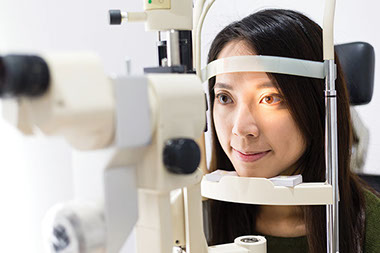
    Female getting her eyes examied.

    If you wear glasses or contacts, it’s possible you may be a candidate for LASIK eye surgery. LASIK stands for laser-assisted in situ keratomileusis, which simply means laser vision correction.

    The procedure uses a laser to correct the shape of your cornea and improve your vision. This type of surgery is used to treat:

    *  Myopia (nearsightedness)

    *  Hyperopia (farsightedness)

    *  Astigmatism (an imperfection in the shape of the cornea)

    Undergoing LASIK eye surgery may reduce or eliminate your need for glasses or contacts. But, it’s not right for everyone.

    How to qualify

    To find out if you are a candidate for LASIK, you first need to talk to your eye doctor. They will do a comprehensive eye exam and make sure you meet certain criteria such as:

    *  Stable vision for at least a year

    *  Eye prescription within the range LASIK can correct

    *  Thick healthy corneas

    *  18 years of age or older

    Some conditions may disqualify you from the procedure. These include:

    *  Severe dry eye

    *  Eye infections

    *  Cataracts

    *  Glaucoma

    *  Poorly controlled diabetes

    *  Pregnancy or breastfeeding

    The procedure

    During the procedure, you will be awake, resting comfortably on a table, and able to see for the majority of the time. It is painless and over in just a few minutes.

    1.  Drops will be put in your eyes to numb them.

    2.  An eyelid holder will be put in place to keep your eyes open.

    3.  A suction ring will be placed on your eye to hold it still. You will feel some pressure, and your vision will briefly fade.

    4.  The ophthalmologist will use a laser to cut a flap in your cornea.

    5.  A laser will precisely reshape your cornea, and the flap will be smoothed back into place.

    After LASIK surgery

    You will need to wear special glasses at first for eye protection and use several types of eye drops for the first few days to weeks until your eyes are healed.

    Side effects from the procedure are often temporary and may include:

    *  Dry eyes

    *  Light sensitivity

    *  Blurry vision

    *  Halos around lights, especially at night

    *  Glare

    Source: American Academy of Ophthalmology
    © American Institute for Preventive Medicine

  • Is Your Relationship Healthy?

    FAMILY LIFE

    Happy older couple.

    Sometimes it’s hard to know if you’re in a healthy relationship. This can include a romantic partner, friend or family member.

    Know the good

    Some signs of a healthy relationship include:

    *  You feel good about yourself when you’re around that person.

    *  You feel safe telling them how you feel about things.

    *  They listen to you, and you listen to them.

    *  You feel valued by them.

    *  You trust them, and don’t think they would do something to betray you.

    *  You can disagree or argue, but you don’t insult each other. Neither person uses personal attacks.

    Unsafe signs

    Ask yourself whether you see any of these signs of an unhealthy or abusive relationship:

    *  They say hurtful things to you. They make you feel bad about yourself.

    *  They stop showing love or care when they are mad.

    *  They blame you for feeling bad about something they did or said. They may say you’re “too sensitive,” or, “you made me do it.”

    *  They hurt you physically, such as pushing or hitting.

    *  They keep you from seeing family or friends.

    *  They threaten you or try to control you. They want you to fear them.

    If you’re not sure if you’re in an abusive relationship at home, reach out for help.

    Call the National Domestic Violence Hotline at 1-800-799-7233 or go tothehotline.org.

    © American Institute for Preventive Medicine

  • Kid-Friendly, Healthy Snacks

    HEALTHY EATING

    Kids hands cutting out star shaped watermelon.

    A simple way to encourage your kids to eat healthy is to have healthy foods on hand and easily available to them.

    *  Put fruits and vegetables within reach on the counter or in the refrigerator.

    *  Save cookies and sweets as occasional treats, not everyday snacks.

    *  Avoid buying chips, crackers and other high-calorie, high-sugar packed foods. Or buy less of them and keep them in a less convenient location. Out of sight, out of mind.

    *  Purchase easy but healthy “packaged” snacks like no sugar added fruit cups, raisin packs, cheese sticks, Greek yogurt and popcorn (choose “light” popcorn without too much added butter or salt).

    Popcorn treats

    Ingredients

    2 tablespoons soft margarine or butter (melted)

    5 cups popped popcorn

    3/4 cup raisins

    1 cup shredded wheat cereal (bite-size)

    1 tablespoon sugar  (brown or white)

    1 1/4 teaspoons cinnamon

    Directions

    1.  Pop popcorn. You can use microwave or stovetop, but choose one without added butter, sugar or salt.

    2.  Mix popped corn, raisins, and cereal in a large bowl.

    3.  Mix sugar and cinnamon in small dish.

    4.  Drizzle melted margarine or butter over mixture.

    5.  Add sugar and cinnamon mixture.

    6.  Shake or stir until all ingredients are evenly distributed.

    Nutrition per serving: Servings 4. Calories 265; Total Fat 10 g; Saturated Fat 2 g; Sodium 118 mg; Total Carbohydrate 46 g; Dietary Fiber 5 g; Protein 4 g

    Source: USDA ChooseMyPlate

    © American Institute for Preventive Medicine

  • Kids, Puberty & Sports

    BE FIT

    Adult and teen playing basketball.

    Sports can be a great way for kids to develop social skills, teamwork and resilience. But it’s important to know that athletic ability changes as kids grow.

    Growth affects performance

    During puberty, boys and girls have a growth spurt that can change their athletic ability. After going through puberty:

    *  Boys may notice more muscle strength and overall bigger body size.

    *  Girls often lose some muscle mass. They may temporarily lose some of their speed or agility.

    *  Kids could feel “clumsy” as they adjust to being taller. The brain hasn’t yet adjusted to this new height and may affect balance skills or body control.

    *  It may be harder to throw or hit a ball with longer arms.

    *  Girls may have headaches, mood swings or cramps during menstruation.

    Puberty & knee injuries

    As kids get taller and heavier, they have a higher risk of anterior cruciate ligament (ACL) injury. The ACL is an important ligament that supports the knee.

    ACL injuries can be serious. They may require surgery and can increase the risk of knee arthritis later in life.

    Most ACL injuries happen when a person suddenly stops, changes direction, jumps or lands on the ground. They don’t usually happen from a blow to the knee. Sometimes an ACL injury causes a “popping” sound as it occurs.

    ACL injuries may cause swelling, severe pain, and inability to put weight on the knee. If your child injures their knee, see a doctor right away.

    Positive support is key

    Coaches who know about the effects of puberty can help kids. In addition, parents can help their kids by being positive and supportive. Yelling at kids or being put down may cause them to quit their sport. Remember that changes caused by puberty are only temporary.

    Source: American Academy of Pediatrics

    © American Institute for Preventive Medicine
  • Know The Different Heart Disease Types

    MEDICAL NEWS

    Heart on a blue background.

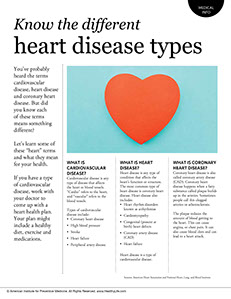
    You’ve probably heard the terms cardiovascular disease, heart disease and coronary heart disease. But did you know each of these terms means something different?

    Let’s learn some of these “heart” terms and what they mean for your health. If you have a type of cardiovascular disease, work with your doctor to come up with a heart health plan. Your plan might include a healthy diet, exercise and medications.

    What is cardiovascular disease?

    Cardiovascular disease is any type of disease that affects the heart or blood vessels. “Cardio” refers to the heart, and “vascular” refers to the blood vessels.

    Types of cardiovascular disease include:

    *  Coronary heart disease

    *  High blood pressure

    *  Stroke

    *  Heart failure

    *  Peripheral artery disease

    What is heart disease?

    Heart disease is any type of condition that affects the heart’s function or structure. The most common type of heart disease is coronary heart disease. Heart disease also includes:

    *  Heart rhythm disorders known as arrhythmias

    *  Cardiomyopathy

    *  Congenital (present at birth) heart defects

    *  Coronary artery disease (CAD)

    *  Heart failure

    Heart disease is a type of cardiovascular disease.

    What is coronary heart disease?

    Coronary heart disease is also called coronary artery disease (CAD). Coronary heart disease happens when a fatty substance called plaque builds up in the arteries. Sometimes people call this clogged arteries or atherosclerosis.

    The plaque reduces the amount of blood getting to the heart. This can cause angina, or chest pain. It can also cause blood clots and can lead to a heart attack.

    Sources: American Heart Association and National Heart, Lung, and Blood Institute

    © American Institute for Preventive Medicine

  • Know Your Rights With Rebates

    FINANCIAL HEALTH

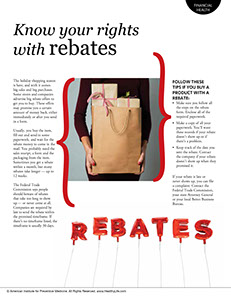
    Person holding a bag of gifts.

    The holiday shopping season is here, and with it comes big sales and big purchases. Some stores and companies advertise big rebate offers to get you to buy. These offers may promise you a certain amount of money back, either immediately or after you send in a form.

    Usually, you buy the item, fill out and send in some paperwork, and wait for the rebate money to come in the mail. You probably need the sales receipt, a form and the packaging from the item. Sometimes you get a rebate within a month, but many rebates take longer – up to 12 weeks.

    The Federal Trade Commission says people should beware of rebates that take too long to show up – or never come at all. Companies are required by law to send the rebate within the promised timeframe. If there’s no timeframe listed, the timeframe is usually 30 days.

    Follow these tips if you buy a product with a rebate:

    *  Make sure you follow all the steps on the rebate form. Enclose all of the required paperwork.

    *  Make a copy of all your paperwork. You’ll want these records if your rebate doesn’t show up or if there’s a problem.

    *  Keep track of the date you sent the rebate. Contact the company if your rebate doesn’t show up when they promised it.

    If your rebate is late or never shows up, you can file a complaint. Contact the Federal Trade Commission, your state Attorney General or your local Better Business Bureau.

    © American Institute for Preventive Medicine
  • The Latest On Mammograms

    MEDICAL NEWS

    Female doctor smiling.

    Our understanding of cancer has expanded rapidly in recent decades. As a result, cancer treatment continues to improve. However, prevention and early detection are important steps to fight cancer.

    Identifying breast cancer before it has the chance to spread is one of the best ways to improve breast cancer survival. In general, the earlier cancer is diagnosed, the better the prognosis. Mammograms are a critical tool for early detection.

    How a mammogram works

    A mammogram is an x-ray specially designed to look at breast tissue. The amount of radiation exposure from a mammogram is low, and the benefits usually outweigh any risk.

    While the images from a mammogram cannot tell you if you have cancer, they can show if there is abnormal tissue in the breast. The presence of abnormal tissue could indicate the need for further testing.

    When used as a routine screening tool, a mammogram may detect breast cancer before it presents any symptoms and while it is too small to feel.

    When to get a mammogram

    A woman’s risk of breast cancer increases over their lifespan. Past a certain age, a mammogram should be a regular part of routine healthcare.

    If and when you should get a mammogram is a decision to be made in consultation with your doctor. The general guidelines for women are:

    *  Women who are 50-74 years of age and at average risk of breast cancer should have a mammogram every two years.

    *  Women between the ages of 40-49 may benefit from early screening if recommended by their doctor.

    *  Women at high risk of breast cancer should talk to their doctor about how often to get a mammogram.

    Recent Advances in Mammography

    The FDA recently approved a computer-assisted and detection (CAD) program to aid doctors in identifying and diagnosing breast cancer using data from mammographies. The advances in CAD have the potential to improve the early detection of breast cancer. This could mean a big step forward in the fight against breast cancer.

    © American Institute for Preventive Medicine

  • Lift Weights The Safe Way

    BE FIT

    Grandfather and grandson exercising by lifting weights.

    Lifting weights is great exercise. But if you don’t do it properly, you can get hurt. Here’s how you can get started, get stronger and avoid injuries.

    Learn good technique

    Have an instructor show you how to lift. You can use books, videos or virtual instruction if you can’t see a trainer in person.

    Keep your back straight when lifting, and wear shoes with good grip to avoid slipping. Stop the exercise if it hurts and wait a few days before trying it again.

    Set doable goals

    Don’t work the same muscles more than three times per week. Let muscles rest for 24 hours before working them again. Don’t try to do too much, too quickly. You’ll likely feel soreness for a day or two after lifting, and that’s normal.

    Warm up and cool down

    Warm up your muscles with active stretching, light jogging/walking or leg squats before you lift. When you’re done lifting, cool down and  stretch again.

    Stretching should not hurt. Hold the stretch steady – don’t bounce.

    When to see your doctor

    If you have ongoing pain or you think you hurt yourself while lifting, talk to your doctor.

    Source: American Academy of Family Physicians

    © American Institute for Preventive Medicine