Author: AIPM

  • Listen To Your Ears

    SELF-CARE CORNER

    Workers with safety gear protecting head, eyes and ears.

    It’s easy to take hearing for granted. But without proper care of your ears, you could end up with hearing loss or ear problems.

    Worried about wax

    Your body makes ear wax to protect your ears. Wax keeps dust and other particles from getting inside.

    Only clean the outside of your ears with a tissue, washcloth or cotton swab. Never stick anything, including a cotton swab, in your ear. This will push wax farther down into the ear and can create a harmful blockage.

    If you feel that there’s a lot of wax in the ear, you can safely try to soften it with a drop of mineral oil or glycerin. Your doctor can also remove ear wax blockages without damaging your ear.

    Saying no to noise

    One of the most common reasons people lose their hearing is exposure to loud noises. This can happen very quickly after a loud sound like an explosion. Or, it can happen over time if a person is exposed to loud sounds for months or years.

    You can help prevent noise-induced hearing loss with one simple tool: ear plugs. Wear them when going to a loud concert, watching fireworks or attending loud events. Wear them when mowing the lawn or using loud power equipment at home.

    If you have a job where you are exposed to noise, make sure you are using the right hearing protection. You may need something more powerful than ear plugs for certain jobs. Talk about this with your employer.

    Use headphones with care

    The World Health Organization says people should limit how much they use headphones. Don’t use them more than one hour a day. Keep the volume as low as possible, but no louder than 60 percent.

    Noise-cancelling headphones help you keep the volume low because they block out sounds around you. But, you should not use these when driving, cycling or walking because you won’t be able to hear possible dangers nearby.

    Talk to your doctor about your hearing health. Together, you can decide when you may need a hearing test.

    Sources: American Academy of Family Physicians, National Institute on Deafness and Other Communication Disorders

    © American Institute for Preventive Medicine

  • Lower Your Breast Cancer Risk

    MEDICAL NEWS

    Couple jogging on side walk.

    A risk factor is something that changes your chances of getting a disease. Knowing which risk factors you have can be helpful.

    You may be able to make changes that lower your risk of breast cancer. Also, you can have screenings done to catch it early, when it is easier to treat and cure. Talk with your doctor about getting regular mammograms to detect breast cancer.

    These are risk factors that a person may be able to change.

    Alcohol

    Drinking alcohol raises your risk of breast cancer. The more alcohol a person drinks, the higher the risk.

    The American Cancer Society (ACS) recommends that women have no more than one drink a day. If you don’t drink, don’t start. The lowest risk is in women who don’t drink alcohol at all.

    Manage weight

    Having more body fat after menopause can make estrogen levels higher. Higher estrogen raises the risk of breast cancer. Being overweight can also raise insulin levels. Higher insulin levels are linked to breast cancer.

    The ACS recommends people work to stay at a healthy weight or lose weight if they are overweight. Weight loss can be difficult, so ask your doctor if you need help.

    Using hormone therapy

    Some women use hormone therapy after menopause. Hormone therapy may also be called HRT, HT or menopause therapy. This can help with menopause symptoms like hot flashes and night sweats.

    Hormone therapy increases the risk of breast cancer. But, the risk may go back down after about five years of stopping treatment. Hormone therapy can also increase the risk of heart disease, stroke and blood clots.

    If you need hormone therapy for menopause symptoms, talk to your doctor about it. Usually it’s best to use it at the lowest dose for the shortest amount of time.

    Smoking

    Smoking increases the risk of cancer, including breast cancer. Ask your doctor if you need help quitting.

    Not being active

    Getting regular exercise can lower your breast cancer risk. While exercising five days a week is best, try to exercise whenever you can. Even a small amount of exercise is better than none.

    Sources: American Cancer Society, Centers for Disease Control and Prevention

    © American Institute for Preventive Medicine
  • Make A Cold Care Kit

    SELF-CARE CORNER

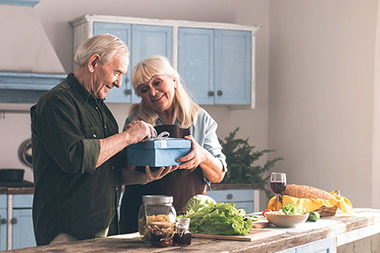
    Women siting at table with a box and medicine.

    Like a first aid kit, a cold care kit contains all the essentials for managing a cold. Whether a run-of-the-mill cold virus, the flu, or COVID-19, the items in your kit make managing symptoms easier.

    Medicine

    Depending on the severity of your symptoms, some medications can bring much-needed relief. Always follow the dosing guidelines and talk to your doctor to make sure these over-the-counter medications are right for you:

    *  Pain relievers/fever-reducers such as Tylenol and Ibuprofen

    *  Decongestants

    *  Cough medicine, both those for dry cough (suppressant) and a cough with mucus (expectorant)

    *  Cough and throat drops

    *  Nasal and throat sprays

    Sanitizing

    Preventing the spread of a virus protects everyone around you. While most cold and flu viruses are not dangerous to healthy adults, the elderly, those with preexisting health conditions, and young children may be at higher risk of complications. At the first sign of a virus, up your sanitizing practices with these items:

    *  Hand sanitizer

    *  Sanitizing wipes

    *  Disinfectant spray

    *  Masks

    *  Disposable gloves

    Tools

    Your body will naturally need more support as your immune system works to neutralize the virus. Your kit should include items to aid in reducing discomfort and monitoring your symptoms. While unlikely to be serious, have tools on hand to evaluate how your body manages the virus:

    *  Thermometer

    *  Pulse oximeter

    *  Humidifier to moisten the air

    *  Tissues with lotion or aloe

    *  Electrolyte drinks

    Comfort

    Your cold care kit should include some items to make you feel more comfortable until your symptoms pass. Everyone has their own tricks to soothe pesky symptoms. Make sure your kit contains those items you naturally wish for whenever a cold strikes. Here are some ideas:

    *  Bath salts

    *  Heating pad

    *  Essential oils

    *  Soup or broth

    *  Tea bags (include decaffeinated options)

    © American Institute for Preventive Medicine
  • Make A Healthy, Filling Snack With Hummus

    HEALTHY EATING

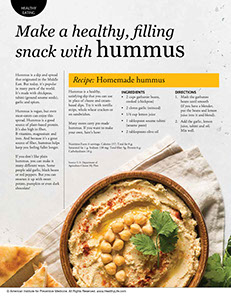
    A bowl of hummus.

    Hummus is a dip and spread that originated in the Middle East. But today, it’s popular in many parts of the world. It’s made with chickpeas, tahini (ground sesame seeds), garlic and spices.

    Hummus is vegan, but even meat-eaters can enjoy this spread. Hummus is a good source of plant-based protein. It’s also high in fiber,  B vitamins, magnesium and iron. And because it’s a great source of fiber, hummus helps keep you feeling fuller longer.

    If you don’t like plain hummus, you can make it many different ways. Some people add garlic, black beans or red peppers. But you can sweeten it up with sweet potato, pumpkin or even dark chocolate!

    Hummus is a healthy, satisfying dip that you can use in place of cheese and cream-based dips. Try it with tortilla strips, whole wheat crackers or on sandwiches.

    Many stores carry pre-made hummus. If you want to make your own, here’s how:

    Ingredients

    *  2 cups garbanzo beans, cooked (chickpeas)

    *  2 cloves garlic (minced)

    *  1/4 cup lemon juice

    *  1 tablespoon sesame tahini (sesame paste)

    *  2 tablespoons olive oil

    Directions

    1. Mash the garbanzo beans until smooth (if you have a blender, put the beans and lemon juice into it and blend).

    2. Add the garlic, lemon juice, tahini and oil. Mix well.

    Nutrition Facts: 6 servings. Calories 157; Total fat 8 g; Saturated fat 1 g; Sodium 138 mg; Total fiber 5g; Protein 6 g; Carbohydrates 18 g.

    Source: U.S. Department of Agriculture Choose My Plate

    © American Institute for Preventive Medicine
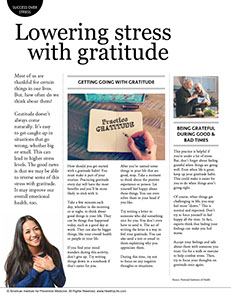
  • Make Your Picnic Fun & Safe

    HEALTHY EATING

    Family have a picnic.

    Many people enjoy outdoor eating throughout the spring and summer. But don’t let unsafe food rain on your picnic. Food poisoning can happen when food is not kept at the right temperature during barbecues and outings. Dangerous bacteria can grow on the food and make people sick.

    Luckily, there are some simple precautions you can take to be sure your picnic food stays safe to eat.

    Clean hands

    If you’re using a picnic site without running water and soap, bring your own. A large jug of water, some soap and paper towels will work.

    If you don’t have a jug of water, use antibacterial hand wipes. Encourage everyone to clean their hands before eating, after using the bathroom and before serving food.

    Hot and cold

    One of the keys to eating safe food is to keep hot foods hot and cold foods cold. Don’t let food become just warm or room temperature.

    The “danger zone” for bacteria to grow is between 40 and 140 degrees. If food stays at this temperature for two hours, bacteria can grow rapidly. If it’s hot outside (90 degrees or above), food can become unsafe after just one hour in the danger zone.

    To keep food cold, use ice packs or fresh, clean ice. Check it often to be sure the ice is still cold. Try to avoid opening the cooler too often.

    To keep hot foods hot, use insulated containers and microwaveable heat packs. Keep children away from hot containers or heat packs.

    Dishes and utensils

    If you’re using a grill, you may need to place raw meat, poultry or seafood on the grill. But be careful about what that raw food touches.

    Don’t reuse a plate or utensils that touched raw meat, poultry or seafood. Germs from the raw food can contaminate the cooked food and cause illness. Wash all the dishes and utensils in hot, soapy water before using them again.

    Wash produce before you go

    Before you pack your picnic basket, wash any fresh fruits or vegetables. This will ensure they are clean when you are ready to eat.

    Source: Food and Drug Administration

    © American Institute for Preventive Medicine
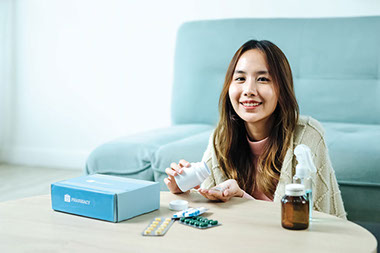
  • Make Your Summer Workout Easier

    BE FIT

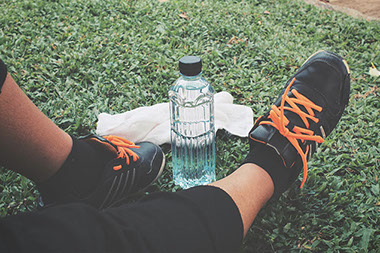
    Feet wearing tennis shoes and a bottle of water on grass.

    You can still enjoy a productive workout during the warmer months. Try these tips:

    1.Start early with water.Don’t wait to start drinking water right before you exercise. Drink water throughout the day to keep your body hydrated. Then, drink additional water during and after your workout.

    2.Go indoors when heat and humidity are too high.Don’t try to brave extreme weather with an outdoors workout. Heat exhaustion and heat stroke are dangerous and can happen to anyone. On heat advisory days, take your workout indoors.

    3.Wear the right clothes.Choose light-colored clothing that is made for sweating and workouts. Many new, lighter fabrics will keep sweat and moisture away, which makes you feel cooler. Cotton clothing is best suited for low-humidity weather conditions.

    4.Shun the midday sun.In the summer, limit or avoid heavy workouts from 10 a.m. to 4 p.m. The sun and temperatures will be hottest during these times. Instead, go out early in the morning or in the evening.

    Source: Academy of Nutrition and Dietetics

    © American Institute for Preventive Medicine
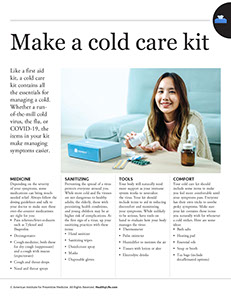
  • Medical Loans: The Good, Bad, And The Alternatives

    FINANCIAL HEALTH

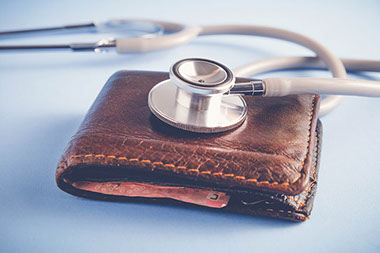
    Wallet with stethoscope.

    A medical loan is a specific type of personal loan that can only be used to cover healthcare expenses. For people facing significant out-of-pocket medical expenses, this type of loan can seem ideal. However, there are a few things you should know.

    The Good

    *  No collateral is required to secure the loan.

    *  Can be easy to qualify for if you have good credit.

    *  Enables you to undergo elective procedures quickly.

    The Bad

    *  Hard to get if you have poor credit.

    *  High interest rates can mean a very high monthly payment.

    *  May involve expensive initiation fees upfront.

    The Alternatives

    *  Talk to your doctor’s office or hospital about a payment plan.

    *  Find help through a medical charity or hospital program.

    *  Talk to your doctor about cost-effective treatment options.

    © American Institute for Preventive Medicine
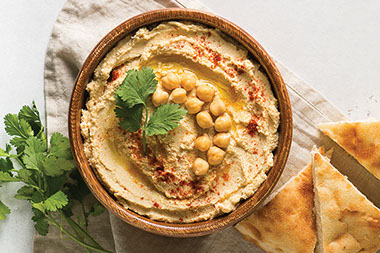
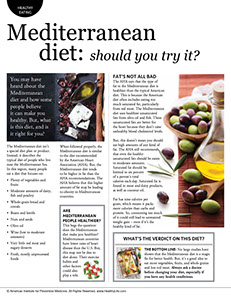
  • Mediterranean Diet: Should You Try It?

    HEALTHY EATING

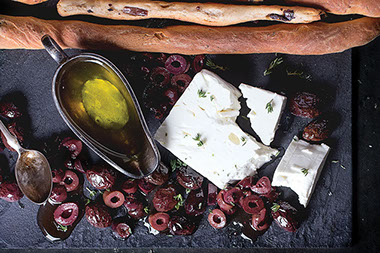
    Olive oil, black oils, bread and cheese.

    You may have heard about the Mediterranean diet and how some people believe it can make you healthy. But, what is this diet, and is it right for you?

    The Mediterranean diet isn’t a special diet plan or product. Instead, it describes the typical diet of people who live near the Mediterranean Sea. In this region, many people eat a diet that focuses on:

    *  Plenty of vegetables and fruits

    *  Moderate amounts of dairy, fish and poultry

    *  Whole-grain bread and cereals

    *  Beans and lentils

    *  Nuts and seeds

    *  Olive oil

    *  Wine (low to moderate amounts)

    *  Very little red meat and sugary desserts

    *  Fresh, mostly unprocessed foods

    When followed properly, the Mediterranean diet is similar to the diet recommended by the American Heart Association (AHA). But, the Mediterranean diet tends to be higher in fat than the AHA recommendations. The AHA believes that this higher amount of fat may be leading to obesity in Mediterranean countries.

    Fat’s not all bad

    The AHA says that the type of fat in the Mediterranean diet is healthier than the typical American diet. This is because the American diet often includes eating too much saturated fat, particularly from red meat. The Mediterranean diet uses healthier unsaturated fats from olive oil and fish. These unsaturated fats are better for the heart because they don’t raise unhealthy blood cholesterol levels.

    But, this doesn’t mean you should eat high amounts of any kind of fat. The AHA still recommends that even the healthy unsaturated fats should be eaten in moderate amounts. Saturated fat should be limited to six percent of a person’s total calories each day. Saturated fat is found in meat and dairy products, as well as coconut oil.

    Fat has nine calories per gram, which means it packs more calories than carbs and protein. So, consuming too much of it could still lead to unwanted weight gain – even if it’s the healthy kind of fat.

    Are Mediterranean people healthier?

    This begs the question: does the Mediterranean diet make you healthier? Mediterranean countries have lower rates of heart disease than the U.S. But, this may not be due to diet alone. Their exercise habits and other factors could also play a role.

    What’s the verdict on this diet?

    The bottom line: No large studies have shown that the Mediterranean diet is a magic fix for better health. But, it’s a good idea to eat more vegetables, fruits, and whole grains and less red meat. Always ask a doctor before changing your diet, especially if you have any health conditions.

    © American Institute for Preventive Medicine
  • Mood-Boosting Foods

    HEALTHY EATING

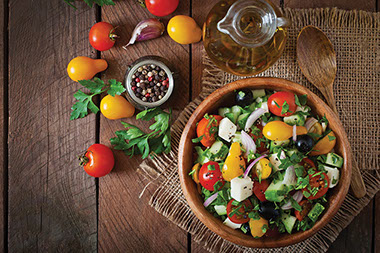
    Fresh salad bowl.

    A healthy diet can have an effect on your brain. It can actually make you feel happy.

    Eat plenty of foods with omega-3 fats. These heart-healthy fats are found in fish, flaxseeds and walnuts, and may help reduce the risk of developing depression.

    Focus on the Mediterranean Diet. This diet includes lots of plant-based foods like fruits and vegetables, as well as olive oil, whole grains, fish, poultry, eggs and beans.

    Source: American Heart Association

    © American Institute for Preventive Medicine