Author: AIPM

  • Mood & Food: The Close Link

    HEALTHY EATING

    A bite out of a green apple and in a chocolate bar.

    You may already know that your diet can change how you feel mentally. If you’ve ever been really hungry, you may notice that you start to feel upset or angry. And, some high-calorie junk foods are called “comfort foods” for a reason. They make you feel better mentally, but only for a little while.

    The link between the mind and what a person eats is complex. That’s why it can be so hard to make good choices when you have a bad day or feel depressed. But there are ways to fight this habit and start to make better choices, even when your mood is down or you feel stressed.

    Why we want comfort food

    Stress can make you want to eat unhealthy foods. This is your body’s way of trying to get fuel when it thinks you are in trouble. Although this is normal, you have the power to overcome it.

    Take a moment to think about a food you are craving. Then think about your current emotions. If you’re feeling sad, angry or stressed, this could be why you want that pizza or ice cream.

    If you eat the food, you may feel good for a few minutes. But unhealthy foods with lots of fat and sugar can actually increase the risk of depression or anxiety. This creates an unhealthy cycle that will continue as you eat those comfort foods.

    The cycle of mood & food

    If you use food to cope with stress or depression for too long, your body will get used to it. Then, when you do try to make a healthy choice, your body and mind may be confused. This could lead to an even stronger craving for those comfort foods. This cycle makes it very hard to make changes to your diet.

    You can win!

    You’re not stuck in this cycle. Eating fruits and vegetables can make you feel happy. When you’re happy, you’re more likely to reach for healthy foods again. This can start a positive cycle!

    Source: American Heart Association

    © American Institute for Preventive Medicine
  • Myths About Underactive Thyroid

    MEDICAL NEWS

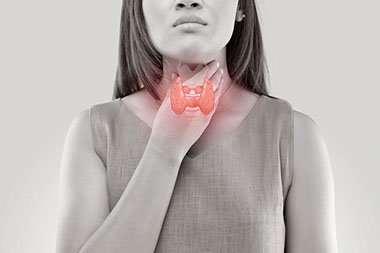
    Image of women holding her neck with an illustration of the thyroid gland on top.

    One of the most common thyroid problems is hypothyroidism, or underactive thyroid.

    Hypothyroidism means the thyroid gland isn’t making enough thyroid hormones. This can cause a number of symptoms, including:

    *  Fatigue

    *  Trouble with learning or remembering

    *  Dry hair, nails or skin

    *  Constipation

    *  Sore muscles

    *  Weight gain or bloating

    *  Heavy or irregular menstrual periods

    Although hypothyroidism is a common problem, there are many myths about it. Read on to learn about some common myths – and what you should know and hypothyroidism.

    Myth:You can’t lose weight if you have a thyroid problem.

    Fact:Many people can get to a healthy weight with hypothyroidism after getting on the proper dose of thyroid medication. They may need to work with a nutritionist or other health provider and get plenty of exercise. But losing weight is doable.

    Myth:You can’t get pregnant if you have hypothyroidism.

    Fact:Many women can get pregnant with an underactive thyroid. They should work with their doctor to make sure they are on thyroid medication that is safe and effective. It’s important to take thyroid medication consistently and carefully throughout pregnancy.

    Myth:Only older women have hypothyroidism.

    Fact:Thyroid problems can affect anyone, of any age. But women older than 60 years are at an increased risk for hypothyroidism.

    Myth:People with underactive thyroid need to take iodine.

    Fact:People with hypothyroidism should be on a medication that their doctor prescribes. Taking iodine supplements is usually not needed.

    Myth:High doses of thyroid medicine are better.

    Fact:Having too much thyroid hormone can lead to health problems like rapid heart rate, irregular heartbeat, bone loss and can even become life threatening. Work with your doctor to be sure your thyroid blood levels are within a healthy range.

    Myth:I can manage underactive thyroid with a healthy diet.

    Fact:A healthy diet is great for everyone, including people with underactive thyroid. However, even the best food choices cannot replace missing thyroid hormones. A person needs to take their thyroid medication as their doctor prescribes to replace these hormones.

    Source: American Association of Clinical Endocrinologists

    © American Institute for Preventive Medicine

  • Natural Remedies For Menopause Symptoms

    SELF-CARE CORNER

    Women sitting with eyes closed and relaxed.

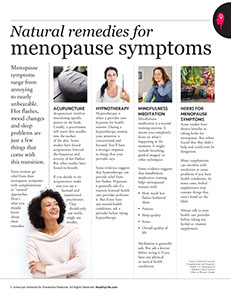
    Menopause symptoms range from annoying to nearly unbearable. Hot flashes, mood changes and sleep problems are just a few things that come with this transition.

    Some women get relief from their menopause symptoms with complementary or “natural” approaches. Here’s what you should know about these remedies.

    Acupuncture

    Acupuncture involves stimulating specific points on the body. Usually, a practitioner will insert thin needles into the surface of the skin. Some studies have found acupuncture lowered the frequency and severity of hot flashes. But other studies have found no benefit.

    If you decide to try acupuncture, make sure you use a licensed and experienced practitioner. They should only use sterile, single-use needles.

    Hypnotherapy

    Hypnotherapy is when a provider uses hypnosis for health reasons. During a hypnotherapy session, your attention is concentrated and focused. You’ll have a stronger response to things that your provider says.

    Some evidence suggests that hypnotherapy can provide relief from hot flashes. Hypnosis is generally safe if a trained, licensed health care provider performs it. But if you have any mental health conditions, ask a provider before trying hypnotherapy.

    Mindfulness meditation

    Mindfulness meditation is a mental training exercise. It means you completely focus on what’s happening in the moment. It might include breathing, guided imagery or other techniques.

    Some evidence suggests that mindfulness meditation training helps menopausal women with:

    *  How much hot flashes bothered them

    *  Anxiety

    *  Sleep quality

    *  Stress

    *  Overall quality of life

    Meditation is generally safe. But ask a doctor before trying it if you have any physical or mental health conditions.

    Herbs for menopause symptoms

    Some studies have shown benefits to taking herbs for menopause. But others found that they didn’t help and could even be dangerous.

    Many supplements can interfere with medicines or cause problems if you have health conditions. In some cases, herbal supplements may contain things that aren’t listed on the label.

    Always talk to your health care provider before taking any herbal or vitamin supplement.

    Sources: National Center for Complementary and Integrative Health, U.S. Department of Health & Human Services Office on Women’s Health

    © American Institute for Preventive Medicine
  • Nuts & Allergies

    HEALTHY EATING

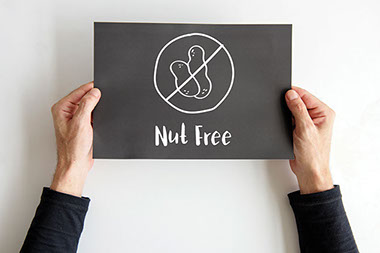
    Image of hands holding sign that says "Nut Free".

    Food allergies affect millions of people. With a food allergy, the immune system reacts to the food like it’s an invader. It may cause swelling, trouble breathing, hives and itching.

    Nut allergy dangers

    Nut allergies can be life-threatening.

    A person who is allergic to nuts could have a reaction from being near someone eating nuts. Even a tiny crumb of nuts left on a table could be life-threatening. This is why many schools do not allow nuts in classrooms or lunchrooms.

    If you or your family member has a nut allergy, you can still enjoy some nut alternatives. They can be just as delicious – and nutritious – as nuts.

    Nut alternatives

    Nuts contain plant-based protein, healthy fats and some vitamins and minerals. If you can’t eat nuts, don’t worry. There are other foods with these benefits!

    *Legumes:Soybeans, peas, lentils and chickpeas are legumes. They can be roasted as a snack or in salads. Some people are allergic to some types of legumes, however. Be sure to ask about legume allergies before using them for passing dishes or at school.

    *Seeds:There are so many kinds to choose from, like sunflower, pumpkin, chia, flax and hemp. They go well with salads, in smoothies or as a snack.

    *Avocadoes:Although not a significant source of protein, avocadoes are rich in healthy fats, B vitamins, potassium and magnesium. Avocadoes can go on many foods, from toast to salads to  stir-frys.

    Nut-Free butter Options

    Many nut-free butters make a great sandwich or spread for fruit. They taste a lot like peanut butter but without the peanuts.

    Today’s nut-free butters may contain soybeans, sunflower seeds, chickpeas or peas. These can all be healthy alternatives to nuts. Most contain some healthy fats and protein. Check the label for added salt or sugar.

    The Bottom Line

    Nuts are a healthy choice – and there are allergy-free options available. If you have an allergy to nuts, read all food labels. Look at allergen information and ingredients to stay safe.

    © American Institute for Preventive Medicine

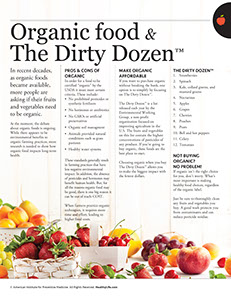
  • Organic Food & The Dirty Dozen™

    HEALTHY EATING

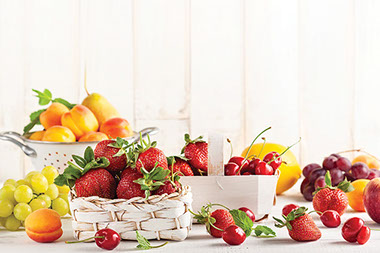
    Varity of fruits.

    In recent decades, as organic foods became available, more people are asking if their fruits and vegetables need to be organic.

    At the moment, the debate about organic foods is ongoing. While there appears to be environmental benefits to organic farming practices, more research is needed to show how organic food impacts long-term health.

    Pros & cons of organic

    In order for a food to be certified “organic” by the USDA it must meet certain criteria. These include:

    *  No prohibited pesticides or synthetic fertilizers

    *  No hormones or antibiotics

    *  No GMOs or artificial preservatives

    *  Organic soil managment

    *  Animals provided natural conditions such as grass pastures

    *  Healthy water systems

    These standards generally result in farming practices that have less negative environmental impact. In addition, the absence of pesticides and hormones may benefit human health. But, for all the reasons organic food may be good, there is one big reason it can be out of reach: COST.

    When farmers practice organic techniques, it requires more time and effort, leading to higher food costs.

    Make organic affordable

    If you want to purchase organic without breaking the bank, one option is to simplify by focusing on The Dirty Dozen™.

    The Dirty Dozen™ is a list released each year by the Environmental Working Group, a non-profit organization focused on improving agriculture in the U.S. The fruits and vegetables on this list contain the highest concentrations of pesticides of any produce. If you’re going to buy organic, these foods are the best place to start.

    Choosing organic when you buy The Dirty Dozen™ allows you to make the biggest impact with the fewest dollars.

    The Dirty Dozen™

    1.  Strawberries

    2.  Spinach

    3.  Kale, collard greens, and mustard greens

    4.  Nectarines

    5.  Apples

    6.  Grapes

    7.  Cherries

    8.  Peaches

    9.  Pears

    10. Bell and hot peppers

    11. Celery

    12. Tomatoes

    Not buying organic? No problem!

    If organic isn’t the right choice for you, don’t worry. What’s most important is making healthy food choices, regardless of the organic label.

    Just be sure to thoroughly clean any fruits and vegetables you buy. A good wash protects you from contaminants and can reduce pesticide residue.

    © American Institute for Preventive Medicine
  • Pick Healthy Proteins

    HEALTHY EATING

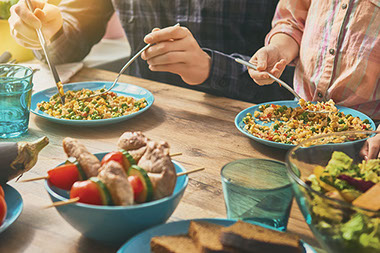
    Close up on dinner table with food and hands with silverware about to eat.

    Protein is a powerhouse. Proteins act as building blocks for bones, muscles, cartilage, skin and blood. Proteins also provide calories. It is important that you eat enough protein every day. But when you are choosing proteins to eat, it is important that those proteins come from heart-healthy sources.

    How Much You Need Each Day?

    The amount of protein you need varies, depending on your age, sex, height, weight and physical activity. Being pregnant may also affect how much you need. Visitmyplate.gov/myplate-planto find out how much you need.

    Talk to your doctor about what your daily recommended allowance of protein should be and take steps to meet that goal regularly.

    What Kinds of Proteins?

    Most people eat enough protein, but much of it comes from meat sources that are high in saturated fat. Choose lean meats and plant-based proteins to get your daily allowance and to maintain a healthy lifestyle. These include:

    *  Poultry

    *  Seafood

    *  Lentils

    *  Beans

    *  Nuts

    *  Soy

    *  Eggs

    *  Seeds

    These foods are also packed with nutrients, such as B vitamins (niacin, thiamin, riboflavin and B6), vitamin E, iron, zinc and magnesium.

    © American Institute for Preventive Medicine
  • Plant-Forward Eating

    HEALTHY EATING

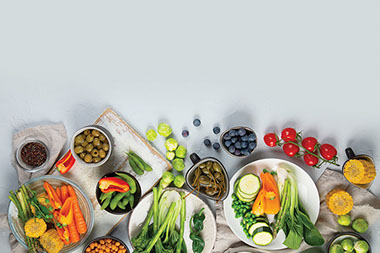
    Variety of plant based foods.

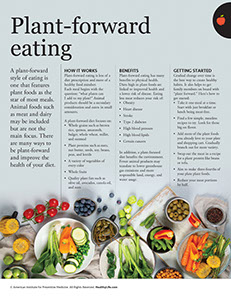
    A plant-forward style of eating is one that features plant foods as the star of most meals. Animal foods such as meat and dairy may be included but are not the main focus. There are many ways to be plant-forward and improve the health of your diet.

    How it works

    Plant-forward eating is less of a diet prescription and more of a healthy food mindset.

    Each meal begins with the question: “what plants can I add to my plate?” Animal products should be a secondary consideration and eaten in small amounts.

    A plant-forward diet focuses on:

    *  Whole grains such as brown rice, quinoa, amaranth, bulger, whole wheat, millet, and oatmeal

    *  Plant proteins such as nuts, nut butter, seeds, soy, beans, peas, and lentils

    *  A variety of vegetables of every color

    *  Whole fruits

    *  Quality plant fats such as olive oil, avocados, canola oil, and nuts

    Benefits

    Plant-forward eating has many benefits to physical health. Diets high in plant foods are linked to improved health and a lower risk of disease. Eating less meat reduces your risk of:

    *  Obesity

    *  Heart disease

    *  Stroke

    *  Type 2 diabetes

    *  High blood pressure

    *  High blood lipids

    *  Certain cancers

    In addition, a plant-focused diet benefits the environment. Fewer animal products may translate to lower greenhouse gas emissions and more responsible land, energy, and water usage.

    Getting started

    Gradual change over time is the best way to create healthy habits. It also helps to get family members on board with “plant forward.” Here’s how to get started:

    *  Take it one meal at a time. Start with just breakfast or lunch being meat-free.

    *  Find a few simple, meatless recipes to try. Look for those big on flavor.

    *  Add more of the plant foods you already love to your plate and shopping cart. Gradually branch out for more variety.

    *  Swap out the meat in a recipe for a plant protein like beans or tofu.

    *  Aim to make three-fourths of your plate plant foods.

    *  Reduce your meat portions by half.

    © American Institute for Preventive Medicine
  • Polypharmacy: What To Know

    MEDICAL NEWS

    Wooden spoon filled with variety of pills.

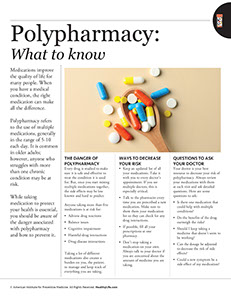
    Medications improve the quality of life for many people. When you have a medical condition, the right medication can make all the difference.

    Polypharmacy refers to the use of multiple medications, generally in the range of 5-10 each day. It is common in older adults; however, anyone who struggles with more than one chronic condition may be at risk.

    While taking medication to protect your health is essential, you should be aware of the danger associated with polypharmacy and how to prevent it.

    The danger of polypharmacy

    Every drug is studied to make sure it is safe and effective to treat the condition it is used for. But, once you start mixing multiple medications together, the side effects may be less known and hard to predict.

    Anyone taking more than five medications is at risk for:

    *  Adverse drug reactions

    *  Balance issues

    *  Cognitive impairment

    *  Harmful drug interactions

    *  Drug-disease interactions

    Taking a lot of different medications also creates a burden on you, the patient, to manage and keep track of everything you are taking.

    Ways to decrease your risk

    *  Keep an updated list of all your medications. Take it with you to every doctor’s appointment. If you see multiple doctors, this is especially critical.

    *  Talk to the pharmacist every time you are prescribed a new medication. Make sure to show them your medication list so they can check for any drug interactions.

    *  If possible, fill all your prescriptions at one pharmacy.

    *  Don’t stop taking a medication on your own. Always talk to your doctor if you are concerned about the amount of medicine you are taking.

    Questions to ask your doctor

    Your doctor is your best resource to decrease your risk of polypharmacy. Always review your medications with them at each visit and ask detailed questions. Here are some questions to ask:

    *  Is there one medication that could help with multiple conditions?

    *  Do the benefits of the drug outweigh the risks?

    *  Should I keep taking a medicine that doesn’t seem to be working?

    *  Can the dosage be adjusted to decrease the risk of side effects?

    *  Could a new symptom be a side effect of my medication?

    © American Institute for Preventive Medicine