Author: AIPM

  • Save Now For Holiday Gift-Giving

    FINANCIAL HEALTH

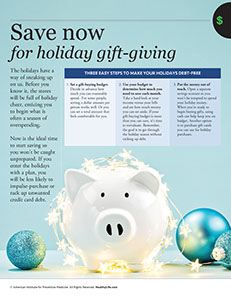
    Piggy bank with holiday lights and ornments.

    The holidays have a way of sneaking up on us. Before you know it, the stores will be full of holiday cheer, enticing you to begin what is often a season of overspending.

    Now is the ideal time to start saving so you won’t be caught unprepared. If you enter the holidays with a plan, you will be less likely to impulse-purchase or rack up unwanted credit card debt.

    Three easy steps to make your holidays debt-free

    1.Set a gift-buying budget.Decide in advance how much you can reasonably spend.  For some people, setting a dollar amount per person works well. Or you can set a total amount that feels comfortable for you.

    2.Use your budget to determine how much you need to save each month.Take a hard look at your income versus your bills and see how much money you can set aside. If your gift-buying budget is more than you can save, it’s time to reevaluate. Remember, the goal is to get through the holiday season without racking up debt.

    3.Put the money out of reach.Open a separate savings account so you won’t be tempted to spend your holiday money. When you’re ready to begin buying gifts, using cash can help keep you on budget. Another option is to purchase gift cards you can use for holiday purchases.
    © American Institute for Preventive Medicine

  • Sepsis: Spot It, Save A Life

    MEDICAL NEWS

    Women leaning on wall with chest pain and man helping her.

    Sepsis can happen when a person has an infection like pneumonia, an infected cut in the skin or a urinary tract infection. Then, the body’s immune system releases a strong response that can get out of control. This immune response is so powerful that it can damage the body’s organs and cause blood clots.

    Sepsis can cause blood pressure to get extremely low and heart rate to get faster. This can trigger septic shock. With septic shock, the body becomes starved for blood and oxygen. It is a life-threatening emergency.

    Most who get an infection will not get sepsis. But experts don’t know why some people get it and others don’t. It seems to affect older adults, babies and young children the most. People who have a weakened immune system or a long-term illness like diabetes, liver disease or cancer are also more likely to get it.

    Spot sepsis signs

    Sepsis can be hard to spot. At first, symptoms may look like a mild illness. Sometimes a person has an infection and doesn’t know it. Signs include:

    *  Fever or a low body temperature

    *  Chills

    *  Fast heartbeat

    *  Trouble breathing or  fast breathing

    *  Blotchy skin or rash

    *  Being confused

    *  Feeling faint or lightheaded

    Even if you don’t have an infection, or don’t think you have one, ask yourself:

    *  Was I recently around someone who was ill?

    *  Did I recently have surgery or a medical procedure?

    *  Do I have any cuts or breaks in the skin?

    Getting treatment

    If you think a person might have sepsis, it’s important to get them medical care right away. Doctors will look at symptoms and may order blood tests. Sometimes other tests, like an x-ray or CT scan, may be needed.

    Sepsis is serious, so doctors often treat it in the Intensive Care Unit (ICU) of a hospital. Treatment usually includes antibiotics and getting fluids.

    Fortunately, most people who recover from sepsis often contine to have a normal, healthy life.

    Sources: Centers for Disease Control and Prevention, National Institutes of Health, Sepsis Alliance

    © American Institute for Preventive Medicine

  • Setting Doable Goals For A Healthy Diet

    HEALTHY EATING

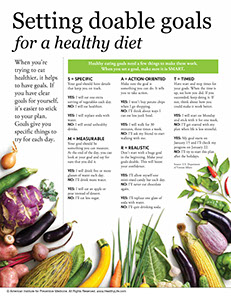
    A variety of vegetables.

    When you’re trying to eat healthier, it helps to have goals. If you have clear goals for yourself, it’s easier to stick to your plan. Goals give you specific things to try for each day.

    Healthy eating goals need a few things to make them work. When you set a goal, make sure it is SMART.

    S = Specific

    Your goal should have details that keep you on track.

    Yes: I will eat one extra serving of vegetables each day.

    No: I will eat healthier.

    Yes: I will replace soda with water.

    No: I will avoid unhealthy drinks.

    M = Measurable

    Your goal should be something you can measure. At the end of the day, you can look at your goal and say for sure that you did it.

    Yes: I will drink five or more glasses of water each day.

    No: I’ll drink more water.

    Yes: I will eat an apple or pear instead of dessert.

    No: I’ll eat less sugar.

    A = Action-oriented

    Make sure the goal is something you can do. It tells you to take action.

    Yes: I won’t buy potato chips when I go shopping.

    No: I’ll think about ways I can eat less junk food.

    Yes: I will walk for 30 minutes, three times a week.

    No: I’ll ask my friend to start walking with me.

    R = Realistic

    Don’t start with a huge goal in the beginning. Make your goals doable. This will boost your confidence.

    Yes: I’ll allow myself one mini-sized candy bar each day.

    No: I’ll never eat chocolate again.

    Yes: I’ll replace one glass of soda with water.

    No: I’ll quit drinking soda.

    T = Timed

    Have start and stop times for your goals. When the time is up, see how you did. If you succeeded, keep doing it. If not, think about how you could make it work better.

    Yes: I will start on Monday and stick with it for one week.

    No: I’ll get started with my plan when life is less stressful.

    Yes: My goal starts on January 15 and I’ll check my progress on January 22.

    No: I’ll try to start this plan after the holidays.

    Source: U.S. Department of Veteran Affairs

    © American Institute for Preventive Medicine
  • Should You Be Taking Daily Aspirin?

    SELF-CARE CORNER

    An open pill bottle with aspirin spilled out.

    Taking a low dose aspirin every day can lower the chance of a heart attack. But that doesn’t mean that a daily aspirin is right for everyone. The National Institutes of Health says some people take aspirin each day – but they shouldn’t. The NIH has new guidelines about who should or should not take it.

    What does aspirin do?

    Aspirin is a non-steroidal anti-inflammatory drug (NSAID). It is a pain reliever for headaches and other aches and pains.

    Aspirin also thins the blood. This can prevent clots that can lead to a heart attack or stroke. Taking a low-dose aspirin every day can be life-saving for many people. However, aspirin also has risks. It can cause bleeding in the stomach and brain bleeding in rare cases.

    New guidelines to follow

    Researchers think many people are taking aspirin without their doctor’s approval. This can mean they could put themselves in danger of bleeding or stomach problems. Aspirin can also interact with other medications or supplements.

    Experts no longer think everyone over age 70 should take daily aspirin. People who have a low risk of heart attack or stroke may not need it. Also, people who have a higher risk of bleeding – no matter what age – should not take it.

    People who benefit from daily aspirin have a higher risk of heart attack or stroke. They may have already had a heart attack or stroke in the past. They may have a family history of heart problems or other risk factors.

    The best protection

    If you don’t need daily aspirin, you can help prevent heart disease with simple healthy habits.

    *  Get more exercise.

    *  Eat a heart-healthy diet.

    *  Don’t smoke.

    *  Get regular cholesterol and blood pressure checks.

    What’s the bottom line?Don’t start taking daily aspirin unless your doctor says you should. And, tell your doctor and pharmacist about all medications and supplements you take.

    Sources: American Heart Association, National Institutes of Health

    © American Institute for Preventive Medicine

  • Should You Join A Mlm?

    FINANCIAL HEALTH

    Tier made of blocks with paper cut out of people.

    Multi-level marketing companies, or MLMs, are companies that sell their products or services through person-to-person sales.

    People who join MLMs can make money by:

    *  Selling the product or service to friends, family and other customers.

    *  Earning more money if you get someone else to sign up as a representative or distributor for the company.

    Many people try MLMs as a side business to make extra money. Unfortunately, many people who join MLMs make very little money. They may even lose money. Be wary of promises to “get rich fast” or make huge amounts of money from MLMs.

    If you are thinking about it, ask yourself:

    1.  Do I want to be a salesperson? People in MLMs have to sell their product or service. They have to ask people they know to invest time or money in their product. They may also ask others to join and become a salesperson too. If this makes you feel uncomfortable, it’s probably not for you.

    2.  Do you have a sales plan? Think about whether you know enough people who will buy this product from you. They will need to buy from you over and over again if you want to make long-term money.

    3.  Think about the product and how easy it is to sell. Can people get a similar product in a store by spending less money?

    4.  How much money do you want to earn? Is this amount possible with the number of people who may buy it?

    5.  Do you have money and time to invest? Usually, you spend money to get product samples or equipment. Do you also have time to spend selling to people at parties or meetings? Are there training events that require travel? What about website fees?

    Finally, be careful about using a credit card to pay for your start-up expenses or other costs. This could backfire if you have to pay high interest rates and can’t pay it off right away.

    It’s your money and your life. Don’t let big promises or convincing marketing try to talk you into an MLM if you’re not sure about it.

    Source: Federal Trade Commission

    © American Institute for Preventive Medicine

  • Signs Of Childhood Anxiety

    FAMILY LIFE

    Young boy laying on floor with hands on top of head.

    It’s normal for kids to experience short-lived fears, such as fear of storms, the dark, animals, or strangers. But, for some kids, fear and worry become excessive and may impact their well-being.

    Being alert for signs of anxiety in your child can help you identify it early and provide immediate support.

    What is childhood anxiety?

    When a child does not outgrow normal childhood fears, or those fears begin to interfere with daily life, they may have an anxiety disorder.

    *  Separation anxiety: fear of being apart from parents

    *  Phobias: extreme fear of a specific situation or thing, such as an animal or activity

    *  Social anxiety: fear of situations surrounded by other people, such as at school

    *  General anxiety: fear of the future and general worry about what might happen

    *  Panic disorder: recurrent attacks of intense fear combined with sweating, dizziness, increased heart rate, and shaking

    Symptoms

    Anxiety can show up in many different ways and often starts with subtle behaviors you may not identify as fear.

    Knowing when something is a problem and not just a childhood “phase” can be challenging. Watch for these common symptoms:

    *  Trouble sleeping

    *  Recurrent tummy aches or other physical complaints

    *  Becoming clingy towards parents or caregivers

    *  Avoidance of specific situations

    *  Difficulty focusing

    *  Trouble sitting still/being fidgety

    *  Emotional outbursts

    *  Mood swings

    When to seek help

    Anxiety is unlikely to go away on its own. If you notice any of the symptoms or have concerns about your child’s mental health, talk to your doctor right away.

    Common treatments include:

    *  Behavior therapy that may include both child and family therapy

    *  Extra support at school

    *  Training for parents to aid their child in managing anxiety

    *  Lifestyle supports such as a healthy diet, adequate sleep, physical activity, and social support

    *  Medication in some cases

    © American Institute for Preventive Medicine
  • Simple Steps For A Safe Thanksgiving Turkey

    HEALTHY EATING

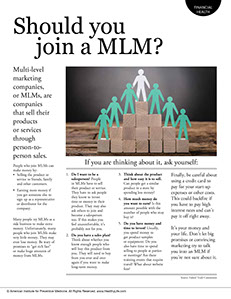
    Cooked turkey on plate.

    This Thanksgiving, millions of people will enjoy a plateful of turkey. Enjoy your meal, but remember to prepare your turkey safely to avoid food poisoning. This starts from the moment you bring your turkey home from the store.

    Think thawing

    Never thaw your turkey by leaving it out on the counter. When a turkey is left at room temperature for 2 hours, it can grow bacteria that make you sick. Instead, you can:

    *  Thaw your turkey in the refrigerator.

    *  Put your turkey in a plastic bag and thaw in cold water, changing the water every 30 minutes.

    Clean your hands, not  the turkey

    Don’t rinse or wash your turkey in the sink. This can spread germs. Instead, wash your hands well, both before and after handling the turkey. After you’ve put the turkey in the oven, carefully wash and disinfect any surfaces that touched the raw turkey.

    Temperature is key

    Cook your turkey at 325°F or above. Lower temperatures won’t heat up the bird quickly enough to kill bacteria. When you think the turkey is done, check the temperature. Use a meat thermometer and check the inner part of the thigh and wing. Also check the thickest part of the breast. The turkey is done when all of them are at 165°F.

    Stellar stuffing

    If you stuff your turkey, make sure it is completely cooked. Use a food thermometer to check that the stuffing reaches 165°F. After taking the turkey out of the oven, leave the stuffing in for about 20 more minutes. This helps ensure it is cooked thoroughly.

    Great leftovers

    Don’t leave leftover turkey out for more than two hours after cooking it. Put it in the refrigerator as soon as possible.

    Many people experience food poisoning around the holidays. This is often due to incorrectly cooked or stored turkey. This doesn’t have to happen to your family. Be safe about preparing your turkey and stay healthy this holiday.

    © American Institute for Preventive Medicine

  • Sitting Doesn’t Mean Not Moving

    WELL-BEING

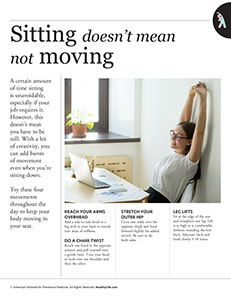
    Female sitting at table with laptop, stretching arms up.

    A certain amount of time sitting is unavoidable, especially if your job requires it. However, this doesn’t mean you have to be still. With a bit of creativity, you can add bursts of movement even when you’re sitting down.

    Try these four movements throughout the day to keep your body moving in your seat.

    Reach your arms overhead

    Add a side-to-side bend or a big arch to your back to stretch into areas of stiffness.

    Do a chair twist

    Reach one hand to the opposite armrest and pull yourself into a gentle twist. Turn your head to look over one shoulder and then the other.

    Stretch your outer hip

    Cross one ankle over the opposite thigh and bend forward slightly for added stretch. Be sure to do both sides.

    Leg lifts

    Sit at the edge of the seat and straighten one leg. Lift it as high as is comfortable without rounding the low back. Alternate back and forth slowly 5-10 times.

    © American Institute for Preventive Medicine
  • Slouching Harms Your Health

    WORK LIFE

    Man sitting on chair at desk stretching his back.

    Many people sit at a desk for hours each day. And the way you sit can affect your health.

    Muscles & bones

    Your musculoskeletal system includes your bones, joints and muscles. These parts of the body work together to provide support and stability. They allow you to move around.

    The musculoskeletal system has to change and adapt to your life. The type of shoes you wear, how you walk and even how you use devices can affect your musculoskeletal system.

    The way you sit at your desk affects this system too. Slouching can cause wear and tear on the spine. This makes it more likely that you will hurt your back. It can also lead to neck or shoulder pain.

    Having bad posture at your desk can lower your flexibility. It can make it harder for your joints to move, too.

    Un-learning bad posture

    Many people slouch without thinking about it. It becomes a habit. But there are ways to fix it and prevent more injury to your back.

    Researchers think that yoga could have positive benefits for posture and health. Some evidence suggests that it could help with hyperkyphosis in older people. Hyperkyphosis is a condition that causes the spine to curve forward, giving a “hunched” appearance.

    To be safe, people should talk with their doctor before doing yoga or any exercise program.

    Other ways to improve posture include:

    *  Be aware of your posture. Set alarms or reminders that tell you to sit up straight.

    *  Think about your posture when you stand and walk. This can carry over to better sitting posture.

    *  Make sure your keyboard and computer are working for you. You shouldn’t be slouching to reach the keyboard or see the screen.

    *  Change positions often. Don’t sit all day with one leg crossed or your feet tucked under your chair.

    *  Get up for breaks. Don’t spend breaks at your desk. Take a walk or gently stretch. Don’t eat at your desk.

    *  Work toward a healthy weight. Extra weight around the belly can weaken abdominal muscles. This can lead to back pain.

    Talk to your doctor if you have back, shoulder or neck pain. Ask them about the best exercise options for you or a possible referral to physical therapy. Exercise can help you support your body and boost your overall health, whether you’re sitting or not.

    Source: National Institutes of Health

    © American Institute for Preventive Medicine

  • Snoring And Your Health

    SELF-CARE CORNER

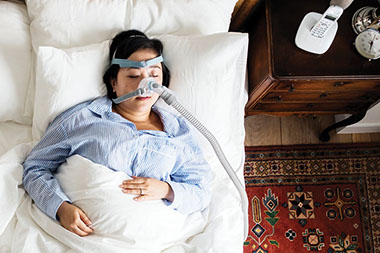
    Women sleeping while wearing a CPAP machine.

    Occasional snoring is often harmless. It may happen when a person has a stuffy nose or is lying on their back. But if you snore every night, talk with a doctor. Long-term snoring can lead to health problems.

    Sleep suffers

    Snoring can make you wake up many times during the night. You probably won’t remember these awakenings. They interfere with your body’s ability to get good, sound sleep.

    Without quality sleep, you may feel tired nearly every day. This can lead to problems at work, school or home. In severe cases, it can lead to dangers like car collisions if you fall asleep at the wheel.

    Obstructive sleep apnea

    Sometimes snoring is a sign of a health problem called obstructive sleep apnea (OSA). Signs of OSA include:

    *  Loud snoring that happens nearly every night

    *  Pauses in breathing during sleep (this can happen hundreds of times per night)

    *  Choking or gasping for air during the night

    *  Feeling very tired even after a full night’s sleep

    *  Trouble concentrating or being irritable

    *  Waking up with a headache

    OSA can also cause heart problems because it can increase a person’s risk of high blood pressure, stroke or heart disease. It can also cause an irregular heartbeat, known as an arrhythmia.

    How to fix snoring

    There are many ways to reduce or eliminate snoring. First, see a doctor to get checked for any health problems. Your doctor may recommend:

    *  If you smoke, quit. Smoking can make snoring worse and leads to other serious health problems.

    *  Limit or avoid alcohol. Don’t drink alcohol close to bedtime. Alcohol relaxes throat muscles and can cause more snoring and pauses in breathing.

    *  Work toward a healthy weight if you are overweight. Being overweight often makes snoring worse.

    If these measures don’t help, ask your doctor about other options. Certain devices and surgery can help some people quit snoring.

    Relationship problems

    Snoring can cause social problems too. Some people find that their marriage or domestic partnership suffers. Partners may not be able to sleep in the same room because of the noise.

    Sources: American Academy of Otolaryngology – Head and Neck Surgery

    © American Institute for Preventive Medicine