Author: AIPM

  • Heart Disease

    Heart & Circulation Problems

    Heart disease is a common term for coronary artery disease (CAD). It is the number one cause of death in the U.S. in both men and women. With heart disease, arteries that supply blood to the heart become hardened and narrowed. Heart disease can lead to these problems:

    *  Angina. With this, the heart muscle does not get as much blood and oxygen as it needs for a given level of work. A heart attack damages the heart muscle. Angina does not. It is a warning sign that a heart attack could occur, though.

    *  Heart attack.

    *  Heart failure (HF). With this, the heart “fails” to supply the body with enough blood and oxygen for its needs. This develops slowly. It becomes chronic.

    Signs & Symptoms

    *  Symptoms of angina are pain, discomfort, or a squeezing pressure in the chest. Aching in a tooth, jaw, or neck can also occur. Symptoms usually go away with rest and/or nitroglycerin. Angina attacks may occur with anger, excitement, or exertion, such as walking up a hill.

    *  Symptoms of a heart attack.

    *  Symptoms of heart failure are: Shortness of breath; feeling very tired or weak; swelling in the lower legs, ankles, and feet; dry cough or one with pink, frothy mucus; rapid weight gain; and a fast heart beat.

    Causes

    Illustration of healthy artery vs a clogging artery.

    Heart disease is caused by atherosclerosis. This is the buildup of plaque in the inner walls of the arteries. The plaque is made up of blood platelets, cholesterol, fibrous tissue, and sometimes calcium. The plaque narrows the arteries. This slows or blocks the flow of blood to the heart.

    Some factors increase the risk of heart disease. The more risk factors; the higher the risk.

    Risk Factors That Can’t Be Changed

    *  A past heart attack or stroke.

    *  Being a male 45 years or older.

    *  Being a female 55 years or older.

    *  Family history of heart disease:

    – A father or brother had heart disease before age 55.

    – A mother or sister had heart disease before age 65.

    Risk Factors That Can Be Controlled

    *  High blood pressure.

    *  High-risk blood cholesterol levels.

    *  Smoking.

    *  Being overweight or obese.

    *  Lack of physical activity.

    *  Having diabetes and high total and/or LDL (bad) cholesterol.

    *  Using cocaine or amphetamines.

    *  Metabolic syndrome.

    Other Factors that May Play a Role in Heart Disease

    *  Waist measurement > 40 inches for men; > 35 inches for women.

    *  C-reactive protein (CRP) in the blood. Levels of CRP rise when there is inflammation in the body.

    *  Elevated blood homocysteine levels.

    *  Infections, such as chlamydia pneumoniae.

    *  Elevated blood lipoprotein (a).

    *  Elevated blood triglycerides.

    Treatment

    The goals of treatment are to relieve symptoms, control or reduce risk factors, stop or slow further damage to the arteries, and prevent and treat cardiac events. Treatment includes:

    *  Self-Care / Prevention measures on this page.

    *  Medications.

    *  Procedures to open blocked or narrowed arteries or bypass them.

    *  Cardiac rehabilitation (rehab).

    Questions to Ask

    Self-Care / Prevention

    *  Have regular medical checkups. Get your blood pressure checked at each office visit or or as advised by your doctor. Get your blood cholesterol tested regularly, as advised by your doctor.

    *  Don’t smoke. If you smoke, quit.

    *  Get to or stay at a healthy weight.

    *  Take all medications as prescribed.

    *  If you are 50 to 69 years old, ask your doctor about the benefits and harms of aspirin therapy (e.g., 1 low-dose aspirin daily) to help prevent cardiovascular disease.

    *  See your doctor if you have any of the Signs & Symptoms of Diabetes.

    *  Follow a diet low in saturated fats, trans fats, and cholesterol. Limit sodium to 1,500 to 2,400 milligrams per day. Follow theDASH Eating Plan.

    *  Get regular exercise. Follow your doctor’s advice.

    *  Manage stress. Practice relaxation techniques.

    *  If you drink alcohol, do so in moderation. Too much alcohol can raise the risk for high blood pressure, heart disease, stroke, and other health problems. Moderate drinking, may be linked to a lower risk of coronary heart disease in some persons. Moderation means no more than 2 drinks a day for men; 1 drink a day for women and persons age 65 and older. One drink = 5 oz. of wine; 12 oz. of beer; or 1-1/2 oz. of 80-proof liquor.

    *  Ask your doctor how much, if any, alcohol you should drink.

    *  Get your doctor’s advice about taking vitamins, minerals, and herbal products.

    Metabolic Syndrome

    Metabolic Syndrome is having at least three of these five conditions:

    1.  Abdominal obesity. Waist measurement for this varies according to sex and ethnic group. Ask your doctor.

    2.  High triglycerides:* ≥ 150 mg/dL

    3.  Low HDL-cholesterol:* < 40 mg/dL for males; < 50 mg/dL for females

    4.  High blood pressure:* ≤ 140 mm Hg systolic and/or ≤ 90 mm Hg diastolic

    5.  High fasting glucose:* ≥ 100 mg/dL

    * Or taking medication to treat this condition.

    Resources

    The American Heart Association

    800.AHA.USA1 (242.8721)

    www.heart.org/HEARTORG

    National Heart, Lung, and Blood Institute (NHLBI)
    www.nhlbi.nih.gov

    Healthier at Home book by the American Institute for Preventive Medicine. www.HealthyLife.com. All rights reserved.

    © American Institute for Preventive Medicine
  • Heart Failure

    Heart & Circulation Problems

    The heart is the body’s pump. When it can’t pump well enough to meet the body’s needs, it is called heart failure (HF). The heart itself doesn’t fail, but “fails” to supply the body with enough blood and oxygen. The pumping action of the heart decreases. Blood flow slows down. This causes excess fluid (edema) in tissues throughout the body. The term congestive heart failure, used in the past, is due to the excess fluid or congestion. Heart failure needs a doctor’s diagnosis and care!

    Signs & Symptoms

    *  Shortness of breath.

    *  Feeling very tired or weak.

    *  Dry cough or a cough with pink, frothy mucus.

    *  Swelling of the lower legs, ankles, and feet. Your shoes can suddenly feel too tight.

    *  Decreased appetite and nausea.

    *  Rapid weight gain over several days or weeks without an increase in food intake. You could gain up to 1 pound a day.

    *  A fast heartbeat. Sometimes the heartbeat is irregular.

    *  Feeling anxious or restless.

    *  A feeling of suffocation. This is caused by fluid that collects in the lungs. It can be difficult to lie flat. You may need to sleep on 2 or more pillows. You may wake up suddenly from sleep feeling short of breath.

    Causes

    Anything that damages the heart muscle or makes it work too hard can cause heart failure. This includes:

    *  One or more heart attacks. This is the number 1 cause.

    *  Advanced coronary artery disease.

    *  High blood pressure that is not controlled.

    *  High blood pressure in the lungs (pulmonary hypertension).

    *  Alcohol and/or drug abuse.

    *  Severe or chronic lung disease (e.g., emphysema).

    *  Diabetes, especially if it is poorly controlled.

    *  Pericarditis. This is a swelling or thickening of the lining that surrounds the heart. This can restrict the heart’s pumping action.

    *  Abnormal heart valves. Causes include rheumatic heart disease and heart defects present at birth.

    *  Abnormal heart rhythm.

    *  A viral infection. This is rare and happens only if the infection affects the heart and causes cardiomyopathy, a muscle disease of the heart.

    Diagnosis

    Ways to Diagnose Heart Failure:

    *  A medical history and physical exam. Blood and urine tests.

    *  A chest X-ray to see if the heart is enlarged and if the lungs are congested.

    *  An ECG (also called EKG) to look for an enlarged heart, heart muscle damage, and abnormal heart rhythms.

    *  An echocardiogram. This test uses sound waves to show the heart’s size, shape, and movement.

    *  An exercise stress test.

    *  A cardiac catheterization. This test diagnoses coronary artery disease and checks for past heart attacks.

    Self-Care / Prevention

    Some causes of heart failure can be prevented. These include heart attacks, coronary artery disease, high blood pressure, rheumatic fever, and substance abuse.

    To Prevent Heart Attacks and Coronary Artery Disease:

    *  Don’t smoke. If you smoke, quit!

    *  Have regular medical checkups. Get your blood pressure checked at each office visit or at least every 2 years. Get your blood cholesterol tested as advised by your doctor.

    *  Take all medicines as prescribed. These include ones for high blood pressure, etc.

    *  Ask your provider about taking a low dose of aspirin (e.g., 1 baby aspirin) daily.

    *  Get to or stay at a healthy body weight.

    *  Strictly limit or avoid alcohol.

    *  Do regular physical activity. {Note: Talk to your health care provider before you start an exercise program. This is important if you have been inactive for a long period of time, are overweight, are over age 35, or have any medical problems.}

    *  Get a test to screen for diabetes as advised by your doctor. Having diabetes and high blood cholesterol increase the risk for heart disease.

    Self-Care

    *  Weigh yourself daily to check for excess fluid weight gain. Keep a record of what you weigh. Take it with you when you visit your health care provider. Call your provider, though, if your weight increases suddenly (3 or more pounds in 1 day).

    *  Limit sodium (part of salt) to about 2,000 milligrams per day.

    *  Limit fluids as advised by your health care provider.

    *  Have 5 to 6 small (instead of 3 large) meals a day.

    *  Stay as active as you can.

    *  Do not have more than one alcoholic drink a day, if at all. One drink equals 4 to 5 oz. of wine; 12 oz. of beer; or 1-1⁄2 oz. of 80 proof liquor.

    *  Eat healthy.

    *  Exercise on a regular basis as advised by your health care provider.

    *  Modify your daily activities as needed so you don’t place too heavy a demand on your heart. Alternate activity with periods of rest.

    *  Sit up when you rest, if this makes breathing easier. Sleep on 2 or more pillows and/or raise the head of your bed 6 inches when you sleep.

    *  Don’t smoke. If you do, quit!

    *  Lose weight if you are overweight.

    *  Follow your health care provider’s treatment program. Take your medication(s) as prescribed.

    Medical Care

    Call Health Care Provider For:

    *  A new onset of shortness of breath or fatigue when you do your normal activities or lie down.

    *  A new onset of swelling in the ankles and feet and it is harder to breathe when you lie down flat.

    *  Coughing up pink or frothy mucus with mild shortness of breath.

    *  An unexplained weight gain of 3 to 5 pounds.

    *  Having heart failure and you have symptoms of a cold or flu. These may add stress to your heart.

    *  Having heart failure and your symptoms worsen.

    Get Immediate Care For:

    *  Severe shortness of breath (you are too short of breath to say a few words) with or without wheezing (a high pitched whistling sound).

    *Heart Attack Warning Signs

    Resources

    American Heart Association

    800.242.8721

    www.heart.org/HEARTORG

    National Heart, Lung, and Blood Institute

    www.nhlbi.nih.gov

    Heart Failure brochure by the American Institute for Preventive Medicine. www.HealthyLife.com. All rights reserved.

    © American Institute for Preventive Medicine

  • Heart Health & The Health Of The Earth

    Heart & Circulation Problems

    Man checking heart rate on smart watch.

    *  Lowering your risk for heart disease isn’t just about eating healthy. To reduce your risk of a heart attack (and stroke), the EPA recommends that you:

    – Avoid secondhand smoke and reduce your exposure to traffic exhaust and air pollution.

    – Avoid carbon monoxide poisoning by properly venting your gas stove, furnace, dryer and other appliances.

    – Never leave a car running in a closed garage.

    – Reduce your use of household chemicals. When you do use them, make sure your work area is well-ventilated.

    *  Eat less meat and more plant-based foods.

    *  Buy and eat whole, unprocessed foods and from local growers whenever you can. Energy and water are needed (and waste is created) to make, package, and distribute packaged and processed foods. Most often, these foods cost more and also have excess salt, which can increase the risk for high blood pressure.

    Health at Home Lifetime book by the American Institute for Preventive Medicine. www.HealthyLife.com. All rights reserved.

    © American Institute for Preventive Medicine
  • Heart Health Basics

    Heart & Circulation Problems

    Risk Factors

    Risk Factors You Can’t Change

    *  You have had a heart attack or stroke.

    *  Being male 45 years+ or female 55 years+

    *  Heart disease in a father or brother before age 55; in a mother or sister before age 65

    *  African Americans, Mexican Americans, and American Indians have a higher risk than Caucasians.

    Risk Factors You Can Control

    *  Cigarette smoking. Secondhand smoke.

    *  Blood pressure ≥ 140/90 mm Hg or you take medicine to lower high blood pressure

    *  High risk levels for LDL (bad) cholesterol, HDL (good) cholesterol, and/or triglycerides

    *  Diabetes

    *  Being overweight. Lack of exercise.

    *  Other artery diseases (abdominal aortic aneurysm, carotid artery disease; peripheral artery disease)

    *  Metabolic syndrome. This is having 3 or more of these problems:

    – Waist size ≥ 40 inches for men; ≥ 35 inches for women

    – Blood pressure ≥ 130 mm Hg systolic and/or ≥ 85 mm Hg diastotic or you take medicine to lower blood pressure

    – A fasting blood sugar ≥ 100 mg/dL or you have diabetes

    – Triglycerides ≥ 150 mg/dL

    – HDL-cholesterol < 40 mg/dL for men; < 50 mg/dL for women

    Heart Conditions

    Coronary Artery Disease (CAD)

    Heart disease is a common term for coronary artery disease (CAD). It is the leading cause of death in the U.S. for both men and women. With heart disease, arteries that supply blood to the heart become clogged with deposits called plaque. Cholesterol is part of the plaque. Over time, the buildup of plaque restricts blood flow to the heart. This can cause the problems that follow.

    Illustration of a healthy artery vs a clogging artery.

    Heart Failure (HF)

    With this, the heart itself doesn’t fail. It “fails” to supply enough blood and oxygen for the body’s needs. This develops over time. It becomes a chronic problem.

    Symptoms of Heart Failure

    *  Shortness of breath

    *  Feeling very tired or weak

    *  Swelling in the lower legs, ankles and feet. Shoes can feel too tight all of a sudden.

    *  Rapid weight gain

    *  Dry cough or one with pink, frothy mucus

    *  Fast heartbeat

    Angina

    With this, the heart muscle does not get enough blood and oxygen needed for a given level of work. Symptoms include:

    *  Pain, discomfort or a squeezing pressure in the chest

    *  Aching in a tooth, an arm, a jaw, or in the neck

    Symptoms may come when you get angry or excited. They are more likely to come when you exert yourself (climb a hill, run to catch a bus, etc.). They usually go away with rest and/or nitroglycerin. This is medicine a doctor prescribes.

    {Note: Angina symptoms can also be signs of a heart attack. (See the next panel.) A heart attack damages the heart muscle. Angina does not.}

    Heart Attack

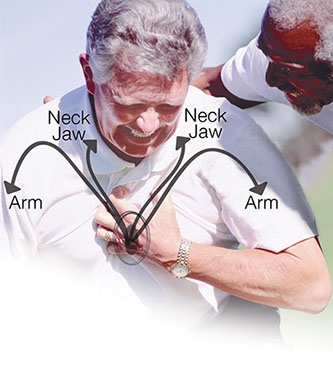
    With this, the heart doesn’t get enough blood for a period of time. Part or all of the heart muscle dies. A heart attack can occur with heavy activity. It can occur at rest or during sleep, too. Heart attack warning signs are given on this page.

    Heart Attack Warning Signs

    For any heart attack warning sign, call 9-1-1 or your local EMS.

    Common Heart Attack Warning Signs

    *  Feeling of pain (may spread to the arm, neck, jaw, tooth, or back), tightness, burning, squeezing, fullness, or heaviness in the chest that lasts more than a few minutes or goes away and comes back

    *  Chest discomfort with fainting, shortness of breath, lightheadedness, nausea, or sweating. Unusal chest, abdominal, or stomach pain.

    *  Dizziness, nausea, trouble breathing, or arm or jaw pain without chest pain

    *  Fast or uneven heartbeat or pulse; sweating for no reason; or pale, gray, or clammy skin

    Image of a man having a heart attack.

    Signs More Likely to Occur in Women

    *  An uneasy feeling in the chest with any problem listed above or with: Unexplained or extreme anxiety; unusual fatigue or weakness; fluttering hearbeats; or severe indigestion that does not go away with an antacid

    Heart Health Tips

    *  Get regular medical checkups. Get your blood pressure checked at each office visit or at least   every 2 years. Get your blood cholesterol tested at least every 5 years (yearly if you have heart disease or diabetes).

    *  Don’t smoke. If you smoke, quit.

    *  Get to or stay at a healthy body weight.

    *  Take medicines as prescribed.

    *  Ask your doctor about taking a low dose of aspirin (e.g., 1 baby aspirin) daily.

    *  If you have diabetes, follow your treatment plan. If you don’t have diabetes, learn how to prevent and detect it fromwww.diabetes.org.

    *  Manage anger, anxiety, depression, and stress.

    *  Nurture your heart with healthy emotions and a strong support system from family and friends.

    Tips to Deal With Stress

    Stress makes the heart work harder. Stress raises blood cholesterol. Also, people who respond to stress in a hostile, angry way tend to suffer more heart attacks.

    *  Learn ways to relax, like deep breathing.

    *  Balance work and play.

    *  Control negative thinking.

    *  Don’t let emotions get “bottled up.”

    *  Laugh more.

    *  Avoid needless quarrels.

    Exercise

    Aim to do an aerobic activity at least 20 minutes a day. Do this 5 or more days a week. The goal during an aerobic workout is to reach your target heart rate. Even moderate levels of exercise will be good for the heart.

    Body builders work out to make muscles in their bodies stronger. The heart is a muscle. Exercise makes it stronger, too. Exercise also does these things:

    *  It helps more blood get to the heart and more oxygen get to the lungs.

    *  It lowers the chance of blood clots in the arteries.

    *  It helps lower blood pressure.

    *  It lowers stress.

    The best exercise for the heart is one that makes it beat faster and helps the lungs take in more oxygen. This is called aerobic exercise. Aerobic exercises include:

    *  Walking fast

    *  Step aerobics

    *  Jumping rope

    *  Cross country skiing

    *  Jogging

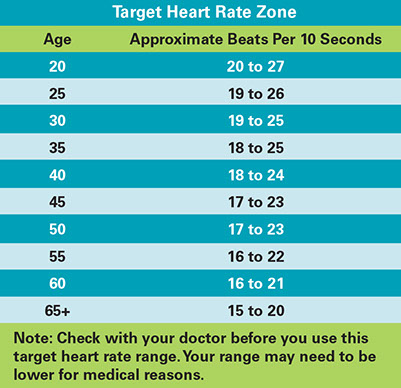
    Target Heart Rate

    This is 60-80% of your maximum heart rate. If you reach your target heart rate during the

    aerobic part of your workout, your pace is good.*

    To find out if you reach your target heart rate, check your pulse. Check it 10 minutes after you start your workout.

    *  Place your fingers (not your thumbs) on one side of your neck below your jawbone. Or, check it on the inside of your wrist.

    *  Count the number of tiny beats you feel in 10 seconds.

    *  Find the line with your age (or the closest one to it) in the “Target Heart Rate Zone” box.

    *  Is the number of beats you counted in 10 seconds in the range of numbers on the line next to your age? If so, you have reached your target heart rate.

    Resources

    American Heart Association

    800.242.8721

    www.heart.org/HEARTORG

    National Heart, Lung, and Blood Institute

    www.nhlbi.nih.gov

    Heart Health brochure by the American Institute for Preventive Medicine. www.HealthyLife.com. All rights reserved.

    © American Institute for Preventive Medicine

  • Heart Palpitations

    Heart & Circulation Problems

    Signs & Symptoms

    Palpitations can be felt in the chest, throat, or neck. With them, it feels like the heart is pounding, racing, and/or fluttering. It can feel like the heart has skipped a beat.

    Causes

    Most of the time, palpitations are not a serious problem. Common causes include:

    *  Anxiety. Fear. Stress. Hyperventilation.

    *  Caffeine. Diet pills. Nicotine. Drugs.

    *  Exercise.

    *  Medicines. Examples are beta-blockers, some asthma and cold medicines, and thyroid pills.

    Other causes are:

    *  An arrhythmia (heart rate or rhythm disorder).

    *  Mitral valve prolapse (MVP). This is a heart valve problem. It may be treated with medicine. It is not usually a serious condition.

    *  Anemia.

    *  Hyperthyroidism.

    *  Low blood sugar.

    Treatment

    Treatment depends on the cause.

    Questions to Ask

    Self-Care / Prevention

    *  If palpitations occur with exercise, stop the activity. Rest. When you exercise again, gradually increase how long and how intense you do the activity.

    *  To relieve stress and anxiety, do relaxation exercises.

    *  Limit or avoid caffeine, nicotine, and alcohol.

    *  Don’t take cold/allergy medicines. Don’t take appetite suppressants.

    *  Call your doctor if rest doesn’t help or if palpitations occur again and again.

    Resources

    The American Heart Association

    800.AHA.USA1 (242.8721)

    www.heart.org/HEARTORG

    National Heart, Lung, and Blood Institute (NHLBI)

    www.nhlbi.nih.gov

    Healthier at Home book by the American Institute for Preventive Medicine. www.HealthyLife.com. All rights reserved.

    © American Institute for Preventive Medicine
  • Heartburn & Indigestion

    Abdominal & Urinary Conditions

    Heartburn has nothing to do with the heart. It involves the esophagus and the stomach. The esophagus passes behind the breastbone alongside the heart. The irritation that takes place there feels like a burning feeling in the heart. Indigestion is a general term for discomfort in the abdomen that comes after eating.

    Signs & Symptoms

    *  A burning feeling behind the breastbone occurs after eating.

    *  Chest pain is felt when you bend over or lie down.

    *  Your mouth has a bitter, hot, or sour taste.

    Causes

    Gastric acids from the stomach splash back up into the lower portion of the esophagus. This causes pain. The medical term for this is gastroesophageal reflex disease (GERD). The digestive acids don’t harm the stomach. It has a coating to protect it. The esophagus doesn’t. Acids there cause pain.

    Common Heartburn Triggers

    *  Aspirin, ibuprofen, naproxen sodium, arthritis medicine, or corticosteroids.

    *  Heavy meals. Eating too fast. Chocolate. Garlic. Onions. Peppermint. Tomatoes and citrus fruits.

    *  Smoking or lying down after eating.

    *  Drinking alcohol or coffee (regular or decaffeinated).

    *  Being very overweight.

    *  Wearing tight clothing.

    *  Swallowing too much air.

    *  Stress.

    *  Hiatal hernia.

    *  Pregnancy.

    Treatment

    Self-care treats most cases of this common problem. Heartburn symptoms can be confused, though, with ones of a heart attack or other medical problems.

    Questions to Ask

    Self-Care / Prevention

    *  Sit straight while you eat. Stand up or walk around after you eat. Bending over or lying down after you eat makes it too easy for stomach acids to move up to the esophagus.

    *  Don’t smoke.

    *  Lose weight if you are overweight.

    *  If heartburn bothers you at night, raise the head of the bed. Put the head of your bed up on 6-inch blocks. You can also buy a special wedge that is made to be placed between the mattress and box spring. Don’t just prop your head up with pillows. This makes the problem worse by putting pressure on your stomach.

    *  Don’t wear garments that fit tight around the abdomen.

    *  Eat small meals. Limit alcohol.

    *  Limit foods and drinks with air. Examples are whipped cream and carbonated drinks.

    *  Don’t eat or drink for 2 to 3 hours before bedtime.

    *  If you take aspirin, ibuprofen, naproxen sodium, or arthritis medicines, take them with food.

    *  If other treatments fail, take antacids, such as Tums. If these don’t bring relief, take an over-the-counter acid controller, such as Pepcid AC, Tagamet HB, etc. These prevent and relieve heartburn. {Note: Read labels before taking antacids or acid controllers. Check with your doctor, too. Adverse side effects are more likely and more severe in older persons who take some acid controllers, such as Tagamet HB.}

    *  Don’t take baking soda. It is high in sodium and is not effective.

    Resources

    National Institute of Diabetes and Digestive and Kidney Diseases (NIDDK)

    www.niddk.nih.gov

    Healthier at Home book by the American Institute for Preventive Medicine. www.HealthyLife.com. All rights reserved.

    © American Institute for Preventive Medicine
  • Heat Exhaustion & Heat Stroke

    First Aid

    Sweat evaporates from the skin to cool the body. If this personal cooling system does not work right or fails to work, heat exhaustion or a heat stroke can occur.

    Heat exhaustion is a warning that the body is getting too hot. With a heat stroke, body organs start to overheat. They will stop working if they get hot enough. If it is not treated, a heat stroke can result in death.

    Signs & Symptoms

    For a Heat Stroke

    These signs and symptoms can occur suddenly with little warning:

    *  Very high temperature (104ºF or higher).

    *  Hot, dry, red skin. No sweating.

    *  Deep breathing and fast pulse. Then shallow breathing and weak pulse.

    *  Confusion. Hallucinations.

    *  Convulsions.

    *  Loss of consciousness.

    For Heat Exhaustion

    *  Normal, low, or only slightly elevated body temperature.

    *  Cool, clammy, pale skin. Sweating.

    *  Dry mouth. Thirst.

    *  Fatigue. Weakness. Feeling dizzy.

    *  Headache.

    *  Nausea. Vomiting can occur.

    *  Muscle cramps.

    *  Weak or rapid pulse.

    Causes

    Anything that keeps the body’s natural cooling system from working right can lead to heat exhaustion and heat stroke. This includes:

    *  Extreme heat and humidity.

    *  Being in places without fans or air conditioners during hot, humid weather.

    *  Not being able to get to public air-conditioned places. Waiting for a bus or other type of public transportation in hot, humid weather.

    *  Overdressing.

    *  Changes in the skin due to aging.

    *  Poor circulation. Heart, lung, and/or kidney disease.

    *  Not being able to sweat due to medicines, such as water pills and some used for mental illnesses.

    *  Alcohol or drug use.

    *  Any illness that causes weakness, fever, vomiting, or diarrhea.

    Treatment

    A heat stroke is a medical emergency.

    Heat exhaustion may respond to self-care measures. If not, medical care is needed.

    Prevention

    *  Drink lots of liquids, especially if your urine is dark yellow. Drink water, sport drinks, such as Gatorade, etc.

    *  Do not stay in or leave anyone in a closed, parked car during hot weather.

    *  Don’t have drinks with alcohol or caffeine.

    *  Use caution when you are in the sun. At the first sign of heat exhaustion, get out of the sun. If you can, avoid midday heat. Do not do vigorous activity during the hottest part of the day (11:00 a.m. to 4:00 p.m.).

    *  Wear light, loose-fitting clothing, such as cotton, so sweat can evaporate. Wear a wide-brimmed hat with vents. Use an umbrella for shade.

    *  If you feel very hot, try to cool off. Open a window. Use a fan. Go to an air-conditioned place.

    *  Check with your doctor about sun exposure if you take:

    – Water pills.

    – Mood-altering medicines.

    – Some antibiotics, such as tetracycline.

    Questions to Ask

    Self-Care / First Aid

    First Aid for a Heat Stroke

    Call 9-1-1!

    Before Emergency Care Arrives

    *  Move the person to a cool place indoors or under a shady tree. Place the feet higher than the head to avoid shock.

    *  Remove clothing. Either wrap the person in a cold, wet sheet; sponge the person with towels or sheets that are soaked in cold water; or spray the person with cool water. Fan the person.

    *  Put ice packs or cold compresses on the neck, under the armpits, and on the groin area.

    *  Once the person’s temperature gets to 101ºF, place him or her in the Recovery Position. Do not lower the temperature further.

    *  Don’t give fever reducing medicine.

    *  Don’t use rubbing alcohol.

    First Aid for Heat Exhaustion

    *  Move to a cool place indoors or in the shade. Lie down.

    *  Loosen clothing.

    *  Drink fluids, such as cool or cold water. Add 1/2 teaspoon of salt to 1 quart of water. Sip this. Or, drink sport drinks, such as Gatorade, etc.

    *  Have salty foods, such as saltine crackers, if you tolerate them.

    *  Massage and stretch cramped muscles.

    Healthier at Home book by the American Institute for Preventive Medicine. www.HealthyLife.com. All rights reserved.

    © American Institute for Preventive Medicine
  • Heat Illnesses

    First Aid

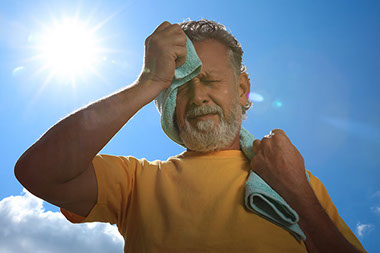
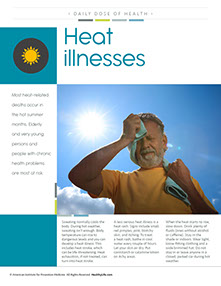
    Man outside in bright sun, wiping forehead with towel.

    Most heat-related deaths occur in the hot summer months. Elderly and very young persons and people with chronic health problems are most at risk.

    Sweating normally cools the body. During hot weather, sweating isn’t enough. Body temperature can rise to dangerous levels and you can develop a heat illness. This includes heat stroke, which can be life-threatening. Heat exhaustion, if not treated, can turn into heat stroke.

    A less serious heat illness is a heat rash. Signs include small red pimples, pink, blotchy skin, and itching. To treat a heat rash, bathe in cool water every couple of hours. Let your skin air dry. Put cornstarch or calamine lotion on itchy areas.

    When the heat starts to rise, slow down. Drink plenty of fluids (ones without alcohol or caffeine). Stay in the shade or indoors. Wear light, loose-fitting clothing and a wide brimmed hat. Do not stay in or leave anyone in a closed, parked car during hot weather.

    Health at Home Lifetime book by the American Institute for Preventive Medicine. www.HealthyLife.com. All rights reserved.

    © American Institute for Preventive Medicine
  • Help For Bladder Control

    Mature Health: Over Age 50

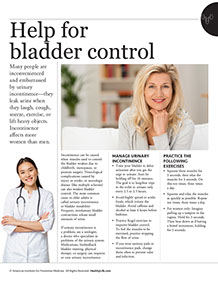
    Image of mature women smiling.

    Many people are inconvenienced and embarrassed by urinary incontinence-they leak urine when they laugh, cough, sneeze, or lift heavy objects.

    Incontinence can be caused when muscles used to control the bladder weaken due to childbirth or prostate surgery. Neurological complications caused by injury or stroke, or neurologic disease (like multiple sclerosis) can also weaken bladder control. So can diabetes. But the most common cause of urinary incontinence in the older population is what doctors call urge incontinence or bladder instability: Frequent, involuntary bladder contractions release small amounts of urine.

    If urinary incontinence is a problem for you, see a urologist, a doctor who specializes in problems and diseases of the urinary system. Medications, biofeedback bladder training, exercise, or surgery can improve or cure urinary incontinence.

    To help manage urinary incontinence:

    *  Empty your bladder at least every 2 hours.

    *  Avoid highly spiced foods, which irritate the bladder. Avoid caffeine and alcohol at least 4 hours before bedtime.

    *  Practice Kegel exercises to improve bladder control. To feel the muscles to be exercised, practice stopping the flow of urine.

    Then practice the following three exercises.

    *  Squeeze these muscles for 3 seconds, then relax the muscles for 3 seconds. Do this ten times, three times a day.

    *  Squeeze and relax the muscles as quickly as possible. Repeat ten times, three times a day.

    *  For women only: Imagine pulling up a tampon in the vagina. Hold for 3 seconds. Then bear down as if having a bowel movement, holding for 3 seconds.

    *  If you wear sanitary pads or incontinence pads, change them often to prevent odor and infection.

    A Year of Health Hints book by the American Institute for Preventive Medicine. www.HealthyLife.com. All rights reserved.

    © American Institute for Preventive Medicine

  • Help For Hearing Loss

    Mature Health: Over Age 50

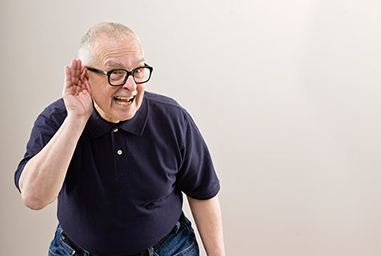
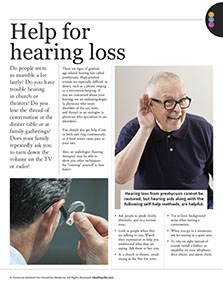
    Image of mature man with hand up to his ear trying to hear.

    Do people seem to mumble a lot lately? Do you have trouble hearing in church or theaters? Do you lose the thread of conversation at the dinner table or at family gatherings? Does your family repeatedly ask you to turn down the volume on the TV or radio?

    These are signs of gradual, age-related hearing loss called presbycusis. High-pitched sounds are especially difficult to discern. Another way to detect this problem is to hold a watch to your ear. If you can’t hear it ticking, see an otolaryngologist (a physician who treats disorders of the ear, nose, and throat) or an otologist (a physician who specializes in ear disorders).

    You should also get help if one or both ears ring continuously, or if loud noises cause pain in your ears.

    Hearing loss from presbycusis cannot be restored, but hearing aids. along with the following self-help methods, are helpful.

    *  Ask people to speak clearly, distinctly, and in a normal tone.

    *  Look at people when they are talking to you. Watch their expressions to help you understand what they are saying. Ask them to face you.

    *  Try to limit background noise when having a conversation.

    *  In a church or theater, sit near, but not in the front row. Sit in the third or fourth row with people sitting around you.

    *  To rely on sight instead of sound, install a buzzer, flasher, or amplifier on your telephone, door chime, and alarm clock.

    Also, an audiologist (hearing therapist) may be able to show you other techniques for “training” yourself to hear better.

    A Year of Health Hints book by the American Institute for Preventive Medicine. www.HealthyLife.com. All rights reserved.

    © American Institute for Preventive Medicine