Author: AIPM

  • Estimate Serving Sizes

    Healthylife® Weigh

    Part 2

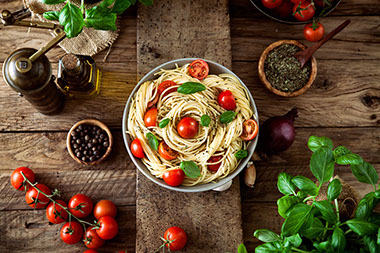
    Pasta with olive oil, garlic, basil and tomatoes.

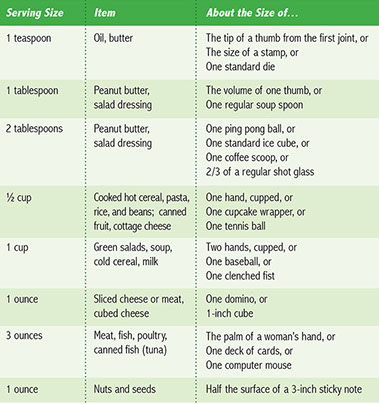
    To stay within the food group guidelines for your calorie needs, you need to use correct serving sizes. To be exact, you could use measuring cups and spoons or weigh foods on a scale. Do this when you can or when you are learning, but this is not always practical. You can estimate serving sizes using familiar objects.

    Chart showing serving sizes and items.

    © American Institute for Preventive Medicine

  • The “Everything In Moderation” Trap

    Healthylife® Weigh

    Part 4

    Chocloate covered strawberries.

    This may be the most common dietary advice today: everything in moderation. However, there are many reasons why this is really hard for most people and downright dangerous for others.

    1.May Be Dangerous:Certain ingredients may harm your body or could make managing a medical condition difficult. Or, you may be sensitive to a food that leads to discomfort, like an artificial sweetener triggering a headache. Moderation does not work in this case.

    2.Risk of Overeating:Second, moderation is a very vague term. How often are you having this food in “moderation”? A small amount daily? A large amount once weekly? Even what you think is a small amount may actually take up a large portion of your daily calorie budget. Also, having this small amount could lead to overeating, especially if the food is high in sugar.

    3.Negotiation Trap:Eating foods in moderation can lead to negotiations and planning to “make up for it” later. “If I eat this cake tonight, I’ll run an extra mile tomorrow.” “If I go out drinking this weekend, I won’t have any alcohol next weekend.” It seems easy in the moment to seize instant gratification. However, if you use the “everything in moderation” excuse too often, you may find yourself negotiating your health away.

    © American Institute for Preventive Medicine

  • Exercise And Eating

    Healthylife® Weigh

    Part 5

    Man eating a power bar at the gym.

    Exercise is not a solution for overeating or for eating unhealthy foods. Avoid treating exercise as a way to “make up” for eating more than your body needs. This can lead to feelings of guilt. It can also make exercise feel like a punishment.

    We tend to overestimate the calories burned through exercise and under-estimate the calories in food. The number of calories burned during exercise also varies from person to person. Factors like age, gender, and physical fitness can increase or decrease the caloric burn. The number in a chart or on a cardio machine monitor may not be accurate for you.

    Pre-Workout Eating

    You don’t have to eat before working out early in the morning, but it may give you more energy and help your body recover faster.

    Eat foods low in fat and fiber that can be digested easily. Include small amounts of protein in your pre-workout meals and snacks. This will help reduce muscle soreness. Experiment to find out what works best for you and allows you to feel your best.

    Pre-workout snack ideas (30-60 minutes before exercise):

    *  Piece of fruit

    *  Low-fat or non-fat yogurt

    *  Trail mix

    *  Whole-wheat toast with banana slices

    *  Smoothie with plain yogurt, frozen berries, and protein powder

    *  Oatmeal with fresh fruit

    Post-Workout Eating

    Exercise can increase your appetite. Your body wants to replace the calories you burned during exercise. Avoid overeating after exercise.

    Eat foods rich in protein, fiber, and healthy fats. Drink water to replenish fluids.

    Post-workout snack ideas (within 2 hours of exercise):

    *  Smoothie with plain yogurt, frozen berries, protein powder and avocado

    *  Banana with peanut butter

    *  Whole-wheat pita with turkey and veggies

    *  Protein bar (choose a bar with fewer than 5g of sugar)

    *  String cheese, apple, and whole grain crackers

    *  Veggie omelet with avocado

    If you are close to your normal meal time, just have that. Or, if you are not close to your normal meal time, have a small snack.
    © American Institute for Preventive Medicine

  • Exercise And Sleep

    Healthylife® Weigh

    Part 5

    Women sleeping.

    Physical activity can help you sleep better. After your body has worked hard, deep sleep is triggered to help your body recover, repair, and get ready for more activity. This natural drive helps you fall asleep and sleep more restfully.

    Be active outdoors, when possible. Outdoor physical activity increases exposure to sunlight. This helps to strengthen your body’s circadian rhythm (natural sleep clock). A stronger circadian rhythm helps you feel sleepy when it’s time to rest.

    Sleep Helps You Recover from Exercise

    Physical activity triggers a cycle of muscle break-down and repair. The repair process depends on sleep. Without enough sleep, repair is limited. This can increase the risk of injury and limit athletic goals (e.g., running or walking farther or lifting more weight).

    Severe sleep restriction (less than four hours per night) can cause dramatic increases in your heart rate and blood pressure. This strains your heart. Not only does this limit your ability to exercise, but your risk for heart attack and cardiovascular problems increases.

    Timing Exercise with Sleep

    Physical activity increases adrenaline in the body. This hormone increases your heart rate and alertness. Plan vigorous exercise at least four to six hours before bedtime. Light exercise and mild activities should end at least two to four hours before bedtime.

    © American Institute for Preventive Medicine

  • Face Unsupportive Situations

    Healthylife® Weigh

    Part 4

    Couple using laptop computer at home on sofa.

    Apply the suggestions in the table below to your challenges. Not all strategies will be right for all scenarios. You can turn a negative situation into a positive one for everyone.

    *  Let others know what your goals are and why you are working to achieve them.

    *  Model trying new foods and being open to new tastes.

    *  Reduce the amount of time spent with negative people, if possible.

    *  Describe your efforts as a lifestyle change rather than a diet.

    *  Share how you are doing things differently this time if you have struggled in the past.

    *  Let supportive people know how much their support means to you. Send a sincere thank you card, email, or share a kind word in person. They will likely help you again.

    *  Enjoy treats every now and then. Plan to have a small amount. Don’t let guilt rob you of enjoying the treat!

    © American Institute for Preventive Medicine

  • Fast-Food Restaurants

    Healthylife® Weigh

    Part 3

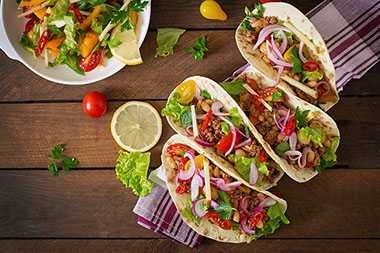
    Mexican tacos with meat, beans and salsa.

    Fast-food restaurants can be very convenient, especially if they have a drive-thru window. Look for the healthier choices on the menu, though they may not be the biggest or most colorfully advertised.

    If you are getting a meal, use the MyPlate guidelines. Choose from at least two food groups, like protein + fruit or protein + vegetable + dairy. Count these toward your goals for the day.

    Tips

    *  Choose grilled options over fried. This reduces saturated fat.

    *  Look for lower-sodium options.

    *  Order the smaller portions on the menu.

    *  Order water instead of 100% fruit juice. Order 100% fruit juice instead of soda.

    *  If you are treating yourself, choose a small portion, like a small ice cream.

    *  Eat half a portion and save the other half for later. Or, split a meal or menu item with a friend.

    Healthier Choices

    *  Regular burger, skip the fries and add a side salad with a vinaigrette dressing

    *  Grilled chicken wrap with apple slices and a side salad

    *  4-piece chicken nuggets, small fries, apples, yogurt

    *  Salad with chicken and a clementine

    *  Chili with a small salad

    *  Baked potato with plain yogurt

    A menu item may be prepared differently at a specific location, which affects nutrition. For example, an extra scoop of cheese or dash of salt can add extra saturated fat or a lot of sodium to a food. Take posted nutrition information with a grain of salt!

    © American Institute for Preventive Medicine

  • Feeling Full

    Healthylife® Weigh

    Part 6

    Man feeling full.

    Learn to better evaluate your fullness. It can take twenty minutes to start feeling physically full.

    1. Be satisfied in other ways. Enjoy the taste of food, the people you are with, or the place you are eating.

    2. Express gratitude for your food. This includes who prepared the food (it may be you!) and where it comes from.

    3. Drink a glass of water throughout the meal. This will help with digestion and feeling full.

    4. Make half your plate vegetables. It will take longer to eat these nutrient-dense foods.

    5. Keep consistent “food rules” like sitting at the table and drinking a glass of water with each meal or snack. This can be a built in “speed bump” for overeating. If you don’t want to sit at the table or drink water, you may not be physically hungry and emotional hunger is your trigger.

    6. When tracking your intake, also track your hunger-fullness using the scale to the right. Try to eat in the gray area (range 4-7). Avoid being too hungry or too full.

    The Hunger-Fullness Scale

    0: Empty

    1: Ravenous

    2: Over-hungry

    3: Hunger pangs

    4: Hunger awakens

    5: Neutral

    6: Just satisfied

    7: Completely satisfied

    8: Full

    9: Stuffed

    10: Sick

    7. Slow down. If you can, try to increase the time it takes you to finish your meal by 50%. If you currently finish dinner in 10 minutes, set a timer to stretch the meal out by 5 minutes-or longer!

    © American Institute for Preventive Medicine

  • Food Labels 2.0

    Healthylife® Weigh

    Part 7

    Woman choosing and reading label on bread in market.

    You have learned the clues on a food label that can point you toward a healthy choice or away from an unhealthy one. Here are some other common labels on food packaging and what they mean.

    Organic produceis grown without synthetic pesticides, herbicides, fertilizers, ionizing radiation, or genetically modified organisms (GMOs).

    Organic meat, poultry, eggs, and dairy productsare produced without antibiotics or growth hormones.

    Benefits of Organic Food

    *  Organic food may be tastier to you.

    *  Organic growing practices may be more sustainable and produce more nutritious food, though this is not always the case.

    *  You may avoid potentially harmful chemicals that may be added during conventional growing and processing.

    The Environmental Working Group publishes a list each year of the “Dirty 12™” and “Clean 15™.” Many plants, like avocados and corn, are naturally disease resistant and hardy. This means fewer pesticides are used on these plants, even when conventionally grown. These plant foods make up the “Clean 15™.” Other plants are less hardy and conventional growing tends to apply more synthetic pesticides. Prioritize buying the “Dirty 12™” organically. Go towww.ewg.orgto learn more about organic farming and see the year’s list.

    Clean all produce before use, whether it is grown organically or conventionally.

    Make your own veggie wash:Mix 2 cups cold tap water with ¼ cup white wine vinegar and 2 tbsp. lemon juice. Pour into a spray bottle. Squirt on your produce and let rest for 2 minutes. Rinse in tap water.

    Non-GMO Project Verifiedfoods do not contain GMOs. This means that the plant was not derived through genetic engineering. The most common products containing GMOs are corn, soy, sugar, and products made from these plants.

    Few studies have been done testing the long-term effects of consuming GMOs. However, GMO farming practices have led to increased use of synthetic pesticides and herbicides. Labeling laws and regulations surrounding GMOs are in development at the time of this guide’s publishing.

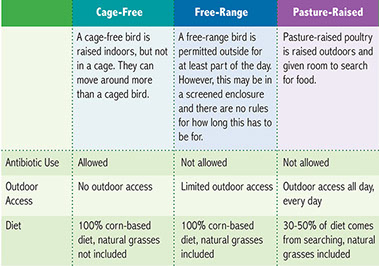
    Cage-Free, Free-Range, and Pasture-Raisedlabels refer to the living conditions of poultry. These labels indicate standards for animal welfare.

    Chart showing Cage-Free, Free-Range, and Pasture Raised definitions.

    © American Institute for Preventive Medicine

  • Fruits & Vegetables

    Healthylife® Weigh

    Part 2

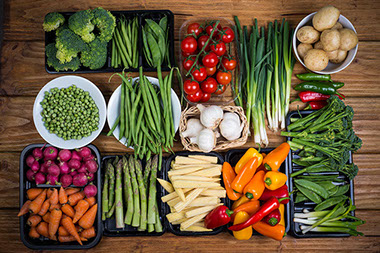
    A variety of vegerables.

    Fruits & vegetables make up the biggest part of MyPlate.

    Why should I eat fruits & vegetables?

    1. Fruits & vegetables are packed with nutrients. They provide essential vitamins and minerals, fiber, and a variety of phytochemicals (plant chemicals) that may play a role in preventing certain diseases.

    2. Fruits & vegetables contain water that helps you stay hydrated.

    3. Fruits & vegetables are high in fiber, which improves digestion and helps you feel full. Fiber also helps you use the energy from your food for a longer period of time, reducing feelings of hunger.

    4. Fruits & vegetables are tasty and can be prepared in many ways. They can add color, crunch, and flavor to your meals and snacks!

    Aim for variety

    Fruit: Choose a variety of whole fruits. The skin contains many unique nutrients and a lot of heart-healthy fiber. Choose fresh, frozen, canned (in juice to avoid added sugars), or dried fruits. ½ cup of fruit counts as:

    *  ½ cup raw or cooked fruit

    *  1 small banana, peach, or orange

    *  1 large plum or 16 seedless grapes

    *  ½ cup of chopped, cooked, or canned fruit

    *  4 tablespoons or 1/4 cup of raisins, prunes or dates

    *  ½ cup 100% fruit juice

    Vegetables: Include a variety of choices during your day. Choices can be fresh, frozen, or canned (choose low-sodium options). 1 cup of vegetables counts as:

    *  2 cups raw leafy vegetables

    *  1 cup of other vegetables; cooked or chopped raw

    *  1 cup 100% vegetable juice (choose juices less often)

    © American Institute for Preventive Medicine

  • Fruits & Vegetables 2

    Healthylife® Weigh

    Menus & Recipes

    A variety of vegerables.

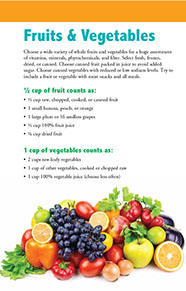
    Choose a wide variety of whole fruits and vegetables for a huge assortment of vitamins, minerals, phytochemicals, and fiber. Select fresh, frozen, dried, or canned. Choose canned fruit packed in juice to avoid added sugar. Choose canned vegetables with reduced or low sodium levels. Try to include a fruit or vegetable with most snacks and all meals.

    ½ cup of fruit counts as:

    *  ½ cup raw, chopped, cooked, or canned fruit

    *  1 small banana, peach, or orange

    *  1 large plum or 16 seedless grapes

    *  ½ cup 100% fruit juice

    *  ¼ cup dried fruit

    1 cup of vegetables counts as:

    *  2 cups raw leafy vegetables

    * 1 cup of other vegetables, cooked or chopped raw

    * 1 cup 100% vegetable juice (choose less often)

    © American Institute for Preventive Medicine