Author: AIPM

  • Limit Sodium

    Healthylife® Weigh

    Part 2
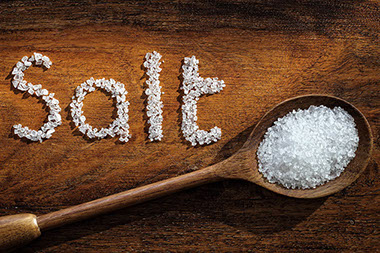
    Sea salt on wooden spoon and the word salt written in grain.

    Your body needs some sodium to:

    *  Maintain the right balance of fluids in your body.

    *  Transmit nerve impulses.

    *  Contract and relax muscles.

    Use added salt sparingly and limit foods high in sodium. Most people eat much more sodium than they need. There are important reasons to limit sodium in the diet. A low-sodium diet can help:

    *  Prevent high blood pressure. High blood pressure, if untreated, can lead to heart attack, stroke, poor eye health, headaches, and kidney failure.

    *  Lower your blood pressure if you have high blood pressure.

    *  Avoid swelling (edema) in legs, ankles, and internal organs.

    *  Reduce bloating and other side effects of premenstrual syndrome (PMS).

    Limit sodium to 2,300 milligrams per day (about 1 teaspoon). If you have high blood pressure, consult your doctor about the amount of sodium you should have each day. He or she may suggest you limit your sodium intake to 1,500 milligrams per day (about ¾ teaspoon). This includes sodium from all sources- salt added during cooking and at the table, salt in processed food, and sodium that occurs naturally in foods.

    Ways to Limit Sodium

    *  Choose low-sodium versions of canned foods, like soup, tomatoes and vegetables.

    *  Read nutrition information for restaurant items, when available. Choose from the “heart healthy” menu.

    *  Taste your food before adding salt. If needed, add a little.

    *  Leave the salt shaker off the table.

    *  Limit intake of processed meats like sausage and cold cuts.

    Flavor Foods Without Salt

    *  Beef – Bay leaf, marjoram, nutmeg, onion, pepper, sage, thyme

    *  Lamb – Curry powder, garlic, rosemary, mint

    *  Pork – Garlic, onion, sage, pepper, oregano

    *  Veal – Bay leaf, curry powder, ginger, marjoram, oregano

    *  Chicken – Ginger, marjoram, oregano, paprika, rosemary, sage, tarragon, thyme

    *  Fish – Curry powder, dill, dry mustard, lemon juice, marjoram, paprika, pepper

    *  Carrots – Cinnamon, cloves, marjoram, nutmeg, rosemary, sage

    *  Corn – Cumin, curry powder, onion, paprika, parsley

    *  Green – beans Dill, curry powder, lemon juice, marjoram, oregano, tarragon, thyme

    *  Peas – Ginger, marjoram, onion, parsley, sage

    *  Potatoes – Dill, garlic, onion, paprika, parsley, sage

    *  Summer squash – Cloves, curry powder, marjoram, nutmeg, rosemary, sage

    *  Winter squash – Cinnamon, ginger, nutmeg, onion

    *  Tomatoes – Basil, bay leaf, dill, marjoram, onion, oregano, parsley, pepper
    © American Institute for Preventive Medicine
  • Limit Sodium 2

    Healthylife® Weigh

    Menus & Recipes

    Sea salt on wooden spoon and the word salt written in grain.

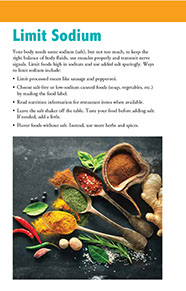
    Your body needs some sodium (salt), but not too much, to keep the right balance of body fluids, use muscles properly and transmit nerve signals. Limit foods high in sodium and use added salt sparingly. Ways to limit sodium include:

    *  Limit processed meats like sausage and pepperoni.

    *  Choose salt-free or low-sodium canned foods (soup, vegetables, etc.) by reading the food label.

    *  Read nutrition information for restaurant items when available.

    *  Leave the salt shaker off the table. Taste your food before adding salt. If needed, add a little.

    *  Flavor foods without salt. Instead, use more herbs and spices.

    © American Institute for Preventive Medicine
  • Look Beyond Your Weight Goal

    Healthylife® Weigh

    Part 7

    Apples, measuring tape, dumbbells and banana assembled into a smiling face.

    A healthy lifestyle is not just about the number on the scale. Reflect on what got you motivated to lose weight and got you over hurdles. Strengthen your values by connecting more to the world around you.

    Share your story.Share your struggles, your ideas, and your motivation. Share through your words and actions. You may have inspired someone already. Post to social media or comment on another post. Start a blog about your journey as you continue to learn and manage new challenges.

    Say thank youto those who have helped you along the way and who continue to help you. This may be your healthcare professionals, health coach, coworkers, friends, family, or the stranger who makes your coffee every day. Let people know how much they mean to you. It could be the boost that person needs today.

    Address hunger in your community.Millions of people worldwide struggle with food insecurity. Someone who is food insecure doesn’t know where their next meal is coming from. Many are children. It may be you. Food banks, soup kitchens, homeless shelters, and other community organizations appreciate volunteers or donations. Volunteer to teach a cooking class or lead a grocery store tour. Share your strengths.

    Care for the environment.The global food system depends on a healthy planet. It is also one of the biggest contributors of greenhouse gases and global warming. Choose local, sustainably produced food when possible. In general, the negative environmental impact increases with how far the food traveled, how long it was stored, and how many chemicals were sprayed on it. Buy enough, but not too much, to reduce waste. Use reusable containers for eating and transporting meals and snacks.

    © American Institute for Preventive Medicine
  • Look Past Advertising

    Healthylife® Weigh

    Part 3

    Man grocery shopping.

    Advertising can help point out healthy qualities in a food or drink. Advertising can also distract you from less healthy ingredients and nutrition facts. Check the nutrition facts and ingredients list to get the real scoop on what’s in the product. The drawbacks may outweigh the benefits advertised on the package.

    “Made With…”Example: Whole Grains, Real Fruit

    What it Means: At one point, the real ingredient (e.g., whole grain, fruit) was part of the product. That ingredient may have been processed further, causing it to lose nutrients. This claim does not tell you anything about how much of the whole food is in the end product.

    “Sugar Free”

    What it Means: A sugar free food has less than 0.5 grams of sugar per serving. What is in the food is more important than what the food is claiming to be free from. Check to see if extra saturated fat or artificial sweeteners have been added to make up for taste. Avoid foods high in saturated fat or foods containing artificial sweeteners.

    “Fat Free”

    What it Means: This food contains less than 0.5 grams of fat per serving (of any kind). If a food is fat free, make sure sugars or starches haven’t been added to replace the flavor and structure that fat gives food. Remember, unsaturated fat is an important part of a healthy diet and helps keep you feeling full.

    “Contains…”Example: Whole Grains, Real Fruit

    What it Means: This product contains some amount of this ingredient, but that amount may be very small. For example, a fruit drink that “contains real fruit” may be 10% real fruit juice and 90% added water and sugar. If you want more of the ingredient, like a whole grain or fruit, look for it to appear high on the list of ingredients.

    “Contains Zero Trans Fat”

    What it Means: There is no safe amount of trans fats, but a food label can say it contains zero trans fats if the trans fat content is below 0.5 grams per serving. To find trans fats, you will need to look at the ingredients. Avoid ingredients that are “hydrogenated” or “partially hydrogenated.”

    Organic, Grass-Fed, Cage-Free, Free-Range, Non-GMO

    Learn more about these marketing claims and labeling standards inPart 7of this guide.

    © American Institute for Preventive Medicine

  • Maintaining A Healthy Weight Is Important

    Healthylife® Weigh

    Part 1

    Senior couple running together outside in sunny autumn forest.

    Maintaining a healthy weight helps you enjoy good health and feel better! Carrying too much or too little weight, relative to your height, puts you at risk for certain weight-related health conditions, including:

    *  Heart disease, stroke, and high blood pressure

    *  Sleep apnea, asthma, and other breathing problems

    *  Diabetes and complications from it

    *  Gallbladder disease

    *  Digestive and GI problems

    *  Certain cancers

    *  Gout

    *  Poor mental health

    *  Low sex drive

    *  Low energy levels, making activity more difficult

    *  Premature aging and death

    *  Alzheimer’s, dementia, and other brain diseases

    *  Osteoporosis or arthritis on weight-bearing joints, such as the knees and spine

    Working toward a healthy weight can help you lower your risk for developing the problems listed above. If you already have a health condition, losing weight may help you manage it better or may reduce the need for some medication. Even a small amount of weight loss can improve your health. Losing 5% of your weight may lower your risk of developing heart disease.

    Achieving a personal goal also helps you feel good about yourself. You may have more energy to enjoy your favorite activities.

    © American Institute for Preventive Medicine
  • Make Your Kitchen A Healthy Eating Zone

    Healthylife® Weigh

    Part 4

    Three generation family eating dinner at home.

    You walk into the kitchen and see a box of cereal sitting out. You fill your cereal bowl and eye the leftover pie next to a bag of chips on the counter. It’s been a long day and you deserve a treat, right? When you are hungry, tired, bored, or stressed, food choices can be influenced by what is around you.

    First, learn about your kitchen. Your kitchen may be a place where you socialize with family and friends. It may be a place where you cook or pack lunches for children. Or, you have to walk through the kitchen to get to other rooms.

    *  How many times do you walk into your kitchen each day? If you aren’t sure, keep track for a day.

    *  List a few reasons you go into your kitchen.

    *  Without opening any doors (pantry, fridge, etc.), what foods can you see?

    *  If you were to select a snack right now, what would you choose? Why did you choose this snack?

    The kitchen can be one of your biggest allies in managing your weight. A kitchen can also be a battle zone that trips up your goals.

    © American Institute for Preventive Medicine

  • Make Unhealthy Habits Less Convenient

    Healthylife® Weigh

    Part 4

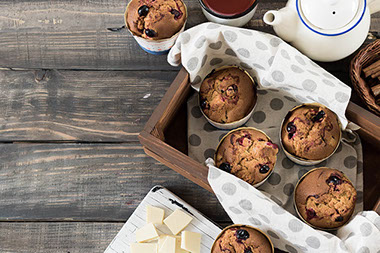
    Muffins with cranberries and white chocolate.

    To help make your healthy habits easier, make doing your unhealthy habits harder or unpleasant. Make healthy choices pleasant and convenient.

    Ways to Make Unhealthy Habits Unpleasant and Inconvenient

    *  Sit in an uncomfortable chair when having an unhealthy food or drink. Don’t sit on the couch to eat.

    *  Keep unhealthy foods and drinks in the basement, the laundry room, or a closet. Don’t keep these foods in the kitchen or in easy sight.

    *  Eat foods with the wrong utensil (e.g., try eating a pizza with a spoon).

    *  Set the volume on the TV very low as a cue to do something active. If you turn up the volume and watch, turn the volume back down before turning the TV off. The reminder will be there for you next time.

    *  Hide the TV remote in a drawer or on top of a book case.

    How can you make an unhealthy habit unpleasant and inconvenient?

    Ways to Make Healthy Habits Pleasant & Convenient

    *  Wear new workout clothes-even new socks can make an experience more fun!

    *  Listen to your favorite music while exercising or eating a healthy snack.

    *  Add fresh flowers to the table when you serve a healthy meal.

    How can you make a healthy habit pleasant and convenient?

    Take Small Steps Toward a New Habit

    1. List one unhealthy eating habit you want to change. Make sure the change is something you want to do, not something you are doing just to please someone else. Be specific.

    2. Make a list of the reasons you want to do this. Read this list often. For extra support: use a sticky note or index card and post this list where the unhealthy eating habit takes place.

    3. Write a positive statement about yourself or an encouraging message on a sticky note or an index card. Post this where you will see it, such as on a refrigerator or bathroom mirror.

    4. Working backwards from your goal, write a series of steps you can take to get there. Make the first step something you feel ready to do today. As soon as you take each step, set a time goal for taking the next step. It can be tempting to break a goal into so many steps that it takes a very long time to make any changes. It is normal to not want to fail. However, if you stretch a change out too long, you risk losing motivation. If you are taking steps that seem easy, try taking a little bigger step. You may find you are able to do more at once than you thought! If that bigger step is too hard, try again or go back to the smaller step. Keep going.

    5. Reflect on your success or any challenges you experienced.

    – How easy/hard was it to make this change?

    – What changes did you have to make to your steps as you went along?

    6. Reward yourself for small steps.

    – Pay attention to any rewarding thoughts or feelings that occur, such as feeling more confident or more organized.

    – Notice any physical feelings, such as having more energy or sleeping better at night.

    – Take time to reflect on one of your values statements. How has taking these steps allowed you to show yourself and others what you value?

    – Treat yourself with non-food rewards, such as a new book, fresh flowers, or new music. Reflect on the intrinsic rewards of your changes.

    © American Institute for Preventive Medicine
  • Manage Your Time

    Healthylife® Weigh

    Part 5

    Couple on a walk.

    Incorporate more movement into your daily activities. Take the stairs, park farther away from the building, and get up to stretch every hour. Also, plan at least 30 minutes each day, most days of the week, to engage in moderate-to-intense exercise. Add exercise to your daily schedule.

    Decrease Time Wasters

    If you feel time is a barrier for you, look at how you spend your time now. Keep a time log for a full day. Block off chunks of time when you sleep and are at work or school. Write down how much time you spend getting ready to go places, preparing food, relaxing, doing household chores, watching TV, or browsing social media.

    *  Decrease time spent watching TV or browsing social media. Set limits for yourself. Record shows so you can skip through commercials.

    *  Prepare meals ahead of time. Make more than one meal at once.

    *  Get help from others, especially with household chores and meal preparation.

    It may not be practical to make changes in all areas or plan physical activity every day. Start by taking small steps, such as being active on a weekend day or getting up a little earlier one morning to walk around the neighborhood.

    © American Institute for Preventive Medicine

  • Map Your Meal Plan

    Healthylife® Weigh

    Part 3

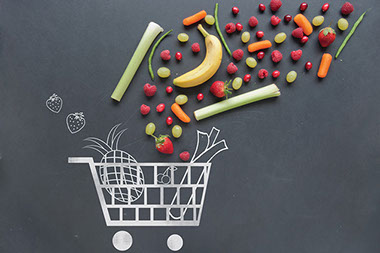
    Chalk drawing of shopping cart with fresh fruit above.

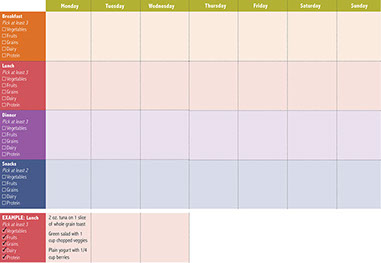
    Print this page or download the “Print on Demand” to map your meal plan.

    Chart to map your meal plan.

    © American Institute for Preventive Medicine