Author: AIPM

  • Review And Prepare 2

    Healthylife® Weigh

    Part 2
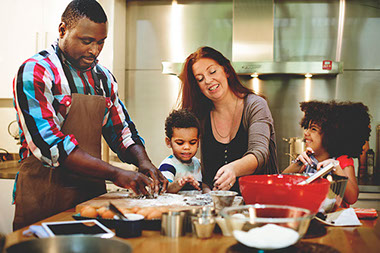
    Family cooking together in kitchen.

    This section covered a lot of nutrition information. Don’t worry if you aren’t ready to use all of it right away. The next section will help you form a plan and put this information into action. For now, choose one or two simple steps.

    Strategy

    *  I will eat the vegetables on my plate first.

    *  I will have a glass of water before each meal or snack.

    *  I will put 25% less food on my plate than I usually do.

    *  If I am full, I will stop eating, even if there is more food on my plate.

    *  I will eat something within two hours of waking up.

    *  I will choose low-fat dairy over full-fat options.

    *  I will drink one less sugar-sweetened beverage a day.

    *  I will not consume any sugar-sweetened beverages.

    *  I will choose to eat half my grains from whole grains every day.

    *  I will choose to fill half my plate with fruits and vegetables.

    Make a small change. Stick with it. It becomes routine. Add another small change. Stick with it. It becomes routine. You’ll get there.
    © American Institute for Preventive Medicine

  • Choose Your Fuel

    Healthylife® Weigh

    Part 2

    Top view of food on the dinner table with people sitting around the table eating.

    In this section, you will learn about the food groups that make up a healthy diet. Understanding the parts of a healthy diet can help you make nutritious choices for your meals and snacks. You don’t need to count calories or grams of nutrients to eat a balanced meal. In Part 2, you will learn:

    *  How to identify nutrient-dense foods that provide more nutrients per calorie (more bang for your buck!).

    *  How you can plan a snack or meal to help you feel full, satisfied, and help you get enough nutrients.

    *  How you can make healthy eating fun and tasty, even if vegetables or whole grains are not “your thing” yet.

    *  How you can make your favorite foods more nutritious.

    Remember, guidelines in this book are most effective if you practice them. Do the activities to apply what you learn to your daily life.

    Continue tracking. Studies have shown that people who keep a daily food log lose twice as much weight as those who keep no records.

    HealthyLife® Weigh

    QUICK LINKS: PART 2

    Choose a Variety of Foods

    How Much Energy Do I Need?

    MyPlate

    Plan a Balanced Day

    Tips for MyPlate

    Fruits & Vegetables

    Eat the Rainbow!

    Choose Fresh, Frozen, Canned, or Dried

    Add Fruits and Vegetables to Your Current Foods

    Have Fun with Fruits and Vegetables

    What’s in a Name?

    Variety BINGO

    Power of Perception

    Grains and Starches

    Protein

    Dairy

    Befriend Healthy Fats

    Limit Sodium

    Limit Added Sugars

    Estimate Serving Sizes

    Review and Prepare

    © American Institute for Preventive Medicine

  • Review And Prepare 3

    Healthylife® Weigh

    Part 3

    Hands cutting vetegables and preparing food.

    This section covered a lot of tips for planning healthy eating. It also covered how to make healthy choices in different environments. Answer the following:

    *  Name a new idea from this section that you have recently tried or are planning to try soon.

    *  What do you like about this idea? What would you change?

    *  What do you feel makes it hard for you to stick with new habits?

    The next section will talk about setting yourself up to succeed. Knowing what to eat is important, but training your mind to make healthy choices automatically can help make changes stick.

    © American Institute for Preventive Medicine
  • Make A Plan

    Healthylife® Weigh

    Part 3

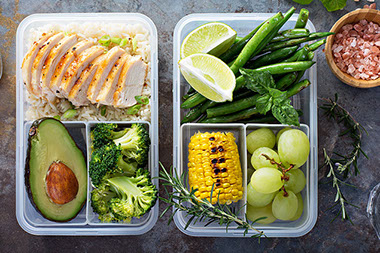
    Healthy green meal prep containers with rice and vegetables.

    You have learned how to make healthy choices within each food group. Now it’s time to form your personal plan of action. This section will help you:

    *  Strengthen your reasons for managing your weight.

    *  Plan your snacks and meals for a day.

    *  Design a week-long meal plan and grocery list.

    *  Modify recipes to match what you like and have available.

    *  Choose healthy foods at the grocery store, buffet, restaurant, and other places you eat.

    HealthyLife® Weigh

    QUICK LINKS: PART 3

    Changing is Your Choice

    Set Goals

    Meal Planning Basics

    MyPlate Choices for One Day

    Plan MyPlate

    Plan Time to Plan Meals

    Plan Your Week

    Modify Ingredients in Recipes

    Meal and Snack Ideas

    Picky Eaters

    Map Your Meal Plan

    Write a Grocery List

    Grocery Shop with Confidence

    Grocery Shopping with Kids

    Use Food Labels

    A Changing Food Label

    Ingredients List: What’s in This?

    Look Past Advertising

    Sodium in Packaged Foods

    Limit Artificial Sweeteners

    Sweet Sips, a Healthier Way!

    Master Food Prep

    Keep Food Safe

    Improve a Packaged Meal

    A Case for More Time in the Kitchen

    Eating at a Restaurant

    Fast-Food Restaurants

    Pack Travel Snacks

    Air Travel

    Avoid Drowsy Driving

    Coffee and Tea

    Sporting Events and Concerts

    Drink Water

    Limit Alcohol

    Quit Smoking

    Get Enough Sleep

    Review and Prepare

    © American Institute for Preventive Medicine
  • Review And Prepare 4

    Healthylife® Weigh

    Part 4

    Waitress delivering food to table.

    This section looked at ways to create a helpful physical, social, and mental environment. Designing helpful environments can make it easier to change behaviors. Answer these questions:

    *  What changes have you made to your physical environment (e.g., pantry, kitchen countertops, plate size)? How have these changes helped you make healthier choices?

    *  What changes have you made to your social environment (e.g., being assertive, changing social media habits)? How have these changes helped you make healthier choices?

    *  What changes have you made to your mental environment (e.g., banishing black and white thinking, saying nice things to yourself)? How have these changes helped you make healthier choices?

    The next section focuses on physical activity and how to fit it into your daily routine. Start to think about your favorite ways to be active.

    © American Institute for Preventive Medicine

  • Create A Helpful Environment

    Healthylife® Weigh

    Part 4

    Family mealtime at home.

    This section begins with a closer look at changing habits. Many of your actions each day-if not most of them-are controlled by habits. In times of stress or other times when your goals are not a top priority, you are likely to go back to old habits. Thus, establishing healthy habits is important for long-term success.

    Your environment cues many behaviors. This section will help you set up your environment to be helpful.

    *  Physical Environment. This includes your kitchen, dining area, desk drawer, and other places you store and eat food.

    *  Social Environment. This includes the people around you, people important to you (near and far), and social media. This section will also help you talk to others about your goals.

    *  Mental Environment. This includes the things you say to yourself. This also includes changing the unhelpful thoughts that get in the way of taking action.

    HealthyLife® Weigh

    QUICK LINKS: PART 4

    Build on Current Habits

    Keep Habits Rewarding

    Make Your Kitchen a Healthy Eating Zone

    Help Your Refrigerator Health You

    Join the Team: The Rest of Your Kitchen

    Alter Your Eating Cues

    Scramble Daily Behaviors

    The “Everything in Moderation” Trap

    When “Just a Little” Doesn’t Work

    Make Unhealthy Habits Less Convenient

    It Takes a Village

    Build Support at Home

    Build Support at Work

    Social Media for Support

    Support Isn’t Supportive

    Be Assertive

    Use the L.A.D.D.E.R. Technique

    Practice Assertiveness

    Unsupportive Situations

    Say Nice Things to Yourself

    Dispute Unhelpful Thoughts

    Rational Thinking

    Banish Black & White Thoughts

    Control Catastrophic Thinking

    Create Self-Enhancing Feelings

    The Power of a Phrase

    Review and Prepare

    © American Institute for Preventive Medicine
  • Review And Prepare 5

    Healthylife® Weigh

    Part 5

    Friends hiking through hills.

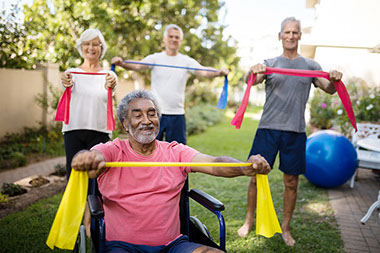
    This section guided you to make physical activity part of your daily life. Most importantly, this section encouraged you to look at why you are being active and how to have a healthy relationship with your body. Answer the following questions.

    *  How have you sat less and moved more this week?

    *  What changes are you making to how you exercise (e.g., adding variety to cardio activities, adding resistance training)?

    *  How are you managing time differently to have more time to be active?

    *  What is something amazing about what your body can do?

    The next section will help you manage emotional eating and be more mindful. Make sure you are pacing yourself through this guide. Take time to practice strategies and address unhelpful thoughts.

    © American Institute for Preventive Medicine

  • Be Physically Active

    Healthylife® Weigh

    Part 5

    Group of friends outside exercising.

    All physical activity has benefits for the body and mind. This section will help you find reasons to be active that go beyond weight management. This section will also help you to:

    *  Add variety to the physical activity you already enjoy.

    *  Value different types of activity that have different benefits.

    *  Make a plan to be more physically active.

    *  Manage time and other barriers to do physical activity.

    *  Develop a healthy relationship with your body.

    *  Appreciate what your body is capable of doing.

    HealthyLife® Weigh

    QUICK LINKS: PART 5

    Current Exercise Habits

    Find Reasons to Care About Physical Activity

    Mental Health

    Energy, Learning, Focus

    Physical Health

    Exercise and Sleep

    Reduce Sit-Time

    Do Activities You Enjoy

    Types of Physical Activity

    Cardio Training

    Resistance Training

    Stretching & Rehabilitation

    Yoga

    Massage

    Avoid Injury

    Appreciate the Journey

    Set Fitness Goals

    Plan Physical Activity

    Tackle Limitations

    Injury and Disability

    Manage Your Time

    Set Up for Success

    What Are You Waiting For?

    Responsibility for Change

    Create “If, Then” Plans

    Exercise and Eating

    Eating and Body Image

    How Do You View Your Body?

    Identify Disordered Eating

    Review and Prepare

    © American Institute for Preventive Medicine

  • Review And Prepare 6

    Healthylife® Weigh

    Part 6

    Friends having dinner at summer garden party.

    This section built on the tools you have been learning throughout this guide to manage emotional eating triggers. Stress, anxiety, boredom, and celebration can all trigger unhealthy eating behaviors. Answer the questions below.

    *  How do you know when you are physically hungry?

    *  What is the first thing you do when you realize your hunger is emotional?

    *  List relaxation strategies you have practiced this week. If you haven’t practiced any, pick one and do it now.

    *  How has addressing, rather than brushing aside, emotions helped you this week?

    The next section will help you maintain weight loss, overcome plateaus, and connect to weight management in long-lasting and meaningful ways.

    © American Institute for Preventive Medicine
  • Break Through Emotional Eating

    Healthylife® Weigh

    Part 6

    Variety of ice cream cones.

    Hunger is not always a drive to fulfill a physical need. Sometimes, eating is due to stress, anxiety, or celebration. Emotions can be triggers for overeating or making less healthy choices. This section will help you:

    1. Determine if your hunger is physical or emotional.

    2. Identify and cope with emotions that prompt you to eat when you are not hungry.

    3. Be mindful in daily life.

    4. Give you more tools for managing stress.

    HealthyLife® Weigh

    QUICK LINKS: PART 6

    Physical vs. Emotional Hunger

    Self-Discovery: Hunger

    Feeling Full

    Identify Emotions that Prompt You to Eat

    When Something is Bothering You

    Help! I Just Ate Half a Cake!

    Relaxation Techniques

    Relaxation Reflex

    Mindfulness

    Deep Breathing

    Address Anger

    Address Boredom

    Seek Downtime Daily

    Address Depression

    Address Anxiety

    Plan Problem-Solving

    Address Insecurity

    Manage Stress

    Add a Stress-Busting Food to Your Day

    Tips for Healthy Celebration

    Relieve the Pressure

    Review and Prepare

    © American Institute for Preventive Medicine