Author: AIPM

  • What’s In A Name?

    Healthylife® Weigh

    Part 2

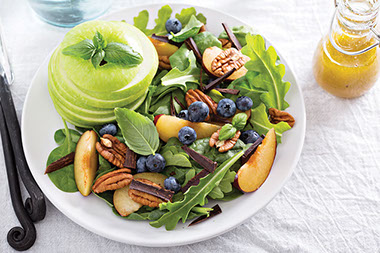
    Colorful salad with green apples, blue berrties, and walnuts.

    What’s for dinner? How you describe food to yourself and others matters. This helps you know what tastes to expect. This also helps you judge the quality of food and whether it will satisfy you. You often find this level of detail and flair in recipes and high-end restaurant menus!

    Here are a few examples:

    *  Green beans: Slender string beans drizzled with olive oil and parmesan

    *  Yogurt and blueberries: Juicy, market-fresh blueberries resting on a pillow of creamy vanilla bean yogurt

    Try it! Write out a menu for yourself that describes your food in a fancy or enticing way. Try this for two vegetables and one fruit. Make and eat one of these this week.

    © American Institute for Preventive Medicine

  • When Support Isn’t Supportive

    Healthylife® Weigh

    Part 4

    Senior couple eating pizza and laughing.

    Not everyone may be happy you are trying to lose weight. What you are eating may not be what they are eating. Or, they may feel attention is being placed on their own unhealthy habits.

    Be careful how many times you bring up your efforts to manage your weight and change your eating habits. Avoid making others feel guilty for their choices. Everyone has their own goals and struggles.

    People may say and do things that make it difficult for you to stick to your plan. There are positive ways to respond to this that won’t leave you feeling stressed or guilty. Stress and guilt make it harder to digest food.

    Which statements or situations below have you heard before (or something like it). Think about how you have responded in the past.

    *  “One piece of chocolate cake won’t hurt you.”

    *  “I made it just for you.”

    *  “What’s the matter? Don’t you like it?”

    *  “I’m really in the mood for pizza. Let’s split one!”

    *  “You’ve been on every diet there is. You’re not going to succeed on this one either.”

    *  Someone puts your favorite high-calorie food right in front of you.

    *  Someone complains when you serve foods that are healthier than they are used to.

    *  Someone asks you to do something during planned physical activity time.

    *  “You look great! You don’t need to change anything you’re doing!”

    © American Institute for Preventive Medicine

  • Write A Grocery List

    Healthylife® Weigh

    Part 3

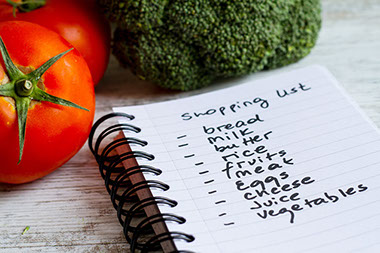
    Shopping list of groceries.

    1. Look at your weekly menu. Make a list of all of the ingredients you will need. Calculate how much you will need for the week. Example:

    *  2 oz. chicken breast x 5 meals = 10 oz. chicken breast

    *  2 cups greens x 3 meals = 6 cups greens

    2. What do you already have? Cross off what you don’t need to buy.

    3. On a fresh piece of paper, make a list of the ingredients you need to buy. Organize by section of the store to save time shopping.

    *  Fresh Fruits & Veggies

    *  Whole Grains (e.g., bread, pasta, rice, cereals), Beans & Lentils

    *  Meat/Poultry/Seafood/Tofu

    *  Misc. Aisles: Canned vegetables and fruits, nuts & seeds, dried fruit, oils

    *  Frozen Fruits & Veggies

    *  Dairy/Eggs

    Family Fun: Have your children help you write the grocery list each week. Practice math skills by adding the amounts you need for each item. Invite children to add a fruit or vegetable of their choice to the list. Have older children select a recipe and add ingredients to your list.

    © American Institute for Preventive Medicine

  • Yoga

    Healthylife® Weigh

    Part 5

    Senior women doing yoga.

    Yoga is excellent for improving flexibility, relaxation, and stress reduction. Find a good instructor who can modify yoga to suit your individual needs. Develop your skills slowly. You can also find free yoga resources online or at your library. Watch YouTube videos or DVDs for demonstrations of movements.

    © American Institute for Preventive Medicine

  • 10 Dental Problems And What To Do About Them

    SELF-CARE CORNER

    Image of dentist.

    1.Bad breath:For fresh breath, brush twice a day, floss daily, drink plenty of water, see your dentist regularly, and don’t smoke. If bad breath persists, talk to your dentist or doctor.

    2.Tooth decay:When cavities are left untreated, they can get worse and lead to infections and loss of teeth. Get cavities filled quickly to prevent more extensive dental work and serious health problems.

    3.Gum disease:Without treatment, gum disease gets worse and can lead to tooth loss. Symptoms include bleeding, swollen, tender, and red gums, but it often has no signs in the early stages.

    4.Stained teeth:Some medications, foods, and drinks can yellow or discolor teeth. Many dentists offer whitening treatments that can help.

    5.Mouth sores:A salt water rinse can help with canker sores or irritation from braces or other dental appliances. But, if sores last a week or more, your dentist should take a look.

    6.Tooth sensitivity:Special toothpaste or dental procedures, such as crowns, can help relieve sensitivity to hot or cold. Look for the ADA (American Dental Association) seal of acceptance on products before buying.

    7.Enamel erosion:Acidic foods and drinks can wear away at the tooth’s protective enamel over time. This can lead to tooth sensitivity and discoloration. Drinking water and milk instead of soda can help avoid this problem.

    8.Wisdom teeth:Third molars, or wisdom teeth, often need to be removed during the teen or young adult years. If the jaw doesn’t have enough space for them, they can crowd or damage the other teeth.

    9.Oral cancer:Cancer of the mouth, lips or gums affects about 50,000 Americans every year. Symptoms may include sores, patches, lumps, or pain in the mouth. If you notice any of these signs, contact your dentist or doctor.

    10.Teeth grinding:Teeth grinding can lead to cracks and damage to the teeth enamel. A special guard made by your dentist can help protect your teeth. Beware of mouth guards sold over the counter as they can fit improperly and become a choking hazard when you sleep.

    Even if you don’t have any tooth pain or other symptoms, it’s important to see your dentist every six months. Regular checkups with your dentist can prevent or treat these problems so you can keep a healthy, bright smile for life.

    Sources: American Dental Association, Oral Health Foundation
    © American Institute for Preventive Medicine

  • 10 Habits For Healthy Weight

    SELF-CARE CORNER

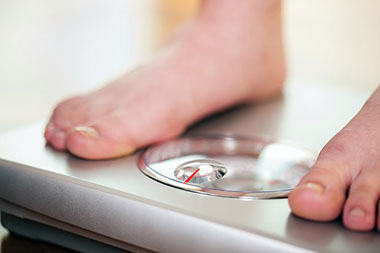
    Image of feet on a scale.

    1.  Drink more water. Staying hydrated can give you more energy to be active.

    2.  Don’t drink soda. Sugary drinks add extra calories and no nutrition. Try to cut back or skip them all together.

    3.  Get exercise. Don’t worry about getting exercise every single day. If you miss a day or two, start again. Don’t give up.

    4.  Eat more fruits and vegetables. Replace high-calorie foods like French fries, potato chips or processed foods with fresh or frozen fruits and veggies.

    5.  Focus on sleep. Being rested helps control hunger and may help you prevent weight gain.

    6.  Eat only when hungry. Treats are tempting but save them for special occasions.

    7.  Control food portions. Start with small amounts of food on your plate and eat slowly. Then, go back for more food only if you’re still hungry.

    8.  Keep a food diary. Write down everything you eat. This may help you understand where you could make better food choices. You can also use an app on your phone or computer to do this.

    9.  Don’t eat in front of the TV. Instead, eat without distractions at a table. This can help you avoid mindless overeating.

    10. Try strength training. Exercises like leg lifts and push-ups build muscle. This helps you burn more calories, even while resting.

    Look for more healthy, proven ways to lose weight atwww.familydoctor.org. This website has advice on healthy food choices, exercise basics, and more.

    © American Institute for Preventive Medicine

  • 10-Minute Workouts:Do They Work?

    BE FIT

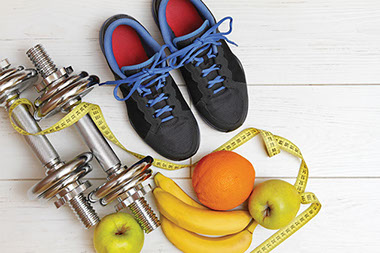
    Image of athletic shoes, weight, and fruits.

    When it comes to exercise, any amount is better than none. The National Institutes of Health recommends at least 30 minutes a day most days of the week. But, this amount is hard for many people to fit into their day. What if you could get healthier with less exercise? Some research suggests that even a few minutes of exercise each day is helpful.

    A study published in the Journal of the American Medical Association says just 72 minutes of exercise a week improves fitness and health. This is just over 10 minutes a day. They found that people who did this amount were healthier after six months than those who didn’t exercise at all.

    Obviously, the more exercise you can do, the better. But, if you’re short on time, you can still get healthier with the time you have. Try to set aside 10 minutes a day for fitness. You may find that it boosts your energy levels, helps you sleep better, and makes you feel healthier.

    Get started today with your 10-minute workout:

    *  Ask your doctor. Before you start any exercise program, talk to your doctor. There may be certain exercises that aren’t right for you.

    *  Make it count. If you’re only going to exercise for 10 minutes, try to make it a harder workout, but still within your fitness level. Don’t overdo it but be sure to increase your heart rate.

    *  Do it often. Do your 10-minute workout as frequently as you can to help boost your fitness level.

    *  Alternate muscle groups. Work leg muscles one day and arm muscles the next day. This gives your muscle groups time to rest between workouts.

    Don’t get discouraged if you’re not exercising 30 minutes a day. Just make exercise a part of your life in a way that fits your schedule!

    © American Institute for Preventive Medicine

  • 10 Tips To Lower Your Risk For Colorectal Cancer

    SELF-CARE CORNER

    Image of older women smiling.

    UCLA experts encourage you to protect your colon health:

    1. Get regular colorectal cancer screenings starting at age 50 if you are at normal risk.

    2. Talk to your doctor about screenings before age 50 if you are at higher risk. This could be due to a personal or family history of colorectal cancer, other cancers or inflammatory bowel disease.

    3. Eat between 25 and 30 grams of dietary fiber each day. Fiber is in fruits, vegetables, whole-grain breads and cereals, nuts, and beans.

    4. Eat a low-fat diet. Colorectal cancer has been associated with diets high in saturated fat.

    5. Eat foods with the B-vitamin folate. Good sources are leafy green vegetables.

    6. Drink alcohol in moderation and quit smoking. Alcohol and tobacco in combination are linked to colorectal cancer and cancers of the stomach and intestines.

    7. Exercise for at least 20 minutes 3 to 4 days a week.

    8. Report to your doctor any persistent symptoms  such as:

    * Blood in the stool

    * A change in bowel habits

    * Weight loss

    * Narrower-than-usual stools

    * Abdominal pains or other gastrointestinal complaints

    9. Maintain a healthy weight.

    10. Get more information atwww.cancer.org(the American Cancer Society website).

    © American Institute for Preventive Medicine

  • 10 Ways To Avoid Holiday Weight Gain

    HEALTHY EATING

    Image of women wearing a santa hat while taking her waist measurement.

    It can be especially hard to avoid extra pounds when there’s holiday food everywhere you turn. Stick to the basics of healthy eating so you can make it to the new year without regrets.

    1.Drink more water:Drinking water before you eat may help you feel fuller and eat less.

    2.Skip the soda, hot cocoa and high-sugar coffee drinks:Replacing sugary drinks with water can help you lose weight.

    3.Get exercise:Even just a few minutes a day has health benefits and can help you burn calories.

    4.Eat fruits and vegetables:These foods are generally packed with nutrition and low in calories.

    5.Get enough sleep:Lack of sleep can cause more cravings for unhealthy foods.

    6.Listen to your body:Stop eating when you start to feel full, not when you’re stuffed.

    7.Start with small portions:Start with smaller amounts of food on your plate, and wait to see if you need more later.

    8.Keep a food diary:This helps you get a clear picture of what you’ve eaten.

    9.Don’t eat and watch TV:This can lead to mindless eating and consuming too many calories.

    10.Build muscle:Muscles help your body burn more calories, even when resting.

    © American Institute for Preventive Medicine