Author: AIPM

  • 4 Steps To Prevent Colorectal Cancer

    MEDICAL NEWS

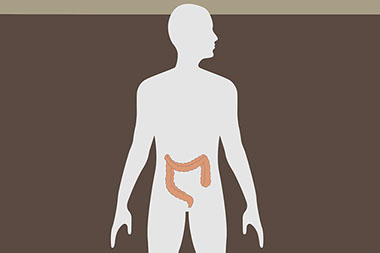
    Illustration of a colon.

    Colorectal cancer is the second leading cancer killer in our country. It takes the lives of about 50,000 people each year, according to the Centers for Disease Control and Prevention.

    Many of these deaths, however, could be prevented. Here’s what you need to know:

    1.Take care of your heart.Avoiding colorectal cancer is like getting a two-for-one deal. If you follow a heart-healthy lifestyle, you’ll also be lowering your risk of colorectal cancer. Don’t smoke, get regular exercise, and lose weight if you’re overweight. Limit red meat to no more than two servings per week. Finally, drink no more than one alcoholic drink per day for women, or two drinks per day for men.

    2.Know the symptoms.Signs of colorectal cancer usually include blood in your stool or stomach pain that doesn’t go away. See your doctor if you notice these signs.

    3.Find out your family history.If you have a close blood relative with the disease, you may be at a higher risk of getting it. Talk with your doctor about your risk.

    4.Get screened.Tests include stool blood tests that you do at home, sigmoidoscopy, and colonoscopy. Follow your doctor’s advice for screening tests and how often you need them. If you are at normal risk, begin screenings at age 50 and have them up to age 75. If you have risk factors for or a family history of colon polyps or colon cancer, you may need tests sooner and more often. During a colonoscopy, polyps can be removed before they turn into cancer. Screenings can save your life!

    © American Institute for Preventive Medicine

  • 4 Warning Signs Of Teen Depression

    SELF-CARE CORNER

    Image of teen girl depressed.

    Withdrawn. Irritable. Sleepy. This could describe almost any teenager, but these are also symptoms of teen depression.

    Teen depression sometimes gets overlooked because it doesn’t always look like depression in adults. For example, sadness is a core feature of most depression and what most people associate with depression, according to Dr. Ken Duckworth, medical director of the National Alliance on Mental Illness. Many teens also experience other symptoms-parents might miss these warning signs.

    1.Sleep disturbance.“Many adolescents sleep until noon on a Saturday, but if you notice a change in their sleep or their sleep is irregular even more than before, that’s something to worry about,” Dr. Duckworth says.

    2.Social changes.“Adolescents are typically very focused on social connections,” he says. “If they’re not interested in their social network and they want to quit sports, pay attention to that.”

    3.Physical symptoms.Some teens demonstrate their emotional distress through physical symptoms, such as headaches, stomach aches, weakness, and body aches.

    4.Substance abuse.Some depressed teens use drugs and alcohol to change how they’re feeling. Abusing drugs and alcohol also increases the risk for depression or worsening depression.

    © American Institute for Preventive Medicine

  • 4 Ways To Help Others With Diabetes

    MEDICAL NEWS

    Image of man holding a sign that says 'sugar free.'

    Diabetes affects millions of Americans. Although diabetes can be challenging, it can also be managed with proper health care.

    People with diabetes often need to change the way they eat and may need to exercise more and make other lifestyle changes. These changes can be hard for many people. But support from family and friends can make these things easier for them.

    If you have a loved one with diabetes, try supporting them with these tips.

    1.Learn about diabetes.If you understand the disease, you’ll be able to better understand what they’re going through. Use reputable sources like government health websites and the American Diabetes Association.

    2.Eat what they eat.Talk with your loved one about their diabetes eating plan, and buy foods they can eat. Avoid buying or eating foods that are “off limits” for them. This makes their diet easier and can also help improve your own health!

    3.Try exercising together.Walks, swimming, bike rides and trips to the gym can be more enjoyable with another person. Be sure the exercises you choose are safe for both of you, and ask your doctor first if you have any health conditions.

    4.Recognize signs of a problem.Get to know the signs and symptoms of blood sugar that is too high or too low (see sidebar on this page). You’ll be able to help your loved one get the help they need if this happens.

    Recognize blood sugar problems

    Signs of low blood sugar (hypoglycemia):

    *  Sudden mood changes or anger

    *  Feeling very tired, yawning

    *  Sweating or twitching

    *  Loss of coordination

    *  Inability to talk or think clearly

    *  Seizures

    *  Feeling faint or passing out

    If you notice signs of low blood sugar, offer the person a piece of sugary candy and take them to the emergency room. Or call 911.

    Signs of high blood sugar (hyperglycemia):

    *  Feeling very thirsty

    *  Extreme fatigue

    *  Blurred vision

    *  Having to urinate more than normal

    If a person is having high blood sugar too often, they should call their doctor right away. It needs medical attention.

    © American Institute for Preventive Medicine

  • 5 Must-Ask Questions For Your Next Checkup

    SELF-CARE CORNER

    Image of doctor and patient with thumbs up.

    Got a checkup coming up? Don’t let your doctor do all the talking. Speak up – and ask these important questions to get the most out of your visit. If you don’t understand an answer, always ask him or her to clarify. Your doctor wants to be sure you leave the office knowing how to get – or stay – healthy.

    Are there any vaccines I should get?

    Vaccines aren’t just for kids. Many important vaccines are

    given in the adult years, including:

    *  Influenza (flu)

    *  Tdap (tetanus, diphtheria, and pertussis)

    *  Shingles

    *  Pneumococcal (Pneumovax or Prevnar 13)

    *  Measles, mumps, rubella (MMR)

    The vaccines you need will depend on your age and health status. Your doctor is the best person to help you get fully protected from many diseases.

    Do you have my most recent family history?

    Tell your doctor if you have a family member with health conditions. This history helps you and your doctor think about what health conditions could affect you in the future. Catching problems early boosts your chances of successful treatment.

    Am I due for any cancer or health screenings?

    Your age, gender, family history, and current health all play a role in what tests you may need. High cholesterol, high blood pressure, depression, certain cancers, and diabetes are just a few of the conditions that can be found through preventive care.

    What can I do to feel my best?

    Whether it’s quitting smoking, weight loss, stress management, or other health tips, ask your doctor about your health concerns. Even if you’ve tried in the past to manage these issues, your doctor may have some fresh ideas or tips that could help. Or, if you’re feeling great and in excellent health, talk about ways you can maintain healthy habits in the months and years ahead.

    When should I have my next doctor’s visit?

    Follow-up visits may be needed if you’re managing certain health problems like diabetes or high blood pressure. Even if you don’t have health issues, regular checkups are important. Your doctor can tell you when you should come back for your next visit based on your age and any health concerns.

    Sources: Centers for Disease Control and Prevention, U.S. Department of Health and Human Services

    © American Institute for Preventive Medicine
  • 5 Numbers You Need To Know By Heart

    SELF-CARE CORNER

    Close-up image of doctor's hand holding a green apple.

    Pass codes, phone numbers, social security numbers, clothing sizes and addresses. We all have a lot of numbers in our heads, but heart experts at The Ohio State University Wexner Medical Center say there are 5 more numbers you need to know. These are the numbers your doctor will use to assess your risk for getting heart disease.

    1.Blood pressure.This is the force of blood against the walls of the arteries. It’s measured as two numbers-the systolic pressure, as the heart beats, over the diastolic pressure, as the heart relaxes between beats. A normal blood pressure is under 120/80. Talk to your doctor if it is higher than that. Simple lifestyle changes can help you lower your blood pressure and potentially avoid taking medication.

    2.BMI.This measures your weight for your body surface area. It is used as a reliable indicator of body fatness for most people. Use an online calculator to assess your risk. Search for “BMI” atwww.nhlbi.nih.gov.

    3.Waist circumference.Fat that is carried around the abdomen increases the risk of heart disease and type 2 diabetes. Measure your waist at the belly button, not where your clothing waistband sits. Women should be less than 35 inches and men should be less than 40 inches at the waist.

    4.Cholesterol.While the body makes all of the cholesterol it needs, it is also found in animal sources of food. High cholesterol can lead to heart disease and build-up of plaque in the arteries. Know your total cholesterol number and your low-density lipoprotein, or LDL, number. That’s the bad cholesterol that can cause problems. A healthy cholesterol number is below 200. A healthy LDL number is below 130, 100, or 70 depending on your heart disease risk.

    5.Blood sugar.This reading tells doctors how much glucose is in the blood. High levels of blood glucose cause diabetes, which increases the risk for cardiovascular disease. A healthy fasting blood sugar number is under 100 after not eating for 8 hours.

    © American Institute for Preventive Medicine

  • 5 Reasons You Need Fat In Your Diet

    HEALTHY EATING

    Image of avocado.

    Energy:

    Fat provides a highly concentrated form of energy. One gram of fat gives you 9 calories of energy, which is over twice that provided by carbohydrates or protein.

    Organs need a cushion:

    A cushion of fat helps protect organs from injury and holds them in place.

    Cell structure:

    Whether it is hair, skin, or eyes, fats make up part of the membrane that surrounds each cell of the body, and without them the rest of the cell can’t function.

    Immune function:

    Without good fats in our diet, immune function becomes partially impaired and our bodies are susceptible to foreign invaders such as bacterial and viral infections.

    Nutrient transport:

    Vitamins A, D, E, and K are fat-soluble vitamins and need fat to help the body transport, store, and absorb them.

    © American Institute for Preventive Medicine

  • 5 Things To Know About Lung Cancer

    MEDICAL NEWS

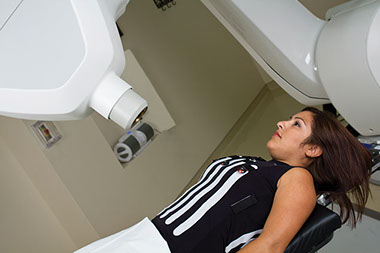
    Image of women getting a lung scan.

    Lung cancer is the country’s leading cause of cancer death. Many of the 160,000 deaths from lung cancer in the U.S. can be prevented. Dr. Bruce Johnson, the director of the Lowe Center for Thoracic Oncology at Dana-Farber Cancer Institute, sorts out the facts about lung cancer and offers simple ways to reduce risk.

    1. Lung cancer targets more than just smokers. The greatest risk factor for lung cancer is smoking, but nonsmokers can also develop lung cancer. About 10 to 15 percent of lung cancer cases occur in nonsmokers, many of them women.

    2. Know the warning signs. They can be subtle but symptoms to be aware of include a cough that does not go away, shortness of breath, back and shoulder pain, and coughing up blood. This could be a sign of something serious and should be discussed with a doctor.

    3. It’s never too late to quit smoking. People who stop and remain a nonsmoker for at least 10 to 20 years can cut their risk of developing lung cancer by 50 to 75 percent.

    4. CT screenings can save lives. Lung cancer can be difficult to detect and, until recently, there has not been a good screening test. But results from the National Lung Screening Trial suggest that screening high-risk people with low-dose CT scans can detect tumors at an earlier stage, resulting in improved lung cancer survival. Screening is currently recommended for people who are between the ages of 55 and 74 and who have smoked a pack a day for 30 years and quit fewer than 15 years ago.

    5. New therapies show promise. Thanks to advances in the last decade, new targeted therapies offer more treatment options for patients.

    © American Institute for Preventive Medicine