Author: AIPM

  • 5 Things To Know About Yoga

    BE FIT

    Image of women in yoga position.

    Yoga typically combines physical postures, breathing exercises, and meditation or relaxation. Researchers are studying how yoga may be used to help improve health and to learn more about its safe use. If you’re thinking about practicing yoga, here are 5 things you should know from the National Center for Complementary and Alternative Medicine:

    1. Studies suggest that yoga may be beneficial for a number of conditions. Recent studies in people with chronic low-back pain suggest that a carefully adapted set of yoga poses can help reduce pain and improve function. Other studies also suggest that practicing yoga (as well as other forms of regular exercise) might have other health benefits such as reducing heart rate and blood pressure, and may also help relieve anxiety and depression.

    2. Research suggests that yoga is not helpful for asthma, and studies looking at yoga and arthritis have had mixed results.

    3. Yoga is generally considered to be safe in healthy people when practiced appropriately. However, people with high blood pressure, glaucoma, or sciatica, and women who are pregnant should modify or avoid some yoga poses.

    4. Practice safely and mindfully. Everyone’s body is different, and yoga postures should be modified based on individual abilities. Inform your instructor about any medical issues you have, and ask about the physical demands of yoga.

    5. Talk to your doctor about any complementary health practices you use, including yoga. Give them a full picture of what you do to manage your health. This will help ensure coordinated and safe care.

    © American Institute for Preventive Medicine
  • 5 Ways To Feel Fuller, Longer

    HEALTHY EATING

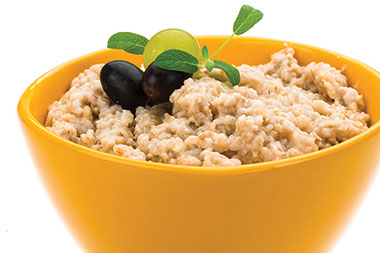
    Image of a bowl with oatmeal.

    Want to feel full without overeating?Certain nutrients and foods may help curb your appetite and make you feel fuller longer, according to the Institute of Food Technologists.

    1. Protein

    Add protein (such as low-fat cheese) to breakfast. And a high-protein afternoon snack containing soy can lead to appetite control and less evening snacking.

    2. Whole grains and fiber

    Oats increased appetite-control hormones up to  4 hours after a meal, but rice-based foods did not.

    3. Eggs

    Eggs are one of the densest proteins in the non-meat category. Eating one egg with breakfast will help to reduce hunger between meal times.

    4. Almonds

    The healthy fats in almonds decrease hunger and improve dietary vitamin E intake. People who ate 1.5 oz. of dry-roasted, lightly salted almonds every day helped curb their hunger without increasing body weight.

    5. Pulses

    Part of the legume family, pulses include dried peas, edible beans, lentils, and chickpeas. They are high in protein and low in fat, and are proven to contribute to a feeling of fullness.

    © American Institute for Preventive Medicine

  • 5 Ways To Fight Childhood Obesity

    FAMILY LIFE

    Image of boy with a glass of milk and an apple.

    Parents should set the example and be persistent, said Dr. Felipe Lobelo, who specializes in nutrition, physical activity, and obesity at the CDC.

    1.Eat more fruits and vegetables.Serve vegetables your kids are most likely to eat.

    2.Spend less time in front of a screen.Place limits on the amount of time kids spend in front of a TV or computer-no more than 2 hours a day is a good guide.

    3.Exercise more.Just play outside for at least an hour a day.

    4.Eliminate sugary drinks.Avoid soft drinks, juices, and energy drinks. Encourage kids to drink water.

    5.Set the example.Good eating habits start at home.

    © American Institute for Preventive Medicine

  • 5 Ways To Make It A Healthy Work Day

    WORK LIFE

    Image of a healthy lunch.

    Are you looking for ways to be your best at your job? No matter what kind of work you do, you can improve your overall health and productivity with some simple, everyday habits.

    Get enough sleep.

    The National Heart, Lung, and Blood Institute says getting the right amount of rest helps you both physically and mentally. It boosts your energy and improves your immune system. It may also lower your risk of heart disease, diabetes and stroke. It helps you think, learn, react and deal with stress and anxiety. Aim for seven to nine hours of sleep each night.

    Stay hydrated.

    Drinking enough water is important for any job – whether you sit or stand at a desk, or you’re lifting and moving throughout your day. When you are even slightly dehydrated, you can feel sluggish and you may struggle with problem-solving. If possible, take sips from a water bottle as you go through your day. The color of your urine can tell you if you’re staying hydrated. It should be colorless or light yellow, according to The American Academy of Family Physicians.

    Pack healthy snacks & lunches.

    Eating fresh fruits, vegetables, whole grains and lean protein can give you energy as you move through your day. Don’t choose unhealthy processed foods or fast food. Pack a healthy lunch the night before work, so you can just grab it and go in the morning.

    Wash your hands often.

    Areas in your workplace can be hot spots for germs that can make you sick. Wash your hands with soap and water after using the restroom, before eating, and after touching shared surfaces, such as door handles and computer keyboards. If someone around you is ill, avoid contact with them and be extra diligent about washing your hands.

    Get up & move.

    Avoid sitting at a desk all day without getting some physical activity. Get up and stretch when possible such as during a long conference call. If you get a lunch break, consider taking a 10-minute walk. This can energize you and help you cope with a stressful day.

    © American Institute for Preventive Medicine

  • 5 Ways To Tell Your Heart, ‘I Love You’

    MEDICAL NEWS

    Image of mother and daughter making a heart with their hands.

    You can love your heart, not just during heart month, but all year long. Let’s count the ways with Lori Daniels, MD, cardiologist at the University of California, San Diego Medical Center. She offers 5 easy ways, especially for people with heart disease, to love their hearts throughout the year.

    1.One crème brulee = 5 miles.Research shows a direct link between obesity and increased heart disease. One way to keep your weight down is to reduce the number of calories you take in and increase the number of calories you burn. So before diving into a crème brulee or double chocolate sundae, find out how many calories the dessert contains. Then determine how many miles you would need to walk to burn the calories off. On average, 100 calories are burned walking 1 mile. Is one dessert worth a 3-mile trek? You decide.

    2.Laminate.Keep an up-to-date list of medications and doctors’ contact info in your bag and car glove compartment. In an emergency, this will serve as a quick and easy reference for family and medical personnel. Be sure to share this list with friends and family before traveling in case you need to fill a prescription or get medical attention.

    3.One aspirin, crushed.Keep a supply of aspirin handy. If you have heart disease, you may already be taking some form of aspirin every day at any time you choose. If you or a friend believes you are suffering the onset of a heart attack, take either 1 adult or 2 baby aspirin. Instead of swallowing the pill whole, crush it first so that the aspirin is more rapidly absorbed into your body.

    4.Avoid salt of all colors.You may be able to greatly lower your blood pressure by reducing the sodium (salt) in your diet. Be aware that white table salt is just one form of sodium in your kitchen. Other culprits with high sodium content come in black (soy and teriyaki sauce), yellow (mustard), pink (lunch meats) and brown (canned soups and gravies.) Check the sodium content before eating a processed product. If you dramatically reduce your intake of sodium, you might, under your doctor’s care, be able to stop taking some blood pressure medications.

    5.Sunday night, count them out.Whether you take blood pressure medicine, cholesterol drugs or any other prescription or supplement, try this. Instead of managing many pill bottles, manage one pill box. Almost every pharmacy sells pill boxes marked with the days of the week. Every Sunday night, fill up one weeks’ worth of pills. Reduce the time you spend counting your prescriptions to 4 times a month instead of 30. And you’ll be able to keep track of whether you took your medicine each day.

    © American Institute for Preventive Medicine

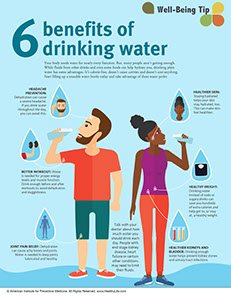
  • 6 Benefits Of Drinking Water

    WELL-BEING

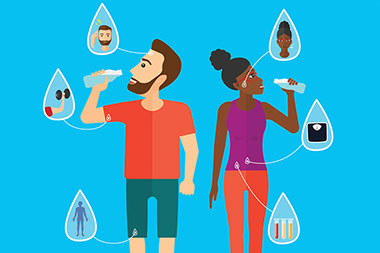
    Illustration of drinking water and it's benefits.

    Your body needs water for nearly every function. But, many people aren’t getting enough. While fluids from other drinks and even some foods can help hydrate you, drinking plain water has some advantages. It’s calorie-free, doesn’t cause cavities and doesn’t cost anything. Start filling up a reusable water bottle today and take advantage of these water perks:

    Headache prevention:Dehydration can cause a severe headache. If you drink water throughout the day, you can avoid this.

    Better workout:Water is needed for proper energy levels and muscle function. Drink enough before and after workouts to avoid dehydration and sluggishness.

    Joint pain relief:Dehydration can cause achy bones and joints. Water is needed to keep joints lubricated and healthy.

    Healthier skin:Staying hydrated helps your skin stay hydrated, too. This can make skin feel healthier.

    Healthy weight:Drinking water instead of soda or sugary drinks can save you hundreds of extra calories and help get to, or stay at, a healthy weight.

    Healthier kidneys and bladder:Drinking enough water helps prevent kidney stones and urinary tract infections.

    Talk with your doctor about how much water you should drink each day. People with end stage kidney disease, heart failure or certain other conditions may need to limit their fluids.

    © American Institute for Preventive Medicine

  • 6 Reasons To Eat Oranges Daily

    HEALTHY EATING

    Image of an orange.

    1. Vitamin C

    One large orange gives you 130 percent of your daily need for vitamin C. This vitamin helps boost immunity and fight cancer.

    2. Fiber

    One sweet, juicy orange delivers 4 grams of fiber. Fiber helps with digestion and may help prevent heart disease and some cancers.

    3. Minerals

    Oranges also contain important minerals such as calcium, magnesium, copper, phosphorus and potassium. These minerals are important for immune health, nervous system and muscle function, and many other body processes.

    4. B vitamins

    Oranges contain several of the B vitamins, which help the body’s cells work properly and provide you with energy.

    5. Calorie-Friendly

    One orange is a lower calorie option to satisfy your craving for something sweet.

    6. Phytochemicals

    Oranges contain hundreds of these plant chemicals that support many metabolic functions in the body.

    Sources: United States Department of Agriculture, National Institutes of Health

    © American Institute for Preventive Medicine

  • 6 Simple Steps To A Healthier Marriage

    FAMILY LIFE

    Image of young smiling couple sitting against a wall.

    Having a healthy, supportive marriage is important to your overall well-being. But the stresses of life, work, family, and day-to-day problems can put a strain on even the best marriage at times.

    Fortunately, there are some ways you can help keep your marriage strong – or work on problems before they become major issues. Here are some tips from the National Healthy Marriage Resource Center:

    1. Make every effort to keep your commitment.

    Marriage will have “good times and bad,” and you need to realize that challenges will happen. The key is to work through them and be aware that everyone has disagreements and difficulties. No marriage is perfect, but with extra effort from both partners, you can make yours last.

    2. Make time for each other.

    Even when you’re overwhelmed with work, children, or other tasks, don’t forget about your marriage. Set aside time for a dinner alone or even a weekend getaway if you can. If that’s not possible, have 15 to 30 minutes of time to talk and connect each day – without TV or cell phones.

    3. Have a sense of humor.

    Life’s little mishaps are easier to take when you can laugh at them. Mistakes that don’t really hurt anyone don’t have to turn into arguments. Don’t focus on who’s to blame. Laugh at it if you can, and work on a solution together. Forgive your spouse (and yourself!) and try to find the humor in the situation.

    4. Communication is key.

    This is an important aspect of any marriage. Talk about what’s bothering you – and what you love. Listen to what your spouse is saying, and don’t be quick to defend yourself. No one has to “win” an argument. If you both listen and respect each other, a solution or compromise can usually be found.

    5. Do “little” things for your spouse.

    Make a favorite meal for the other person, do the dishes without being asked, or leave a love note. These small things can add up to big happiness. Just showing your spouse that you care about him or her will help build your marriage each day.

    6. Choose your battles.

    Before you get angry about something, ask yourself if it’s worth an argument. If it’s important to you, approach the subject calmly and be honest. If not, take a deep breath and focus your energy on better things.

    Marriage isn’t always easy, but working to keep it strong and healthy can have big payoffs. People in healthy marriages have better mental health and may even live longer. Give your marriage the attention it deserves, and you’ll both enjoy the benefits.

    © American Institute for Preventive Medicine

  • 6 Steps To Reduce Your Risk For A Stroke

    SELF-CARE CORNER

    Image of an older couple stretching before a workout.

    According to the World Stroke Organization, you can take these 6 steps to reduce your risk of stroke-a blockage or bleeding in your brain:

    1. Know your personal risk factors: high blood pressure, diabetes, and high blood cholesterol.

    2. Be physically active and exercise regularly.

    3. Avoid obesity by keeping to a healthy diet.

    4. Limit your alcohol intake.

    5. Avoid cigarette smoke. If you smoke, seek help to stop.

    6. Learn to recognize the warning signs of a stroke: a sudden numbness, especially on one side of the body; sudden trouble speaking or seeing; loss of balance; and a sudden severe headache with no apparent cause.

    Stroke is a call-911 medical emergency!

    © American Institute for Preventive Medicine
  • 6 Things To Know Before Taking Any Medicines

    SELF-CARE CORNER

    Image of women reading medication information.

    The Centers for Disease Control and Prevention (CDC) says that adverse drug events (ADEs) are a serious public health problem. An ADE is when an injury occurs after taking medicine. With 82 percent of Americans taking at least one medication, ADEs could happen to almost anyone.

    ADEs can be serious, and even deadly. They may include:

    *  Side effects from a medicine

    *  Interactions with other medicines or supplements

    *  Allergic reactions to a medicine

    *  Overdoses

    *  Taking the wrong dose or type of medicine

    You can avoid ADEs with a few simple steps. Do these things today to keep yourself and loved ones safe:

    1.Be aware of any interactions before you take a medicine.Some medicines should not be taken with certain foods, such as grapefruit or grapefruit juice. Others can cause side effects if taken with certain herbs and supplements. Because of possible interactions, be sure your doctor knows everything you take, including natural supplements, vitamins and herbs. If you’re caring for an aging family member, keep track of all their medications and show the list to their doctors during appointments. If you see more than one doctor, make sure all your doctors know which medications you take.

    2.Keep them secure, out of reach from others.Something that’s safe for you to take could be dangerous – or even deadly – to a child or pet. Keep all medicines out of reach of kids and pets, preferably with child-proof packaging.

    3.Take only the dose you are prescribed.If you feel your medication isn’t working, talk to your doctor about options. Taking a higher dose than what’s prescribed or mixing it with other medications can lead to serious side effects or overdoses.

    4.Don’t share your medicines.It can be dangerous to give someone a prescription drug that wasn’t prescribed to them. Even over-the-counter medicines should be used with caution, especially if a person has health conditions or is taking other medicines.

    5.Keep medicines in their original bottles.Putting medicines in other containers could lead to someone accidentally taking the wrong medicine. It also makes it more difficult to keep track of what you’re taking.

    6.Dispose of expired or unneeded medicines correctly.Using a drug “take-back” program is a safe option. If you must throw them away, don’t flush them. Put them in the household trash with kitty litter or coffee grounds. For complete information on medicine disposal, visit the FDA website atwww.fda.gov.

    © American Institute for Preventive Medicine