
Author: AIPM

  • Age Successfully

    SELF-CARE CORNER

    Image of older couple.

    Successful aging means more than good health. It means taking charge of your personal well-being so that you can continue to live a vibrant, independent life, regardless of your age, according to Dr. Terri Ginsberg of the Institute for Successful Aging at the University of Medicine and Dentistry of New Jersey.

    “Successful aging isn’t difficult, but it does require a personal commitment to active living,” says Ginsberg. To help them age successfully, Ginsberg recommends that adults of all ages follow these “10 Resolutions for Healthy Aging:”

    1.Sleep at night.Avoid frequent daytime naps, late night snacks or watching television in bed.

    2.Eat lots of colors.Vibrantly colored fruits and vegetables on your plate mean a healthy diet that keeps your body moving.

    3.Get checked out.Catch up on any health screenings your doctor has recommended and don’t forget eye and dental check-ups.

    4.Worry less.It really is possible to “worry yourself sick.” Excessive worrying can lead to high blood pressure, digestive problems, chronic headaches and unhealthy weight gain.

    5.Stay in touch.Living alone doesn’t mean being alone. Reach out to friends, neighbors and relatives.

    6.Move more.Exercise improves heart health, and good heart health helps prevent a range of related disorders, including blood clots and depression.

    7.Read more.You can “exercise your brain” with newspapers, books, magazines or puzzles.

    8.Laugh and sing.Is there a better way to enjoy life? And both will help you to worry less.

    9.Take control.Be proactive about your own health. Ask your doctor questions about your health and for advice on positive lifestyle changes.

    10.Get involved.Local organizations of all types need volunteers. Helping others is the best tonic for feeling good about yourself.

    © American Institute for Preventive Medicine
  • Agility Means Mobility

    SELF-CARE CORNER

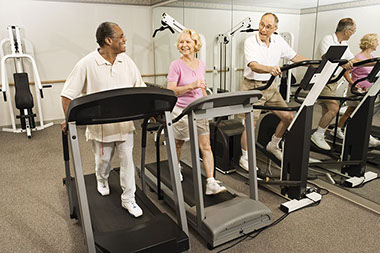
    Image of 3 senior citizens walking on treadmills.

    Want to be able to move around well as you age? Finding it more difficult to get down on your knees (and get up)? Interested in keeping your joints strong and flexible to meet the demands of daily life?

    Join the club. Without our ability to get around, all kinds of health problems set in, according to the CDC. MySilverAge.com challenges not just seniors but everyone else to work out to improve mobility with these 3 functional fitness workouts:

    *Use sandbells to minimize strain.While exercise equipment such as dumbbells strengthen arms, many weights can place too much strain on the hands. A sandbell-a weighted, contoured fabric bag filled with sand-is an easier alternative for older adults and others who have trouble gripping items, because they offer customizable weight and grip for strength exercises, while minimizing stress and strain on hands.

    *Use interval training for quick bursts of energy.Children tend to have short bursts of energy followed by periods of rest before they start again. Keep up with the kids with interval training. Walk on a treadmill at a normal speed for 5 minutes, then increase to a more challenging pace for 1 minute and repeat.

    *Use an exercise ball for better balance.Good balance is vital for safe walking, stair climbing, and avoiding falls. Use an exercise ball in place of a chair during traditional workouts, such as lifting weights, to help improve balance. The instability of the ball forces all the body’s muscles to work together to support stability and steady balance.

    © American Institute for Preventive Medicine

  • Aging Parents & Falls: Simple Prevention Tips

    FAMILY LIFE

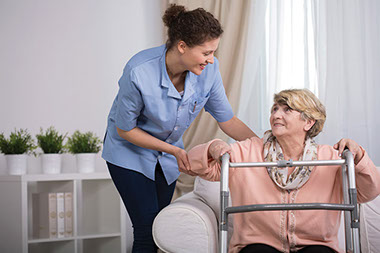
    Image of older women recieving help to sit.

    Because people are living longer than ever, many people have senior parents in their lives. One of the biggest health issues facing older adults is falls. In fact, the CDC reports that nearly 3 million older adults are treated in the emergency room each year for a fall-related injury.

    Whether your older parent lives with you or just visits occasionally, there are some simple steps you can take to keep your older parent safe from falls at home.

    *  Place handrails on both sides of all stairways.

    *  Carpets and rugs should be tacked to the floor. Do not use loose rugs.

    *  Make sure you have good lighting throughout the home, especially at the top and bottom of the stairs. Use nightlights in bathrooms, next to the bed, and in hallways.

    *  Keep the floor clean and free of clutter. Avoid having cords or wires on the floor.

    *  Place grab bars near toilets and on the inside and outside of your tub or shower.

    *  Use non-skid mats or carpet on floors that get wet.

    © American Institute for Preventive Medicine
  • Alcohol Increases Risk For Breast Cancer

    SELF-CARE CORNER

    Image of middle-aged women smiling wearing a pink blazer.

    Breast cancer is the second leading cause of cancer death for women in the United States, after lung cancer. Dr. Erica Mayer, a breast cancer expert at Dana-Farber Cancer Institute, says there are at least 5 simple ways women can reduce their risk of getting the disease:

    1.Limit alcohol.Research has shown having too much alcohol can increase your risk of breast cancer. If you choose to drink alcohol-including beer, wine, or liquor-limit yourself to no more than one half to one drink a day on average.

    2.Get a mammogram.Many health organizations advise women to get regular mammograms starting at age 40. “Mammography screening does not prevent or cure breast cancer, but it may detect the disease before symptoms occur,” said Dr. Mayer.

    3.Eat a healthy diet and keep your weight under control.The American Cancer Society recommends a diet rich in vegetables, fruits, whole grains, and fiber. “High-fat diets can lead to being overweight or obese, which is a risk factor for breast cancer,” said Dr. Mayer.

    4.Exercise.There’s growing evidence that physical activity reduces a woman’s breast cancer risk.

    5.Determine if you have family history of breast cancer and be vigilant to early detection.Twenty to 30% of people who develop breast cancer have a family history of the disease. About 5 to 10% of women carry a BRCA1 or BRCA 2 mutation, the so called “breast cancer genes.”

    © American Institute for Preventive Medicine

  • Alcohol – Know Your Limits

    MEDICAL NEWS

    Image of three different cocktails.

    Drinking too much, even just one time, can harm your health. Take a look at what too much alcohol can do to the body.

    Brain:Alcohol interferes with the brain’s communication signals. This causes problems with thinking clearly and making decisions. It can also affect mood and behavior. These effects can be long-term.

    Heart:Alcohol can cause an irregular heartbeat and can interfere with the heart’s ability to pump blood. Too much alcohol may increase the risk of stroke and high blood pressure.

    Liver:Drinking too much can permanently damage the liver. In some cases, heavy drinking can lead to liver failure, liver cancer, and death.

    A moderate amount of alcohol may be safe for most people who don’t have health problems. For people who drink alcohol, a moderate amount is:

    *  Women: No more than 1 drink per day

    *  Men: No more than 2 drinks per day

    Drunk driving

    Driving after you’ve had too much alcohol can be deadly for you and others. Just two alcoholic drinks can affect your ability to drive. One person in the U.S. dies every 53 minutes due to an alcohol-related car crash. Help prevent these tragedies by:

    *  Choosing a designated driver

    *  Calling a cab when you’ve had too much alcohol

    *  Not letting friends drink and drive

    *  Offering non-alcoholic drinks at parties and reminding guests not to drink and drive

    Behavior Problems

    Drinking too much can lead to violence, risky behavior, and even suicide or homicide.

    Sources: National Institutes of Health, American Liver Foundation, Centers for Disease Control and Prevention

    © American Institute for Preventive Medicine

  • Allergy Or Asthma? Know The Difference

    SELF-CARE CORNER

    Image of 2 teddy bears next to an asthma inhaler.

    Allergies are caused by an over-reaction of the immune system to certain substances (called allergens) in the air (pollen, dust mites, for example), eaten (such as peanuts or shrimp), injected (like a bee sting or certain medicines), or touched (poison ivy or latex are good examples), according to the Asthma and Allergy Foundation of America.

    Symptoms of an allergy may be some or all of these:

    *  Sneezing

    *  Runny nose (clear discharge)

    *  Itchy nose or throat

    *  Coughing

    *  Skin rashes or hives

    Asthma occurs when airways become temporarily blocked or narrowed because of exposure to allergens, irritants, strenuous exercise, anxiety, or other triggers. If an asthma attack is severe, a person may need emergency treatment.

    Asthma symptoms can include some or all of these:

    *  Sudden shortness of breath

    *  Difficulty breathing

    *  Tight chest

    *  Wheezing or coughing

    © American Institute for Preventive Medicine

  • Am I Hungry?

    HEALTHY EATING

    Image of empty dish plate.

    Learn to tell if you’re really hungry or just think you’re hungry. Before you grab something to eat, figure out if you are truly hungry or just bored. Maybe you are thirsty rather than hungry.

    Try this, says Anita Kobuszewski, RD, author of Food: Field to Fork, How to Grow Sustainably, Shop Wisely, Cook Nutritiously, and Eat Deliciously. Slow down and sit down. With your mouth closed, let your tongue rest relaxed, sinking low to the floor of your mouth. Close your eyes. Take a deep breath. Hold it for a count of 3. Exhale slowly through pursed lips. Relax. Repeat this 3 times.

    Before you open your eyes, ask your tummy if it’s hungry. If the answer is no, then move on. If the answer is yes, eat something healthy with protein, complex carbs, and a small amount of healthy fat. An example would be a glass of skim milk and a slice of whole grain toast with a dab of chunky peanut butter, or an apple with a dab of almond butter.

    The point is not to run on empty. The body needs a consistent flow of energy to keep all its systems running well.

    © American Institute for Preventive Medicine

  • Another Reason To Stop Smoking

    SELF-CARE CORNER

    Image of cigarettes butts.

    Each year Americans buy nearly 300 billion cigarettes. A vast number of those cigarette butts, including the filters, will be flicked into the environment, landing along waterways, parks, beaches, and public roads. This makes cigarettes the number one littered item in the nation, according to Legacy, the nonprofit created in the wake of tobacco lawsuits. Cigarette butts are made mostly of plastic, which can take years to decompose, and they only break up into small particles of plastic. Join a cleanup event and help build awareness around your community and workplace.

    © American Institute for Preventive Medicine

  • Antibiotic Misuse -You Could Be Doing It

    SELF-CARE CORNER

    Image a various pills.

    Antibiotics that are overused or misused can lead to “superbugs.” These are bacteria that can’t be killed by antibiotics. Some of these bacteria can be deadly if they get in your body. The Center for Disease Control and Prevention says this is one of the top health threats in our world today.

    What can you do to prevent antibiotic misuse?

    *  Antibiotics do not treat viruses. Do not ask your doctor for an antibiotic for a viral illness.

    *  Do not take antibiotics unless your doctor prescribes them – and don’t save old antibiotics.

    *  Take your antibiotics exactly as your doctor tells you.

    *  Finish your entire course of antibiotics – even if you feel better.

    *  Do not take someone else’s antibiotics.

    *  Don’t share your antibiotics with others.

    Antibiotics DO NOT cure viruses such as:

    *  Colds

    *  The flu

    *  Most sore throats

    *  Many sinus infections

    *  Many eat infections

    *  Ear infections

    Taking an antibiotic for a virus:

    *  DOES NOT PREVENT spreading the virus to others

    *  DOES NOT HELP you feel better

    Illnesses that should be treated with antibiotics include:

    *  Whooping cough (pertussis)

    *  Strep throat

    *  Urinary tract infections

    If we only use antibiotics when needed, we can help stop more superbugs from spreading.

    © American Institute for Preventive Medicine
  • Anxious Kids, Anxious Parents

    FAMILY LIFE

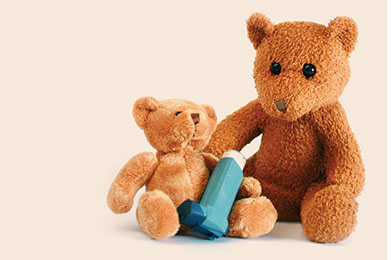
    Image of young child.

    How do you manage a child who gets stomachaches every school morning? Or one who refuses to go to after-school activities? Or who is trapped in the bathroom with frequent hand washing?

    One in every 5 kids suffers from a diagnosable anxiety disorder. Experts Reid Wilson, professor of psychiatry at the University of North Carolina School of Medicine, and Lynn Lyons, a social worker and psychotherapist, say anxiety disorders are the number one reason why parents bring a child to a mental health professional.

    “When kids grow and step into new experiences, they should have questions and uncertainties. Worry becomes a problem when a child is consistently avoiding activities or experiences that are a normal part of development,” according to these experts.

    How do you know if your child may have anxiety? Wilson and Lyons, authors of Anxious Kids, Anxious Parents: 7 Ways to Stop the Worry Cycle and Raise Courageous & Independent Children, say to look for the following behaviors and see a mental health professional with your concerns (worry, they say, may run in families):

    *  They cling to you.

    *  They refuse to try new activities.

    *  They continually ask you for reassurance of their “what if” questions.

    *  They feel sick and complain of aches, pains, and nausea.

    *  They avoid school or cry or throw tantrums if you force them to go.

    *  They act shy and don’t talk in class or around others.

    *  They worry about future or past events (“I will look stupid reading this book report” or “Did I make my best friend mad?” or “Something bad is going to happen to my family”).

    Children can learn to manage their uncertainty, but sometimes it takes a professional to help.

    © American Institute for Preventive Medicine