Author: AIPM

  • Argentinian Grilled Steak With Salsa Criolla

    HEALTHY EATING

    Image of Argentinian grilled steak.

    Ingredients

    For the salsa:

    1 large, ripe tomato

    1/4 small red onion

    2 tablespoons fresh parsley

    2 teaspoons extra virgin olive oil

    2 teaspoons red wine vinegar

    1/2 teaspoon minced garlic

    1/4 teaspoon dried oregano

    1/8 teaspoon low-sodium adobo seasoning

    1/8 teaspoon crushed red pepper

    For the steak:

    1 pound skirt steak

    1/8 teaspoon low-sodium adobo seasoning

    Directions

    For the salsa:

    1.  In a small bowl, mix together tomato, onion, parsley, olive oil, vinegar, garlic, oregano, low-sodium adobo seasoning and crushed red pepper.

    2.  Cover and refrigerate for at least 1 hour or up until 48 hours.

    For the steak:

    1.  Heat grill to medium-high heat. Sprinkle steak on both sides with low-sodium adobo seasoning. Place steak on hot, greased grill grates.

    2.  Cook until steak is well browned on both sides and cooked to 145 °F.

    3.  Let rest for 5 minutes. Thinly slice steak and serve. Top with reserved Salsa Criolla

    Nutrition information: Serves 4. Calories 220; Total Fat 11 g; Saturated Fat 4 g; Sodium 80 mg; Total Carbohydrate 5 g; Dietary Fiber 1 g; Protein 25 g

    Source: What’s Cooking? USDA Mixing Bowl

    © American Institute for Preventive Medicine

  • Arm Yourself With A Vegetable Scrubber

    HEALTHY EATING

    Image of vegetables being washed in a scrubber.

    A University of Nebraska-Lincoln food safety specialist said it is important to properly wash fresh produce before eating to reduce harmful microorganisms that could cause foodborne illness.

    Wash produce with running water and then let that water go down the drain. Do not just soak the produce, said Julie Albrecht, UNL Extension food safety specialist at the Institute of Agriculture and Natural Resources.

    If there is something on the outside of a food, soaking it could allow the microorganisms to spread to other parts of the food or to other produce in the same sink. Running water washes the microorganisms down the drain.

    “It’s really just about preventing cross contamination,” Albrecht said. “Always use a colander or strainer so the water goes through the produce instead of just letting produce sit in water.”

    It is important to wash all fresh produce, even ones with rinds that are not eaten, Albrecht said. Bacteria could be living on the surface and then spread to the inside of the fruit when the rind is cut.

    Scrub foods with tough surfaces, such as melons and potatoes, with a vegetable scrubber.

    Immediately refrigerate fresh produce after cutting it. Most fruits and vegetables can be stored at 40ºF or below, which is cold enough to prevent microorganisms from growing.

    “Once you cut something or peel it, keep it cold, refrigerate it. Do not let it sit out at room temperature because microorganisms grow best around temperatures of 80 to 100. Plus, your food will be crisper and of a better quality,” Albrecht said.

    Leafy vegetables and tomatoes have been linked to foodborne illness outbreaks in recent years, so take extra care to wash them and keep them cold, Albrecht said.

    Be sure to also wash hands, surfaces, and utensils before handling raw produce.

    While shopping, only buy the best-looking produce that will stay fresh the longest. “Pick high-quality produce with no bumps or scratches at the peak of ripeness or maybe a little under ripe,” Albrecht said. “And make sure there is no mold, especially on berries.”

    © American Institute for Preventive Medicine

  • Avoid Bed Bugs

    WELL-BEING

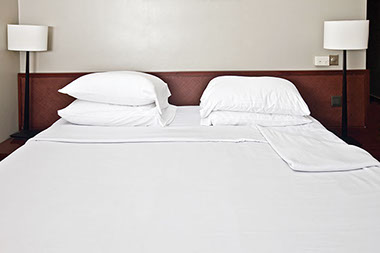
    Image of a bed.

    Upon entering a hotel room, place your luggage in the bathtub or on the toilet seat. Bed bugs can’t crawl up these surfaces and attach to your bags. While in the room, keep luggage on the luggage rack, off the floor. Hard-sided luggage lacks the folds and creases of soft-sided bags making it more difficult for the pests to hide in your bags.

    Since bed bugs are large enough to see, check the mattress and bed frame for any signs that the pests have been hiding there. Do you notice any tiny black spots? Spots and stains are good indicators of either a current or prior presence. Pull back sheets, inspect mattress seams and examine any other upholstered items in the room.

    Bed bugs are drawn to wood-don’t neglect the nightstand and dresser. If it appears as though the critters have invited themselves into your hotel room, ask the management for another room.

    Before packing the car for the trip home, place luggage in large plastic bags and knot securely. Once home, immediately wash all clothing on the hottest temperature setting suggested by the care labels. Dry on high heat for at least  30 minutes. Avoid packing items that can only be laundered on a cold-water setting, suggest The Maids, a residential cleaning service.

    © American Institute for Preventive Medicine

  • Avoid Gum Disease With These Tips

    SELF-CARE CORNER

    Image of variety of cleaning supplies.

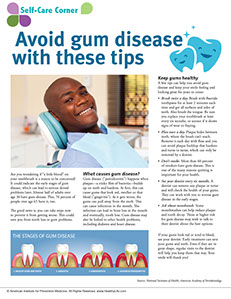
    Are you wondering if “a little blood” on your toothbrush is a reason to be concerned? It could indicate the early stages of gum disease, which can lead to serious dental problems later. Almost half of adults over age 30 have gum disease. Plus, 70 percent of people over age 65 have it, too.

    The good news is, you can take steps now to prevent it from getting worse. This could save you from tooth loss or gum problems.

    What causes gum disease?

    Gum disease (“periodontitis”) happens when plaque-a sticky film of bacteria-builds up on teeth and hardens. At first, this can cause gums that look red, swollen or that bleed (“gingivitis”). As it gets worse, the gums can pull away from the teeth. This can cause infections in the mouth. The infection can lead to bone loss in the mouth and eventually, tooth loss. Gum disease may also be linked to other health problems, including diabetes and heart disease.

    Keep gums healthy

    A few tips can help you avoid gum disease and keep your smile feeling and looking great for years to come:

    *  Brush twice a day. Brush with fluoride toothpaste for at least 2 minutes each time and get all surfaces and sides of teeth. Also brush the tongue. Be sure you replace your toothbrush at least every six months, or sooner if it shows signs of wear or fraying.

    *  Floss once a day. Plaque hides between teeth, where the brush can’t reach. Remove it each day with floss and you can avoid plaque buildup that hardens and turns to tartar, which can only be removed by a dentist.

    *  Don’t smoke. More than 60 percent of smokers have gum disease. This is one of the many reasons quitting is important for your health.

    *  See your dentist every six months. A dentist can remove any plaque or tartar and will check the health of your gums. They can work with you to reverse gum disease in the early stages.

    *  Ask about mouthwash. Some mouthwashes can help reduce plaque and tooth decay. Those at higher risk for gum disease may wish to talk to their dentist about the best options.

    If your gums look red or tend to bleed, see your dentist. Early treatment can save your gums and teeth. Even if they are in great shape, regular visits to the dentist will help you keep them that way. Your smile will thank you!

    Sources: National Institutes of Health, American Academy of Periodontology

    © American Institute for Preventive Medicine

  • Avoid Summer Headaches

    SELF-CARE CORNER

    Image of women sitting at the beach talking on the phone.

    The sun can be especially bothersome if you suffer from migraine. Looking directly or indirectly at the sun can trigger a migraine attack for some people.

    Don’t forget your shades-sunglasses, visors, or sun hat when you are out and enjoying the sunshine at the beach, tennis court, golf course, or a baseball game, advises the National Headache Foundation.

    Other summer headache triggers include changes in barometric pressure. Watch out for those sudden thunderstorms and windy days.

    Drink plenty of water, not soft drinks, to help prevent those “dehydration” headaches. You don’t want to drink too many soft drinks containing caffeine, which can also contribute to your headaches.

    At backyard barbecues and picnics, you may encounter food items that you wouldn’t normally eat. The sauces and dry rubs on those tasty ribs may contain monosodium glutamate (MSG) to which many headache sufferers are sensitive. The spread at a picnic may include aged cheeses, hot dogs, and other meats with nitrates, and pickles-all possible triggers. Also watch your intake of beer and cocktails.

    © American Institute for Preventive Medicine

  • Avoid The Aches And Pains Of Technology

    SELF-CARE CORNER

    Image of business man with laptop and smart phone.

    You can prevent BlackBerry thumb and text neck-new ailments that came with devices such as smartphones and BlackBerries and their small keyboards, advises the American Chiropractic Association.

    *  Avoid typing for more than 3 minutes without a break.

    *  Keep messages short and simple; abbreviate.

    *  Practice using other fingers for typing, especially when thumbs hurt.

    *  Don’t slouch when texting.

    *  Keep wrists upright, straight and close to the body when holding a device.

    *  Don’t bend your neck excessively when texting; tuck your chin in instead and look down.

    *  Turn your devices off on the weekends (or at least on Sunday).

    *  Get outside, exercise and enjoy nature too. Balance is key to staying healthy.

    For more tips on proper use of technology and good health, visitwww.TechnoHealthy.com.

    © American Institute for Preventive Medicine

  • Avoiding Chemicals In The Home

    SELF-CARE CORNER

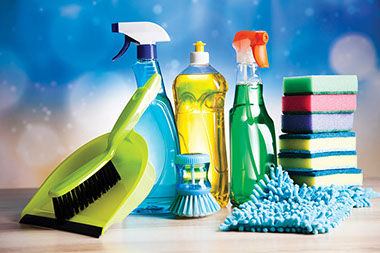
    Image of variety of cleaning supplies.

    Many common household items contain chemicals. Not all chemicals are bad for your health, but some can be harmful. To keep yourself and your family healthy, it’s best to take steps to reduce or avoid chemicals that could be unsafe.

    Did you know possible toxic substances can be found in cleaning products, furniture, carpet and shower curtains? Here’s how to avoid unsafe levels of toxins:

    *Read labels carefully.Many cleaning products have warnings and directions for how to use them. Follow these carefully. For instance, if it says, “use in a well-ventilated area,” you should be sure to open a window to the outside.

    *Be aware of odors.If something gives you a headache, sore throat or makes you cough, this may be a sign that you shouldn’t use it anymore.

    *Protect your skin.Wear gloves when using cleaning products and wash your hands after cleaning. Don’t let children use products with any chemicals in them like bleach, ammonia or strong cleaning ingredients.

    *Get checked for lead.If you live in a home built before 1980, ask your local health department how you can get your home and water checked for lead. You can’t see, smell or taste lead. Lead is harmful to the brain and affects children’s development. Find out if your home is at risk and take steps to get it removed, if needed.

    *Avoid pesticides whenever possible.Contact professional pest control companies for insect problems.

    *Choose fragrance-free products when possible.Many fragrances contain chemicals that disrupt hormone functions in the body. Also, some people are sensitive to fragrances.

    *Replace old nonstick pans that look worn or scratched.They may contain chemicals that can get into your food.

    *Look for cleaning products that have the Environmental Protection Agency’s “Safer Choice” label.For more information, visitwww.epa.gov/saferchoice/products.

    If someone in your home may have ingested a poisonous product, call The American Association of Poison Control Centers at (800) 222-1222.

    Remove dust for a healthier home

    Did you know household dust often contains chemicals and toxins from your home? A good way to reduce your exposure to them is to keep dust down. Try these tips:

    *  Choose non-toxic or “Safer Choice” cleaning products. White vinegar is an effective non-toxic cleaner for many surfaces.

    *  Use a damp rag without chemicals to dust.

    *  Clean floors with a damp mop or a steam-only mop.

    *  Vacuum floors regularly and use a vacuum with a high efficiency particulate air (HEPA) filter.

    *  Open windows to bring in fresh air whenever possible.

    *  Change furnace and air filters regularly.

    *  Wash hands often.

    Source: National Institutes of Health, Environmental Protection Agency

    © American Institute for Preventive Medicine

  • Avoiding Digital Eye Strain

    WORK LIFE

    Image of man working on computer.

    Many people spend a lot of time in front of a computer screen at their job. And when we’re not at our desks, we may be looking at a smartphone or tablet or watching TV. All of these digital screens add up to a lot of strain on the eyes. Viewing a digital screen is hard on the eyes due to glare and reflections. Most screens also have less defined letters than printed paper, making them harder to read.

    Digital eye strain, or computer vision syndrome, may cause dry eyes or blurred vision, but it can affect other areas of the body as well. Some people also experience headaches and neck and shoulder pain. If these symptoms bother you when you’re using a digital screen, you may have digital eye strain.

    When you are viewing a screen for long periods, protect your eyes from strain by following these tips:

    *  Keep your screen about four to five inches below eye level.

    *  Avoid glare by moving the screen away from windows and bright lights. Consider a screen glare filter if needed.

    *  Rest your eyes throughout the day with the 20-20-20 rule. Every 20 minutes, look at an object 20 feet away for 20 seconds.

    *  Think about blinking. Many people blink less frequently while viewing a screen. Be intentional about blinking so your eyes stay moist.

    *  Get regular eye exams from a qualified doctor or optometrist. Be sure to tell your doctor if you notice any symptoms of digital eye strain or vision changes.

    Source: American Optometric Association

    © American Institute for Preventive Medicine

  • Avoiding Distractions At Work

    WORK LIFE

    Close up image of laptop with hands and phone.

    We all have days that are more productive than others. But you can be your best each day if you learn how to avoid the biggest distractions at your workplace.

    Put the phone away

    Is your phone frequently dinging with texts or people calling you “just to chat?” Do you find yourself checking social media or playing with apps when you should be working?

    Smart phones are a major cause of work-related distractions. Some employers have policies that prohibit cell phone use on the job. If that’s the case, you’ll need to follow those rules. But if your employer allows cell phones, turn off notifications and put the phone in a place that’s harder to reach. Some phones have an option that filters all calls except those from important or emergency numbers. This is a great way to allow people to reach you when it’s necessary, but to avoid non-essential calls and notifications.

    Use white noise

    If other people’s conversations or office noises are bothering you, consider ways you can soften or filter some of the sound. A white noise machine, fan or even headphones that play white noise or quiet non-distracting music may be helpful.

    Ways to get your focus back

    Everyone needs a mental break once in a while. Instead of checking your phone or social media, try these healthy tips that can energize you and help you get back to your work:

    *  Take a short walk around the building.

    *  Eat a healthy snack, such as fruits, vegetables, or lean protein.

    *  Drink a glass of water. Add a lemon or cucumber slice for more flavor.

    *  Get up from your chair and stretch for 3 minutes.

    *  Clean or organize your workspace. Clutter in your space can make your brain feel cluttered, too.

    © American Institute for Preventive Medicine