Author: AIPM

  • Avoiding The Afternoon Slump

    WORK LIFE

    Image of a group of co-workers smiling and laughing.

    Do you often feel tired and worn out after lunch? It can be hard to stay productive and get through the workday if you’re fighting fatigue and exhaustion. Often times, this afternoon slump can be avoided by making a few simple changes:

    *Use caffeine sparingly.A cup of coffee or tea can give you a boost in the morning, but drinking too much can cause an energy crash after it wears off. Finish your last caffeinated drink before noon, and limit intake to four 8 oz. cups of coffee.

    *Include lean protein and healthy fats in your lunch.This can help stabilize blood sugar levels and fight fatigue. Examples include turkey, low-fat dairy, avocado, nuts and fish.

    *Drink plenty of water.Even mild dehydration can make you tired. Aim for eight 8 oz. glasses per day.

    *Get moving.If you can, walk outside at lunch and get fresh air, even for just 10 minutes. This can energize and relax you. But even walking indoors or stretching in your office can be helpful. Sitting at a desk for hours without getting up can make you feel tired. Do alternative activities and walk around when you can.

    *Having more energy starts the day before.If you find that you’re tired every day despite these tips, you may need more sleep. Aim for 7 to 9 hours a night.

    Sometimes, ongoing fatigue can be a sign of a health issue. If you find that your energy levels are always low despite making healthy choices, talk to your doctor. Problems such as sleep disorders, anemia, depression, diabetes, and many other conditions can cause energy levels to sag. Certain medications can also cause sleepiness. You and your doctor can discuss your health history and make a plan to address any issues to get you feeling better again.

    © American Institute for Preventive Medicine

  • Baby Teeth

    FAMILY LIFE

    Image of baby at the doctor's office.

    The ideal time for a child to visit the dentist is 6 months after the child’s first teeth appear. During this initial visit, a dentist will be able to examine the development of the child’s mouth.

    Babies may have dental problems, such as teething irritations, gum disease, and prolonged thumb or pacifier sucking.

    The sooner the child visits a dentist, the better, says the Academy of General Dentistry in offering these other tips:

    *  Clean your infant’s gums with a clean, damp cloth twice a day.

    *  Ask your dentist when you may begin to rub a tiny dab of toothpaste on your child’s gums. Doing so will help your child become accustomed to the flavor of toothpaste.

    *  As soon as the first teeth come in, begin brushing them with a small, soft-bristled toothbrush and a pea-sized dab of fluoride toothpaste.

    *  Help a young child brush at night. This is the most important time to brush, due to lower salivary flow during sleep and higher risk for cavities and plaque.

    *  By about age 5, your child can learn to brush his or her teeth with proper help from an adult.

    © American Institute for Preventive Medicine

  • Back In Action

    MEDICAL NEWS

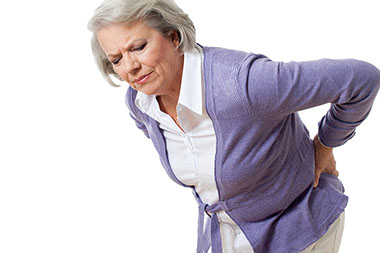
    Image of older women holding her back in pain.

    Back pain. In the last 3 months, about 1 in 4 adults has had at least one day of back pain, mostly in the lower back, according to NIH in Health.

    The good news is that most back pain goes away by itself-in time. If pain continues for more than 3 months, you have chronic back pain. If doctors can find out the source of your pain, you may be treated effectively with certain surgeries.

    But even chronic pain can clear up without surgery. Don’t let the pain take over. Doctors advise:

    *  Stay active and maintain a healthy weight.

    *  Stretch before exercise or other strenuous physical activity.

    *  Don’t slouch when standing or sitting.

    *  Make sure your work surface is at a comfortable height for you.

    *  Wear comfortable, low-heeled shoes.

    *  Lift, if you must, with your back straight, bend at the knees, and put the stress on your legs and hips.

    *  Don’t smoke.

    *  Talk with your doctor to make sure you’re getting enough calcium and vitamin D.

    © American Institute for Preventive Medicine
  • Backpacks. Crayons. Glue Sticks. Epipen?

    FAMILY LIFE

    Image of 2 school kids in the classroom.

    For more and more school-age children the Epipen is becoming a necessity for completing the back-to-school supply list. In fact, allergic conditions are one of the most common medical conditions affecting children in the U.S.

    “Accidental exposure to allergens at school is a major concern for kids with severe allergies since any exposure could be fatal,” said Dr. Joyce Rabbat, pediatric allergist at Loyola University Health System.

    Food allergies are the most concerning for school-age children since allergens can be hidden in food or utensils and pots and pans could be contaminated without the child’s knowledge. Dr. Rabbat said that parents of children with food allergies should ensure an Allergy Action Plan is in place for the child at his or her school.

    This really could mean life or death to the child,” she said in suggesting that parents should make sure the school reviews the child’s health records that they provide from the doctor. She also suggests asking what the school does to prevent accidental exposure and that staff are trained to deal with an emergency situation.

    If the child is older and knows how to self-administer medications, Dr. Rabbat suggests talking to the school about allowing the child to carry the medication with them. If that is not allowed at the school, make sure the following medications are available:

    *  Epinephrine autoinjectors

    *  Antihistamines

    *  Albuterol rescue inhalers

    Also make sure a staff member, who is available at all times, is properly trained on to how to administer these medications and that your child is familiar with this person.

    © American Institute for Preventive Medicine

  • Bad Air Day

    MEDICAL NEWS

    Image of women sneezing.

    Ozone. It’s an invisible gas but it pollutes the air and may make it harder for you to breathe.

    Ozone is created when sunlight triggers a chemical reaction between oxygen-containing molecules and pollution that comes from cars, power plants, factories, and other sources, says the NIH News in Health. Hot weather is one of the triggers for the creation of ozone. It’s not as much of a problem in winter, say the NIH scientists.

    High levels of ozone might cause you to cough or have throat irritation. Your eyes might water, and you may have trouble breathing. The ozone irritates the lining of your airways and lungs. If you have a lung condition such as asthma, the damage can be greater.

    Adjust your activities on a bad air day to reduce your exposure to air pollution and stay indoors. Limit outdoor activities. Even if you’re in good health, mow the lawn or take a run or walk later in the evening or first thing in the morning. Ozone levels tend to peak between mid-afternoon and early evening. You can track air quality atwww.airnow.gov.

    © American Institute for Preventive Medicine

  • Bad Medicine:The Problem With Expired Medications

    SELF-CARE CORNER

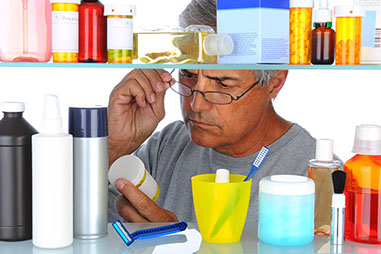
    Image of man going through the medicine cabinet.

    It’s 10 pm, you’ve got a horrible headache, and the only pain reliever you’ve found expired a year ago. Can you use it just this once?

    No, you shouldn’t, according to the Food and Drug Administration (FDA). Once medicines have expired, there’s no guarantee that they’re safe – or that they’ll work.

    Using an expired medicine puts you at risk of having a bad reaction or having the medication not work at all. If it’s past the expiration date, discard it safely. Make sure kids and pets cannot get to it.

    Tips to avoid medication mishaps

    *  Go through your medicine cabinet every six months. Discard expired medications or anything that has an unusual odor or appearance.

    *  Don’t keep medicines in your bathroom. The steam from your bath or shower can make them go bad even before they’ve expired. Instead, keep them out of reach of children in a bedroom, linen closet, or kitchen cabinet.

    *  If you have children in the house, consider a locked cabinet for medicines. Some pills look like “candy” to kids, and many children have been poisoned by ingesting medicines and vitamins.

    How to discard unused medicines

    Some medicines come with disposal instructions. If not, the FDA recommends most medicines be safely placed in your regular trash. Here’s how to do it:

    *  Put the pills in a sealed plastic bag with other trash like kitty litter, used coffee grounds, or even dirt. This helps prevent others from trying to take the medicine.

    *  If you’re throwing out prescription bottles, scratch out all the information on the label. This includes your name and the name of the medication.

    *  Check with your city or town about an authorized drug take-back program. These programs allow you to get rid of old medicines safely.

    *  A few medicines should be flushed down the sink or toilet because they can be dangerous to others if found in the garbage. Check the FDA website (www.fda.gov) for a list of these medicines.

    © American Institute for Preventive Medicine

  • Baked Salmon Dijon

    HEALTHY EATING

    Image of a baked salmon dijon.

    Ingredients:

    1 c fat-free sour cream

    2 tsp dried dill

    3 Tbsp scallions, finely chopped

    2 Tbsp Dijon mustard

    2 Tbsp lemon juice

    1-1/2 lbs salmon fillet with skin, cut in center

    1/2 tsp garlic powder

    1/2 tsp black pepper

    As needed, fat-free cooking spray

    Directions

    Whisk sour cream, dill, onion, mustard, and lemon juice in small bowl to blend. Preheat oven to 400ºF. Lightly oil baking sheet with cooking spray. Place salmon, skin side down, on prepared sheet. Sprinkle with garlic powder and pepper. Spread with the sauce. Bake salmon until just opaque in center, about 20 minutes.

    Makes 6 servings. Serving size: 1 piece (4 oz). Each serving provides 196 calories, 7 g total fat, 76 mg cholesterol, 229 mg sodium, less than 1 g fiber, 27 g protein, 5 g carbohydrate

    A heart-healthy recipe from the US Department of Health and Human Services, National Institutes of Health National Heart, Lung, and Blood Institute

    © American Institute for Preventive Medicine

  • Banish Biting Bugs

    SELF-CARE CORNER

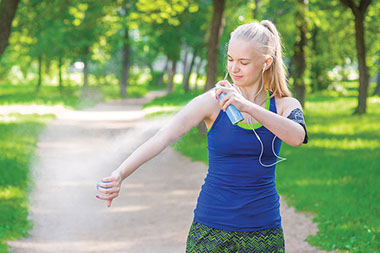
    Image of female spraying insect repellent on arm.

    Insects like mosquitoes and ticks may annoy you during a summer barbeque or camping trip. But an effective bug repellent does more than avoid an itchy inconvenience. It may help prevent you from getting sick. Mosquitoes and ticks may carry diseases that are dangerous to humans. Many ticks carry Lyme disease and mosquitoes may spread the West Nile and Zika viruses.

    To help keep mosquitoes away, use a repellent that’s been proven safe and effective by the CDC. Look at the label and choose a repellent with one of these active ingredients:

    *  DEET

    *  Picaridin

    *  IR3535

    *  Oil of lemon eucalyptus

    *  Para-menthane-diol

    The CDC recommends tick repellents that have one of the following active ingredients:

    *  DEET (20 to 30 percent): use on skin and clothing, but not under clothing.

    *  Permethrin: use on clothing and gear only.

    In addition to a repellent, there are other ways to avoid bugs:

    *  Avoid wooded and brushy areas when possible.

    *  Walk in the center of trails.

    *  Wear clothing that covers arms and legs.

    *  Minimize time outside at dawn and dusk, when mosquitoes are most active.

    *  Throw out standing water in tires, buckets, birdbaths or other outdoor items at least once a week.

    *  Do a full-body check for ticks after spending time outside.

    What to do if you spot a tick

    If you find a tick on your skin, it should be removed as soon as possible. Here’s what to do:

    *  Don’t panic.

    *  Use fine-tipped tweezers to grasp the tick as close to the skin’s surface as possible.

    *  Pull upward on the tick slowly and evenly. Don’t twist the tick or try to yank it out quickly.

    *  If parts of the mouth remain after you’ve tried to remove it, use the tweezers to try and get them out. If you can’t get them out, leave it alone so the skin can heal.

    *  After you’ve removed the tick, clean the bite area and your hands with soap and water, rubbing alcohol or an iodine scrub.

    *  If the tick is alive, don’t try to crush it. Instead, put it in alcohol or an airtight bag or container. You can also wrap it tightly in tape or flush it down the toilet.

    *  Ticks can also be removed by your doctor if you can’t get it out yourself.

    *  If you’ve been bitten by a tick, contact your doctor for follow-up care.

    © American Institute for Preventive Medicine

  • Be A Good Sport

    BE FIT

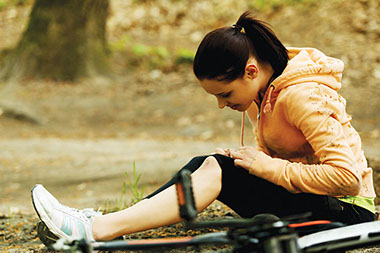
    Image of women with knee injury from riding a bike.

    Whether you’ve never had a sports injury and you’re trying to keep it that way or you’ve had an injury and don’t want another, the following tips from the National Institute of Arthritis and Musculoskeletal and Skin Diseases can help:

    *  Avoid bending knees past 90 degrees when doing half knee bends.

    *  Avoid twisting knees by keeping feet as flat as possible during stretches.

    *  When jumping, land with your knees bent.

    *  Do warm-up exercises not just before vigorous activities like running, but also before less vigorous ones such as golf.

    *  Don’t overdo.

    *  Do warm-up stretches before activity. Stretch the Achilles tendon, hamstring, and quadriceps areas and hold the positions. Don’t bounce.

    *  Cool down following vigorous sports. For example, after a race, walk or walk/jog for 5 minutes so your pulse comes down gradually.

    *  Wear properly fitting shoes that provide shock absorption and stability.

    *  Use the softest exercise surface available, and avoid running on hard surfaces like asphalt and concrete. Run on flat surfaces. Running uphill may increase the stress on the Achilles tendon and the leg itself.

    © American Institute for Preventive Medicine
  • Be Patient With Exercise Results

    BE FIT

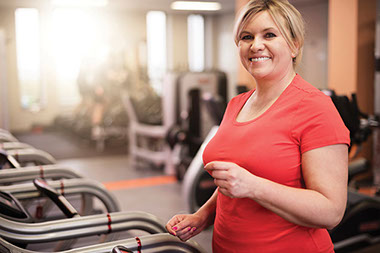
    Image of women using treadmill at a gym.

    Getting started with an exercise plan is a big step toward a healthier life. But, sticking with that exercise program can be tough when you’re not seeing results as quickly as you want. When many exercise plans promise fast, dramatic results, being patient can be frustrating.

    Some people may find that they work hard but aren’t seeing weight loss or feel like they aren’t getting as fit as they want. This can lead to exercise burnout and quitting. Don’t give up! Find ways to push through the tough times. If you keep it up, the benefits of exercise are worth the effort.

    Tip #1: Step off the scale.

    Although you may be losing some weight with exercise, it’s not always obvious right away. This can happen when someone gains muscle, which weighs more than fat. Instead of worrying about a number, look at how your clothes are fitting or how you are feeling overall. Weigh yourself once a week to check in, but don’t let it be the only way you are measuring your progress.

    Tip #2: Don’t compare.

    People gain and lose weight in different ways and at different rates. A friend may drop pounds or get fit faster than you. That can be upsetting if you’re working hard. Try not to worry about how much progress someone else has made. Focus on yourself and what you have accomplished each day.

    Tip #3: Track progress.

    Use a notebook or an app on your phone to record your positive changes, no matter how small. Perhaps you did two more pushups, or walked for 10 extra minutes. Maybe you felt more energy than usual today. Whatever it is, record it so you can go back and see all of the ways exercise is boosting your health.

    Tip #4: Be mindful of your diet.

    Exercise can increase your hunger. It can be easy to overeat after a workout and consume more calories than you burned. Prepare a healthy snack before you work out, such as a banana with peanut butter or yogurt and fresh fruit. Having something ready can reduce the chances of grabbing something quick but unhealthy.

    You may not see “instant” results from exercise. But, believe that you are doing something great for your body. With time, you will improve your health and well-being.

    © American Institute for Preventive Medicine