Author: AIPM

  • Be Ready For Winter – Indoors And Out

    SELF-CARE CORNER

    Image of warm dressed women outside in winter.

    When winter arrives, will you be ready? Being prepared for winter weather is more than having a warm coat and boots in your closet. No matter where you live, you can be prepared and safe all winter long with a few tips fromReady.gov:

    *Use space heaters carefully.Keep them out of reach of little ones. Space heaters get very hot and can burn children’s hands. In addition, some may cause a fire if they are within five feet of furniture or draperies. Keep a working fire extinguisher near space heaters.

    *Have a family plan.Talk to each member of your household about where to go and what to do if you are separated when a storm strikes. Have cell phone numbers programmed into your phones. Keep supplies like blankets and extra food and water in each car.

    *Be aware of carbon monoxide.Anything that runs on gasoline, propane, or kerosene should never be used inside your home or garage. This includes generators, heaters, camp stoves, and grills. They can give off carbon monoxide, which can be deadly. Only use these outdoors and at least 20 feet away from your home.

    *Get your vehicle serviced.Before bad weather comes, get any problems, the battery and antifreeze checked out. Top off fluid levels…Make sure you have good windshield wiper blades.

    *Consider getting a NOAA radio.This can run on batteries if the power goes out and will alert you to a variety of weather hazards.

    *Stay inside.Many people end up with frostbite or injuries from trying to shovel snow during very cold weather. If you can, postpone shoveling until it’s safe to go outside. If you must go outdoors, take frequent breaks indoors to warm up.

    Signs of frostbite

    Frostbite is a dangerous condition that can lead to permanent skin damage or even loss of a limb, according to the Centers for Disease Control  and Prevention. Signs of frostbite include:

    *  Numbness

    *  White or grayish skin color

    *  Skin that feels hard or waxy

    *  Slurred speech

    *  Confusion

    If you think you have frostbite, get inside to a warm area as soon as possible. Loosen or remove wet or tight clothing. Remove jewelry. You may immerse the affected skin in warm water. Do not rub or massage the area. Don’t use hot stoves or heating pads, as the skin can easily burn. Get medical help as soon as possible.

    No matter where you live, it’s wise to be prepared for weather emergencies. Be ready for old man winter before he takes you by surprise.

    © American Institute for Preventive Medicine

  • Beans, Peas May Help You Slim Down

    HEALTHY EATING

    Image of different types of peas.

    Have you ever eaten “pulses”? There’s a good chance you have – and you may want to start eating more of them.

    Pulses are the edible seeds of legumes. They include kidney beans, lima beans, butter beans, chick peas, black-eyed peas and lentils – available canned or dried.

    Nutritionists already praise pulses as an excellent source of fiber, protein and vitamins. But a recent study published in The American Journal of Clinical Nutrition says that adults who added pulses to their daily diet lost more weight than those who didn’t eat them. And, there was no other special effort involved. The feeling of fullness can help people eat less and consume fewer calories without feeling hungry.

    Pulses have other benefits too. They may help lower blood levels of LDL (bad) cholesterol. They also have a low glycemic index. Glycemic index measures how foods that contain carbohydrates raise blood sugar. Foods with a high glycemic index raise your blood sugar more than foods with a low glycemic index.

    © American Institute for Preventive Medicine

  • Beat Procrastination At Work

    WORK LIFE

    Illustration of man with head down on messy desk.

    Do you put off doing tasks and find yourself scrambling at the last minute? You could be procrastinating. Try the tips below to break the habit.

    Break large tasks down into smaller pieces.

    Rather than trying to do the entire project, start with one piece. This can make a large project less overwhelming and more realistic.

    Get motivated.

    Think about how pleased you’ll be when it’s done. Focus on the positive aspects of your job, and why you do what you do. This may help you get the energy to tackle difficult tasks.

    Try rewards.

    Commit to getting the project done a few days early. When you do, treat yourself after work. Examples of positive rewards may be your favorite meal or a fun activity you enjoy.

    Source: American Psychological Association

    © American Institute for Preventive Medicine

  • Beat Winter Doldrums By Using A Pool Indoors

    BE FIT

    Image of smiling female standing next to indoor pool.

    If you think swimming pools are just for summer fun, think again. Winter is a great time to take advantage of an indoor pool to get some low-impact exercise. Exercising in water offers many benefits no matter what the season. Try it this winter because:

    *  It’s low impact, so it’s easy on joints that may get sore with activities like running or jumping.

    *  It helps you be more flexible. In the water, you may be able to move your arms and legs in ways that are difficult on land.

    *  Warm water pools can feel soothing, especially in cold weather.

    *  It helps people with arthritis or orthopedic/joint injuries to improve joint movement without pain or strain from traditional exercise.

    *  It offers a nice change from land exercises – and variety may help you stick with a workout.

    *  A pool workout helps keep you cool, even if you’re working hard.

    *  Water exercise may improve mood and mental well-being.

    *  Water offers natural resistance that can tone and strengthen muscles.

    Don’t swear off pool exercise because you can’t swim.

    There are many exercises that can be done in the water that don’t include traditional swimming. If you can’t swim, stick to the shallow end or wear a life jacket. Try these exercises:

    *  Walk or jog from end to end in the shallow end.

    *  Grab the edge of the pool and kick your legs from side to side.

    *  Try the “superman”: hold the edge of the pool and point your body out straight behind you. Keep your body in a straight line and hold the pose for a few seconds.

    *  Do jumping jacks in chest-deep water

    Many local fitness centers have pools for exercise and even water aerobics classes. A community center, hotel or school may offer public swim times as well.

    To help keep public pools clean and to avoid illness:

    *  Shower before and after using a pool

    *  Don’t get pool water in your mouth

    *  Don’t use the pool if you’re sick, especially if you have had vomiting or diarrhea within the last week

    *  Stay out of the pool if you have an open wound that’s not fully healed or fully covered with a waterproof bandage

    © American Institute for Preventive Medicine

  • Beating Exercise Barriers

    BE FIT

    Image of older couple jogging with their dog.

    Exercise is one of the best things you can do for your health. It reduces your risk of heart disease, type 2 diabetes, and some types of cancer. It can also improve your mental well-being and increase your energy. So why don’t more people do it? A variety of things can come between you and your fitness goals. Here are some ways to overcome them:

    Problem: You find exercise boring.

    Solution:Invite a friend to walk with you or attend an exercise class together. Having a fitness buddy gives you more to look forward to, and helps you stick with your commitment.

    Problem: You’re too tired.

    Solution:Identify a time of day when you feel more energetic. Even a short walk during your lunch hour has health benefits. Remind yourself that once you get started, you may find that your energy levels increase and it gets easier.

    Problem: You think you’re out of shape.

    Solution:You don’t have to do exercises that are too challenging for you. Start with walking, biking, or something else you enjoy. Go at your own pace and build up to longer, harder workouts as your fitness level improves.

    Problem: You’re just too busy.

    Solution:Find small amounts of time to fit in a walk or class. If you have children at home, take them with you for walks and make it a family activity. You can add activity into your daily life. Park farther from your destination and walk. Take the stairs instead of the elevator. March in place or use a treadmill while you watch TV.

    Source: Centers for Disease Control and Prevention

    © American Institute for Preventive Medicine

  • Best Exercise For People With Diabetes

    BE FIT

    Image of middle-aged Hispanic man playing with a soccer ball.

    The best exercise for anyone with diabetes may be a notch above a casual walk, according to Jamie Cooper, assistant professor of nutritional sciences at Texas Tech University.

    “A person should exercise to the point when they’re breathing a little bit harder and sweating a little bit-then they know they’re working more intensely,” Cooper said.

    The type of exercise really doesn’t matter as long as you’re moving and getting some exercise on a regular basis. Finding something you enjoy and are motivated to do is probably more important than a specific type of exercise to treat diabetes.

    “It’s not something you just do once a month or for a couple of weeks and quit. It has to be something you adapt into your new, healthier lifestyle and do on a regular basis,” Cooper said.

    © American Institute for Preventive Medicine

  • Best Prep For Your Kid’s Doc Appointment

    FAMILY LIFE

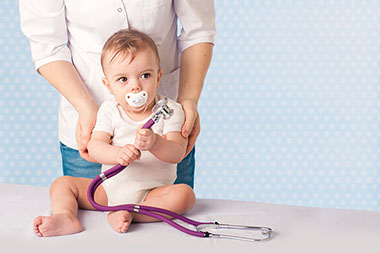
    Image of parent holding baby on doctor's table.

    When somebody needs to see the doctor, it’s best to make the most of your visit, said Dr. Hannah Chow, Loyola University Health System pediatrician, who shares this advice:

    *  Ask your most important questions first. Bring a list of questions. Keep it short.

    *  Make good use of the office nurse. Sometimes the nurse can answer your questions by phone right away. A doctor may not be able to call you back until the end of the day.

    *  Make sure your phone number and address are correct in your chart.

    *  Never assume no news is good news regarding tests, labs, X-rays and other similar results. Always contact your doctor’s office if you do not receive a test result in the expected time frame.

    *  Fill out papers to the best of your ability. If the doctor needs to sign a release to the school to give your child medication, fill out which drug and which child.

    *  Don’t bring too many other children to the appointments.

    *  Schedule annual physicals early. Doctors’ offices get very busy for back-to-school and sports appointments.

    © American Institute for Preventive Medicine

  • Best Snacks To Eat Before And After Exercise

    HEALTHY EATING

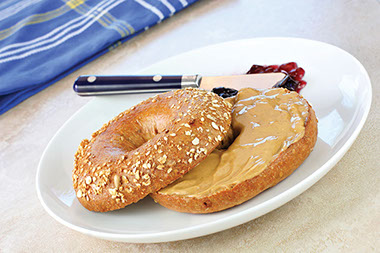
    Image of a whole grain bagel with a peanut butter spread.

    Pick the right foods that give the most energy regardless of your activity level. Carbohydrates are the first responders to the body’s need for energy during exercise. Protein and fat are not nearly as efficient.

    Hit the trail or the gym with the following healthy food ideas before and after your workout, suggests Anita Kobuszewski, RD, author of Food: Field to Fork, How to Grow Sustainably, Shop Wisely, Cook Nutritiously, and Eat Deliciously:

    *  Whole-grain bagel with peanut butter and yogurt

    *  Thin-crust pizza with green peppers

    *  Granola with low-fat milk and banana

    *  Trail mix with nuts and dried fruit (see Walk the Trail Mix recipe)

    *  Instant oatmeal made with low-fat milk

    *  Bran or corn muffin with egg whites and salsa

    *  Fig bars with peanut butter and juice

    © American Institute for Preventive Medicine

  • Better Health Is In Your Pocket

    SELF-CARE CORNER

    Image of doctor holding up a smart phone.

    Most people spend time every day on their smartphone or tablet. Why not put that time to good use by downloading an app that can help you improve your health? There are thousands of health apps available to suit many different health goals and personality types. Check out some of these health apps you can start using today:

    Relax Melodies by Ipnos Software(for iPhone and Android)

    Quality sleep and stress management are an important part of good health. This app lets you choose your favorite sounds to create a personalized relaxing song that helps you relieve stress and sleep better.

    Calorie Counter by MyFitnessPal(for Android)

    For those trying to make better food choices or lose weight, sometimes knowing how much you eat can make a big difference. This app allows you to track food intake and exercise with a large food database. Connect with other users for encouragement and support.

    Diet Controller by Margaret Dangerfield(for iPhone)

    This app can help you view your eating and fitness activities on your devices. Log and track your daily food intake with a USDA-based food database. Users also can create charts and reports while tracking nutrients, calories and exercise.

    Hydro Coach by Codium App Ideas(for Android) orWater App by Inspiring Life Technologies(for iPhone)

    Drinking water is an easy, healthy way to fight fatigue and may help you consume fewer calories. These apps are designed to help you track how much you’re drinking and to offer reminders when it’s time for another glass.

    Quitter’s Circle by Pfizer Inc. and the American Lung Association(for iPhone and Android)

    For those trying to quit smoking, this app allows you to create a personalized quit plan, connect with others for support, get quitting tips, and celebrate milestones.

    Hundreds of health-related apps are available today – and many of them cost less than $10. Try an app that suits your life for a high-tech way to be healthier!

    © American Institute for Preventive Medicine