Author: AIPM

  • Beware Of Exercise Gimmicks

    BE FIT

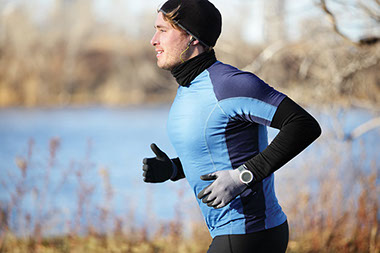
    Image of man running outside.

    Let’s face it: working out is, well, work. It takes time and commitment to exercise regularly, and sticking to it can be tough.

    Exercise gimmicks and fads target the millions of people who want the benefits of exercise but may be looking for a quicker solution. Some products may claim to “spot reduce,” or slim one area of the body, such as the tummy or legs. Others may claim to give you the benefits of a long workout in just a few minutes.

    Sometimes it’s hard to tell whether something is an effective piece of equipment or a scam. Before purchasing, ask yourself if the product:

    *  Promises amazing results without any work or “sweat”

    *  Focuses on just one area of the body, saying you can trim this problem area

    *  Advertises that you can lose many inches or pounds in just a few days or weeks

    *  Doesn’t provide a clear cost for the equipment or only offers monthly payment plans

    Unfortunately, many of these products don’t do what they claim, and some may not work at all. But, you don’t need a device or special equipment to reap the benefits of exercise. You can lose weight and get healthier with just 30 minutes a day of activity. Walking, gardening, dancing and biking are possible options. Pick something you enjoy so you’ll stick with it. If you don’t have 30 minutes in your day, break it up into three 10-minute chunks.

    Instead of worrying about the latest fitness gimmick, stick to the activities listed above. Your health and fitness level will improve, and you can save your money for fitness rewards, such as a new pair of walking shoes or exercise clothes.

    Source: National Institute of Diabetes and Digestive and Kidney Diseases

    © American Institute for Preventive Medicine

  • Beware Of “Free” Trials

    FINANCIAL HEALTH

    Image of the words "Scam Alert"

    We’ve all seen offers for “free trials” of products or services. It seems like a good idea because if you don’t like it, you can just end the trial and pay nothing, right?

    Not necessarily. Here are some of the ways dishonest companies may use these trial offers:

    *  They make it hard for the consumer (you) to cancel. Perhaps you need to call a phone number, but you can’t get anyone to answer or they put you on hold for long periods.

    *  They hide the terms and conditions in tiny type that’s hard to read.

    *  They use pre-checked boxes as the “default” setting online.

    *  They have extremely strict rules about returning and canceling something.

    *  They charge you for shipping and handling. This means they now have your credit card number, making it easy for them to charge you for something later.

    *  They automatically enroll you in a club or subscription that sends you things each month. Or, the subscription automatically renews without your consent.

    Even with honest and good business practices, you’ll still need to cancel or take some other action before the trial ends. If you don’t, the company may take this as a go-ahead to charge you for something you may not want.

    Avoiding Scams

    Not all free trials are scams. But, before you sign up for one, take these steps:

    *Research the company online.Look for customer complaints about their service or trial offers.

    *Read the terms and conditions.If you can’t find them, don’t sign up.

    *Beware of pop-ups.A pop-up on a website may be from a different company. Be sure you deal with the company you really want.

    *Watch out for pre-checked boxes.A little checkmark may give your consent to continue the offer past the free trial or to sign up for more products.

    *Mark your calendar.Be sure you are ready to cancel your trial before it expires. Plan to do this at least a couple of days in advance so you are well within the time limit.

    *Check your credit and debit card statements.If you see unknown charges, contact the company. If that doesn’t work, contact your credit card company to dispute the charge.

    If you’ve been wrongly charged for a free trial offer, report it to the Federal Trade Commission. You also can contact your local consumer protection agency, and file a complaint with the Better Business Bureau.

    Source: Federal Trade Commission

    © American Institute for Preventive Medicine

  • Beware Of Hidden Weight-Loss Ingredients

    WELL-BEING

    Image of different supplements.

    Many so-called miracle supplements and foods (including teas and coffees)-often touted for weight loss-don’t live up to their claims, says the FDA. Worse, they can cause serious harm.

    Hundreds of products are marketed as dietary supplements but actually have hidden active ingredients contained in prescription drugs, unsafe ingredients that were in drugs that have been removed from the market, or compounds that have not been adequately studied in humans.

    Many of these tainted products are imported, sold online, and heavily promoted on social media sites. Some can also be found on store shelves.

    And if you’re about to take what you think of as “natural” dietary supplements, such as bee pollen or Garcinia cambogia, you should be aware that the FDA has found some of these products also have hidden active ingredients contained in prescription drugs.

    The only natural way to lose weight is to burn more calories than you take in by combining healthy eating with physical activity.

    Under the Federal Food, Drug and Cosmetics Act (as amended by the Dietary Supplement Health and Education Act of 1994), dietary supplement firms do not need FDA approval before marketing their products. It is the company’s responsibility to make sure its products are safe and that any claims made about such products are true.

    Bottom line:

    Just because you see a supplement product on a store shelf does not mean it is safe.

    Look for these potential warning signs of tainted products:

    *  Promise of a quick fix, for example, “lose 10 pounds in one week”

    *  Use of the words guaranteed or scientific breakthrough

    *  Marketed in a foreign language or through mass emails

    *  Touted as herbal alternatives to an FDA-approved drug or as having effects similar to prescription drugs

    © American Institute for Preventive Medicine

  • Bites On The Hand That Feeds It

    SELF-CARE CORNER

    Image of different pets, including dogs, cats, rabbits and hamsters.

    More than 4 million people are bitten by dogs and cats each year. And orthopedic surgeon Dr. Stephen Kennedy said all bites to the hand should receive medical care, although he says most people are reluctant to see a doctor.

    Animal saliva contains a broad range of bacteria. Adult dog jaws, especially among larger breeds, can bite with a force of more than 300 pounds, and when combined with the variety and sharpness of their teeth can cause significant injuries to hand and finger ligaments, tendons, and bones.

    Cats do not have the jaw strength of dogs, but their sharp, narrow teeth also can cause serious injury. Up to half of cat bites get infected.

    Signs of infection:

    *  Redness

    *  Swelling

    *  Pain that worsens

    *  Fever

    If a bite occurs:

    *  Inspect the hand carefully for any puncture wounds. Even a small wound can inject lethal bacteria under the skin.

    *  If there is a puncture wound of any size, wash it as soon as possible with soap and water. Then seek medical advice.

    *  Get immediate medical attention if you see redness, feel increasing pain over time, or see red streaking up the hand or arm (or along a tendon). These are signs of a serious infection.

    Antibiotics are often given to reduce the chance of infection. More serious bites may need surgery to clean the wound.

    © American Institute for Preventive Medicine

  • Black Bean Burgers

    HEALTHY EATING

    Image of a black bean burger.

    Ingredients

    1 can of 15.5 ounce low-sodium black beans (drained and rinsed with cold water)

    1 large egg

    1/2 cup cooked brown rice*

    2 scallions (green and white minced, about 1/4 cup)

    2 Tablespoons chopped fresh cilantro (or basil leaves or a combination)

    1 garlic clove (peeled and minced)

    1/4 teaspoon dried oregano or basil

    1 teaspoon vegetable oil

    1/2 teaspoon salt

    1/2 teaspoon black pepper

    4 whole-wheat buns

    Directions

    1. Add beans to a bowl and mash with a fork until chunky. Add the egg and mix well.

    2. Add precooked rice*, scallions, cilantro, garlic and oregano, salt and pepper and mix until well combined.

    3. Divide the mixture into 4 portions and form each portion into a patty about ¾ to 1 inch thick.

    4. Place a large skillet on the stove on high heat. When the skillet is hot, add oil. Add burgers and cook 4 to 5 minutes per side until browned on both sides and heated throughout. Place on a whole-wheat bun.

    *Try using old-fashioned rolled oats, leftover cooked barley or Panko breadcrumbs instead of prepared rice.

    Serve with your favorite toppings, such as lettuce, tomato, guacamole, salsa, low-fat cheese or low-fat yogurt.

    Serves 4. Per serving: Calories: 274; Total Fat: 5 g; Saturated Fat: 1 g, Sodium: 668 mg; Total Carbohydrate: 47 g; Dietary Fiber: 12 g; Protein: 13 g

    Source: What’s Cooking? USDA Mixing Bowl

    © American Institute for Preventive Medicine

  • Bloody Nose Know-How

    MEDICAL NEWS

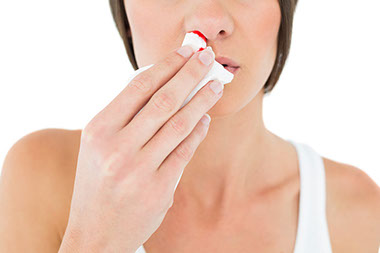
    Image of a nose bleed.

    Maybe you blew your nose too hard or bumped your nose. Causes aren’t always known. But when the blood starts gushing, nosebleeds can be frightening.

    Experts at eMedicineHealth tell what to do: Remain calm. Sit up straight and lean your head forward. Contrary to what some people think, do not lean your head back, you’ll only swallow the blood.

    Ice packs do not help either. Pinch your nostrils tightly together with your thumb and index finger for 10 minutes. Just hold it. Breathe through your mouth, of course. Do not release your grip.

    That should stop the blood flow, usually from an artery in the front of your nose. Then be nice to your tender nose for the rest of the day. Think about adding humidity to the air when you sleep, especially in dry winter weather.

    © American Institute for Preventive Medicine

  • Books And Bedtime Routine

    WELL-BEING

    Image of a mom reading a book to her young toddler.

    Whatever happened to the good old-fashioned bedtime story? Not an iPad app or a TV show before bed. But a real story, read in bed to a child by a parent.

    Seems that bedtime routines help kids sleep better, say researchers at Penn State in this NIH-funded study. They say well-established rules such as a regular bedtime and no caffeine drinks led to children getting adequate sleep for their age. In contrast, when parents and kids had electronic devices in the bedroom after bedtime, lack of sleep was more likely.

    Poor sleep could lead to behavioral problems, impaired learning and school performance, sports injuries, mood issues, and health problems such as obesity.

    © American Institute for Preventive Medicine

  • Boomers Beware

    BE FIT

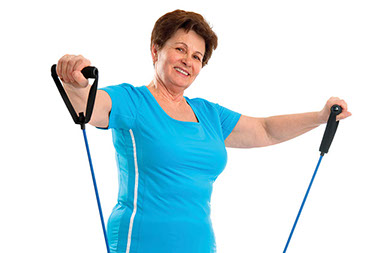
    Image of older women with exercise equipment.

    Boomers are now age 50 and older. And they are getting lots of injuries to backs, knees, hips, ligaments and tendons (the structures that attach muscles to bones).

    Regular exercise is critical for maintaining and improving bone and muscle strength. And yet if not done properly, exercise can result in pain and injury, sprains and strains. The American Academy of Orthopaedic Surgeons offers the following exercise safety advice for anyone older than 50:

    Warm up and stretch.Walking, bending, jumping jacks, and running in place before exercise gets and keeps the circulatory system moving and helps prevent injury. Stretching can be done before or after a workout.

    Exercise consistently.Don’t be a weekend warrior. Try to get at least 30 minutes of moderate physical activity every day.

    Take lessons.Consider taking lessons for the sport you love. Whether you’re new to a sport or have been taking part in it a long-time, proper form and instruction reduce the chance of an overuse injury like tendonitis or stress fractures.

    Wear the proper equipment.Select the proper gear and shoes for your sport.

    Listen to your body.As you age, you may find that you are not as flexible as you once were, or that you cannot tolerate the same types of activities. If so, modify your exercise routine to accommodate your body’s needs. For example, if you’ve been a daily runner for many years, consider replacing a day or two of that activity with swimming, biking, or another sport that puts less impact on your joints.

    Use the 10% rule.When changing your activity level, increase it in increments of no more than 10% per week. Slowly build up each week until you reach your higher goal. This will prevent overuse injuries that may keep you from exercising or enjoying your favorite sport for some time.

    Develop and maintain a balanced fitness program.Include cardiovascular exercise, strength training, and flexibility. A balanced exercise program will provide a total body workout. This keeps you from getting bored and lessens your chances for injury.

    Take a break.Hard workouts can take a toll on your body and thus require strategies aimed at recovery. Learn to take a day off or cut back your training to allow your body to adapt and recover. Gentle stretching, light aerobic exercises, and proper nutrition and hydration are all helpful to the recovery process.

    Consult your doctor.If you develop or have had a sports or orthopedic injury like tendonitis, arthritis, stress fracture, or low back pain, consult an orthopedic surgeon who can help design or modify your fitness routine to promote wellness and minimize the chance of injury.

    © American Institute for Preventive Medicine

  • Bounce House Dangers

    FAMILY LIFE

    Image of a bounce house.

    If your kids like to moonwalk and jump in those ever-present birthday-party experiences called bounce houses, know about these dangers. A child goes to the ER every 45 seconds because of bouncing injuries.

    Researchers at Nationwide Children’s Hospital say inflatable bouncers are the cause of a 15-fold increase in injuries to kids-mostly broken bones, strains and sprains but also head and neck injuries. The findings were published in Pediatrics.

    Injury patterns for inflatable bouncers are similar to those the docs see on trampolines, which have national safety guidelines. Bounce houses have no guidelines. So set your own rules.

    The researchers suggest parents should consider the risks before allowing their children to use an inflatable bouncer.If you allow your child to use an inflatable bouncer, limit use to children 6 years of age and older. Make sure an adult is there to supervise while the bouncer is in use and allow only one child on the bouncer at a time. If more than one child will be on the bouncer at the same time, the children should be about the same age and size.

    © American Institute for Preventive Medicine