Author: AIPM

  • Breaking Bad Habits

    WELL-BEING

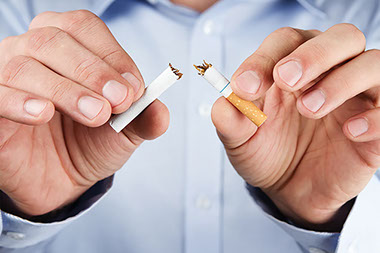
    Close-up image of a person breaking a cigarette in half.

    Bad habits may be hard to change, but it can be done. Smoking, for example, can be stopped. So can alcohol abuse.

    If you could only … but why don’t you? Scientists at the NIH study what happens in your brain as habits form. They come about through repetition. Brushing your teeth in the morning is a good habit. Reaching for a cigarette-bad habit.

    Habits trigger pleasure centers in your brain. First, focus on becoming more aware of your bad habits. Then try these strategies to counteract them:

    *  Avoid tempting situations. If you don’t buy candy bars, it won’t be as easy to eat one.

    *  Prepare mentally. Think about how you want to handle it and mentally practice what you plan.

    *  Enlist support. Ask friends, family, and coworkers to support your efforts to change.

    *  Replace unhealthy bad habits with healthy ones. Exercise or try a new hobby.

    *  Reward yourself for small steps.

    © American Institute for Preventive Medicine

  • Breast Cancer And Rashes

    MEDICAL NEWS

    Image of pink ribbon.

    When you spot a rash on your skin, you probably don’t worry too much about it. After all, most rashes are simply due to minor problems like a mosquito bite, chafing, or an irritating skin care product. Though most rashes are not dangerous, it’s important to pay attention to your skin. A rare, dangerous form of breast cancer known as inflammatory breast cancer (IBC) often starts with a rash or skin changes on the breast. IBC doesn’t cause a telltale “lump” that many people expect from breast cancer. It may not show up on a mammogram either.

    What rashes should be checked?

    Many things can cause rashes on the breast, but some signs should be checked by a doctor. Call your doctor if you notice any of these changes on the breast:

    *  Pain, tenderness or itching on the breast

    *  Skin that looks or feels thicker

    *  An area that feels hard

    *  Skin that has pits or ridges or looks like an orange peel

    *  A nipple that turns inward or changes shape

    *  Swelling that makes one breast look larger than the other

    *  Skin that is swollen

    *  A breast that feels warm or heavy

    Don’t panic – but get checked

    It’s important to know that IBC is very rare. It makes up about 1 to 3 percent of all breast cancer cases.

    Some less serious problems like mastitis (an infection of the milk ducts) can have some of the same symptoms as IBC. If you notice any changes in your breasts, be sure to contact your health care provider.

    The many types of breast cancer

    There are several different kinds of breast cancer. Some start in the milk ducts, glands or other tissue, such as muscle or fat.

    The most common type of cancer is invasive (or infiltrating) ductal carcinoma. This type of cancer makes up about 80 percent of all breast cancer cases. It starts in a milk duct and spreads into the fatty tissue in the breast.

    Be aware of these other breast cancer signs and call your doctor if you notice them:

    *  A lump or mass in the breast

    *  Nipple discharge (not breast milk for nursing mothers)

    *  Pain or swelling in the breast or nipple

    *  Any unusual changes to the breast or nipple, including new moles

    Seeing your doctor for regular visits and getting mammograms as recommended is the best way to detect breast cancer early.

    Source: American Cancer Society
    © American Institute for Preventive Medicine

  • Breast Cancer Awareness

    SELF-CARE CORNER

    Image of a group of women wearing pink shirts, smiling with thumbs up.

    During the month of October, many organizations, groups and individuals across the world increase awareness of breast cancer and raise funds to research the disease and find a cure.

    Breast cancer is the second most common kind of cancer in women. About 1 in 8 women born today in the United States will get breast cancer at some point. The good news is that many women can survive breast cancer if it’s found and treated early.

    *  If you are a woman age 40 to 49, talk with your doctor about when to start getting mammograms and how often to get them.

    *  If you are a woman age 50 to 74, be sure to get a mammogram every 2 years. You may also choose to get them more often.

    Risk factors for breast cancer in women include:

    *  Increasing age

    *  Changes in BRCA1, BRCA2, and other cancer genes

    *  Personal history of breast cancer or a mother or sister has or had breast cancer

    *  Dense breast tissue (shown on a mammogram)

    *  Certain abnormal breast changes that are not cancer. These changes are found during a breast biopsy.

    *  Radiation therapy to the chest before age 30

    *  Never giving birth or having a first full-term pregnancy after age 30. Never breast-fed  a baby.

    *  Being obese or overweight after menopause

    *  Hormone therapy (estrogen plus progestin) after menopause

    *  Alcohol-the more used, the greater the risk.

    *  Lack of physical activity throughout life

    Talk to a doctor about your risk for breast cancer, especially if a close family member of yours had breast or ovarian cancer. Your doctor can help you decide when and how often to get mammograms.

    FYI

    The third week of October is Male Breast Cancer Awareness Week. Though rare, men can get breast cancer too. For men, the lifetime risk of being diagnosed with breast cancer is about 1 in 1,000. Yearly, about 450 men in the U.S. die from breast cancer. Men should look for and report a lump or other change in a breast to their doctors.

    © American Institute for Preventive Medicine

  • Brighter, Whiter Smile

    WELL-BEING

    Image of older couple smiling.

    Whitening procedures and products can help restore a whiter smile. But there’s a dark side to whitening your teeth, according to the Pennsylvania Dental Association. Certain tooth whitening procedures being done by nondentists at salons, spas, and even shopping malls may not be what’s right for you.

    The association says to have a thorough exam performed by a licensed dentist before having any tooth whitening procedure. You may have problems with some of the solutions especially if you have many fillings, crowns, and extremely dark stains.

    After a thorough exam, your dentist can determine if bleaching is right for you. The following are common treatment options your dentist may recommend:

    *Prescription bleaching kits.These are dispensed by a licensed dentist and contain peroxides that will bleach the tooth enamel. Gel whiteners are placed in a tray similar to a mouth guard. By obtaining the bleaching solution from your dentist, he or she can make a custom-fitted tray specifically designed to fit your teeth. Poorly fitting trays can irritate your gums and cause tissue burning.

    *Zoom whitening.Also known as power whitening, this is a high concentration of hydrogen peroxide gel coupled with a high-intensity light used to whiten the teeth. This in-office procedure takes about one hour. The teeth whitening lasts about three years.

    *Whitening toothpaste.This will not change the natural color of teeth, but some contain a special chemical or polishing agent to help remove stains from the tooth surface.

    © American Institute for Preventive Medicine

  • Build A Strong Core

    BE FIT

    Image of older man sitting on chair.

    “A strong core is key to good posture and for doing most day-to-day activities with ease, such as getting in or out of a car, walking up and down stairs, or reaching for a book from a shelf,” said Michelle Miller, an exercise physiologist at Indiana University. Weak core muscles can result in poor posture, increased susceptibility to back injuries, poor balance, lack of range of motion, and an altered walking stride.

    See how it feels to turn on your core muscles-in less than a minute.

    *  Sit on the edge of a firm chair with feet and legs at a 90-degree angle and place both hands on the front of your stomach area.

    *  Now, draw your bellybutton toward the center and pretend to lift at the same time to feel contracted and lengthened throughout the middle of the body-but not so much you hold your breath. Miller often tells clients to imagine putting on a tight jacket and then zipping it up. When doing this, the front and back of the body should contract at the same time.

    *  Finding the neutral position of the hips is important for proper posture. The hips should not be tipped forward or backward. Miller encourages you to “think of your pelvis as a bucket of water-tipping means spilling.”

    *  Now, for the shoulders and head. The head should not jut forward, nor the shoulders round in. Face straight ahead, chest high and sit tall.

    “If you can hold this position sitting, you can hold it when you walk, drive, do household chores or other leisure time activities,” Miller said.

    © American Institute for Preventive Medicine

  • Bullying: How To Take Action

    FAMILY LIFE

    Image of kids wispering and pointing towards a classmate whose head is down.

    Bullying can be hard to address, especially if it’s happening to your child. Knowing how to deal with bullying can help you support your child and stay calm about it. This is important because bullying can happen more than once.

    Dealing with bullying in the right way can help you (and your child) put a stop to it. If your child is being bullied, take the following steps:

    *  Talk to your child about what happened. Without interrupting or giving your opinion, let your child openly talk about what was said or done in the bullying situation. Be sure you understand the whole story. Support them as they talk by telling them you want to help, and by keeping your actions as calm as possible.

    *  Tell the child that bullying is not their fault. No one deserves to be bullied.

    *  When giving advice, use clear examples. Role playing can be very helpful in teaching a child what to do. Never tell them to fight back or use violence. This doesn’t help the situation and can get your child in trouble or hurt.

    *  Ask your child how you can help them feel safe again. Try not to single him or her out by making changes in their routine, such as switching classes or buses. Instead, try taking other steps, such as changing seating arrangements in school or on the bus.

    *  Talk with the school or organization. State your concerns and ask them how they feel it can be addressed. Remember that the school staff cannot “discipline” other kids. Even if you want to, avoid talking with the bullying child’s parents. School officials can talk with them and be a neutral moderator.

    *  Consider getting professional support for your child. Sometimes a school counselor or mental health expert can help a child who has been bullied.

    Bullying should never be ignored. Kids who are bullied may be at higher risk for health problems like:

    *  Depression

    *  Anxiety

    *  Sleep problems

    *  Loss of interest in activities

    Their grades may also suffer. Kids who are bullied are more likely to miss school or drop out.

    Source: Stopbullying.gov

    © American Institute for Preventive Medicine

  • Burn Notice

    SELF-CARE CORNER

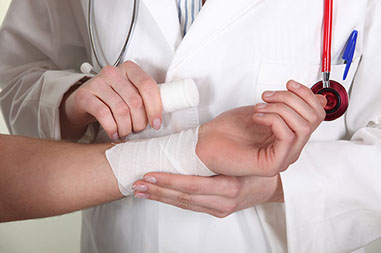
    Close-up image of a doctor wrapping up a burn on a patients arm.

    Follow this simple advice from the Home Safety Council and H2otStop to help reduce the risk of burn and scald injuries at home:

    Bathing

    *  Set your water heater at 120ºF or just below the medium setting.

    *  Fill the bathtub. Run your hand through the water to test for hot spots. Then help children get in. When children are in or near the tub, watch them closely. Young children and older people have thin skin. They burn more quickly.

    *  Install special tub spouts and shower heads that prevent hot water burns. These can sense if the water gets hot enough to cause a burn and shut off the flow of water.

    Cooking

    *  Wear long oven mitts to protect your skin when cooking or handling hot food.

    *  Turn pot handles toward the back of the stove so children cannot pull them down. Use back burners when cooking. Keep children away from the stove when you are cooking. Put tape on the floor around the stove/oven to help children learn to stay out of the “no-kid-zone.”

    *  Food cooked in the microwave can get very hot and cause a burn. Use oven mitts when you take off the lid. Stir and test the food before serving to make sure it is cool enough to eat.

    *  Keep hot drinks away from the edge of tables and counters. Do not use tablecloths or placemats because young children can pull them down. Use a travel mug with a tight-fitting lid for all hot drinks. This can help prevent a burn if the cup tips over.

    *  Do not hold or carry a child while you have a hot drink in your hand. Put only cold drinks in the cup holder of your child’s stroller and child safety seat.

    If a burn occurs:

    *  Cool it with running water. Do this right away.

    *  Keep the burned area in cool water for 3 minutes or longer. Do not put ice, butter, or lotion on the burn. This could make it worse.

    *  Call your doctor or 911 if the burn looks bad.

    © American Institute for Preventive Medicine

  • Bursitis Isn’t Just For Grandma

    MEDICAL NEWS

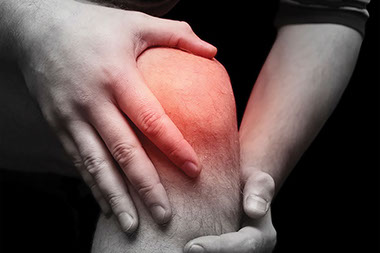
    Close up image of man's knee in pain.

    Hey, activity is good for you. But what happens when activity triggers sore, aching, and swollen joints?

    The problem could be bursitis-that’s what your grandmother used to call it. Bursitis occurs when the bursae (those fluid-filled sacs that surround and cushion joints) become irritated or infected, often causing pain when you move. Sometimes an infection develops.

    © American Institute for Preventive Medicine

  • Busting Myths About Alzheimer’s

    MEDICAL NEWS

    Image of eldery man in wheelchair with daughter and granddaughter.

    More than 5 million Americans are living with Alzheimer’s and many myths still exist about it.

    MYTH: Alzheimer’s and dementia mean the same thing.

    FACT:Dementia is a group of symptoms that can be caused by Alzheimer’s and other diseases. Up to 80 percent of dementia cases are caused by Alzheimer’s disease. But, dementia can be caused by other conditions, such as Parkinson’s disease.

    MYTH: Everyone gets forgetful with age, so Alzheimer’s is no big deal.

    FACT:Alzheimer’s is not a normal part of aging. Alzheimer’s gets worse over time. Eventually, someone with Alzheimer’s will be unable to have a conversation or do normal everyday tasks. The earlier Alzheimer’s is diagnosed, the sooner treatment can start. This may help delay the disease’s progression.

    MYTH: Alzheimer’s won’t hurt you physically. You can live with the memory loss and other symptoms.

    FACT:Alzheimer’s is the sixth leading cause of death in the United States. Some people may live up to 20 years after diagnosis, but there are no survivors.

    MYTH: Medicine can cure Alzheimer’s.

    FACT:Treatments can help slow down the disease, but there is no cure. Alzheimer’s will eventually progress, even with treatment. The treatments may help improve quality of life for those with Alzheimer’s and their caregivers. Research is underway to find ways to prevent the disease and hopefully cure it.

    Source: Alzheimer’s Association

    Look for early signs of Alzheimer’s

    Detecting Alzheimer’s early is important. Since everyone forgets things from time to time, it can be hard to know what’s normal forgetfulness and what’s something more serious. People in the early stages may still work, drive and do daily tasks. They may think they are fine, and deny they have any memory issues.

    Look for these signs as possible flags that could mean early Alzheimer’s and talk to a doctor if you notice them:

    *  Problems coming up with the right word for something

    *  Can’t remember names when introduced to new people

    *  Trouble performing tasks at work or home

    *  Forgetting something that was just read or told

    *  Losing a valuable or important item

    *  Having trouble planning or organizing

    Though these signs don’t mean a person has Alzheimer’s for sure, it’s best to see a doctor.

    © American Institute for Preventive Medicine