Author: AIPM

  • Busting The Myths About Breast Cancer

    MEDICAL NEWS

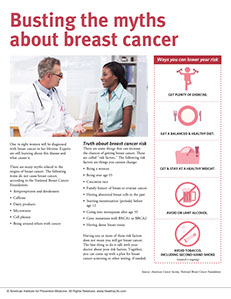
    Image of doctor and patient.

    One in eight women will be diagnosed with breast cancer in her lifetime. Experts are still learning about this disease and what causes it.

    There are many myths related to the origins of breast cancer. The following items do not cause breast cancer, according to the National Breast Cancer Foundation:

    *  Antiperspirants and deodorants

    *  Caffeine

    *  Dairy products

    *  Microwaves

    *  Cell phones

    *  Being around others with cancer

    Truth about breast cancer risk

    There are some things that can increase the chances of getting breast cancer. These are called “risk factors.” The following risk factors are things you cannot change:

    *  Being a woman

    *  Being over age 55

    *  Caucasian race

    *  Family history of breast or ovarian cancer

    *  Having abnormal breast cells in the past

    *  Starting menstruation (periods) before age 12

    *  Going into menopause after age 55

    *  Gene mutations with BRCA1 or BRCA2

    *  Having dense breast tissue

    Having one or more of these risk factors does not mean you will get breast cancer. The best thing to do is talk with your doctor about your risk factors. Together, you can come up with a plan for breast cancer screening or other testing, if needed.

    Ways you can lower your risk

    *  Get plenty of exercise.

    *  Eat a balanced & healthy diet.

    *  Get & stay at a healthy weight.

    *  Avoid or limit alcohol.

    *  Avoid tobacco, including second-hand smoke (research is ongoing)

    Sources: American Cancer Society, National Breast Cancer Foundation

    © American Institute for Preventive Medicine

  • Butternut Squash With Black Beans

    HEALTHY EATING

    Image of buttermilk squash with black beans.

    Ingredients

    2-3/4cups butternut squash, cubed

    1 teaspoon vegetable oil

    1 onion (small, chopped)

    1/4 teaspoon garlic powder

    1/4 cup red wine vinegar

    1/4 cup water

    2 cans black beans (16 ounces each, rinsed and drained)

    1/2 teaspoon oregano

    Directions

    1. Heat the squash in the microwave on high heat for 1-2 minutes. This will soften the skin.

    2. Carefully peel the squash with a vegetable peeler or small knife. Cut the squash into 1/2 inch cubes.

    3. Peel and chop the onion.

    4. In a large pan, heat the oil. Add the onion, garlic powder and squash. Cook for 5 minutes on medium heat.

    5. Add vinegar and water. Cook on low heat until the squash is tender, about 10 minutes.

    6. Add the beans and oregano. Cook until the beans are heated through.

    Serves 6: Per serving: Calories: 209; Total Fat: 2 g; Saturated Fat: 0 g; Sodium: 317 mg; Total Carbohydrate: 39 g; Dietary Fiber: 9 g; Protein: 11 g

    Source: USDA Mixing Bowl

    © American Institute for Preventive Medicine

  • Buy Local. Eat Local.

    HEALTHY EATING

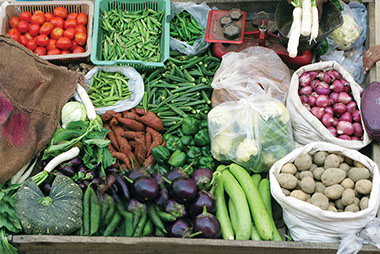
    Image of a farmer's market stand filled with vegetables.

    Did you know the average supermarket produce travels about 2,000 miles to your neighborhood grocery store? Farmers’ market produce travels less than 50 miles, according to University of Nebraska-Lincoln Extension experts who offer these buying and storing tips:

    *Go right home from the market.Foods will decline in quality, and perishable foods such as meats and eggs can pose food safety problems if left sitting in your car. Bring along a cooler with ice if it will take more than an hour or so to get perishables into your refrigerator.

    *Store at room temperature:bananas, melons, onions, potatoes, sweet potatoes, tomatoes, and winter squash. Store them in a clean, dry, well-ventilated place, away from direct sunlight and away from areas where meat is prepared.

    *Ripen on the counter and then put in the refrigerator:avocados, kiwifruit, nectarines, peaches, pears, and plums. Do not keep produce in a sealed plastic bag on the countertop. This slows ripening and may increase off-odors and decay from the buildup of carbon dioxide and depletion of oxygen inside the bag.

    *Store in refrigerator most other fresh fruits and vegetables.Use your refrigerator crisper drawer for whole produce. Store fruits in a separate refrigerator crisper drawer from vegetables. Fruits give off ethylene gas, which can shorten the storage life of vegetables. Some vegetables give off odors that can be absorbed by fruits and affect their quality.

    *Refrigerate fruits and vegetables in perforated plastic bags.This helps maintain moisture yet provide air flow. Make your own: use a sharp object to make several small holes in a food-grade plastic bag (about 20 holes per medium-size bag). Air-tight plastic bags can lead to the growth of mold or bacteria.

    *Wash your hands and produce thoroughly.Wash produce before you use it, NOT when you bring it home. Fresh produce has a natural protective coating that helps keep in moisture and freshness. Washing produce before storage causes it to spoil faster.

    *Remove and discard outer leaves.Rinse under clean, running water just before preparing or eating. Don’t use soap or detergent. It can get into produce and make you sick. Rub briskly-scrubbing with a clean brush or hands-to clean the surface. Dry with a clean cloth or paper towel. Rinse produce even when the peel is removed-such as melons and citrus fruits. Once you have cut through the protective skin of fruits and vegetables, bacteria can enter. Refrigerate cut or peeled fruits and vegetables within 2 hours.

    *Take your own bags or baskets to the farmers’ markets.And be sure to wash them too. Bacteria can grow inside.

    © American Institute for Preventive Medicine

  • Bye Bye Belly Fat

    BE FIT

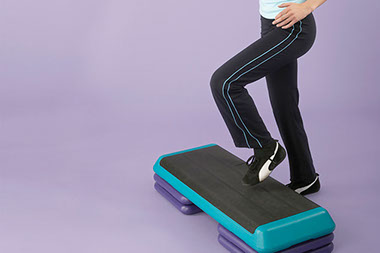
    Image of women exercising.

    Aerobic exercise, not weight training, is your best bet when it comes to saying goodbye to that dreaded belly fat, a new study finds.

    This isn’t the fat that lies just under your skin and causes the unsightly muffin top. Belly or abdominal fat-known as visceral fat and liver fat-is located deep within the abdomen and fills the spaces between internal organs. It’s been associated with increased risk for heart disease, diabetes, and certain kinds of cancer.

    “When it comes to increased health risks, where fat is deposited in the body is more important than how much fat you have,” said Duke exercise physiologist Cris Slentz, PhD, lead author of the study in the American Journal of Physiology. “Our study sought to identify the most effective form of exercise to get rid of that unhealthy fat.”

    The Duke study showed aerobic training greatly reduced belly fat and liver fat and improved some other risk markers for diabetes and heart disease.

    Resistance (or weight) training is still effective for improving strength and increasing lean body mass. But aerobic training burned 67% more calories in the study when compared to resistance training.

    Even moderation works. “What really counts is how much exercise you do, how many miles you walk, and how many calories you burn,” Dr. Slentz said. “If you choose to work at a lower aerobic intensity, it will simply take longer to burn the same amount of unhealthy fat.”

    © American Institute for Preventive Medicine

  • Call The Doctor If Your Child Has Any One Of These 10 Symptoms

    FAMILY LIFE

    Image of mother checking daughter's temperature.

    1.Extreme changes in behavior:Not being aware of surroundings or familiar people. Changes in speaking, such as difficulty forming words or completing thoughts.

    2.Signs of dehydration:Unable to keep down liquids. Frequent vomiting or diarrhea. Little oral intake and a dry sticky mouth. Urinating infrequently (less than every 8 hours in children younger than age 1; less than every 12 hours in children older than age 1).

    3.Pains that awaken a child at night:headaches, stomach aches, or muscle aches that awaken a child from a sound sleep.

    4.Abdominal pain that gets worse and won’t go away:If pain does not improve with child over-the-counter pain relievers. If a fever also is present. Pain with physical movement like walking.

    5.Blood in urine or stool:Blood in urine is very uncommon in children and could be a sign of infection or a kidney problem. Blood in stool when a child has not been constipated. Blood in stool when there is a history of travel. Painless bleeding without bowel movement.

    6.Pain or frequency with urination:Going to the bathroom many times in an hour. Pain when trying to urinate. Eating and drinking a lot but still losing weight. If a child is not verbal, look for these clues: irritability, crankiness, and fever for 2-3 days with no known cause.

    7.Fevers in certain age groups:Any child younger than 2 months with a rectal temperature of 100.4 degrees or higher should be seen immediately. Ages 2 months to 3 years with a fever for 2 to 3 days but no known cause. Fevers lasting longer than 5 to 6 days.

    8.Breathing problems:If your child does not have asthma and any of the following are happening: Rib cage squeezing, flared nostrils, straining abdominal muscles. Audible wheezing, which is a noise that sounds like harsh air blowing through a straw. A tight whistling sound during inhalation. If this isn’t helped by a cool mist or humidity, seek medical attention immediately. Coughing that is so severe that your child can’t breathe.

    9.Difficulty drinking:Can’t drink enough to urinate every 3-4 hours. Going 8-12 hours or more without urinating.

    10.Parent’s gut instinct that something is wrong.

    Source: Dr. Hannah Chow-Johnson, pediatrician at Loyola University Health System and assistant professor of pediatrics at Loyola University Chicago Stritch School of Medicine

    © American Institute for Preventive Medicine

  • Calming An Irritable Bowel

    SELF-CARE CORNER

    Image of a women holding stomach in pain.

    Irritable bowel syndrome (IBS) is a disorder of the digestive system. Experts believe that IBS happens when there is a problem with how the brain and the gut work together. IBS can have bothersome symptoms like stomach pain, diarrhea and constipation. But, IBS does not damage the digestive tract like the effects of ulcerative colitis or Crohn’s disease.

    Millions of people in the U.S. have IBS. And some people have severe symptoms that require medication or other medical care. IBS should be diagnosed by a doctor to ensure your symptoms are not caused by other diseases.

    Fortunately, mild to moderate symptoms of IBS can often be improved with some self-care and lifestyle changes.

    Foods to skip

    Some foods are known to cause more cramping and diarrhea. People with IBS may wish to avoid these foods, which include:

    *  Fried foods or high-fat meals

    *  Artificial sweeteners

    *  Caffeine, such as coffee or tea

    *  Alcohol

    You should also avoid eating large meals.

    Keep a food diary

    It may be a good idea to keep a food diary to identify other problem foods and eating habits, especially during flare-ups.

    Feel fiber-fabulous

    Fiber is one of the most effective ways to help calm an irritable bowel. Fiber can improve constipation because it softens stool and makes it easier to pass. And, it may help “bulk up” stool to reduce diarrhea.

    The 2015-2020 Dietary Guidelines for Americans says that adults should be eating 22 to 34 grams of fiber per day. Soluble fiber may be the best choice for those with IBS.

    Good sources of soluble fiber include:

    *  Oats

    *  Nuts

    *  Lentils

    *  Beans

    *  Fruits & Vegetables

    If you’re not used to eating fiber, don’t eat too much at first. This could lead to gas, bloating, and more IBS symptoms. Gradually increase the amount of fiber you eat by 2 to 3 grams per day until you’re eating the recommended amount. Be sure to drink plenty of fluids to absorb the extra fiber.

    Get better sleep

    Sleep helps the body restore itself, and poor sleep may aggravate IBS symptoms. Help your body rest by practicing good sleep hygiene. You can do this by:

    *  Shutting off computers, smart phones and other screens two hours before bedtime

    *  Going to bed and getting up at the same time every day

    *  Avoiding alcohol and heavy meals in the evening

    *  Not smoking

    *  Getting regular exercise (even light exercise can help you sleep better)

    *  Avoiding naps if you have trouble sleeping at night

    Get help from your doctor

    If these self-care steps don’t help, it may be time to talk to your doctor about other solutions. Some people find success by avoiding gluten, a protein found in wheat, barley, rye, oats and many other foods.

    A low-FODMAP diet may also be helpful. FODMAPS are carbohydrates that can be harder for the intestines to digest. Avoiding these foods helps some people with IBS. Ask your doctor before you begin any diet that eliminates certain foods.

    Sources: International Foundation for Functional Gastrointestinal Disorders, National Institute of Diabetes and Digestive and Kidney Diseases, National Sleep Foundation

    © American Institute for Preventive Medicine

  • Can An Aspirin A Dayprevent A Heart Attack Or Stroke?

    MEDICAL NEWS

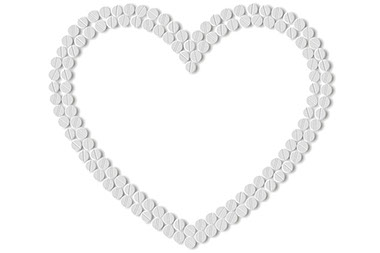
    Image of aspirins shaped into a heart.

    Scientific evidence shows that taking an aspirin daily can help prevent a heart attack or stroke in some people, but not in everyone. It also can cause unwanted side effects.

    According to Dr. Robert Temple at the FDA, one thing is certain: You should use daily aspirin therapy only after first talking to your doctor, who can weigh the benefits and risks.

    Who Can Benefit?

    “Since the 1990s, clinical data have shown that in people who have experienced a heart attack, stroke or who have a disease of the blood vessels in the heart, a daily low dose of aspirin can help prevent a reoccurrence,” Dr. Temple said. (A dose ranges from the 80 mg in a low-dose tablet to the 325 mg in a regular strength tablet.) This use is known as “secondary prevention.”

    However, after carefully examining scientific data from major studies, FDA has concluded that the data do not support the use of aspirin as a preventive medication by people who have not had a heart attack, stroke or cardiovascular problems, a use that is called “primary prevention.” In such people, the benefit has not been established but risks-such as dangerous bleeding into the brain or stomach-are still present.

    If your doctor recommends daily aspirin to lower the risk of a heart attack and clot-related stroke, read the labels carefully to make sure you have the right product. Some drugs combine aspirin with other pain relievers or other ingredients and should not be used for long-term aspirin therapy.

    © American Institute for Preventive Medicine

  • Can Birth Defects Be Prevented?

    MEDICAL NEWS

    Image of pregnant women.

    Birth defects can be devastating for parents and their baby. Sadly, many birth defects happen without an obvious cause and cannot be avoided. But, doctors know there are some things a woman can do before and during pregnancy to help lower the risk of birth defects. They include:

    Take 400 micrograms (mcg) of folic acid every day.

    This is a B vitamin that can reduce the risk of certain brain and spine defects. Experts recommend taking it even before you get pregnant.

    Get good medical care.

    See your doctor regularly and tell him or her if you plan to get pregnant. Begin prenatal care as soon as possible after you become pregnant. It’s important to talk about any health problems you may have and any medicines you take. You’ll also need tests to check for high blood pressure, blood sugar, and other possible pregnancy problems. You may also need certain vaccines (shots) to prevent illness and avoid some birth defects.

    Avoid alcohol, tobacco products, and any street drugs including marijuana.

    These can harm a developing baby.

    Work toward a healthy weight.

    Overweight women have a higher risk of birth defects. Talk to your doctor about safe ways to achieve a healthy weight. Ask your doctor how much weight you should gain during pregnancy.

    Source: Centers for Disease Control and Prevention

    © American Institute for Preventive Medicine