Author: AIPM

  • Change Your Food Cravings To Healthy

    HEALTHY EATING

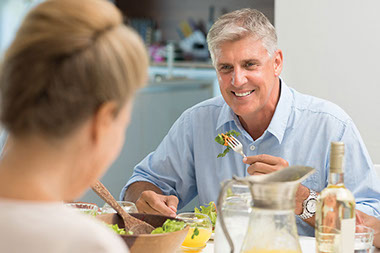
    Image of man eating dinner.

    Food cravings can be hard to ignore. Many people find they want to eat healthier, but simply can’t get over their cravings for unhealthy foods. There are ways to overcome food cravings and change them into good habits. It takes time and practice, but it’s well worth the effort. Everyone has setbacks when they are trying to change unhealthy habits. If you slip up, start again tomorrow. Don’t give up – believe you can do it!

    If you’re hoping to overcome cravings and give your body healthier foods, try these tips:

    *Accept you have cravings and want to change.Everyone craves certain foods sometimes, and this is normal. Tell yourself it’s okay to have cravings, and that you’re going to find ways to handle them better – starting today.

    *Avoid shopping while hungry.This is often when people buy those items they crave the most. Go shopping after you’ve eaten a healthy meal.

    *Avoid the temptation.Stay away from the places or things that cause you to eat unhealthy foods, like fast food restaurants or regular afternoon trips to the bakery.

    *Take it slow.Focus on one change at a time. For instance, if you always crave something sweet in the afternoon, think about one way you could change that food. You could have your favorite fruit washed and ready to eat.

    *Focus on your eating.Think about what you are eating. If you have healthy foods ready to eat, you are less likely to grab whatever is easiest, like what’s in vending machines or fast food.

    *Look for healthier substitutes.Instead of a whole chocolate bar, eat one small piece. Purchase small, individual servings of treats so you’re less tempted to eat larger portions.

    *Eat more protein.Healthy proteins like lean meats, beans and lentils, small portions of nuts and low-fat dairy foods can help control your hunger.

    *Look for ways to relieve stress.Many people crave unhealthy foods when they are stressed. Try walking, deep breathing, relaxing music or other non-food comfort tools.

    *Drink more water and get enough sleep.Both of these healthy habits can help you feel less hungry and less likely to reach for unhealthy foods.

    Source: American Academy of Family Physicians

    © American Institute for Preventive Medicine

  • Childproofing

    FAMILY LIFE

    Image of mother with toddler.

    Chase a toddler around for a day. Now that’s exercise. Any new parent quickly learns that a toddler is into everything. It only takes a quick second for that child to get out of your sight and around something potentially dangerous.

    The nation’s emergency physicians treat children every day who are injured by something in their own home or someone else’s home. Now is the time to childproof it, advises the American College of Emergency Physicians.

    What you can do in your home right now to protect young children

    *  Use safety latches for drawers and cabinets in kitchens, bathrooms, and other rooms that may contain dangerous products like cleaning supplies, knives and sharp objects, and medicines.

    *  Use safety gates to help prevent falls down stairs and to help prevent children from going in areas that may have potential dangers. Make sure these gates meet current safety standards. (Gates that only press against walls, called pressure-mounted gates, are not secure enough.)

    *  Place protective childproof covers on all electrical outlets that are in reach of children.

    *  Make sure all electrical cords are out of a child’s reach and properly secure.

    *  Fasten all heavy bookshelves, televisions, cabinets, or anything that could pose a potential tipping hazard to a secure wall, making sure it cannot fall on a child.

    *  Use toilet seat lid-locking devices on all toilet seats to decrease drowning hazards.

    *  Use cordless window coverings to help prevent strangulation.

    *  Use corner or edge bumpers on anything with sharp edges, like furniture and fireplaces.

    *  Create a protective barrier around pools and spas that include at least a 4-foot-tall fence with self-closing and self-latching gates. It’s also a good idea to look into getting pool alarms as an additional layer of protection.

    But the best device of all? Make sure a responsible person is with children at all times.

    © American Institute for Preventive Medicine

  • Chocolate Milk May Be The Best-Kept Secret

    HEALTHY EATING

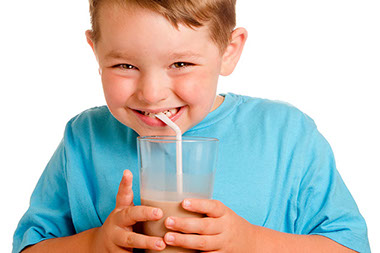
    Image of young boy drinking chocolate milk.

    Chocolate milk may be the best-kept secret for making sure kids get the calcium they need every day. Contrary to popular myths, chocolate milk is nutrient-rich, adds only a few more calories and not much caffeine, and is kids’ number-one flavor pick. Kids have a limited time to build up their “bone bank.” The calcium in chocolate milk is one way to assure timely deposits, according to the National Dairy Council.

    © American Institute for Preventive Medicine
  • Choose The Right Summer Camp For Your Child

    FAMILY LIFE

    Image of child at summer camp.

    When school’s out for the summer, what will the kids do? Many families choose summer camp options for school-age children to help make summer an educational and fun experience. But choosing the right camp for your child can seem daunting with so many choices.

    To simplify your decision, consider these factors:

    *What type of camp works with your child’s personality?Some children only want to be gone for a day camp and come home in the evening. Others want to do overnight camps. This may depend on the child’s age and whether they are accustomed to being away from home.

    *How many children attend the camp?Some kids do better in small groups, while others enjoy the excitement of being around many people.

    *What are your child’s interests?Some camps focus on particular activities, such as sports, cooking, music or art. Some offer programs for special needs children. Look for one that offers activities they like to do.

    *How will your child get there?Is there a bus or other transportation offered?

    *What is your budget?Be sure you understand the total cost of the camp. Some may have extra charges for food, special outings, or transportation.

    *How are the staff trained on safety, supervision, and other issues?If your child will be near water, discuss life guards and safety precautions for swimming.

    Once you’ve decided upon a camp, ask about a packing list, particularly for overnight camps. Even day camps often ask the children to bring a bathing suit, water bottle, snack, sunscreen, or other supplies.

    Source: American Camp Association

    © American Institute for Preventive Medicine

  • Choosing A Family Pet

    FAMILY LIFE

    Image of Hispanic family with a pet dog.

    Pets aren’t just for kids. Owning a pet can improve your family’s health in many ways, according to the Centers for Disease and Prevention (CDC). Pets can lower blood pressure and cholesterol, and offer companionship to all members of your household. Before you choose one, think about these factors.

    All pets need daily care.They need attention, food, and a place to sleep. Dogs need to be walked and taken outside daily. Cats need a clean litter box. Veterinary visits and vaccines are important. Look into the pet you want, and make sure you’re ready to do everything it takes to keep the pet healthy. It’s a daily commitment that you’ll need to stick with for many years.

    Make sure everyone in the family is ready.Caring for a pet is best done with everyone’s help. Are your kids ready to help feed a dog and walk it? Are the parents ready for veterinary costs, cleaning up after the pet, and arranging for pet care during vacations?

    With certain reptiles, small animals and birds, proper hygiene is very important.Some pets, such as birds, reptiles and amphibians, can spread illness to humans. Visitwww.cdc.gov/healthypetsfor information about preventing illness.

    As long as you carefully consider all the care your pet will need, you can make an informed choice about your next furry friend.

    Source: American Humane Association

    A heart for dogs

    One study looked at 421 adults who’d had heart attacks. A year later, dog owners were much more likely to still be alive than were those who did not own dogs, regardless of the severity of the heart attack.

    Source: National Institutes of Health

    © American Institute for Preventive Medicine

  • Choosing Healthy Nut Butters

    HEALTHY EATING

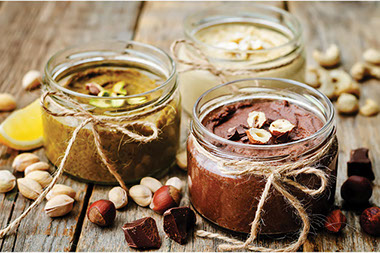
    Image of 3 different nut butter spreads.

    For many years, people thought they should avoid fats to be healthy. But the Academy of Nutrition and Dietetics says eating the right kinds of fat is good for you, and may even be good for your heart.

    Nut butters can be a healthy way to get some of these fats. But with so many different types, how do you choose? Each offers different benefits, so try  eating a variety.

    *Peanut butter:This popular nut butter contains plenty of monounsaturated fat, which has been shown to help lower bad cholesterol. This can reduce your risk of heart disease and stroke.

    *Almond butter:Almonds are an excellent source of vitamin E, which is an important nutrient for your heart and immune system, according to the National Institutes of Health. It also contains an even higher amount of monounsaturated fat than peanut butter.

    *Walnut butter:Although this can be harder to find, some health food stores carry walnut butter. It contains a high amount of polyphenols, which help reduce the risk of heart disease. It also contains omega-3 fats, which reduce inflammation in the body. This is especially good for people with diseases like Crohn’s disease, multiple sclerosis and rheumatoid arthritis.

    Although nut butters are healthy, they are high in calories. Be careful about portion sizes and avoid eating too much. Choose nut butters that have no added sugar or salt listed in the ingredients.

    Source: American Heart Association; USDA National Nutrient Database

    © American Institute for Preventive Medicine

  • Choosing Healthy Oats

    HEALTHY EATING

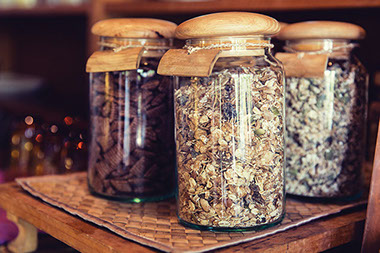
    Image of oats in jars.

    Even healthy foods can be made unhealthy through processing and adding unnecessary sugar and fat. How do you know which oats are best for your family?

    Steel-cut, rolled or instant?

    You can choose any type of oatmeal that is made with whole oats. They all contain very similar nutritional value. Instant oats are precooked and cut thinner to reduce cooking time. Steel-cut oats tend to be chewier than “old fashioned” or rolled oats, but both are equally nutritious. The best type of oat is the one you like and cook regularly.

    Look at ingredients and the nutrition label before you buy.

    Many commercially made oatmeals, especially ones that appeal to children, contain 12 grams of sugar or more. Some also contain artificial colors, sweeteners or flavors. Buy plain instant oatmeal packets and sweeten your child’s portion with a little honey, fruit or jelly.

    © American Institute for Preventive Medicine

  • Choosing Quality Child Care

    FAMILY LIFE

    Image of Asian baby.

    Today, more children than ever live in households where both parents work. As a result, child care is a necessity for many families. You can make an informed choice with a little homework and preparation.

    First, think about the type of care you’d like.

    In general, your choices will include daycare centers, family child care homes and in-home care like a nanny, babysitter or au pair. There is no right or wrong answer, and no one option works for everyone. Consider your and your child’s personalities, as well as the cost of each choice.

    See it for yourself.

    If you’re considering a child care center or family home, ask about coming in for a visit. Seeing the environment yourself can often give you a better feel for the caregivers and the atmosphere. Do the children get constant supervision? Do they receive positive discipline?

    Look at group size.

    Each state has required caregiver/child ratios. See if you’re comfortable with the size of the group and ask about their typical ratios. Infants need one caregiver per four children at a minimum. The ratios get higher as the children get older.

    If you’re looking for a nanny or au pair, prepare for interviews.

    You should talk with each candidate to get a feel for their personality, child care philosophy and their training and education. You may wish to write a list of questions in advance, and take notes during each interview so you can refer to them later.

    Check health and safety guidelines.

    Caregivers should be up-to-date on CPR certifications. Ask about smoke and carbon monoxide detectors and childproofing all areas for safety.

    Discuss illness prevention.

    Find out whether policies are in place to prevent the spread of illness. This may include requiring children to be fever-free for 24 hours before returning to care, as well as other policies on specific symptoms and illnesses. Caregivers should thoroughly wash their hands after each diaper change  or using the bathroom, and before  preparing any food.

    The ultimate goal for any child care is to find one that keeps your child safe, healthy and happy.

    Source: U.S. Department of Health and Human Services, Child Care Aware

    © American Institute for Preventive Medicine

  • Cinnamon Oatmeal Pancakes

    HEALTHY EATING

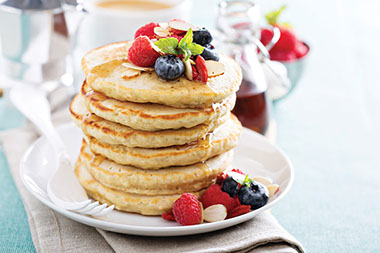
    Image of a cinnamon oatmeal pancakes.

    These pancakes taste good and are good for you.

    Ingredients

    1-1/2 cups flour

    1 teaspoon baking powder

    1/2 teaspoon salt

    1 Tablespoon cinnamon

    1 egg

    1-1/2 cups cooked oats

    1-1/2 cups evaporated milk

    1/4 cup water

    Nonstick cooking spray

    Directions

    1. Mix flour, baking powder, salt and cinnamon in a large bowl.

    2. In a separate bowl, combine egg, oats, milk and water, and stir well.

    3. Stir the oatmeal mixture into the flour mixture and stir until combined.

    4. Heat a large skillet coated with nonstick cooking spray over medium heat.

    5. Pour large spoonfuls of batter into the skillet. Cook until bubbles show on the tops of the pancakes, about 2 to 3 minutes. Flip over and cook an additional 2 minutes, or until golden brown and cooked through.

    6. Serve warm by themselves or top with canned or fresh fruit.

    Serves 10. Per serving: Calories: 120; Total fat: 2 g; Saturated fat: 1 g; Cholesterol: 25 mg; Sodium: 190 mg; Total carbohydrate: 20 g; Dietary fiber: 1 g; Total sugars: >1 g; Protein: 4 g

    Source: What’s Cooking? USDA Mixing Bowl

    © American Institute for Preventive Medicine
  • Cinnamon-Sprinkled French Toast

    HEALTHY EATING

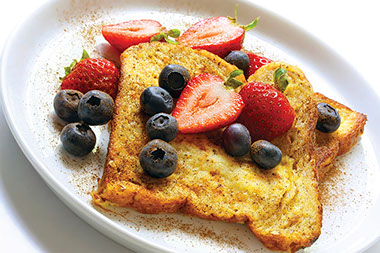
    Image of cinnamon-sprinkled french toast.

    Try this toast with a tall glass of fat-free milk. Did you know that cinnamon is a sweet spice that comes from a tropical evergreen tree? You may add up to 1 teaspoon in this recipe if you like this unique spice.

    Ingredients:

    2 large eggs

    2 Tbsp nonfat milk

    1/2 tsp ground cinnamon, or to taste

    2 slices whole wheat bread

    1 tsp butter or margarine

    4 tsp light pancake syrup

    Add fresh strawberries and blueberries (optional)

    Directions

    Kids: Crack 2 eggs into flat-bottomed bowl. Thoroughly whisk in milk and cinnamon. Dip bread slices, one at a time, into egg mixture in bowl, wetting both sides. Re-dip, if necessary, until all the egg mixture is absorbed into the bread.

    Adults: Meanwhile, heat large, non-stick skillet over medium heat. Add butter. Place dipped bread slices in skillet. Cook for 2-1/2 to 3 minutes per side, or until both sides are golden brown.

    Kids: Drizzle each with syrup. Serve while warm.

    Makes 2 servings (1 slice). 190 calories, 19 g carbohydrates, 10 g protein, 8 g total fat, 3 g saturated fat, 215 mg cholesterol, 2 g dietary fiber, 250 mg sodium.

    © American Institute for Preventive Medicine