Author: AIPM

  • Deep Breathing Exercise To Manage Stress

    SUCCESS OVER STRESS

    Image of business man deep breathing.

    When…

    *  You are frustrated

    *  You feel you have tried everything

    *  You are bored with your life

    *  People say you need to change

    *  You feel you’ve failed

    *  You have a bad habit

    Stop what you’re doing

    DO THIS:Shift your attention fully to your belly. Take at least two full, slow, deep breaths into and out of your belly. Then fill your mind with an image of someone you love. Hold the positive feelings that emerge in the area around your heart.

    Ask yourself if the way you have handled the problem so far has worked. If it hasn’t, ask the calmer part of you for a new solution.

    Source: Stress Free for Good: 10 Scientifically Proven Life Skills for Health and Happiness by Dr. Fred Luskin and Dr. Kenneth R. Pelletier

    © American Institute for Preventive Medicine

  • Dementia – What Is It?

    SELF-CARE CORNER

    Image of older man looking confused.

    Dementia isn’t a disease. It’s a group of symptoms. It’s a brain disorder that often affects the elderly and is caused by the failure or death of nerve cells in the brain. Other than aging, other factors can raise your risk for developing dementia: smoking, uncontrolled diabetes, high blood pressure, drinking too much alcohol, and a family history of dementia.

    Most forms of dementia worsen gradually over time and can’t be corrected. The NIH lists these symptoms that may interfere with everyday life.

    *  Repeating the same story or question over and over

    *  Getting lost in familiar places

    *  Delusions or agitated behavior

    *  Problems with language, movements, or recognizing objects

    *  Memory or concentration problems

    *  Difficulty following directions

    *  Getting disoriented about time, people, and places

    *  Neglecting personal safety, hygiene, and nutrition

    For some types of dementia, such as Alzheimer’s, a definite diagnosis cannot be made (at least while the person is living). Although testing is being developed along with some types of medications, dementia is often recognized by others first and told to doctors when reviewing a physical  and mental health history.

    © American Institute for Preventive Medicine

  • Diabetes-Related Vision Loss Increasing

    MEDICAL NEWS

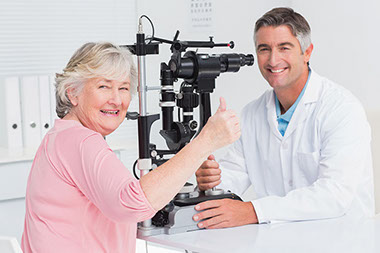
    Image of older women with thumbs up at an eye doctor appointment.

    More than 30 million Americans live with diabetes today. Living a healthy life with diabetes is possible, but it is a serious disease that requires proper medical care.

    Diabetic retinopathy is a possible complication of diabetes. It is caused by damage in the blood vessels of the eye’s retina. It is also a leading cause of vision loss and blindness.

    Diabetic retinopathy rates are rapidly increasing, according to the National Eye Institute. From 2000 to 2010, diabetic retinopathy cases increased 89 percent from 4.06 million to 7.69 million. And, that number is expected to nearly double by the year 2050.

    Keeping eyes healthy

    If you have diabetes, there are ways to lead a healthy life and avoid problems like diabetic retinopathy. The National Institute of Diabetes and Digestive and Kidney Disease recommends:

    *Keep blood glucose (blood sugar) levels under control.High blood glucose damages the blood vessels on the retina over time. The blood vessels may become blocked, cutting off blood supply to the retina. Work with your doctor to set a target blood glucose number. Get clear instruction from your medical team on how you can meet your goal. A healthy diet, regular exercise, and certain diabetes medicines may be needed.

    *Track your blood pressure.Many people associate blood pressure with heart disease, but it matters for diabetes too. Long-term high blood pressure also harms your retina’s blood vessels. Be sure to have your blood pressure checked regularly. Ask your doctor how often it should be checked. If you need blood pressure medicine, take it exactly as your doctor prescribes.

    Early signs of eye problems

    Diabetic retinopathy may not have any early signs or symptoms. That’s why it’s important to keep blood sugar and blood pressure under control, even if you feel fine.

    If you notice any of the following problems, see your doctor:

    *  Double vision

    *  Blurry vision

    *  Seeing rings, flashes or spots

    *  Eye pain or a feeling of pressure in the eye

    *  Trouble seeing out of the corner of your eye

    You can take steps to manage diabetes. Talk to your doctor, nutritionist, and medical team about keeping your eyes – and your entire body – as healthy  as possible.

    © American Institute for Preventive Medicine

  • Difficult People In The Workplace

    WORK LIFE

    Image of a business man looking off the distance.

    A manager rushes into his employee’s office at 4:30 p.m., drops a pile of papers on her desk, and barks, “I need these read, edited, and finalized by 8:30 a.m.”

    A woman calls in sick. She is shivering, coughing, and has a fever.  Her supervisor screams, “I don’t care what illness you have. If you’re not in the office today, I’ll take it as your resignation!”

    These are real examples of workplace bullying that cause stress, depression, and anxiety. The National Mental Health Association estimates that each year more than one billion sick days can be due to mental health disorders caused by work stress. That’s $193 billion a year in lost earnings.

    Psychology Professor Katerina Bezrukova studies the psychological effect of workplace injustices and intergroup relations at Santa Clara University.

    She says there are 4 kinds of co-workers and supervisors to look out for:

    1.Narcissistic.These types have fragile self-esteem. They may become outraged when someone challenges them. Bezrukova says avoid criticizing them. Document your own work, too, so you have a record of everything you do.

    2.Aggressive.To them, everyone is a predator or prey. That’s why they like to intimidate others and even bully them. They also tend to act frantic when a project comes in or a deadline is fast approaching. Bezrukova advises victims to stay out of the way. If they can, show them how management-by-hysteria can be inefficient.

    3.Rigid.These types won’t try anything new. They manage with viewpoint of “It’s my way or the highway.” This stems from fears of being pushed around. Bezrukova says let them feel like they are a part of the decision.

    4.Impaired.These people have ADD, anxiety, depression, burnout, or substance abuse issues. They need professional help. Employee Assistance Programs or other kinds of intervention are best.

    “People, who suffer from a workplace injustice of some sort, develop anger, frustration, anxiety, insomnia, headaches. These relationships, coupled with the connection between long-term, chronic psychological distress and increased risk of physical health problems such as cardiovascular disease, make this a crucial dollars and cents issue for business,” says Bezrukova.

    © American Institute for Preventive Medicine

  • Do-It-Yourself Spring Cleaning Guide

    WELL-BEING

    Image of various cleaning products.

    Germs grow and invade your privacy. Bathrooms are one of their popular spots. They gather in the bathtub, shower, toilet-just about everywhere.

    “People these days just don’t take time out from their busy schedule to clean,” said Donna Duberg, lab science and germ expert at Saint Louis University. Duberg offers some simple ways to do your spring cleaning and make your bathroom germ-free.

    Simplify cleaning:Engage in basic cleaning such as disinfecting and removing visible dirt regularly, to make spring cleaning less cumbersome. As spring sets in, brace yourself to clear the scum and lime scale-mostly found on your shower curtains-and mold stuck in and around your bathtub. They hold on to bacteria and can cause fungi to grow.

    Don’t overkill:If you use too many cleaners and don’t dilute them, you risk the chance of inhaling the fumes of the cleaners, which can affect your lungs. Keep the windows open while cleaning or plug in fans to avoid breathing in the chemicals. Read the label carefully to understand how to use a product.

    Instead of harsh chemicals, use the magic ingredient:Vinegar, when mixed with water can do wonders for the surfaces. Spray a mixture of one part white distilled vinegar mixed with 9 parts water to see a nice shine on your bathtub or floor. Undiluted white distilled vinegar mixed with baking soda can be used to remove scum. The fewer the cleaning products, the better. Vinegar is inexpensive, is not harmful to kids and pets, and always leaves a shine.

    © American Institute for Preventive Medicine

  • Do “Meal Replacement” Diets Work?

    HEALTHY EATING

    Image of a nutrition bar.

    It seems simple enough: to cut calories, sip a shake or eat a bar instead of a meal. There’s no risk of accidentally eating too much, and you don’t have to spend time preparing a meal or measuring portions.

    Also known as meal replacement diets, these programs have their pros and cons. A study published in The Journal of the Academy of Nutrition and Dietetics showed they can help people effectively lose weight. But, no single diet works for everyone. Before you try meal replacement, here’s what you should know:

    *  Talk with your doctor before you start any diet plan.

    *  Eat plenty of whole foods daily. Fruits, vegetables, whole grains, lean protein, low-fat dairy and healthy fats are recommended by the USDA. Bars and shakes cannot fully replace the nutrients you get from whole foods.

    *  Get the right amount of calories. There’s a healthy range of calories based on your age, weight and activity level. Learn yours by going to the USDA’s SuperTracker Tool atsupertracker.usda.gov.

    *  Drink plenty of water between meals to stay hydrated. This can improve your energy levels and may help you fight off hunger.

    If you follow the guidelines, you may find success with a meal replacement plan. Be sure to follow the plan as recommended and still eat nutritious foods at other meals. If you find you’re too hungry or it’s not working for you, talk with your doctor or a dietitian about another option.

    © American Institute for Preventive Medicine

  • Don’t Let Shin Splints Stop You

    BE FIT

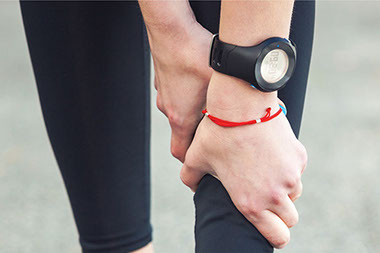
    Close up images of hands holding shins in pain.

    If you’ve ever felt aching or shooting pain up the front of your lower legs after running, it could be shin splints. Though it’s usually not serious, it can be painful enough to stop even the most dedicated exerciser.

    If you get shin splints, try these tips:

    *Switch to lower impact exercise.Until the pain goes away, try swimming, biking, or using an elliptical machine, so you put less pressure on your legs.

    *Wear proper shoes.If you’ve had the same running shoes for years, it may be time for a new pair. Support wears down over time, causing pain in the feet and legs. Make sure you have enough support under the arch and heel areas.

    *Ice the area.Apply ice packs for up to 20 minutes at a time, a few times a day, to help with pain.

    If the pain doesn’t go away, see your doctor. Sometimes shin splints may be a sign of a small bone break or inflammation of tendons in the legs.

    Source: American Academy of Orthopedic Surgeons

    © American Institute for Preventive Medicine

  • Do You Have Celiac Disease?

    SELF-CARE CORNER

    Image of wheat on top of white flour.

    If you can’t eat bread or anything containing wheat, rye, and barley because of gluten-a protein found in these grains-you may have celiac disease. Different people have different symptoms, but talk with your doctor if you or your child has one or more of these problems after eating bread or cookies, for example:

    *  Gas

    *  Bloating, belly pain

    *  Ongoing diarrhea

    *  Pale, foul-smelling or fatty stool

    *  Weight loss or weight gain

    *  Fatigue

    *  Bone or joint pain

    *  Bone loss or weakening

    *  Anemia (lower red blood cell count)

    *  Behavior changes (children become irritable)

    *  Tingling, numbness in the legs

    *  Muscle cramps

    *  Seizures

    *  Itchy skin rash

    © American Institute for Preventive Medicine

  • Do You Know The Early Warning Signs Of Parkinson’s Disease?

    MEDICAL NEWS

    Close up image of two elderly hands holding.

    A recent nationwide survey conducted by the National Parkinson Foundation revealed that most Americans would wait to see their doctors if they were experiencing tremors (shaking), even though tremors are an early sign of the disease.

    Parkinson’s affects nerves and muscles and can affect movement and coordination, especially with walking. The disease is a result of changes in the brain that researchers now know can be associated with both genetics and environmental toxins.

    Parkinson’s develops slowly, with only subtle symptoms early on, including these:

    *  Tremors and shaking

    *  Trouble moving or walking

    *  Loss of facial expression

    *  Dizziness and fainting

    *  Stooping or hunched over

    *  Trouble sleeping

    *  Soft or low voice

    *  Small handwriting

    *  Loss of smell

    *  Constipation

    For more information about Parkinson’s disease and the National Parkinson Foundation, visitwww.parkinson.org.

    © American Institute for Preventive Medicine