Author: AIPM

  • Don’t Let The Bed Bugs Bite

    SELF-CARE CORNER

    Image of women making bed.

    Bed bugs have become more common in the U.S. in recent years. Common pesticides used to kill bed bugs may not work as well as they once did. The bugs may be getting “resistant,” which means they can survive pesticides used on them. This resistance, along with increased travel by people and lack of knowledge about how to get rid of them, are likely to blame for the rise in these pests.

    Bed bugs feed on blood so they are attracted to people and animals. They also come out at night, so the bed is the best place for them to find their meal.

    Check for bed bugs

    If you want to keep bed bugs out, you’ll need to check your home, as well as hotels while traveling. Look for small, reddish brown bugs about the size of an apple seed. Use a flashlight to get a good look. Check:

    *  Under and all around the mattress, box spring and bed frame

    *  Seams and small crevices where they like to hide –  bed bugs can get into cracks as thin as a credit card

    *  Nightstands and other furniture near beds

    Do I have bed bugs?

    Even if you don’t see any bugs, watch for signs that they are hiding in your home and biting people. The most common signs of bed bugs include:

    *  Small, reddish spots on bed sheets or mattresses

    *  Small round, dark spots on the bed  (may look like ink spots)

    *  Tiny eggs, egg shells or light yellow skins

    How to prevent them

    Bed bugs have been found in clean homes that are well cared for. They can be hard to keep out. These tips can help you keep them away:

    *  Check for bed bugs when you travel and don’t put your suitcase on the bed.

    *  When you get home from a trip, immediately wash your travel clothes in hot water.

    *  Keep luggage outside when you get home and vacuum it thoroughly. Empty the vacuum contents into a plastic bag, seal it and throw it in the garbage outside.

    If you find a bug that might be a bed bug, tape it to a piece of paper so you can show it to a pest control expert. Call a pest control company right away. If you live in an apartment or rental home, contact your landlord about what to do.

    The Environmental Protection Agency has information about getting rid of them on their website. Visitwww.epa.gov/bedbugs.

    Sources: National Institutes of Health, Environmental Protection Agency

    © American Institute for Preventive Medicine

  • Don’t Make Me Choose

    WELL-BEING

    Image of women looking up at the words, 'Yes' and 'No'.

    Having more choices is generally considered a good thing, until you actually have to choose that one cell phone, one prescription drug plan, or one car model from among a dozen or so options. Economists call that problem choice overload, and the frustration it causes can lead to poor decisions.

    To help people make better choices when confronted by a large number of options, researchers at the Georgia Institute of Technology studied two decision-making strategies that break down the options into smaller groups that can be evaluated more effectively. Like the Final Four basketball elimination, the best technique goes like this when you have to choose from many options:

    *  Divide the options into piles of 4.

    *  Choose the best option from each pile.

    *  Put the winners from the first round into a new finalist pile.

    *  Choose the best option from winners of the earlier 4 selections.

    © American Institute for Preventive Medicine

  • Don’t Play With Fire: Fireworks Safety Tips

    WELL-BEING

    Image of a group of friends with sparkler fireworks.

    The most common firework injuries involve the fingers and hands, but may also include the face, head, ears, arms and legs. Many people injure their eyes from fireworks. They may burn or scratch the eye, or could even go blind if a firework ruptures the eyeball or harms the retina.

    Firecrackers are the worst offenders, accounting for 25 percent of all fireworks injuries. Sparklers can also cause serious harm because they burn up to 1,200 degrees Fahrenheit, or 10 times hotter than boiling water, while people are holding them.

    The best way to enjoy fireworks is to attend a professional show in your area. But, if you decide to use fireworks at home, here are some tips:

    *  Do not handle or buy illegal fireworks.

    *  Follow local laws and ordinances that say when and where fireworks can be used.

    *  Don’t drink alcohol before or while using fireworks.

    * Use fireworks outdoors in a cleared area, away from buildings and vehicles.

    *  Don’t use fireworks if there has been a drought or low rain in your area. Local governments often ban fireworks when this happens to reduce risk of fires.

    *  Don’t try to relight a “dud” firework. Leave it alone for at least 20 minutes, then put it in a bucket of water.

    *  Keep a bucket of water and a working water hose nearby when using fireworks.

    *  Don’t put fireworks in your pocket.

    *  Don’t shoot fireworks into metal or glass containers.

    *  Wet down any used fireworks and place in a metal trash can. Keep them away from materials that could be combustible or flammable.

    *  Do not let children handle any fireworks, including sparklers.

    *  Wear safety glasses when lighting or using fireworks.

    *  Light only one firework at a time.

    *  Once the firework is lit, quickly move a safe distance away from it.

    *  Seek emergency care for injuries caused by fireworks.

    *  Don’t have pets around fireworks or bring them to a fireworks show. Fireworks can cause fear and extreme anxiety in pets.

    *  If possible, keep your pet in a safe interior room of the house during fireworks shows.

    *  Make sure your pet has a microchip and/or ID tag on their collar. Many pets run away because of fear during fireworks shows.

    *  Use ear plugs if you will be close to fireworks, especially for children. Loud noises can cause permanent hearing loss.

    Sources: Consumer Product Safety Commission, American Academy of Ophthalmology, National Council on Fireworks Safety

    © American Institute for Preventive Medicine

  • Don’t Wait For The New Year – Get Fit Today!

    BE FIT

    Image of women at gym using the treadmill.

    Many people find it easier to wait until January 1 to start healthy habits. After all, getting more exercise is a great way to kick off a healthier year.

    But, with the tremendous benefits of exercise, why wait? Some people assume that it will take weeks of exercise to start looking or feeling better. Did you know there are some benefits to exercise that you will feel the first time you work out? You can reap the rewards of exercise – starting today!

    These are some of the benefits of exercise that can make your day even better:

    *  Better memory and thinking. If you need to stay focused on something, some exercise may help by promoting better memory and brain performance.

    *  Better sleep tonight. Tired of tossing and turning? People who exercise may fall asleep faster and have better quality sleep that very same night.

    *  Less stress or anxiety. The more you exercise, the better it is for your stress levels. But, even a few minutes of exercise can help improve your mood and lower anxiety right away.

    Start small

    It can be tough to fit in exercise around the holidays. With parties and gatherings, you may have even less time than usual. Don’t let that stop you.

    Instead, make a small and doable goal for exercise. Maybe walking twice a week is all you can do right now. Whatever it is, make it a goal you can achieve. A realistic goal will keep you motivated long after the New Year’s resolutions have come and gone.

    Sources: Anxiety and Depression Association of America, Journal of Psychology and Aging, International Sportmed Journal

    © American Institute for Preventive Medicine
  • Do’s And Don’ts For The Itch Of Eczema

    SELF-CARE CORNER

    Image of man itching arm.

    Most people have itchy skin at one time or another. A bug bite, dryness or another everyday irritation can make skin itchy. Usually, you apply some lotion or an anti-itch cream and it goes away.

    But, it’s different for people who have eczema. Eczema, also known as atopic dermatitis, can be so itchy that it affects daily life. It can also make it difficult for you to sleep at night. Other signs of eczema include:

    *  Very dry skin that doesn’t get better, even after applying lotion

    *  Red or brown patches of skin

    *  Itchy raised bumps

    *  Cracked skin

    *  Scaly patches

    Common locations for eczema are the hands, feet, face, inside the elbows, and behind the knees. Sometimes, eczema gets worse and then better. When it gets worse, this is known as an eczema flare.

    Many people with eczema find that using just a lotion is not enough. They may need to talk with their doctor about special or prescription-strength products. Eczema can affect babies and young children, too. Ask a pediatrician before you put any creams or other products on a baby or child.

    Eczema can’t be cured, but you can manage it. Talk to a doctor or dermatologist about your options.

    Eczema do’s

    People with eczema may find relief when they do the following:

    *  Keep a journal to find out what triggers your eczema. Young children may get eczema flares after eating certain foods. Older children and adults may get flares from high stress levels, sweating, soaps, detergents, pollen and dust.

    *  Use products that are eczema-friendly. Soaps and lotions without fragrance, dyes or common irritants are best. Products with the National Eczema Association seal on them are a good place to start.

    *  Use a thick moisturizer such as petroleum jelly (Vaseline) twice a day. The best time to apply moisturizer is right after bathing, before skin has completely dried.

    Eczema don’ts

    If you or your child has eczema, these are some “don’ts” to keep in mind:

    *  Don’t use harsh soaps and body washes, especially those that are antibacterial or highly scented.

    *  Don’t take long, hot showers or baths. Taking a bath with an oatmeal soak may be soothing, but keep the temperature warm, not hot. It’s best to take short, warm showers.

    *  Don’t use laundry detergent or fabric softener with dyes or perfumes.

    *  Don’t scrub the skin with washcloths, scrubbing sponges or products with scrubbers or “beads.”

    *  Don’t rub your skin with a towel after bathing. Instead, gently pat it dry and begin applying your moisturizer.

    © American Institute for Preventive Medicine

  • Drink To Your Health With Kefir

    HEALTHY EATING

    Image of kefir.

    One of the newer additions to the dairy section, kefir is a type of fermented milk product similar to yogurt. Its consistency is generally thin, so it’s usually sold in bottles as a drink. But what makes it different from yogurt, besides the ability to skip the spoon?

    Like yogurt, kefir is usually made from dairy milk that is fermented with helpful bacteria (though it can be made with non-dairy milks as well). These bacteria, known as probiotics, may have a number of health benefits, according to the National Center for Complementary and Integrative Health. Probiotics may be helpful in treating the following issues:

    *  Diarrhea, constipation, irritable bowel syndrome and other bowel disorders

    *  Digestive problems, such as acid reflux

    *  The common cold

    *  Seasonal allergies and eczema

    *  Cavities and gum disease

    *  Colic in babies

    *  Liver disease

    Kefir may also help prevent stomach side effects and complications that arise from taking antibiotics.

    Kefir contains many different strains of probiotics and generally has a bigger variety than store-bought yogurts. It also contains beneficial yeast–an ingredient not found in yogurt. This friendly yeast may help fight off bad yeast in the body, such as those that cause yeast infections.

    Many people who are lactose intolerant can still drink dairy kefir. The lactic acid bacteria found in kefir breaks down the lactose, making it easier to digest. People with dairy allergies, however, should only consume a dairy-free version.

    How to get it:

    Kefir can be made at home with plain milk and kefir starter grains, which are usually found at health food stores. Though plain is healthiest, many people find they need to sweeten it to offset the tart taste. Try mixing it in smoothies with fresh or frozen fruit.

    Many grocery stores carry kefir in the dairy section near the yogurt. Though kefir is healthy, look at the label before purchasing. Some brands and flavors may contain too much sugar or artificial sweeteners.

    © American Institute for Preventive Medicine

  • Drive-Thru Eating Driving You Crazy?

    HEALTHY EATING

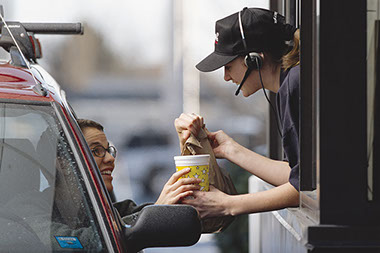
    Image of women picking up food from a drive-thru.

    Are you driving through fast-food windows, mindlessly eating while you work? Or do you munch while you drive?

    You may be out of touch with your eating, and then it’s easy to overeat, said Dr. Jenny Conviser, an expert in the treatment of  eating disorders. You can establish mindful eating patterns. She offers this advice:

    *Carve out time for meals.Don’t get a lunch break? Fight for one, even if it’s 15 minutes. Research suggests that our brains don’t even fully register the things we’re eating while doing something else.

    *Eat sitting down.If you’re going to eat at the refrigerator, pull up a chair! If you commit to eating only while sitting down (at a table no less!), you’re less likely to mindlessly munch. And eat without distractions, like the TV or computer, so you can fully experience what you are eating.

    *Learn what “hungry” feels like.Ask yourself if you really are hungry before you eat, or are you eating due to habit or to cope with stress? If you are hungry, allow yourself to eat and plan for healthy snacks during your day. Driving yourself to extreme hunger by skipping meals or not allowing yourself to snack can result in unhealthy binges.

    *Notice each sensation.Next time you sit down to eat something, take a moment to notice its shape, color and size. Bring the food to your nose and inhale the aroma. When you take a bite, notice how the texture feels on your tongue. Chew fully before swallowing. Take a moment before taking another bite. Sure, this takes a few extra minutes, but you get to experience food as it’s meant to be-a full sensory experience.

    *Check in with yourself.Try stopping for a break midway through your meal for a few minutes. Are you still really hungry? If so, keep eating, and check in again after a few more bites. If not, maybe it’s time to stop and save the rest for later.

    © American Institute for Preventive Medicine

  • Drugs That May Affect Your Driving

    MEDICAL NEWS

    Image of women at store reading the medicine label.

    Certain over-the-counter medicines, known as OTC or nonprescription drugs, may affect your ability to drive.

    Read the Drug Facts label and use the medicine exactly as directed, advises the FDA.

    Look for such statements as “you may get drowsy,” “marked drowsiness will occur,” “be careful when driving a motor vehicle or operating machinery,” or “do not drive a motor vehicle or operate machinery when using this product.”

    Some of these seemingly harmless drugs for allergies or an upset stomach are not harmless at all, even though you can buy them without a prescription.

    Certain medications may make you drowsy fairly quickly. Their effects can last several hours. Others may cause “hangover-like” effects, even the next day.

    Common OTC medicines that can cause drowsiness or impaired driving are antihistamines (often used for a runny nose or watery eyes), antidiarrheals (used to treat or control diarrhea), and anti-emetics (taken for nausea, vomiting, or dizziness).

    © American Institute for Preventive Medicine
  • Due Date

    SELF-CARE CORNER

    Image of pregnant women smiling.

    Although we think of pregnancy as lasting 9 months, in reality most pregnancies last nearly 10 months. Research shows that babies are born healthier if they have at least 39 weeks to grow in the womb.

    The NIH in Health offers these wise choices for a healthy pregnancy:

    *  See your doctor for regular care while you are pregnant.

    *  Talk to your doctor about the medicines you take. Some may not be safe during pregnancy.

    *  Follow a healthy diet.

    *  Take folic acid-at least 400 micrograms each day. This B vitamin can help prevent serious birth defects of the brain and spine. Make sure you take folic acid for at least one month before you get pregnant, too.

    *  Stay active. Ask your doctor which physical activity is safe for you.

    *  Avoid drinking alcohol and smoking (and being around anyone smoking).

    *  Control any existing conditions such as diabetes.

    *  If you have no medical reasons to deliver early, wait until at least 39 weeks for delivery. A woman’s body will go into labor when the baby is ready to enter the world.

    © American Institute for Preventive Medicine

  • Eap Is At Your Service

    WORK LIFE

    Image of 2 business women shaking hands.

    In an edition of Psychology Today, Steve Albrecht, doctor of business administration, encourages employees to find out about the many services available from their Employee Assistance Program (EAP) and reach out for help if needed. Dr. Albrecht has written or co-written 15 books, including Ticking Bombs: Defusing Violence in the Workplace, and Fear and Violence on the Job. He is also a former police officer and domestic violence investigator with the San Diego Police Department.

    Dr. Albrecht gave four reasons why employees do not use their EAP services:

    1. They do not think what they say or do will be held in confidence.

    2. They see reaching out for help as a weakness. This is especially true  for men.

    3. They think they need to get permission from their boss or Human Resources to seek services from their EAP.

    4. They do not know their EAP exists.

    First, according to Dr. Albrecht, services and discussions between employees and EAP providers are kept confidential. There is an exception-an EAP counselor has a duty to warn or intervene if the employee wants to harm himself or herself or others. The company gets no reports or records of employee use of EAP services.

    Second, employees need to be reassured that EAP offers help for many very common issues that affect most people. Examples are money worries, marital issues, raising children or step-children, blended families, sick kids, and dealing with parents with Alzheimer’s disease.

    Employees can also get help for financial problems, burnout, stress-related illnesses, cancer and mental health issues. These include substance abuse, workplace conflicts, depression and suicidal thoughts.

    Third, employees simply need to call the EAP phone number and make an appointment. They do not have to tell coworkers, their boss or Human Resources.

    Lastly, Dr. Albrecht is puzzled why employees do not know about their EAP. Companies with EAP programs list their services and contact numbers on posters and brochures in lunch rooms and break rooms. New employees receive EAP information.

    To find out if your company offers EAP services, check your benefits manual or website or ask your human resources manager. Help is just a phone call away.

    © American Institute for Preventive Medicine