Author: AIPM

  • Easy Food Swaps For A Healthier You

    HEALTHY EATING

    Image of middle-aged couple preparing food in their kitchen.

    What if you could be healthier without making a bunch of drastic changes? No extreme dieting or starving, but just taking some small steps to improve your food choices. It is possible if you know which foods to eat more of, and which ones to scale back on. The American Heart Association recommends a few simple switches that can add up to better overall health:

    *  Don’t cook with butter, lard, or shortening. Use vegetable oils that are high in unsaturated fats. Great choices include olive, canola, walnut, and safflower oils.

    *  When purchasing canned soups or vegetables, look for lower-sodium or “no salt added” varieties. Choose frozen vegetables without added salt or sauces.

    *  Avoid foods with added sugar, such as canned fruits with syrup. Choose canned fruits with no sugar added and/or packed in 100 percent fruit juice.

    *  Use nonstick cooking spray instead of shortening for recipes that call for “greased” cookware.

    *  When buying bread or crackers, look for those labeled “whole grain” or “whole wheat.” These choices contain more fiber and nutrients than refined grains.

    *  Cut back on red meat by using ground turkey or chicken in place of ground beef in recipes. Turkey tacos, meatballs, or chili can be just as tasty and many people can’t tell the difference.

    These simple tips can help you cut back on saturated fat, excess sugar and sodium. This adds up to great health benefits without having to change your eating habits entirely.

    © American Institute for Preventive Medicine
  • Easy Protein Snacks

    HEALTHY EATING

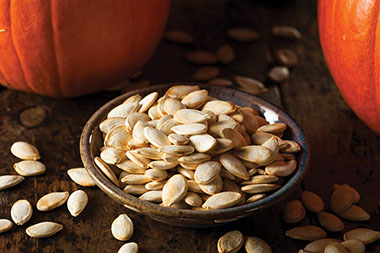
    Image of roasted pumpkin seeds.

    A great way to get healthy protein throughout the day is to make snacks with protein. The protein can help you feel fuller, holding you over until your next meal. These snacks may also help avoid a blood sugar crash that leaves you feeling sluggish and even hungrier than before. Try these ideas for tasty and easy-to-pack snacks:

    *  Hummus with sliced peppers, carrots, celery or cucumbers

    *  Peanut butter or almond butter with a banana

    *  ¼ cup of nuts, such as almonds, walnuts or pistachios with fresh fruit

    *  Roasted pumpkin seeds (buy them roasted or bake on a cookie sheet at 300º for 20 minutes)

    *  Tortilla with black beans, salsa and a sprinkle of low-fat cheese

    *  Roasted soy nuts (available at many supermarkets)

    *  A hard-boiled egg with leafy greens

    *  Low-fat string cheese with an apple or pistachios

    © American Institute for Preventive Medicine

  • Easy Snack Substitutions

    HEALTHY EATING

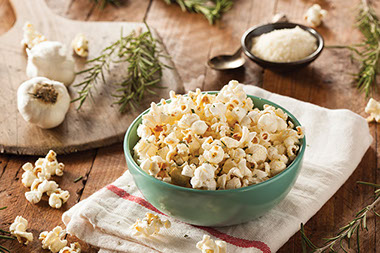
    Image of popcorn in a bowl.

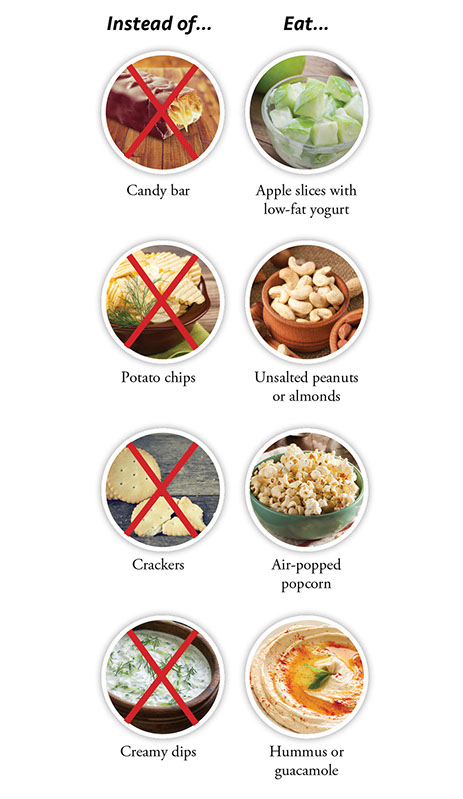
    Skip the vending machine and processed foods when you need to fill up between meals. Try these alternatives to everyday unhealthy snacks:

    © American Institute for Preventive Medicine
  • Easy Snacks For High Energy

    HEALTHY EATING

    Image of greek yogurt and fresh berries.

    One way to keep your energy up is to choose snacks that have fiber and protein. These foods are digested more slowly. That way you won’t “crash” like you do after eating sugar-filled and low-fiber foods. Some healthy choices include:

    *  An apple with a small handful of nuts

    *  Carrots and celery with string cheese

    *  Greek yogurt and fresh berries

    Source: Academy of Nutrition and Dietetics

    © American Institute for Preventive Medicine
  • Easy Ways To Cut Back On Sugar

    HEALTHY EATING

    Image of sugar spilled out on a table with the words "Sugar Free" spelled out.

    Lowering your sugar intake doesn’t have to be a struggle. Here are some tips:

    *  Keep your favorite fresh fruits ready-to-eat in the fridge or at work. Reach for these when you have a sugar craving.

    *  Get candy and sweet treats out of the house. Avoid vending machines at work. Out of sight, out of mind.

    *  Be selective about treats. Allow yourself a slice of grandma’s pumpkin pie if you really want it. Just make it a small piece and an occasional treat, not an  everyday habit.

    *  Drink water with lemon instead of soda, sports drinks, or juice. Or, make your own fruit water by putting your favorite fresh or frozen fruits in a large bottle, and fill the rest with ice water.

    *  Make a gradual change. Don’t try to cut out all sugar at once. Instead, try cutting a little here, and a little there, to get used to less of it.

    *  Decrease the sugar in recipes. When cooking or baking, try using about half the sugar you normally would. You may not notice a difference in taste.

    © American Institute for Preventive Medicine

  • Eat Healthy & Save On Groceries

    FINANCIAL HEALTH

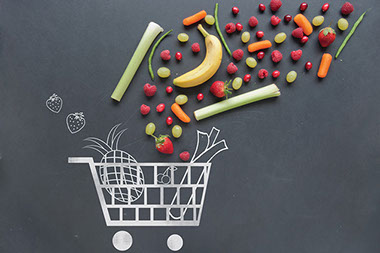
    Illustration of grocery cart with fruit and vegetables.

    Many people assume that healthy food, such as fresh fruit, costs more than processed and less nutritious foods like crackers and cookies. Although the best foods aren’t always the cheapest, healthy foods are worth the money spent. A healthy diet can help you feel better physically and mentally, which could mean fewer doctor visits and a better quality of life. If you’d like to eat healthier but are afraid it will hurt your budget, try these tips to get the most bang for your buck at the supermarket.

    *Plan your meals.Once or twice a week, sit down and write out the recipes you’d like to cook for the next few days. Write down the ingredients and shop for only those items. You’ll be less likely to resort to takeout because you have “nothing to eat” and you can avoid unneeded purchases.

    *Buy what’s in season.There’s a reason strawberries cost more in the winter months. They become harder to grow, and they must be shipped to your store from greater distances. Instead of trying to eat “summer” foods year-round, find out what’s freshest during each season. Citrus fruits and pears, for instance, are often best during the colder months.

    *Start a garden.You don’t need a huge yard to take advantage of growing your own food. Even a few small pots on a back deck or porch can allow you to grow some of your favorite fruits or vegetables. They’ll be fresh and delicious when you harvest them, and you won’t have to buy them.

    *Stock up.Canned goods, packaged cereals and other nonperishable items can be bought in larger quantities when on sale and stored. If you’re not a fan of clipping coupons, try buying them in bulk when possible.

    *Don’t overlook store brands.Buying canned and frozen items of the generic or store brand could save you a few dollars each time you visit the grocery store. Also, consider store brand bread, pasta, juice and other items. You probably won’t taste the difference.

    *Don’t shop while hungry.Some studies suggest that shopping while hungry could lead you to purchase more food than you need. Uneaten food, even the healthy kind, is money wasted.

    © American Institute for Preventive Medicine
  • Eat Less Without Being Hungry

    HEALTHY EATING

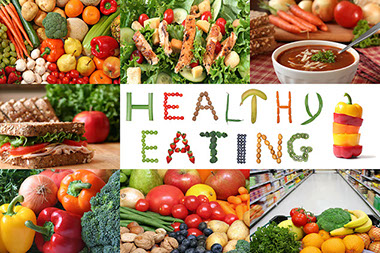
    Image of fruits, vegetables, soup and a sandwich with the words "Healthy Eating".

    If you’re trying to lose weight, you may already know that you need to cut calories. If you consume more calories than your body needs, it stores those extra calories as fat. To lose weight, you actually have to eat fewer calories than your body needs.

    But cutting calories isn’t always easy. Many people don’t stick with diets because of one main reason: hunger. The body’s hunger signals are nearly impossible to ignore. Your stomach growls, you feel tired, and you can’t concentrate. Over time, your hunger becomes harder to fight, and you may give up on your diet or overeat.

    It doesn’t have to be this way. You can eat enough food to stay satisfied while still cutting calories. Experts say it’s the amount and types of food you eat, not the number of calories that fills you up. The key is to choose “low-energy-dense foods,” or foods low in calories that can still satisfy your hunger, according to the CDC. In general, these types of foods have lots of water content, high fiber, and/or very little fat.

    Some of the best low-energy-dense foods include:

    *  Fresh fruits and vegetables

    *  Beans and legumes

    *  Low-fat or fat-free dairy foods

    *  Broth-based soups (not cream-based ones)

    *  Whole grains (look for whole grains and fiber on the food label)

    Think about a side-by-side comparison of low- versus high-energy-dense foods. One cup of french fries has 168 calories. But, one cup of salad with a tablespoon of low-calorie dressing has only 30 calories. You’ve just eaten the same amount of food, and slashed your calorie intake by more than 80 percent.

    It’s also a good idea to keep track of what you eat each day, so you have a clear picture of how many calories you’re consuming. The ChooseMyPlate website atwww.choosemyplate.govhas resources to help you focus on eating the right foods and making gradual, realistic changes to your diet for better health. No crash diets or hunger pangs are needed!

    © American Institute for Preventive Medicine

  • Eat Out, Eat Healthy: Here’s How

    HEALTHY EATING

    Image of sign that says 'Eating Out'

    Many people find that eating at restaurants can be hard on the diet. Restaurants usually offer an array of high-fat, high-sugar, and deep fried foods that can be tough to resist. But, eating out doesn’t have to be off limits.

    Before choosing what to eat, you need to decide where to eat. One of the best ways to stay on the healthy track is to do some research first. Many restaurants offer calorie counts and other nutrition information on their website. Check out which foods fall within your diet with regards to calories and fat. This can help you steer clear of foods that may seem healthy, such as certain salads, but are actually loaded with calories.

    And, making changes to dishes is a good way to get exactly what you want. Think about whether the restaurant:

    *  Will allow you to make substitutions without hassle or extra cost

    *  Uses healthier cooking methods, such as broiling, grilling, and baking instead of frying

    Once you’ve chosen your place, it’s time to pick your plate. Follow these guidelines for a healthy and enjoyable meal:

    *Don’t be afraid to ask questions.Ask the server about how a dish is prepared and what comes with it. Does it come with butter or oil? Can these items be placed on the side or taken off completely?

    *Eat slowly and watch portion sizes.Many restaurant portions are big enough for two meals. Consider splitting your meal with another person if this is allowed. Or, ask the waiter to box half of your meal right away.

    *If possible, ask for no salt to be added to your food.And, just say “no” to the salt shaker on the table.

    *Skip the pre-meal bread that often spoils your diet and appetite.Ask for no bread to be brought to the table.

    *Choose foods that taste good without being fried, such as grilled chicken, seafood, and fresh vegetables.

    *Watch out for drinks.Many beverages, such as lemonade, juices, and alcoholic drinks, are high in calories. Stick to water and drink plenty of it before and during the meal. This may help stave off hunger.

    *Be creative with dessert.Don’t look at the tempting dessert menu. Instead, ask for a bowl of fresh fruit if you’re craving something sweet. Or, keep sugar-free mints or gum with you to pop in your mouth after dinner.

    Source: American Diabetes Association

    © American Institute for Preventive Medicine
  • Eat Right For Your Lifestyle

    HEALTHY EATING

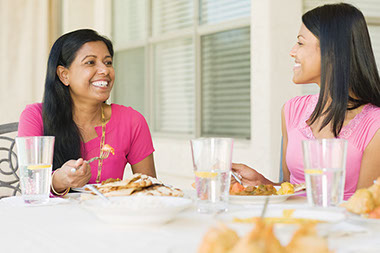
    Image of two women eating lunch.

    What’s your lifestyle? Busy parent, jet-setting exec, student, athlete, or vegetarian? Or some combination of these? Jim White, spokesperson for the Academy of Nutrition and Dietetics, says one size doesn’t fit all nutritional needs. You have flexibility in making healthy eating choices. He offers some suggestions:

    *Career-minded.Busy work days. Business travel. Eating on the fly. Suggestions: Keep single-serve packages of crackers, fruit, peanut butter, low-sodium soup, and canned tuna in your desk. Tuck portable, nonperishable foods in your purse, briefcase, or backpack for a meal on the run. Try granola bars, peanut butter and crackers, fresh fruit, trail mix, and single-serve packs of whole-grain cereal or crackers.

    *Athletes.Even for the casual workout. Your body needs fuel to function, so eat a light breakfast or snack before you exercise. Try low-fat yogurt, graham crackers with peanut butter, a banana, or cereal with low-fat milk. Before, during, and after exercise, replace fluids with plenty of water or a sports drink.

    *Students.Ah, the fast-paced lifestyle on a low budget. Stock smart grab-and-go snacks that combine protein and carbs to fuel you, such as apples with peanut butter, carrots and hummus, hard cooked eggs and fruit, banana and yogurt, almonds with low-fat cheese or whole-grain cereal. In the cafeteria, choose the salad bar but go easy on cheese, bacon, high-calorie add-ons, and  salad dressings.

    *Families.Quick and nutritious can be done. Keep things simple. Build a collection of favorite recipes and choose ingredients that you can use in more than one meal. For example, cook extra grilled chicken for chicken salad or fajitas the next day.

    *Vegetarians.You can include nutrient-rich beans in vegetarian chili, a hummus-filled pita sandwich, or veggie burger. Make popular items vegetarian, such as veggie pizza and pasta primavera.

    © American Institute for Preventive Medicine

  • Eating Healthy At Summer Gatherings

    HEALTHY EATING

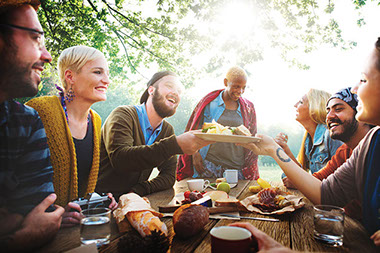
    Image of a group of friends eating at a pinic table.

    Eating and socializing go hand in hand. Throughout human history, people have gathered together to eat. Some research has shown that when people are in a group, they tend to eat larger meals and more calories. As a result, it can be hard to stick with your healthy eating plans when you’re at a social event such as a summer barbecue or special occasion.

    To help you stay on track, try these tips from the Academy of Nutrition and Dietetics:

    *Drink plenty of water.Your body needs water for nearly all of its functions. And if you’re dehydrated, the hunger and thirst cues can get confused. Drink water at gatherings, especially before your meals. You may end up feeling fuller and eating less.

    *Bring your own food.If you know you’ll have a hard time passing up the high-calorie treats, bring your own healthy dish to pass. Summer is the optimal time to share delicious, fresh fruits and vegetables that are in season.

    *Don’t deprive yourself.You can still have a small portion of your favorite summer treat. Just fill up on the healthier options first. This will satisfy most of your hunger and can help you control your portion sizes. Choose low-calorie, high-fiber foods like fruits, vegetables and beans before you go for the fried foods or desserts.

    © American Institute for Preventive Medicine