Author: AIPM

  • Ebola Facts

    MEDICAL NEWS

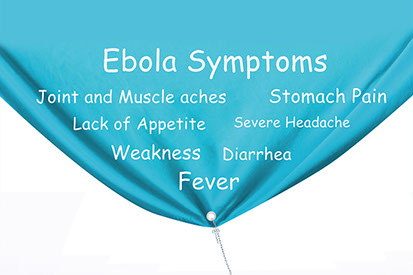
    Illustration of ebola symptoms.

    Although the risk of Ebola spreading in the U.S. is low, the CDC offers this information about a scary disease. A person infected with Ebola-a disease outbreak in countries in West Africa and isolated cases in the U.S.-can’t spread the disease until symptoms appear.

    The time from exposure to when signs or symptoms of the disease appear (called the incubation period) is 2 to 21 days, but the average time is 8 to 10 days. Signs of Ebola include fever (higher than 101.5ºF) and severe headache, muscle pain, vomiting, diarrhea, stomach pain, or unexplained bleeding or bruising.

    Ebola is spread through direct contact with blood and body fluids.

    Ebola is spread through direct contact (through broken skin or through your eyes, nose, or mouth) with:

    *  Blood and body fluids (like urine, feces, saliva, vomit, sweat, and semen) of a person who is sick with Ebola.

    *  Objects (such as needles) that have been contaminated with the blood or body fluids of a person sick with Ebola.

    There is no FDA-approved vaccine available for Ebola. Experimental vaccines and treatments are under development. You can protect yourself against Ebola.

    *  DO wash your hands often with soap and water or use an alcohol-based hand sanitizer.

    *  Do NOT touch the blood or body fluids of people who are sick.

    *  Do NOT handle items that may have come in contact with a sick person’s blood or body fluids, such as clothing, bedding, needles, or medical equipment.

    *  Do NOT touch the body of someone who has died of Ebola.

    Ebola is NOT spread through the air, water, or food.

    If you have traveled to an area with an Ebola outbreak or had close contact with a person sick with Ebola, you may be at risk.

    © American Institute for Preventive Medicine

  • Endometriosis: A Mysterious Condition

    MEDICAL NEWS

    Image of women holding her stomach in pain.

    Millions of women are affected by endometriosis. Yet, it remains a mysterious, often painful disease that is difficult to treat. Get to know the symptoms of this condition and what you can do about it.

    Signs of endometriosis include:

    *  Stomach or pelvic pain during menstruation

    *  Nausea or diarrhea during menstruation

    *  Severe menstrual cramps

    *  Infertility without a known cause

    If you think you may have endometriosis, see your gynecologist.

    Treatment options may include:

    *  Birth control pills

    *  Hormonal treatments that stop menstruation temporarily

    *  Surgery (this is often a minimally invasive procedure called a laparoscopy)

    Some women have also found relief with alternative therapies such as acupuncture. Be sure to talk with your doctor about any supplements or medications you are taking. If you plan to become pregnant, talk with your doctor about this as well. Endometriosis can be treated and many women are able to become pregnant with this disease.

    Source: National Institutes of Health

    © American Institute for Preventive Medicine

  • Even When Drinking Stops, Alcohol’s Effects Do Not

    MEDICAL NEWS

    Image of an alcoholic drink with a car key.

    During a night of drinking, it’s easy to misjudge alcohol’s lasting effects. Many revelers believe that they can drive safely once they have stopped drinking for the night and have had a strong cup of coffee.

    The truth is that alcohol continues to affect the brain and body long after the last drink has been downed, according to the National Institute on Alcohol Abuse and Alcoholism. Even after someone stops drinking, alcohol in the stomach and intestine continues to enter the bloodstream and circulate through the body. As a result, judgment and coordination can be impaired for hours after drinking.

    Driving home late at night is especially hazardous because natural drowsiness is magnified by the depressant action of alcohol. Driving abilities may even be impaired the next day, when any alcohol remaining in the system, or the general headache and disorientation associated with hangovers, contributes to general feelings of sluggishness, even though the person no longer feels “drunk.”

    Caffeine in a cup of coffee does not “sober anyone up” but may help with the late-night drowsiness. It doesn’t counteract the effect of alcohol on decision-making or coordination. The body needs time to metabolize (break down) alcohol and even more time to return to normal. There are no quick cures – only time will help.

    © American Institute for Preventive Medicine

  • Every Step Helps

    BE FIT

    Image of older Hispanic couple walking on the beach.

    You know exercising is great for you, but it’s hard to find time to do it. If going to the gym sounds impossible, why not walk? Research says that walking for just 30 minutes each day will improve your health. For those who are really short on time, you can even break those 30 minutes up. Walk for 10 minutes, three times a day – and you’re getting health benefits.

    The National Institutes of Health says regular exercise like walking can:

    *  Improve high blood pressure

    *  Lower your risk of heart disease

    *  Strengthen muscles and bones

    *  Improve type 2 diabetes

    *  Give you more energy

    *  Help you manage stress

    *  Reduce feelings of depression

    With exercise, every step helps. You don’t need fancy equipment or even a gym membership to get healthier – and you can start today.

    © American Institute for Preventive Medicine

  • Exercise Addiction: Are You At Risk?

    BE FIT

    Image of female in fitness attire.

    Many women think that with achieving a fabulous figure like fashion models comes happiness, wealth, and the ideal mate. They will often exercise to a dangerous point in pursuit of “their dream body,” say Dr. Julia Samton, a neuropsychiatrist, and Certified Personal Trainer Franci Cohen who speak out about the dangers of pushing yourself past your limit.

    “For some girls, this desire for that picture-perfect life can lead to exercise addiction-the beginning of this quest for perfection,” says Dr. Samton.

    Typical symptoms of someone who is letting exercise take over her (or his) life:

    *Intention effects.The amount of exercise or length of exercise sessions is longer than originally intended.

    *Time.Large amounts of time are spent exercising and conflict with other areas of life.

    *Continuance.The person will continue to exercise even with persistent physical or psychological issues that are made worse from exercising, such as a recurring injury.

    “The biggest red flag,” according to Dr. Samton, “would be when exercise starts to interfere with one’s occupational, social, and overall functioning. It’s at this point that treatment is recommended.”

    “Cognitive behavioral therapy can be helpful, but seeking a therapist with experience in exercise addiction is crucial. For extreme cases, there are inpatient treatment facilities,” says Dr. Samton.

    © American Institute for Preventive Medicine

  • Exercise & Health Conditions Can Mix

    BE FIT

    Image of doctor and patient talking.

    Working out isn’t easy, and if you have a health condition, exercise may seem even more difficult. In many cases, exercise is not only safe for those with health conditions – it’s recommended. Being active may improve your overall health and help you manage your condition. And, it can help you feel better too.

    Check out some of the ways exercise can help you if you have a health condition. Ask your doctor which activities are best for you.

    ARTHRITIS

    Exercise can prevent or slow some types of arthritis. In fact, it may be the most effective non-drug treatment for reducing pain and improving movement in people who have osteoarthritis (OA). Walking and water exercises are generally good choices.

    HEART DISEASE

    You can improve heart health when you move. Physical activity reduces your chance of having a heart attack or stroke. It helps your heart work better and improves blood flow. Forty minutes of moderate activity 3 to 4 times per week can lower cholesterol and blood pressure. If you have chest pain, or recently had a heart attack or a heart procedure, ask your doctor before you start exercising.

    DEPRESSION

    Depression, anxiety and high stress can be alleviated with exercise. Aerobic exercise may improve mood, sleep and self-esteem. The chemicals released during exercise have feel-good effects on the brain. Try walking, biking, aerobics or dancing.

    BLOOD SUGAR

    Working out may help manage blood sugar and diabetes. During exercise, your cells become more sensitive to insulin so it can work better. The cells are also able to lower your blood sugar. If you have diabetes, regular exercise can mean fewer diabetes medicines or less insulin. People with diabetes should ask their doctor how they can exercise safely before they begin exercise.

    ASTHMA/COPD

    Asthma and COPD (chronic obstructive pulmonary disease) can make exercise more challenging, but it’s often possible to do safely. Exercise can help manage weight, reduce stress and keep the heart healthy – all important factors with asthma and COPD. In general, people with asthma or COPD should avoid exercise when temperatures are low and air is dry or polluted. Wearing a mask over the mouth can help, and doing a proper warm-up and cool-down is also advised. Always carry your rescue inhaler when you exercise.

    Even if you don’t have a health condition, exercise to stay healthy. Regular physical activity can reduce the risk of many diseases including some cancers, and help you live longer. Talk to your doctor before you start an exercise routine.

    © American Institute for Preventive Medicine

  • Exercise Benefits Outweigh The Struggle At Any Age

    BE FIT

    Image of older couple on a brisk walk.

    The more you age, the more you need exercise to stay independent and healthy, said Dr. Keith Veselik, director of primary care at Loyola University Health System. “Around age 35 is when our muscle mass and resting metabolism starts to decrease. When this happens our bodies require more, not less exercise to manage our caloric intake. When this starts to happen, we can eat the same things, do the same things and may gain 3 pounds a year. That’s 30 pounds in a decade,” he said.

    Dr. Veselik said the best workout program balances heart healthy exercise, strength training, and flexibility. He recommends an hour of cardiovascular exercise 4 days a week, 2 days of strength training for 30 minutes, and balance and flexibility exercises such as stretching, yoga or pilates, 1 to 2 times a week.

    In your 50s:

    *  Muscle and joint aches and pains start becoming more apparent, so get creative about how to keep up cardiovascular exercise that is easy on the joints but gets the heart rate up (hint: swimming, biking, or running on softer surfaces).

    *  Cardiovascular exercise also helps to fight many of the most common and deadly medical concerns, including heart disease, asthma, and COPD.

    *  Don’t go from doing nothing to running a marathon. Talk to your doctor, ask about risk factors, and together create a plan that’s right  for you.

    *  If back pain occurs, protect your back by building strong core muscles and make sure you are lifting heavy objects correctly.

    In your 60s:

    *  Balance and strength should be a major focus. Many people are scared of breaking a hip, which can limit independence.

    *  Bones aren’t as strong and both men and women become more prone to osteoporosis.

    *  Add balance and leg strengthening exercises to increase flexibility, as well as balance to help prevent accidental falls. Weight-bearing exercise is crucial to bone health and keeping bone density strong.

    *  If arthritis develops at this age, exercise can help you cope. Swimming or aquatic classes are especially good.

    *  Walking is a great form of exercise. Just make sure you get your heart rate up.

    In your 70s and beyond:

    To combat seniors’ biggest worry, dementia, know that exercise is the only thing that is proven to prevent Alzheimer’s disease. And many of the major risk factors for dementia – high blood pressure, high cholesterol and diabetes can be countered with exercise.

    © American Institute for Preventive Medicine

  • Exercise For Stronger … Bones?

    BE FIT

    Image of older man sitting on fitness ball holding dumb bells.

    If you’re lifting weights or doing push-ups, you must want strong muscles, right? Actually, weight-training exercises, sometimes called resistance exercises, are great for your bones too.

    Men and women of any age can benefit from the bone-building effects of strength training. It’s especially important as we get older, when bones tend to get thinner.

    If you’re new to strength training, be sure to check with your doctor before beginning. Just two to three days a week of strength training can have big benefits. And you don’t have to lift heavy weights or do difficult routines. Here are some quick and simple ways to get started.

    *  If you belong to a gym, try using the weight machines. These are safer and easier to start with than free weights. Ask the gym staff for help and for correct usage tips if needed.

    *  At home, you can do simple exercises without any equipment. Arm raises, leg curls, chair dips, and toe stands are all good examples. Get information and videos on various exercises for seniors and beginners atwww.nihseniorhealth.gov.

    Sources: National Osteoporosis Foundation, National Institutes of Health

    © American Institute for Preventive Medicine

  • Exercise Is Healthy For Your Mind

    BE FIT

    Image of older Asian couple brisk walking.

    Regular exercise offers many health benefits. You may already know it helps you stay strong and healthy, and can help you lose weight. It can also help prevent heart disease, diabetes, arthritis, and other diseases. But exercise is doing good for another vital organ in your body: your brain.

    Studies are now showing that regular aerobic exercise can help your brain work better. This includes:

    * Better memory

    * Ability to switch tasks

    * Ability to plan activities and stay organized

    * Possible reduced risk of Alzheimer’s disease

    Although researchers don’t know exactly why exercise helps the mind, there are some possibilities. It increases blood supply to the brain, and helps it form connections. These connections are responsible for forming memories and thinking about future activities. Exercise also improves an area of the brain that remembers and learns.

    Source: National Institute on Aging

    © American Institute for Preventive Medicine