Author: AIPM

  • Exercise May Keep Some Cancers Away

    BE FIT

    Low angle image of women running.

    A recent study from the National Cancer Institute and the American Cancer Society says the most active people have a lower risk of getting 13 different types of cancers. The study said the most active people saw the most benefit, but even moderate exercise (150 minutes per week) was still very helpful. Examples of moderate exercise are walking, swimming and running.

    According to the study, people who exercise regularly have a lower risk of:

    *  Colon cancer

    *  Breast cancer

    *  Endometrial (uterine) cancer

    *  Esophageal adenocarcinoma

    *  Liver cancer

    *  Cancer of the gastric cardia

    *  Kidney cancer

    *  Myeloid leukemia

    *  Myeloma

    *  Cancers of the head and neck, rectum and bladder

    © American Institute for Preventive Medicine

  • Exercise On A Budget

    BE FIT

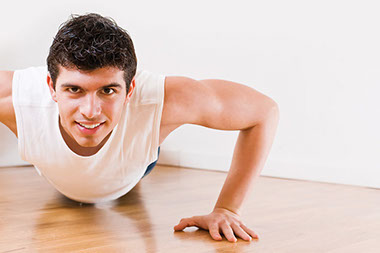
    Image of young man doing push-ups.

    Don’t let gym memberships, personal training fees, or the cost of the latest exercise gadget weigh you down. Exercise is about moving, stretching, lifting, bending, breathing – things you can easily do at home. Or simply walk – around the block, at a mall, or on a local school’s track.

    Get started

    Start with a few simple stretches to warm up your muscles. If you need help, go online for how-to instructions on everything from stretching to full routines. You can also find exercise tools to track your progress.

    No equipment necessary

    Do what you were taught in gym class – squats, push-ups, jumping jacks, and crunches. Lift your legs and arms, touch your toes, bend from side to side, jog in place, and twist. Just make sure you target all your major muscle groups at least once every week.

    No free weights? Try these substitutes

    *  Use cans instead of dumbbells to exercise biceps and triceps.

    *  A gallon jug filled with water, sand, or powdered detergent is just as effective as a kettle bell for squats and arm lifts.

    *  Put a paper plate under one foot and lunge forward. You can also attach plates to both feet with rubber bands to simulate skating. Or, get down on all fours, put the plates under your hands and slide them back and forth for a great chest workout.

    *  Pantyhose stretch just as well as resistance bands for rowing and stretching routines.

    *  A low, sturdy stool or a bottom stair can be used for a step exercise routine.

    © American Institute for Preventive Medicine

  • Exercise Smart:Prevent Heat Stroke

    BE FIT

    Image of young man and women jogging on the beach.

    Exercising outdoors is a great way to get some fresh air and improve your health. But on the hottest days of the summer, be sure you don’t overdo it. Heat stroke can happen to anyone, even trained athletes, and can be life-threatening.

    How it happens

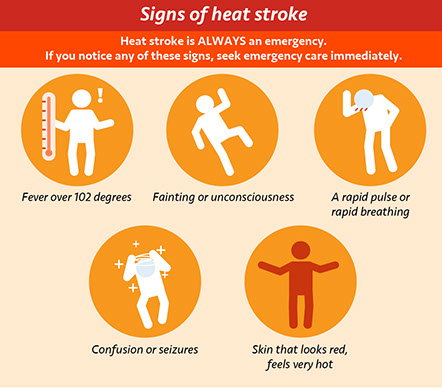
    Being out in hot temperatures, especially while exercising or doing any physical activity, can cause heat stroke. The body loses its ability to control its own temperature, and it keeps rising to unsafe levels. This can damage the brain, heart, and other organs.

    Warning signs

    Before heat stroke happens, you may notice warning signs of heat illness. This is the body’s way of saying it needs to cool down right away. They include:

    * Muscle cramps

    * Feeling very thirsty

    * Feeling very tired

    * Dizziness

    * Weakness

    * Headache

    * Nausea and vomiting

    * Skin feels moist and cool

    If you notice any of these signs, get the person out of the heat right away. Find shade, apply cool cloths to the head, and use a fan or ice packs to cool the person down. Giving a sports drink is best, but water will do if you don’t have a sports drink. If the person isn’t improving  quickly, call 911 or go to the nearest emergency room.

    Preventing heat stroke

    Preventing heat stroke is possible. Be smart about the summer sun with these tips:

    *  Drink plenty of fluids when you’re  out in the heat.

    *  Wear clothing that fits loosely and is lightweight.

    *  Seek shade or go inside during the hottest hours of the day.

    *  Don’t leave people or pets in parked cars, even with the windows down.

    *  Exercise indoors on days when there is a heat advisory, or anytime it feels too hot and humid.

    *  Keep the very old or very young out of the heat as much as possible.

    *  Wear sunscreen. A sunburn can make your body overheat.

    Anytime you feel too hot, it’s time to go inside for a cool down. Don’t try to push through it. Exercise is best done indoors on hot days. Heat stroke isn’t worth the risk!

    © American Institute for Preventive Medicine

  • Exercise To Keep The Pounds Away

    BE FIT

    Image of an older couple walking outside.

    Losing weight isn’t easy – and that’s only one part of the battle. After you’ve lost excess pounds, it can be hard to keep them off. Many people experience weight regain, which means they gain back some or all of the weight they worked so hard to lose. But why does this happen?

    Moving to Burn Calories

    To lose weight, there’s a good chance you’re cutting calories by eating less and choosing healthier, lower calorie foods, such as fruits and vegetables. But over time, it can be difficult to keep up a diet of fewer calories. If you start eating more calories and don’t burn them off, they can add up to extra weight.

    This is where an exercise program comes in. The National Heart, Lung, and Blood Institute says exercise is a great way to help keep pounds off after weight loss. Moving your body burns calories, so you don’t have to rely upon food choices alone to keep calorie counts within your healthy range.

    Not everyone needs the same amount of exercise to keep the weight off. But in general, experts recommend doing moderate-intensity exercises up to 30-60 minutes a day, 5 days a week. These activities are considered moderate-intensity exercises, and you can do them at home:

    *  Wash windows or floors for 45 to 60 minutes

    *  Garden for 30 to 45 minutes

    *  Push a stroller 1.5 miles in 30 minutes

    *  Rake leaves for 30 minutes

    *  Walk 2 miles in 30 minutes

    *  Walk up and down stairs for 15 minutes

    Your exercise can be done all at once or broken up throughout the day. If you’re looking to do sport-related activities, some good options include basketball, bicycling, jogging, tennis and dancing. The key is to find an activity that gets you moving – and that you can stick with.

    © American Institute for Preventive Medicine

  • Eye-Popping Facts

    WELL-BEING

    Image of 2 young brothers using a tablet at bedtime.

    Kids (and adults) are spending hours using electronics such as iPads, video games, computers, and smartphones. How much is too much for your eyes when it comes to digital device use?

    Eye strain or Computer Vision Syndrome (CVS) is a serious condition that can cause back and neck pain, dry eye, and even headaches. Statistics show that 80% of what we learn is through our eyes, which means that digital eyestrain and CVS can have a major impact on productivity and success.

    VSP optometrist, Dr. Nate Bonilla-Warford suggests these eye-easing ways to avoid digital eye strain:

    *Blink often:When looking at a computer or hand-held digital device, it’s common for you to blink 2 to 3 times less than you normally would. This can lead to “dry eye.” Blinking bathes your eyes in tears, and tears are naturally helpful for the eyes.

    *Follow the 20/20/20 rule:When spending long periods in front of a digital device, every 20 minutes, spend 20 seconds looking at something 20 feet away to allow your eyes to rest.

    *Ensure proper lighting:Poor lighting often causes eye strain. To help ease the strain on your eyes, keep bright lighting overhead to a minimum and position your desk lamp to shine on your desk, and not at you.

    *Wear it:If you or your child wears prescription glasses-for digital use or otherwise-make sure to have them on.

    © American Institute for Preventive Medicine

  • Face Facts About Acne

    SELF-CARE CORNER

    Image of young women washing her face.

    Acne. It’s embarrassing. It’s annoying. And it’s the most common skin condition in the U.S. Fortunately, acne can often be reduced with simple changes to your skin care routine, say experts from the American Academy of Dermatology.

    For clearer skin, follow these tips:

    *  Wash twice a day and after sweating. Perspiration, especially when wearing a hat or helmet, can make acne worse, so wash your skin as soon as possible after sweating.

    *  Use your fingertips to apply a gentle, non-abrasive cleanser. Using a washcloth, mesh sponge, or anything else can irritate the skin. Do not use skin care products that irritate the skin, which may include astringents, toners, and exfoliants. Dry, red skin makes acne appear worse.

    *  Rinse with lukewarm water.

    *  Shampoo regularly. If you have oily hair, shampoo daily.

    *  Let your skin heal naturally. If you pick, pop or squeeze your acne, your skin will take longer to clear and you increase your risk of getting acne scars.

    *  Keep your hands off your face. Touching your skin throughout the day can cause flare-ups.

    *  Stay out of the sun and tanning beds. Tanning damages your skin. In addition, some acne medications make the skin very sensitive to ultraviolet (UV) light, which you get from both the sun and indoor tanning devices.

    *  See a skin specialist for the most current treatments.

    © American Institute for Preventive Medicine

  • Fall Foods Fight Cancer

    HEALTHY EATING

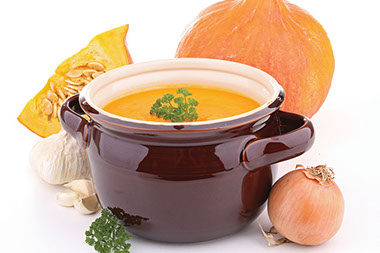
    Image of pumpkin soup.

    The harvest bounty should end up on your dinner table. Stacy Kennedy, a senior nutritionist at Dana-Farber Cancer Institute in Boston, says many fruits and vegetables are at their nutritional peak in the fall so it’s a great time to incorporate them into a healthy diet.

    Kennedy shares the ABC’s of fall foods:

    *“A” is for apple.Studies suggest that eating at least one apple a day can help prevent some types of cancer. Besides being crisp, sweet, and juicy, apples contain quercetin, a nutrient that protects the cells’ DNA from getting damaged. This damage could lead to cancer. Eat apples raw with the skin on because that’s where many of the nutrients are found.

    *“B” is for berries-cranberries.Eat cranberries year-round. Cranberries contain benzoic acid, which has been shown to inhibit the growth of lung cancer, colon cancer, and some forms of leukemia. Buy bags of fresh cranberries now, while they are in season and at their nutritional peak, and pop them in the freezer for later use. This will help ensure that the berries will provide the highest level of cancer protection whenever they’re used.

    *“C” is for color.Just like the leaves on the trees, fall is a time for colorful vegetables like beets, carrots, and parsnips. They add a burst of color and taste. The brighter and richer the pigment, the higher the level of cancer- fighting nutrients.

    *“D” is for dark leafy vegetables.Kale is a top choice because it’s rich in phytonutrients called indoles, which stimulate liver detoxification and help fight cancer. Other members of the cruciferous family include broccoli, cabbage, and Brussels sprouts.

    *“E” is for everything orange.Pumpkins, squash, carrots, and sweet potatoes are all packed with a cancer-fighting nutrient called carotenoid. Kennedy stresses that pumpkin isn’t just for pies. She suggests eating it year round by adding it to soup, smoothies, pancake batter and even raviolis.

    FYI: Tomatoes and plastic

    To keep your plastic storage containers from becoming discolored from acidic tomato products, spray with a non-stick cooking spray first, then place your food items inside. This food prep advice is from the extension experts at the University of Nebraska-Lincoln.

    © American Institute for Preventive Medicine

  • Fall In Love With Fall Vegetables

    HEALTHY EATING

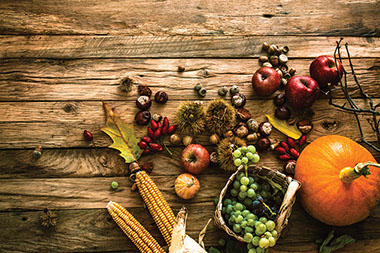
    Image of a variety of fall vegetables.

    Perhaps the days of watermelon and cucumbers are behind us for now, but fall has plenty of delicious in-season veggies and fruits to offer.

    Eating what’s “in season” often means you can get food that’s fresher, more nutritious, and costs less. Check out the grocery store or farmer’s market for some of these delicious fall favorites:

    *  Pumpkins

    *  Carrots

    *  Winter squash, such as acorn, butternut and buttercup

    *  Broccoli

    *  Cauliflower

    *  Sweet potatoes

    *  Mushrooms

    *  Spinach

    *  Grapes

    Of course, some produce is available year-round when it can be shipped from far away. But, check out where the food was grown to ensure you’re getting something fresh. The USDA requires that fresh and frozen fruits and vegetables, along with some meats and fish, have a label on them stating the “country of origin.” In general, the farther it’s had to travel, the less fresh it will be when it gets to your grocery store.

    Remember many of your favorites can be found in the frozen food section if it’s not available fresh at certain times of year.

    © American Institute for Preventive Medicine

  • Family Matters

    FAMILY LIFE

    Image of family sitting on a couch with their pet dog.

    Your family is where you learn who you are and how to relate to others. It plays a vital role in fulfilling the human need to belong and have close, long-term relationships. Whether you are a child, teen, or adult, family experiences can promote or hinder your well-being.

    Tips to foster family well-being

    *  Live a healthy lifestyle together.

    – Plan for, shop, and eat healthy foods.

    – Exercise as a family if you can. Or, promote physical activity suited for each family member.

    – Get enough sleep.

    *  Plan to eat at least one meal a day together. Have each person talk about his or her day, such as stating the best part and worst part.

    *  Spend time together. Attend important events for each family member.

    *  Express care and concern. Be available to help each other out. Listen, listen, listen.

    *  Practice good manners. Say, “Thank you” and “You’re welcome.” Make it a practice to send thank you calls, notes, letters, or emails to others for gifts and other acts of kindness.

    *  Express affection. Say, “I love you,” “I care about you,” and “You mean a lot to me.”

    *  Discuss the value of the family as a whole. Encourage individual expression and development.

    *  Define clear, yet flexible roles for family members. Assign family chores.

    *  Keep the house as organized as possible.

    *  Discuss the need to adapt to changes and deal with stressful events.

    *  Seek professional help for problems the family cannot deal with on its own.

    © American Institute for Preventive Medicine

  • Family Meals: Healthy & Simple

    HEALTHY EATING

    Image of mother with 2 young kids wearing chef hats.

    Try these time-saving tips to make eating healthier simpler for you and your family, says Penny Kris-Etherton, PhD, RD, professor of nutrition at Penn State University.

    Plan out 2 to 4 weeks of healthy meals for breakfast, lunch, and dinner.Sit down and map out meals that include your family’s heart-healthy favorites. Update your list as you come across new recipe ideas.

    Use the weekend to make menus.Start by using the list from the first tip and make sure you grab the ingredients you need when you go grocery shopping. Keep an eye out for fresh, seasonal items that are on sale.

    If you work during the week, cook over the weekend and store leftovers in the fridge or freezer.Meals can be hassle-free when you’re just thawing and reheating for quick lunches and dinners.

    Cut up vegetables and keep them handy in the fridge.You’ll have ready-made nutritious snacks and ingredients.

    Shop sales, clip coupons, and buy fruits and vegetables in season.Look for less-expensive items. For example, blueberries cost less in spring and summer, when they’re in season. You’ll pay more in the fall and winter when they’re shipped from warmer continents.

    Skip the ready-made foods.They can be higher in sodium and often cost more than homemade foods.

    Replace high-calorie or high-fat favorites with nutrition-rich foods one at a time.Your family won’t feel shocked or deprived of their favorites if the changes to their diets are gradual. Try one change per week as a starting point.

    © American Institute for Preventive Medicine