Author: AIPM

  • Forget The Ipad, Let Kids Play In Sand Or With Blocks

    FAMILY LIFE

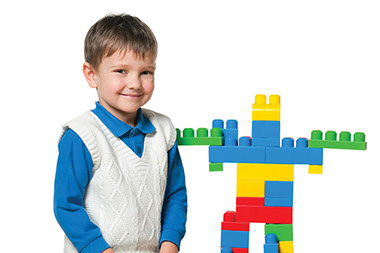
    Image of young boy playing with blocks.

    When it comes to finding toys to encourage a child’s interest in science, sometimes simpler can be better and yet more sophisticated.

    Creighton University professor of physics Dr. Gintaras Duda suggests looking at toys with a tactile, kinesthetic component that can help illustrate scientific principles while allowing a child to come up with new ways to play.

    “If you can get kids to be creative, that’s the main thing,” Dr. Duda said. “Let them sort of figure out how these things work. It’s great scientific learning. Yes, kids love to play with the iPad, but if you dump a bin of Legos out in front of them and let them go, you’ll always be surprised at what they come up with.”

    Hands-on building blocks, tower sets, and a strangely behaving substance known as kinesthetic sand, which shares certain properties with regular sand but performs differently as it’s being molded, have all captured children’s attention and imagination.

    © American Institute for Preventive Medicine

  • Forget The ‘Perfect’ Holiday

    SUCCESS OVER STRESS

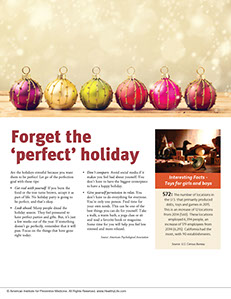
    Image of christmas ornaments.

    Are the holidays stressful because you want them to be perfect? Let go of the perfection goal with these tips:

    *  Get real with yourself. If you burn the food or the tree turns brown, accept it as part of life. No holiday party is going to be perfect, and that’s okay.

    *  Look ahead. Many people dread the holiday season. They feel pressured to have perfect parties and gifts. But, it’s just a few weeks out of the year. If something doesn’t go perfectly, remember that it will pass. Focus on the things that have gone right today.

    *  Don’t compare. Avoid social media if it makes you feel bad about yourself. You don’t have to have the biggest centerpiece to have a happy holiday.

    *  Give yourself permission to relax. You don’t have to do everything for everyone. You’re only one person. Find time for your own needs. This can be one of the best things you can do for yourself. Take a walk, a warm bath, a yoga class or sit and read a favorite book or magazine. Some time for you will help you feel less stressed and more relaxed.

    Source: American Psychological Association

    Interesting Facts – Toys for girls and boys

    572: The number of locations in the U.S. that primarily produced dolls, toys and games in 2015. This is an increase of 12 locations from 2014 (560). These locations employed 6,394 people, an increase of 179 employees from 2014 (6,215). California had the most, with 90 establishments.

    Source: U.S. Census Bureau

    © American Institute for Preventive Medicine

  • Freeze Food For Later

    HEALTHY EATING

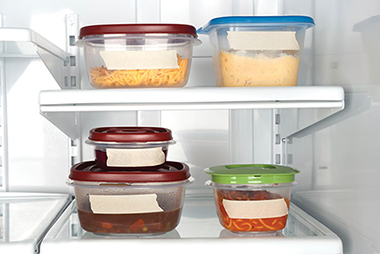
    Image of food in the freezer.

    Make more than you need and freeze foods in portion sizes for future meals. Here’s how according to the University of Nebraska-Lincoln Extension specialists:

    STEP 1.

    Cool foods “slightly” at room temperature before refrigeration. A food does not need to be completely cool before it is refrigerated. To help it cool slightly before refrigeration, place a shallow container of food (no deeper than 2 inches) on a cooling rack to allow air to circulate

    around the pan for about 20 to 30 minutes.

    STEP 2.

    Cool foods to refrigerator temperature before bagging them for your freezer. LOOSELY cover food in the refrigerator. This allows heat to escape and protects the food from accidental contamination from other foods during cooling.

    STEP 3.

    Pack foods into freezer containers or freezer bags. Use “freezer” bags, not “storage” bags, for storing food in the freezer. Freezer bags are thicker than storage bags and will keep the food fresh longer.

    Speed freezing and hasten thawing by freezing foods in a thin, flattened shape in freezer bags. A rounded shape takes longer to thaw through to the middle. Flatter packages also stack better in your freezer.

    To avoid spilling food or getting it stuck in the closure of the freezer bags, use a wide-mouth funnel. Place the freezer bag in a container such as a quart measuring cup. Stand the bag upright if you are filling it with a more liquid-type food. You may wish to double-bag liquids as an added precaution against leakage.

    STEP 4.

    Label foods. To avoid mystery meats and other foods of unknown age, label foods using freezer tape, gummed freezer labels or permanent marking pens/crayons. Include the name of the food, packaging date, number of servings or amount, and helpful hints (sliced, chopped) or special ingredients.

    Place filled freezer bags on a flat surface in your freezer, such as on a metal pan. Do not stack freezer bags until frozen so they will freeze faster. After they are frozen solid, remove the bags from the pan. Store and stack the bags right on the freezer shelf. Or turn them on their edge and store them vertically. This is an especially good idea when freezing liquid foods, such as soups and stews.

    STEP 5.

    Thaw and cook frozen foods. DO NOT thaw perishable foods at room temperature. If these foods are left at room temperature too long, bacteria may grow and produce heat-resistant toxins that can cause food-borne illness. Cooking may not be able to destroy these toxins. It’s best to plan ahead for slow, safe thawing in the refrigerator overnight. Up to 5 pounds of food should thaw in about 24 hours. Or food may be transferred from a freezer bag to a microwave safe container for thawing in the microwave.

    © American Institute for Preventive Medicine

  • Fruit And Peanut Butter Dip

    HEALTHY EATING

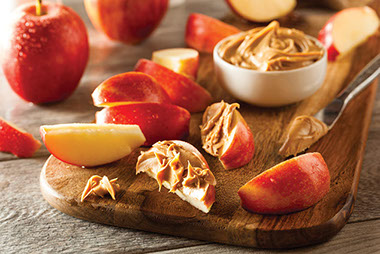
    Image of fruit and peanut butter dip.

    Ingredients

    1 cup apple slices

    1 cup banana slices

    1 cup pear slices

    1 cup grapes

    1 cup strawberries

    1 cup melon slices

    1/2 cup yogurt, nonfat plain

    1/2 teaspoon vanilla

    1/3 cup peanut butter

    Directions

    1. Prepare fruit by washing and slicing, if necessary.

    2. Arrange fruit on a plate around a small bowl.

    3. To make dip, combine yogurt, vanilla and peanut butter in a small bowl.

    4. Mix well.

    5. Chill dip in refrigerator until ready to serve.

    Note: Can use six cups of any washed fruit.

    Source: Colorado State University and University of California at Davis, Eating Smart Being Active Recipes

    © American Institute for Preventive Medicine

  • Fueling Your Workout The Healthy Way

    BE FIT

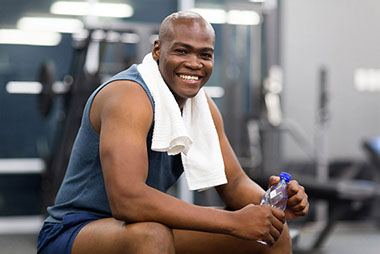
    Image of man at the gym.

    Food is your body’s fuel. When it comes to exercise, healthy food can power you through a workout session, while less healthy food can leave you feeling flat.

    Finding the right pre-workout foods doesn’t have to be complicated. Listen to your body and keep track of your diet. This can help you discover what you should eat – and avoid eating – when you want to make the most of your exercise time.

    No “quick fixes”

    Though many products on the market claim to boost energy and performance, many of them aren’t as healthy as nutritious, whole foods. Some energy bars and drinks contain high levels of sugar, caffeine and other additives. These may give you a quick “jolt,” but when your blood sugar drops and the caffeine wears off, you could feel sluggish or downright exhausted.

    Is timing everything?

    Some athletes swear by eating 30 minutes before a workout. Others experience cramping or tiredness if they eat too close to when they exercise.

    If you’re doing an intense workout, such as running or high-impact aerobics, you may need to give your body longer to digest a meal. But lower-intensity activities, such as walking or gardening, may be more enjoyable if you’ve had a small meal first.

    Healthy pre-workout choices

    Whole foods are often a great choice pre-workout – and in daily life. But don’t stick to fruits and vegetables only. The body needs some protein and fat to make energy. Try avocados, nuts, seeds, eggs, fish or beans with some fruit or veggies. If you’re going to exercise within the hour, make it a smaller portion.

    Skip sugary treats, sweetened beverages, and energy bars and drinks. Drink plenty of water before your workout and continue to drink during and afterward. If you’ll be sweating excessively, a sports drink may be advised – but make water the drink of choice most of the time.

    Coffee and exercise – a good match?

    Some people find they have a better workout after they’ve had their morning cup of joe. This can be helpful for those who already drink coffee, but it’s not for everyone. Coffee can dehydrate you, so drink plenty of water. And, if you don’t already drink caffeinated beverages, you could end up jittery or anxious. If your doctor has told you to avoid caffeine, don’t try this.

    Consuming the right foods at the right time may help you feel your best during and after your workout.
    © American Institute for Preventive Medicine

  • Fun, Fast Indoor Workouts

    BE FIT

    Image of middle-aged man with headphones on dancing.

    When the winter months hit, it can be difficult to get outside to exercise. Snow, ice, wind, and rain can put a damper on your regular walk around the neighborhoods.

    But regular exercise cuts your risk for heart disease, diabetes, depression, and even some cancers, according to the CDC. So don’t cut your workout routine when the weather doesn’t cooperate. Bring the workout into your home with these tips:

    1.Just dance.Not only is it fun, but you can burn a lot of calories and customize it to work for you. Turn on your favorite tunes and start moving. For maximum benefit, do a 5-minute warm-up, 20-30 minutes of active dancing, and a 5-minute cool down. If you can’t do that much to start, just try a few minutes and add more time each week as you are able.

    2.March or jump.If dancing isn’t for you, marching around the house, or even just in your living room, can provide great benefits. Mix it up every few minutes by doing a few jumping jacks. You can also “pretend” you’re jumping rope by doing the motions without a rope. Watch videos that guide you through indoor walking or other aerobic activities.

    3.Strength training.You don’t need fancy weight machines or equipment. Use a resistance band to strengthen your arms and legs. Try simple exercises like squats, lunges, and push-ups. Take care to do them correctly. If you have an injury or health condition that restricts movement, talk with your doctor about exercises that are right for you.

    With a little creativity, you can have your own body-and-mind-boosting workout in the comfort of your home – no matter what the weather.

    © American Institute for Preventive Medicine

  • Garage Door Safety

    WELL-BEING

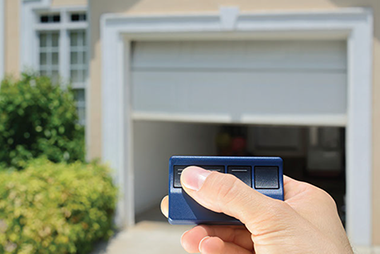
    Image of garage door opener.

    Follow this safety advice from the Overhead Door Corporation:

    *  Keep the garage door opener control button out of the reach of small children. And do not let children play with garage door remote controls.

    *  Never place fingers between door sections. Explain the dangers to children and consider pinch-resistant door panels.

    *  Consult the owner’s manual and learn how to use your garage door’s emergency release feature.

    *  Each month, inspect the springs, cables, rollers and pulleys for signs of wear. Do not try to remove, adjust or repair these parts or anything attached to them. These parts are under high tension and should only be fixed by a trained door technician.

    *  Test the reversing mechanism, monthly, too. Place a 2×4 board or a roll of paper towels in the door’s path. If the door does not reverse after contacting the object, call a qualified professional for repair. If the garage door opener has not been replaced since 1993, get a new one that has safety beams and an auto-reverse as standard features.

    *  Do not leave the garage door partially open. When activated again, it may travel downward and come in contact with an object in its path. This also compromises a home’s security.

    *  Never leave the remote control in the car when given to a parking attendant. A stolen remote leaves you more susceptible to home invasion. Always lock your car when left unattended. Store the remote out of sight.

    © American Institute for Preventive Medicine

  • Garlic Secrets

    HEALTHY EATING

    Image of garlic.

    Use a garlic peeler to quickly peel garlic. A garlic peeler is a cylindrical piece of rubber that you place the garlic in and then roll it on the counter with the palm of your hand. The peel will stick to the inside of the peeler, and the garlic will fall out the end. If you don’t have a garlic peeler, you can do the same thing with a rubber jar opener, say extension experts at the University of Nebraska-Lincoln.

    Bonus tip:

    To mince garlic without having it stick to your knife, add a few drops of water to the garlic and then chop. The garlic sticks to the cutting board and not your knife.

    © American Institute for Preventive Medicine

  • Gas Leak

    WELL-BEING

    Illustration of 911 Emergency written.

    Be aware of all the possible signs of a gas leak, including a distinct unpleasant smell. The odor is added to natural gas to help identify leaks.

    If a leak is suspected:

    *  Stay calm.

    *  Don’t light a match, candle, or cigarette, and don’t turn any electrical devices on or off, including light switches, or use any device or equipment that could cause a spark.

    *  Immediately evacuate the area where the leak is suspected and from a safe location call your gas company or 911.

    © American Institute for Preventive Medicine

  • Gbs: Get Tested, Get Treated

    MEDICAL NEWS

    Image of pregnant women at the doctors office.

    GBS is a bacteria that can be dangerous for pregnant women and their babies.

    About 1 in 4 pregnant women have GBS in their bodies, but they may not know it. That’s because GBS doesn’t always make the mother sick. But, if GBS is passed to her newborn during labor and delivery, the baby can become very sick. GBS can cause:

    *  Pneumonia

    *  Sepsis (blood infection)

    *  Meningitis (infection in the fluid around the brain)

    *  Premature birth

    *  Stillbirth

    Testing for GBS

    Many women have GBS because it’s a normal part of the body’s bacteria. You don’t get GBS from another person. It may live in the body for years without any signs. That’s why all pregnant women should be tested for GBS between 35 and 37 weeks of pregnancy.

    If the test is positive for GBS, the mother should get antibiotics during labor and delivery. The antibiotics are given through an IV. This is a safe and effective way to prevent serious GBS infection in the baby.

    Babies most at risk

    Not all babies get sick from GBS. But, because GBS can be life-threatening, every mother should be tested and treated to avoid spreading this bacteria.

    Some babies may be more at risk of serious health problems from GBS. This is more likely to happen if:

    *  The baby is born before 37 weeks of pregnancy

    *  The mother’s water breaks 18 hours or more before the baby is born

    *  The mother has a fever during labor

    *  The mother had a urinary tract infection during pregnancy that was caused by GBS

    *  The mother had a previous baby with a GBS infection

    GBS can make a baby sick even if none of these risk factors happen.

    Signs of GBS in babies

    With proper testing and treatment, GBS can be prevented. But, it’s important to know the signs of GBS infection in a baby. Get treatment right away if you notice any of these signs in your baby:

    *  Fever

    *  Breathing problems

    *  Being very drowsy

    *  Coughing or congestion

    *  Trouble eating

    These symptoms don’t mean a baby has GBS. But, any unusual signs in a baby should be checked by a doctor right away.

    Sources: Centers for Disease Control and Prevention, Group B Strep International, March of Dimes

    © American Institute for Preventive Medicine