Author: AIPM

  • Gentle Ways To Support Someone With Depression

    WELL-BEING

    Image of women supporting another women with depression.

    Everyone knows someone who has been through depression. Yet it’s not something we’re used to talking about over coffee break.

    If you suspect that someone is depressed, what do you say? You’re not a doctor, and you certainly can’t diagnose. But you can offer some encouragement, say mental health experts:

    *  Be understanding: “I know you’re suffering. I know you’re in pain.” “Have you thought about talking things over with your doctor?”

    *  Be supportive: “It’s okay to take your medicine.”

    *  Maintain as normal a relationship as possible: “How about lunch? My treat.”

    *  Pay genuine compliments: “Great new haircut.”

    *  Show respect: “Nice work on that report.”

    Treatment works, but it won’t work if people are not encouraged to see their doctor in the first place. Seeking treatment is a sign of strength. It’s the first step toward feeling better. Yet all the medicine in the world won’t be enough without support from those around you.

    Know what to say and when to say it. Be present to help someone put depression in their past.

    © American Institute for Preventive Medicine
  • Germs: Just Don’t Share Them

    WORK LIFE

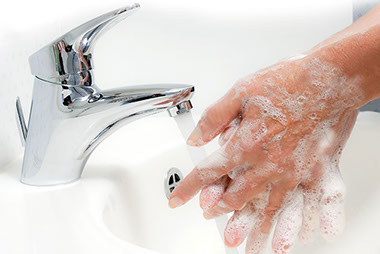
    Image of hands being wash with soap and water.

    If you must go to work or do necessary errands with a minor illness, follow these tips from the CDC to help prevent the spread of germs:

    *  Wash your hands often with soap and running water. Wash your hands after blowing your nose and using the bathroom.

    *  Cough or sneeze into a tissue and throw it away. If you do not have a tissue, cough or sneeze into your elbow, not your hand.

    *  Avoid touching your eyes, nose, or mouth.

    © American Institute for Preventive Medicine

  • Get Back Into The Exercise Habit

    BE FIT

    Image of 2 females jogging.

    Stressful and busy times in our lives often get in the way of exercise. Whether you’ve been busy with your job, family, or other commitments, it is possible to get back into a fitness habit. If you haven’t exercised for months or even years, here are some safe ways to start fresh and enjoy all the healthy benefits of exercise again.

    1.Go easy at first.Understand that your body will need to work back up to its prior fitness level. Go for a shorter and lighter workout and see how you feel the next day. Gradually make it longer and more difficult each time. This will help you avoid injury and soreness.

    2.Don’t be frustrated.Perhaps you can’t run as fast or lift as many pounds as you did before. That’s to be expected. You can, however, keep working at your fitness goals to be your healthiest self. Each day you exercise, you get closer to that goal.

    3.Recovery is important.You may notice more soreness at first, as your body adjusts to exercise again. Be sure you cool down at the end of your workout and stretch your muscles.

    4.Set realistic goals.Fitness goals can help move you forward. But goals that are too difficult to reach may cause you to throw in the towel. Be proud of any progress you make and each day you choose to be active.

    5.Ask a friend to join you.Having a workout buddy can help you stay motivated and make it fun. Perhaps your friend can join you at the gym or for walks around the neighborhood a few times a week.

    6.Consider a coach or trainer.Professional fitness experts can help you avoid injury and get you on a good fitness plan. Some gyms offer free or low-cost training sessions to new members.

    Source: Office of Disease Prevention and Health Promotion

    © American Institute for Preventive Medicine

  • Get Better Sleep Starting Tonight

    SELF-CARE CORNER

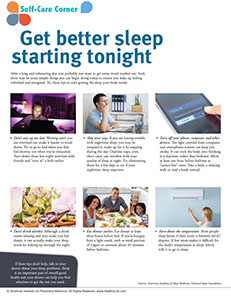
    Image of man feeling sleepy at his desk.

    After a long and exhausting day, you probably just want to get some much needed rest. And, there may be some simple things you can begin doing today to ensure you wake up feeling refreshed and energized. Try these tips to start getting the sleep your body needs:

    *  Don’t stay up too late. Waiting until you are overtired can make it harder to wind down. Try to go to bed when you first feel drowsy, not when you’re exhausted. Turn down those late-night activities with friends and “turn in” a little earlier.

    *  Skip your nap. If you are having trouble with nighttime sleep, you may be tempted to make up for it by napping during the day. Daytime naps, even short ones, can interfere with your quality of sleep at night. Try eliminating them for a few days to see if your nighttime sleep improves.

    *  Turn off your phone, computer and other devices. The light emitted from computer and smartphone screens can keep you awake. It can trick the body into thinking it is daytime, rather than bedtime. Allow at least one hour before bedtime as “screen-free” time. Take a bath, a relaxing walk or read a book instead.

    *  Don’t drink alcohol. Although a drink seems relaxing and may make you feel sleepy, it can actually make your sleep worse by waking up through the night.

    *  Eat dinner earlier. Eat dinner at least three hours before bed. If you’re hungry, have a light snack, such as small portion of yogurt or oatmeal, about 45 minutes before bedtime.

    *  Turn down the temperature. Most people sleep better if their room is between 60-67 degrees. A hot room makes it difficult for the body’s temperature to drop, which tells it to go to sleep.

    If these tips don’t help, talk to your doctor about your sleep problems. Sleep is an important part of overall good health and your doctor can help you find solutions to get the rest you need.

    Sources: American Academy of Sleep Medicine, National Sleep Foundation

    © American Institute for Preventive Medicine

  • Get Fit While Cleaning House

    BE FIT

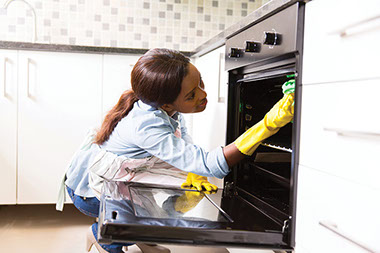
    Image of women cleaning the oven.

    If you have a home, you probably spend a good amount of time cleaning it. What if you spent that time not only cleaning your house, but cleaning up your health too?

    If you do your chores with a few fitness upgrades, you could burn extra calories and feel great when you’re done. Here’s how you can do it:

    1. Turn on the tunes.

    Use upbeat music to get motivated and set it for 30 minutes of play time. Or, set an oven timer for 30 minutes. Then, dance and move around the house as you organize, sweep, wash dishes or put laundry away. Keep your body moving as much as possible but make it fun!

    2. Focus on a muscle group while working.

    If you’re vacuuming or mopping floors, you’re already burning some calories. But, take it up a notch by working your muscles even harder during the task. For instance, hold your abdominal core (belly) muscles tight as you do your task. Try holding them for 10 seconds. Then, take a 10-second break. If this becomes too easy, increase the time to 20 seconds.

    3. Do squats as you pick up.

    If you’re spending time getting toys, clothes or other items off the floor, use this chore to work your lower body. After you pick up something, do a squat. Keeping your back straight and belly tight, slowly bend your knees and lower your bottom slightly toward the floor. Don’t let your knees reach over your toes. Come back up slowly. If this hurts your knees or back, you should stop.

    Remember, exercise doesn’t have to be a workout at the gym. You can move your body while doing everyday jobs and multitask for your health!

    Sources: Calorie Control Council, Compendium of Physical Activities

    © American Institute for Preventive Medicine

  • Get Out Of Your Seat

    MEDICAL NEWS

    Image of women standing and talking on the phone.

    There are lots of things you can do to keep your body healthy. Eat nutritious foods like fruits and vegetables, get exercise, and see your doctor as needed for checkups. But the American Cancer Society says there’s something else we need to do: don’t sit so much.

    A large study showed that women who sat for more than six hours per day had a higher risk of cancer than those who sat for three hours or less. In addition, studies have found links between sitting for long periods and dying younger, the ACS says.

    But what if you have to sit for your job? There are some ways you can reduce your sitting time:

    *  Stand during conference calls.

    *  Take a quick standing or walking break every hour if you can.

    *  Park farther away from the building.

    *  Walk during your lunch break.

    Remember, every little bit helps. A few minutes of walking here and there can add up to big health benefits.

    © American Institute for Preventive Medicine
  • Get Your Game On

    BE FIT

    Image of two males playing active video game, such as the Wii.

    Active video games, also known as “exergames,” are not the perfect solution to getting the nation moving, but they can play a role in getting some people up off the couch and moving right in front of it.

    Michigan State University researchers reviewed published research of studies of these games and say that most of the games provide only “light-to-moderate” intensity physical activity.

    And that, they say, is not nearly as good as what would be real exercise, but video gaming may be a step in the right direction. They generally do not provide the recommended 30 minutes of moderate activity per day, but for some people, the researchers said, light activity can sometimes be enough.

    The researchers named the three video gaming systems that offer active video games as ways to increase physical activity: Nintendo’s Wii, Xbox 360 (Kinect), and PlayStation 3 (Move). The study was published in Health Education and Behavior.

    © American Institute for Preventive Medicine
  • Get Your Healthy Game Day On

    SELF-CARE CORNER

    Image of football field.

    The excitement of football, and even the activities and feelings of anticipation leading up to games, can be unhealthy in ways many do not realize, according to Jody Gilchrist, a cardiac nurse practitioner at the University of Alabama at Birmingham.

    Critical matchups, tight games, and crushing defeats can trigger adrenaline that reduces blood flow to the heart and other muscles and increases heart rate and blood pressure. Over time, these high levels of stress hormones can hurt your heart-even though a football game may be deemed good stress.

    Adding to the effects of stress on the body would be unhealthier foods at the tailgate party, and heavier eating and drinking during the game. Not a winning combination. Here are some tailgating tips:

    *  Help minimize stress by watching the game with people you enjoy.

    *  Knock out a few pushups and sit ups during commercial breaks.

    *  Chew gum or squeeze a stress ball to reduce anxiety and control your emotions.

    *  Take a brief walk at halftime, or if you are attending the game, take a walk around the stadium or to another section to meet a friend.

    *  Manage your net dietary intake by planning ahead and making healthier choices at other times of the day in anticipation of splurging a bit during the game.

    *  If tailgating at the stadium, try to conserve calories earlier in the day.

    *  If tailgating at home, consider using vegetables in place of chips for dips, and substitute Greek yogurt for sour cream or cream cheese dips.

    *  Because sodium causes fluid retention-something especially bad for heart patients-a good rule of thumb is to avoid foods that have more than 1 mg of sodium per calorie. At about 0.5 mg of sodium per calorie, natural foods such as fresh fruits and vegetables generally contain much less, so opt for them whenever possible.

    *  Do your best to avoid soft drinks, which are extremely high in sugar.

    In the end, your health will win-even if your team does not.

    © American Institute for Preventive Medicine

  • Get Your Iron In The Kitchen!

    HEALTHY EATING

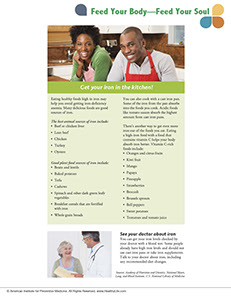
    Image of couple in the kitchen.

    Eating healthy foods high in iron may help you avoid getting iron-deficiency anemia. Many delicious foods are good sources of iron.

    The best animal sources of iron include:

    *  Beef or chicken liver

    *  Lean beef

    *  Chicken

    *  Turkey

    *  Oysters

    Good plant food sources of iron include:

    *  Beans and lentils

    *  Baked potatoes

    *  Tofu

    *  Cashews

    *  Spinach and other dark green leafy vegetables

    *  Breakfast cereals that are fortified with iron

    *  Whole grain breads

    You can also cook with a cast iron pan. Some of the iron from the pan absorbs into the foods you cook. Acidic foods like tomato sauces absorb the highest amount from cast iron pans.

    There’s another way to get even more iron out of the foods you eat. Eating a high-iron food with a food that contains vitamin C helps your body absorb iron better. Vitamin C-rich foods include:

    *  Oranges and citrus fruits

    *  Kiwi fruit

    *  Mango

    *  Papaya

    *  Pineapple

    *  Strawberries

    *  Broccoli

    *  Brussels sprouts

    *  Bell peppers

    *  Sweet potatoes

    *  Tomatoes and tomato juice

    See your doctor about iron

    You can get your iron levels checked by your doctor with a blood test. Some people already have high iron levels and should not use cast iron pans or take iron supplements. Talk to your doctor about iron, including any recommended diet changes.

    Sources: Academy of Nutrition and Dietetics, National Heart, Lung, and Blood Institute, U.S. National Library of Medicine

    © American Institute for Preventive Medicine