Author: AIPM

  • How To Stop Impulse Buying

    FINANCIAL HEALTH

    Image of women looking at jeans.

    Many people have bought something at the store that they didn’t plan to get. If you buy something simply because you see it and want it, this is called an impulse buy.

    Some estimates show that the average American spends a few thousand dollars a year on impulse buys. These purchases can add up to big spending.

    If you’re trying to save money, take a look at your buying habits. It’s possible that your unplanned impulse purchases are standing in the way of a healthy budget and your long-term financial goals.

    Try not to dwell on past impulse purchases. Instead, look to the future and decide that you will resist the urge to buy things you don’t need.

    Why we impulse buy

    Stores use certain tricks and techniques to make impulse buys happen. Plus, specific things happen in our brains while shopping that can lead to an impulse buy. Some of the reasons we buy things on impulse:

    1.  A love of shopping and new things. Shopping can release feel-good chemicals in the brain. Once we experience this kind of pleasure, it can become a habit that is hard to break.

    2.  Fear of missing a deal. Our desire to save money can lead to impulse buying. We see a deal on something and wonder if we will regret not buying it later.

    3.  Hope that having this item will make our life better. For example, someone may think that buying a new blender means they will make a vegetable smoothie every day. Or, if someone is feeling depressed or angry, they may think this new item will fix their problem.

    How to stop impulse purchases

    If you think impulse buying is affecting you, there are ways to stop. Keep these things in mind when you go shopping:

    *  Stop and think about the price. Ask yourself whether that item is truly worth what it costs. Think about how many hours you would have to work to pay off that item. Is it really worth buying?

    *  Bring a list. Make your shopping list in advance and buy only those items.

    *  Don’t use credit cards. If possible, only shop with cash or a debit card. This means you won’t have seemingly unlimited funds. If that’s not possible, picture next month’s bill with that item on it. That number on your statement may make the item less appealing.

    *  Don’t shop when you’re hungry, stressed, angry or sad. These emotions can prompt you to buy unwanted things.

    © American Institute for Preventive Medicine

  • How To Stretch The Right Way

    BE FIT

    Image of an older Asian couple stretching.

    Do you skip stretching after your workout because you don’t have time? This may be a mistake: stretching can have benefits for flexibility, range of motion, and blood flow to the muscles, according to the American Academy of Family Physicians. But to reap these rewards, stretching needs to be done correctly. Be sure you follow these tips:

    *Never stretch cold muscles.If you haven’t been moving, it’s not a good time to stretch. The best time is right after your workout, or at least after a 5-10 minute warm-up.

    *Don’t bounce.Use smooth, slow, controlled movements. Bouncing can actually harm muscles.

    *Breathe.Be sure you’re breathing in and out, and not holding your breath.

    *Hold it.A good stretch should last at least 30 seconds, and you may want to hold some for up to 60 seconds.

    *Stretch until you feel it, but don’t go too far.Stretching should feel good, not painful. If it hurts, back off the stretch until it’s comfortable, then hold.

    If you have a strained muscle, sprain, or other injury, talk with your doctor before stretching or starting any exercise. People with chronic conditions, such as diabetes, arthritis, and heart disease, should also seek their doctor’s advice on the safest exercises for them.

    © American Institute for Preventive Medicine

  • How To Train Teens Toparticipate Safely In Sports

    FAMILY LIFE

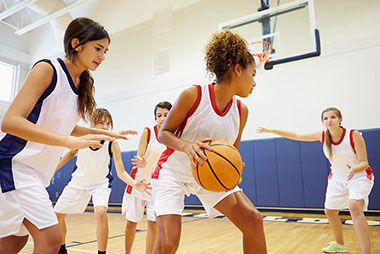
    Image of high school girl's basketball team playing.

    Increased participation in football, soccer, basketball, and other sports also leaves athletes more prone to injury, but certain good practices can help protect them from being sidelined, according to Dr. Scott Rodeo, an orthopedic surgeon at the Hospital for Special Surgery.

    *  Athletes need to stay hydrated. Water is adequate, but fluids with electrolytes are needed if athletes exercise more than 2 hours a day.

    *  Make sure young athletes warm up properly to slowly increase the heart and breathing rate by doing low-intensity versions of the activity and stretching.

    *  Any player who feels dizzy, light-headed, or short of breath needs to get out of the game. This is especially important if playing or practicing in hot and humid conditions.

    *  Athletes can push themselves during practice, but should not go to complete exhaustion.

    *  Athletes should talk to their parents or coaches if they feel they have been injured. There is no such thing as a mild concussion. Signs of a concussion include a headache, light sensitivity, appearing confused, and clumsiness. After a player is removed from a game, parents need to monitor their child at home to make sure symptoms aren’t worsening.

    *  Limit weekly training time, number of repetitions, and total distance to no more than a 10% increase each week.

    *  Ensure the use of proper equipment for each sport: protective equipment should be the correct size, fit well, and protect from top to bottom.

    *  Players should be educated on the rules of the game: make sure they understand their role and position, as well as where to be to avoid being in harm’s way.

    *  Serious injuries should be promptly evaluated and treated. Even injuries that may be considered minor should be promptly checked by a medical professional so they do not cause more serious problems later on.

    *  Parents should be vigilant to signs of burnout such as athlete’s fatigue, poor academic performance, and complaints of nonspecific muscle or joint problems.

    *  Keep it positive: emphasize that the focus of sports participation should be on fun, skill acquisition, sportsmanship and, above all else, safety.

    *  Nutrition is important for recovery. Consume a carbohydrate bar or carbohydrate drink immediately after practice, followed by a meal one to two hours after to help maintain strength and endurance.

    © American Institute for Preventive Medicine

  • How To Use Food To Boost Your Energy

    HEALTHY EATING

    Image of business man eating a salad and cracker at his desk.

    Do you hit an afternoon slump every day? Are you feeling drained despite getting enough sleep? Take a look at your food.

    In general, healthy foods like fruits, vegetables and whole grains will keep your energy levels higher than processed or junk foods. But there are some ways you can use those good foods to boost your energy even more:

    *Eat enough calories.Very strict diets can zap your energy if you’re not eating enough. Healthy weight loss should not exceed one to two pounds per week. If you’re losing much more than that, you may feel tired and could be skipping important nutrients. Women should eat at least 1,200 calories and men should eat at least 1,500 calories per day.

    *Avoid candy and sugary treats.These foods may give you a quick boost of energy, but your body will quickly process the sugar. Then, you’ll feel more tired than before.

    *Eat between meals.Many people find they need small snacks throughout the day to keep their energy up. Keep the snacks small and light, such as a small serving of nuts or fruit.

    *Drink water.Even mild dehydration can make you tired. Aim for eight glasses of water per day. You may need more if you’re exercising or sweating.

    *Don’t overeat during meals.Do you ever feel like taking a nap after a big lunch? Avoid this by eating a moderate sized meal, and stopping when you start to feel full.

    *Don’t rely on “energy bars.”Many of these bars contain as much sugar as a dessert, as well as processed ingredients. Instead, opt for food with protein, healthy fats and whole grains to keep you satisfied.

    Source: Harvard Medical School and Centers for Disease Control and Prevention

    © American Institute for Preventive Medicine

  • How Was Your Day At School?

    FAMILY LIFE

    Image of mother and her school-age child.

    Students are back in school, and now is the time for parents to develop routines to help their children succeed academically. Kimberly Greder, Iowa State University Extension and Outreach family life specialist, says parental involvement, more than income or social status, is a predictor of student achievement.

    *  Create a home environment that encourages learning. Set high but reasonable expectations for your kids.

    *  Get involved, with your kids, in school and community activities. Ask about homework. Visit with teachers and school counselors. Ask them what you can do at home to help your kids succeed.

    *  Ask your kids about their day at school.

    *  Encourage reading at home and be a role model.

    *  Watch who your kids hang out with. Make sure they are doing healthy activities.

    *  Get your kids involved in activities or sports to develop leadership skills and positive communication and conflict resolution skills.

    © American Institute for Preventive Medicine

  • I Cannot Tell Afib

    MEDICAL NEWS

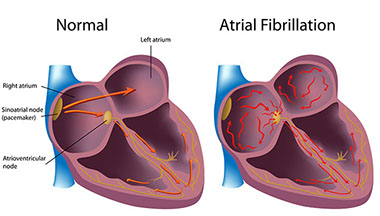
    Illustration of a normal heart vs a heart with AFib.

    Atrial fibrillation or AFib is the most common heart arrhythmia or irregularity in the U.S. It affects up to 4 million people.

    AFib needs to be taken seriously. It increases the risk of stroke by as much as 5 times and can contribute to heart failure and other heart conditions.

    When someone develops AFib, the upper chambers of the heart, the atria, beat rapidly and irregularly. “The atria quiver instead of squeezing normally. This causes slow blood flow, which leads to clots and stroke,” said Dr. Eric Rashba, Director of the Heart Rhythm Center at Stony Brook University Heart Institute.

    People with AFib often feel a fluttering in their chest, an unexplained racing of the heart, or that their heart is skipping beats. Other symptoms include fatigue, dizziness, shortness of breath, and lack of energy. Up to 10% of AFib patients have no symptoms at all.

    AFib can be related to high blood pressure, an overactive thyroid, congestive heart failure, or diseased heart valves. It is important to be diagnosed and treated early.

    The longer you wait for diagnosis and treatment, the more AFib progresses and becomes increasingly difficult to treat. Your doctor can refer you to a heart specialist. Initial treatment is medication. New procedures are also available.

    © American Institute for Preventive Medicine

  • “I Know Where You Are”

    WELL-BEING

    Illustration of smartphone next to a shield with the word "security".

    The new you may not be you at all. Hackers and cyber criminals steal millions of records and identities, according to the consumer advocacy nonprofit Privacy Rights Clearinghouse.

    Stay safer online by following these practices:

    *Assume you’ve already been compromised.Whether it’s your baby monitor, your Smart TV, the webcam on your laptop, or apps you installed on your smartphone or tablet, your antivirus is not enough protection. It’s time to take their privacy policies, and the permissions you grant them, much more seriously.

    *Change your passwords.All of them. Now. And do it as frequently as you can tolerate. Also, if you don’t want to change it often, then use any unique characters you can think of, such as a dollar sign ($) or exclamation mark (!), or replace an “oh” with a “zero” (0). This goes a long way in preventing attacks against your password.

    *Turn off wireless and geolocation services.Protect your smartphones and tablets by turning off WiFi, Bluetooth, NFC and GPS, except when you need them. That way, if you are at a local coffee shop or in a shopping mall, no one can spy on you using nearby (proximity) hacking attacks, and they can’t track where you were and where you are going on your GPS.

    *Assume most of your apps are creepware.This is malware that spies on you and your online behavior. Do you really need them? Delete all of the apps you aren’t using too often.

    Source: Gary S. Miliefsky is CEO of SnoopWall and the inventor of SnoopWall spyware-blocking technology. He is a founding member of the U.S. Department of Homeland Security.

    © American Institute for Preventive Medicine
  • I Love My Cellphone

    WELL-BEING

    Image of a smart phone on a bench.

    You’ve done it: driven back home to search for your forgotten phone. Dug under the car seats. Called yourself to find a lost phone. Or, worse, watched your phone ring silently when you were in a situation where you couldn’t answer it.

    Cellphone use has become a common part of life as mobile devices have become one of the most popular ways to communicate. Research from the University of Missouri has found that cellphone separation can have serious psychological and physiological effects on iPhone users, including poor performance on mental tests.

    The researchers say these findings suggest that iPhone users should avoid parting with their phones during daily situations that involve a great deal of attention, such as taking tests, sitting in conferences or meetings, or completing important work assignments, as it could result in poorer mental performance on those tasks. But use common sense and proper business etiquette about texting, talking, and checking emails in those venues.

    © American Institute for Preventive Medicine