Author: AIPM

  • Keep Clean And Carry On

    HEALTHY EATING

    Image of green re-usable bag with fruit.

    Reusable grocery totes are popular. They’re an eco-friendly choice to carry groceries. But only 15% of Americans regularly wash their tote bags, thus creating a breeding zone for harmful bacteria, according to a survey by the Home Food Safety program. For example, juices from raw meat or germs from unclean objects can come in contact with bread or produce. And each year 48 million Americans get food poisoning from food-borne germs.

    You can prevent getting sick, says the Academy of Nutrition and Dietetics:

    *  Wash your grocery tote often, either in the washing machine or by hand with hot, soapy water. Turn it inside out.

    *  Clean all areas where you place your totes, such as the kitchen counter or kitchen table.

    *  Store totes in a clean, dry location. Avoid leaving empty totes in the trunk of your car.

    *  Wrap meat, poultry, and fish in plastic bags at the grocery store before putting them in your tote. Use one tote for raw meats, poultry and seafoods. Use a different one for ready-to-eat foods.

    © American Institute for Preventive Medicine

  • 6 Steps To A Healthier Heart

    MEDICAL NEWS

    Image of hearts hanging from a string.

    It’s never too late to start living a healthier life. A few simple steps can put you on the path to a younger heart age and better overall health. Consider these tips to get started:

    1.If you smoke, quit.Quitting can be hard and often requires help and support. Talk with your doctor or go online to find a number of free resources to help you. Check outsmokefree.govorlung.org/stop-smoking.

    2.See your doctor to get your blood pressure and cholesterol checked.Uncontrolled high blood pressure and high cholesterol increase your risk of heart attack and stroke. You won’t know if you’re at risk until you get tested because there are no symptoms.

    3.Take your medicines as your doctor advises.You may have medicines to control  high blood pressure or cholesterol. Don’t stop taking them without talking with your doctor.

    4.Get regular exercise.Walking, biking, and swimming are great choices to keep your heart healthy. Try to exercise for 30 minutes, five  days a week.

    5.Focus on a heart-healthy diet.This includes lots of fresh fruits and vegetables, whole grains, and lean protein like chicken and fish. Minimize foods like fried foods, fast food, and sugary desserts.

    6.Aim for a healthy weight.Calculate your BMI online, or talk with your doctor. Losing just 5 to 10 pounds has heart benefits.

    By adopting these heart-healthy habits, you can reduce your heart age. You’ll have a lower risk of heart attack, stroke, type 2 diabetes, and other health problems.

    © American Institute for Preventive Medicine

  • Keeping Asthma Under Control

    SELF-CARE CORNER

    Image on women holding an inhaler.

    According to the CDC, 25 million Americans have asthma today, including 10 percent of all children. Although it’s common, it should not be taken lightly. Asthma can severely affect quality of life, and can be deadly.

    Asthma attacks occur when a person with asthma comes into contact with an asthma “trigger.” A trigger causes inflammation and narrowing of your lungs’ airways. This can lead to coughing, wheezing and can limit or even prevent breathing. Asthma attacks require rescue medicines and can be a medical emergency.

    If you or your child has asthma, the most important thing you can do is keep it under control to avoid attacks. The keys to good asthma control are to:

    Have regular asthma checkups with your doctor.

    Working with your doctor to develop an asthma action plan plays a key role in good asthma control. Keep a diary of your asthma triggers and symptoms such as wheezing, coughing and shortness of breath. Discuss these with your doctor to find better ways to control your asthma. The goal is to minimize asthma attacks and take medicines, as needed.

    Use your asthma control medicines as prescribed.

    Control medicines are taken regularly, usually every day. These medicines help you avoid an asthma attack by minimizing inflammation. They do not help during an asthma attack.

    Know your asthma triggers and avoid them.

    Each person’s asthma triggers are different. They may include irritants, like cigarette smoke or chemical fumes, or they may be allergens such as dust, mold or pollen. You and your doctor should discuss your asthma triggers and how they can be avoided.

    © American Institute for Preventive Medicine

  • Keeping Track Of Medicines

    WELL-BEING

    Close up image of hands holding medications.

    Did I take my medicine? If you find yourself asking that question often, try these tips to help you keep track.

    *Keep them in an accessible spot.As long as they’re out of reach of children or pets, the best place for your medicine is a place you’ll see it.

    *Write it down.Purchase a small notebook and write down each medicine as you take it. Be sure to record the date, time, and what you have taken.

    *Use technology.Today’s smartphones have alarms you can use to remember your medicines. Set separate alarms for each medicine and have them repeat daily. Don’t have a smartphone? Check out “talking” pill boxes. Take the medicine as soon as the alarm goes off. Don’t wait – or you may forget!

    *Know what to do if you miss a dose.Some medicines should be “made up” at the next dose, but others should not. It may be dangerous if you forget certain life-saving medicines.

    Medicines we use the most

    The most frequently prescribed medicines in the U.S. are:

    *  Pain relievers

    *  Lipid-lowering medicines (to lower cholesterol or triglycerides)

    *  Antidepressant medicines

    © American Institute for Preventive Medicine

  • Kick Cigarettes Out Of Your House

    SELF-CARE CORNER

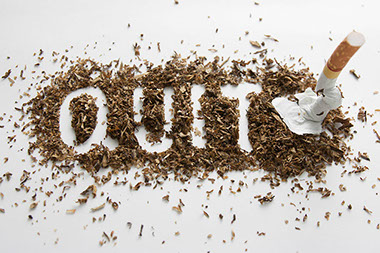
    Image of the word "Quit" spelled within a pile of tobacco with a crused cigarette.

    You know that smoking can cause health problems, including heart disease and cancer. But if you smoke inside your home, you could be hurting everyone who lives with you. Anyone who is around cigarette smoke is exposed to secondhand smoke.

    *  Secondhand smoke contains more than 4,000 chemicals. Many of these have been proven to cause cancer and irritate the lungs.

    *  Secondhand smoke can trigger asthma attacks and they happen more often and with more severity in children.

    *  Children whose parents smoke have more ear infections, bronchitis and pneumonia.

    You and your family can be healthier if you don’t allow any smoking in your home. And don’t allow guests to smoke in your home or around your children. If your children regularly visit another home, such as a child care provider, make sure no one smokes in that home.

    If you need help quitting, call 1-800-QUIT-NOW or visitsmokefree.govfor free resources.

    Source: Asthma and Allergy Foundation of America

    © American Institute for Preventive Medicine

  • Kidney Stones Hurt

    MEDICAL NEWS

    Image of male doctor.

    Although they can be painful, kidney stones rarely cause permanent damage, and you may be able to prevent them, according to the National Institutes of Health. Back or side pain that won’t go away is the primary symptom of a kidney stone. You may also have pinkish or foul-smelling urine, a fever, or painful urination. Caucasians are more prone to kidney stones than African Americans, and men are more prone than women. Age is also a factor. The chance of getting a kidney stone rises as men enter their 40s and continues to rise into their 70s. For women, the risk peaks in their 50s.

    Each day, about 50 gallons of blood flows through your kidneys. The kidneys remove waste products including various minerals and other substances from the blood and transfer them into urine so your body can get rid of these waste products. In people who get stones, certain minerals in the urine combine with other waste products and start to form a stone.

    Kidney stones aren’t all the same. The most common type is made of the mineral calcium, combined with either oxalate or phosphate. Less common types of stones are made of uric acid or other chemicals, all of which are naturally found in the body. No one knows why these substances form kidney stones in some people but not in others, since we all have them in our urine.

    Most kidney stones eventually pass out of the body during urination. But some can grow large enough to begin blocking the flow of urine. That causes intense pain and may also put you at risk for infection. Most kidney stones that don’t pass on their own are treated in an outpatient setting. The most common procedure is called lithotripsy. Greek for “stone crushing,” this technique uses shock waves to reduce kidney stones into small fragments, which then easily flow away in urine.

    If you’ve had more than one kidney stone, you’re at higher risk for forming another. But there are ways to help prevent most types of kidney stones. First, your doctor needs to know what type of stone it is. If you pass a stone, try to catch it in a strainer. A laboratory analysis can help your doctor plan a strategy to prevent more stones. Other tests, which may include urine and blood tests, can help your doctor figure out why you had a kidney stone.

    Drinking more water may help prevent kidney stones. Depending on the type of stone you’re at risk for, your doctor may also advise you to avoid certain foods or drinks. For example, people prone to forming calcium oxalate stones should avoid spinach, peanuts, and chocolate. People prone to forming uric acid stones should cut back on meat. Doctors can also prescribe certain medications to help prevent these types of stones.

    Stone watch

    Call a doctor if you have any of the following signs of a kidney stone:

    *  Extreme pain in your back or side that won’t go away

    *  Blood in your urine (it will look pink)

    *  Fever and chills

    *  Vomiting

    *  Urine that smells bad or looks cloudy

    *  A burning feeling when you urinate

    © American Institute for Preventive Medicine

  • Kids And Cavities: What You Can Do

    WELL-BEING

    Image of toddler with tooth brush.

    Although children will lose many of their first teeth as they are replaced with permanent adult teeth, the “baby” teeth are still important. Cavities and decay, even in those first teeth, can lead to speech and eating problems and crooked adult teeth, says the American Dental Association (ADA). Follow these tips to keep your child’s teeth in the best possible condition:

    *  Don’t let baby go to bed with a bottle. Even milk contains natural sugars that can sit on the teeth and cause cavities.

    *  If you have an infant, gently wipe his or her teeth daily with a soft cloth or a toothbrush designed for babies. No toothpaste is necessary at this age.

    *  Toddlers will need help brushing with a small, soft toothbrush. Just water is fine – no toothpaste is needed yet.

    *  Once your child reaches age 3, they should be brushing twice daily with a pea-sized amount of fluoride toothpaste. You should supervise brushing until age 7 to ensure they are reaching all sides of the teeth.

    *  Teach your child to floss. There are easy-to-grip flossers designed for kids that may help them get used to the habit.

    *  Take your child to the dentist. The ADA recommends you start when your child is 1 year old, and every six months after that. This is a good time to discuss dental care, examine your child’s teeth, and get them familiar with seeing the dentist.

    Help your child adopt healthy habits now, and they’ll thank you with a beautiful smile that lasts a lifetime.

    © American Institute for Preventive Medicine

  • Kids And Concussions: What To Know

    WELL-BEING

    Image of mom holding child with a bump on the head.

    Many kids get a bump or blow to the head while playing sports or other activities. If the hit is hard enough, a child can have a concussion, which is a type of traumatic brain injury. During a concussion, the brain bumps against the inside of the skull. This can cause changes in the way the brain works and can lead to long-term problems.

    How do I know if my child had a concussion?

    Many people mistakenly think that if the child doesn’t “black out,” then they’re okay. Although losing consciousness is a sign that a concussion is likely, it’s not the only way to know. A concussion can happen even if the child never loses consciousness. Look for:

    *  Nausea and vomiting

    *  Dizziness

    *  Blurred vision

    *  Sensitivity to light

    *  Tiredness

    Some kids don’t show symptoms right away. If your child suffered a hit to the head, look for these problems that can occur days or weeks after a concussion:

    *  Trouble concentrating or problems with schoolwork

    *  Headaches

    *  Memory problems

    *  Confusion or changes in behavior

    *  Changes in their movement, coordination or walking

    Anything that seems unusual after a blow to the head should be checked by a doctor.

    What to do after a concussion

    Right after the injury, the child should:

    *  Stop the sport or activity.

    *  Get medical help immediately.

    *  Lie down on back with head and shoulders slightly raised while waiting for help to arrive.

    Parents or adults should watch the child’s breathing and whether they stay awake. If the child isn’t breathing or doesn’t have a pulse, begin CPR.

    Returning to sports or activities

    The brain needs time to heal after a concussion. If the child starts activities too soon, they are more likely to have another concussion and to suffer more serious brain damage. Ask the child’s doctor when they can gradually begin physical and mental activities again.

    Preventing concussions

    To prevent a brain injury like a concussion, make sure your child:

    *  Wears a helmet during all contact sports, such as football, or in cases where a fall could happen, such as while biking, skating, horseback riding, and skiing.

    *  Wears a seatbelt and/or has the right car seat for riding in a vehicle.

    Concussions can happen to the best athletes with the most careful parents. If it happens to your child, remember to give the child’s brain plenty of time to rest and recover. This can help avoid long-term problems down the road.

    Source: National Institutes of Health

    © American Institute for Preventive Medicine

  • Kids And Social Media:How To Keep Tabs

    FAMILY LIFE

    Image of mother and daughter sitting on the couch, while mother checks tablet.

    Today’s kids and teens are using the Internet, for better or worse. Although it can be a fun and useful tool, parents need to be aware of their kids’ online activities, especially social media like Facebook, Twitter, and Snapchat.

    Potential threats like cyber bullying and Internet predators are realities for kids today. And, with smartphones and other portable devices, kids can be targeted anywhere, at anytime. The American Academy of Pediatrics recommends the following tips to keep kids safe:

    Be connected with them.

    Talk with your kids about which social media outlets they use, and make sure you check these outlets too. Tell them the rule is that you will be “friends” with them on any sites they use. Talk with other parents about their kids’ social media sites and stay up to date on the latest ones.

    Have regular checks.

    If your child has a smartphone or tablet, check it once a week or more often to ensure they’re being safe and appropriate. Rather than keeping it a secret, be honest with them about these checks. It will be less like “spying” and more like regular, open monitoring. You want to keep good communication and trust with your child.

    Tell them about consequences.

    Any photo or message posted online can be shared with the world. If they wouldn’t announce it on national TV, they shouldn’t share it online either.

    Set time limits.

    Don’t let kids have their phones or devices in their rooms at night. Not only will it interfere with needed sleep, but it could be an opportunity for inappropriate social media usage. Consider capping their usage at two hours a day for total screen time.

    © American Institute for Preventive Medicine