Author: AIPM

  • Get Immunized

    MEDICAL NEWS

    Image of a needle and immunizations.

    Each August, National Immunization Awareness Month (NIAM) encourages all people to protect their health by being immunized against infectious diseases. This year, the National Public Health Information Coalition is coordinating NIAM activities and along with CDC is focusing on four weekly themes:

    A Healthy Start

    If you are pregnant or are planning a pregnancy, get vaccines as advised by your health care provider. These include vaccines for flu and whooping cough.

    Today’s childhood vaccines protect against 14 serious and potentially life-threatening diseases, including polio, measles, whooping cough and chickenpox. Most childhood vaccines are given during a baby’s first 2 years. That’s why it feels like so many vaccines so soon. Learn which vaccines a child needs from birth to age 6 atwww.cdc.gov/vaccines/schedules/easy-to-read/child.html.

    Back to School

    Schools are highly prone to outbreaks of infectious diseases because students can easily transmit illnesses to one another as a result of poor hand washing, uncovered coughs and dense populations. Check out the immunization schedule for all recommended vaccines for ages 7 to 18 atwww.cdc.gov/vaccines/schedules/easy-to-read/preteen-teen.htm.

    Off to the Future

    Because some diseases can spread quickly in settings like college dorms and classrooms, many colleges and universities have vaccine requirements for school entry. College-age students should get vaccines not yet received in childhood and follow the adult vaccine schedule, as needed.

    Not Just for Kids

    Did you know that adults age 19 and older need a Tdap vaccine for whooping cough if they did not get it as a teen? Adults should also get vaccines for: tetanus / diphtheria every 10 years, shingles at age 60 or older, and pneumonia at age 65. See CDC’s adult vaccine schedule for these and other vaccines atwww.cdc.gov/vaccines/schedules/downloads/adult/adult-schedule-easy-read.pdf.

    © American Institute for Preventive Medicine
  • National Preparedness

    WELL-BEING

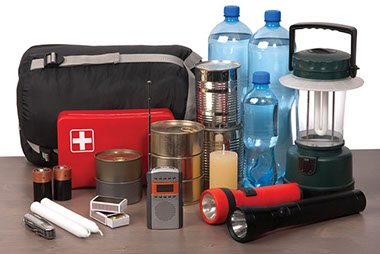
    Image of emergency kit.

    Floods, tornadoes and hurricanes are common stories in the news. Would you and your family be ready for these weather disasters and other unexpected events, such as a house fire or a terrorist attack?

    The Federal Emergency Management Agency (FEMA) in the US Department of Homeland Security wants you to learn what you need to do to be prepared for a variety of disasters. Its website,www.ready.gov, takes you through the following steps to make preparation easier:

    *  Be informed

    *  Make a plan

    *  Build a kit

    *  Get involved

    Each of these areas covers what to do when you are at home, as well as other locations. These include workplaces, schools, and college campuses. You will also find out ways to address caring for pets, aiding family members with access and functional needs and safely shutting off utilities.

    Pre-financial disaster planning is also important. Disasters leave many people without access to finances or with expensive damages. Learn what documents, such as your house deed and insurance policies to keep in a safety deposit box or other safe place away from your home. Make copies of important documents and keep them in your emergency kit or an emergency financial first aid kit (EFFAK). Get a complete list of what to put in the EFFAK fromwww.fema.gov/media-library/assets/documents/29791.

    The Centers for Disease Control and Prevention has many resources and tools to help you be prepared for disasters. Access these fromwww.cdc.gov/features/beready.

    Some disasters strike without warning, so get started today to be prepared.

    © American Institute for Preventive Medicine

  • National Safety Month

    WELL-BEING

    Image of worder wearing proper hard-hat and protective eye glasses.

    Each June, the National Safety Council celebrates National Safety Month. This year’s theme is “Safety: It takes all of us.” Join the Council and thousands of organizations across the country to reduce the risk of these key safety issues:

    Week 1: Prevent prescription drug abuse

    *  Ask your doctor about the risk of addiction when he or she advises prescription painkillers. Take these medicines only as prescribed.

    *  If you suspect a co-worker is abusing prescription drugs, contact your Employee Assistance Program or Human Resources. Signs of abusing these drugs include:

    –  Lack of focus or attention

    –  Poor judgment

    –  Missing work often

    Week 2: Stop slips, trips and falls

    *  Follow your workplace’s safety guidelines.

    *  Keep walkways and stairs free from clutter, water and other falling hazards.

    *  At home, use grab bars and safety mats in your tub and shower and next to the toilet.

    Week 3: Be aware of your surroundings

    *  Scan your area for potential hazards.

    *  Follow workplace safety rules for storing objects securely and safe use of machines.

    *  Pay attention at all times. Do not get distracted when working or when you walk, especially when using your cell phone.

    Week 4: Put an end to distracted driving

    When you are driving, focus on the road. Do not use your smartphone or cell phone for texting or talking. Hands-free talking does not make driving safer. Your mind is still sidetracked.

    *  The National Safety Council suggests that you change your voicemail greeting to something like: “Hi, you’ve reached (insert your name). I’m either away from my phone or I’m driving. Please leave a message.”

    *  Avoid other distractions, too. Examples are eating, talking to passengers, grooming, reading (including maps) and adjusting a radio, CD player, or MP3 player.

    Bonus week: Summer safety

    *  Limit exposure to the sun, especially between 10 a.m. and 4 p.m. Wear a broad-spectrum sunscreen with a sun protection factor (SPF) of 15 or higher, as directed. Wear a wide-brimmed hat and sunglasses that wrap around and block both UVA and UVB rays.

    *  Follow directions to use outdoor tools and the lawn mower safely.

    *  Drink plenty of water to help prevent heat-related problems.

    © American Institute for Preventive Medicine

  • ‘Natural’ Relief For Arthritis: Does It Work?

    WELL-BEING

    Image of women holding wrist in pain.

    The painful symptoms of arthritis affect 50 million adults and 300,000 children. If arthritis symptoms interfere with your daily life, talk with your doctor about ways to manage your symptoms. A variety of options may be available to help you, including prescriptions, over-the-counter pain relievers, and natural supplements.

    Though many vitamins, herbs, and other supplements claim to help arthritis, they may not be right for you. “Natural” does not always mean safe or effective. Fortunately, the following supplements have shown promise in clinical studies.

    For relief of pain and inflammation in osteoarthritis:

    *  Capsaicin (active part of chili peppers)

    *  Boswellia serrata (Indian frankincense)

    *  SAM-e (S-adenosylmethionine)

    *  Tumeric/curcumin (Curcuma longa)

    *  Avocado-soybean unsaponifiables (ASU)

    *  Fish oil (omega-3 fatty acids)

    *  Ginger

    Relief of inflammation in rheumatoid arthritis:

    *  Cat’s claw (Uncaria tomentosa)

    *  Fish oil (omega-3 fatty acids)

    *  Gamma linolenic acid (GLA, omega-6 fatty acids)

    *  Ginger

    If you decide to try a natural supplement, be sure to let your doctor know. Some supplements can have bad interactions with other medicines, or may not be safe for people with certain health conditions. If your doctor has a clear picture of everything you take, he or she can help you avoid potential problems.

    Source: Arthritis Foundation

    © American Institute for Preventive Medicine

  • Dealing With Nausea & Vomiting In Pregnancy

    WELL-BEING

    Image of pregnant women feeling nausea.

    Pregnancy is a time of big changes in a woman’s body. As hormones shift and the body works to nourish the baby, a number of uncomfortable symptoms can arise. One of the most common is nausea and vomiting, commonly called morning sickness.

    Fortunately, many women find some relief with some diet and lifestyle changes. They include:

    *Start taking a prenatal vitamin while trying to get pregnant.Your body may get used to taking it before you have to deal with morning sickness. Plus, some nutrients are important to have in the early stages of pregnancy.

    *Take your prenatal multivitamin with food.Some nutrients, such as iron, can cause nausea if taken on an empty stomach.

    *Eat dry toast or crackers in the morning before you get out of bed.This helps settle your stomach.

    *Drink plenty of fluids.Dehydration isn’t good for you, and can lead to more nausea and fatigue. It may be helpful to drink fluids separately from eating foods.

    *Eat small,frequent meals instead of three large meals throughout the day.

    *Use ginger.This spice has been used for hundreds of years to help with nausea. Ginger capsules or tea made with real ginger are good choices.

    *Avoid smellsthat bother you.

    Talk to your doctor

    Be sure to tell your doctor you have nausea and vomiting. Your doctor will want to monitor you and your baby, and may offer medical treatment if the problem is severe. Some medications that may help include:

    *Vitamin B6 and doxylamine.Vitamin B6 alone may help with nausea. It may be combined with doxylamine, which is found in some sleep aids. Be sure to check the label and ask your doctor before taking any medicines during pregnancy.

    *Prescription drugs.Some drugs, known as antiemetics, prevent vomiting. Some are considered safe during pregnancy. You and your doctor can decide what is best.

    Severe nausea & vomiting

    In some women, nausea and vomiting can become severe, leading to lack of nutrition and dehydration. This is known as hyperemesis gravidarum (HG), and it happens in about three percent of all pregnancies.

    A woman with HG who cannot keep food or liquids down may need hospital care. Often, getting rehydrated with IV fluids and vitamins will help.

    Though it can be miserable, most women get through morning sickness without serious complications. In most cases, nausea and vomiting that isn’t severe will not harm you or your baby. But, controlling symptoms with safe and effective home remedies can make pregnancy much more enjoyable.

    Source: American College of Obstetricians and Gynecologists

    © American Institute for Preventive Medicine

  • Navigate Open Enrollment

    WELL-BEING

    Image of 2 people talking.

    Make the most of your benefit plan, especially during open enrollment periods. Here are money-saving tips from HighRoads, a benefits management company.

    *Get your plan materials.Some companies are giving you a Summary Plan Description online, via mobile apps, as well as on paper. It’s good to know how you can access this information during open enrollment and throughout the year, in case you want to review it again when you are in need of a particular medical service. Take time to read the plan.

    *Calculate your costs.Many employers provide cost calculators to help project your total cost for the coming plan year. The total cost includes the premium you pay as well as your share of the deductible and coinsurance. Take the time during open enrollment to think through your potential medical needs and calculate your anticipated expenses before selecting a plan. It may save you hundreds in the long run.

    *Consider an account.Your employer may offer you the option of a health care account, whether it is a flexible spending account, a health reimbursement account, or a health savings account. These accounts can help you save money on qualified medical expenses that aren’t covered by your health care plan, such as deductibles and coinsurance. Each account has a different set of rules about how and when you can spend the money, but each is worth considering because the savings you’ll see can add up quickly.

    *Is prevention covered?One of the benefits of health care reform is an extended list of preventive care benefits that must be offered by new health care plans for free. Preventive services such as colonoscopy screenings, Pap smears and mammograms for women, well-child visits, and flu shots for all children and adults must be offered without out-of-pocket costs. However, these benefits are only for new health plans and don’t apply to “grandfathered” plans that haven’t significantly changed in a few years.

    *Use wellness incentives.More employers than ever before are offering incentives such as premium discounts, low deductibles, gym memberships, or prizes to employees and their family members for health improvement.

    *Know your deadlines.No matter what changes you may make, if any, during this year’s open enrollment period, don’t let your selection deadlines slip by without action.

    © American Institute for Preventive Medicine

  • New Guidelines On How To Eat Right

    HEALTHY EATING

    Image of family sitting at the kitchen table eating dinner.

    When it comes to eating right, it’s easy to get frustrated. It seems there’s always a new diet in the news, telling you to avoid certain foods or only eat certain things. How do you know what works and what’s just a fad?

    Every five years, the U.S. Department of Agriculture issues new eating tips for Americans to help them make healthy food choices. These guidelines aim to help you eat a wide variety of healthy foods and minimize unhealthy choices. The latest guidelines were recently released, and they recommend that you eat the following:

    *  Vegetables in a variety of colors – dark green, yellow, red, and orange

    *  Legumes (beans and peas), starchy foods like potatoes, and other fresh produce

    *  Plenty of whole fruits

    *  A variety of grains like bread and pasta, making sure at least half of them are whole grains

    *  Fat-free or low-fat dairy, including milk, yogurt, cheese, and/or fortified non-dairy beverages

    *  Protein foods, including seafood, lean meats and poultry, eggs, nuts, seeds, and soy products

    *  Healthy oils, such as olive and canola

    What not to eat

    The guidelines say you should limit saturated fats to less than 10 percent of your daily calories. Do the same for added sugars – no more than 10 percent of total calories. Avoid trans fats altogether. Limit daily sodium intake to 2,300 mg. You can find all of these nutrients on the nutrition facts panel.

    Activity and your health

    Finally, the USDA recommends adults get at least 30 minutes of exercise, five days a week. Walking is a great choice for most people. This can be broken up into smaller, 10-minute increments if needed. The main point is to avoid being inactive. Exercise has numerous benefits for your health, including reduced risks of heart disease, obesity, type 2 diabetes, and even some types of cancers.

    The guidelines are meant to be a helpful resource. If you’re not meeting all of them now, don’t give up. Each day that you work toward these healthy guidelines is a step in the right direction.

    © American Institute for Preventive Medicine

  • New You

    WELL-BEING

    Image of smiling man.

    Why wait to create a new you? Live your best life now. This advice comes from researchers at Washington University:

    *Learn something new.Take a class in a subject you enjoy or are curious about. Check your community colleges for noncredit continuing education classes. Rekindle your love of learning.

    *Volunteer.It’s good for your physical and mental health whether you’re building a house for someone, ladling out soup for the homeless, or collecting canned goods. You’ll make valuable community connections.

    *Get your social media house in order.The Internet and social media have opened up exciting new avenues to connect with others and new vistas to share preferences in films, books, and music. Have fun. But be cautious. Check your default privacy settings. Log out and see what your profile looks like to the outside world. Make sure passwords are complex – Use upper and lowercase letters and a special character, such as $. Don’t use the same password for all social media accounts.

    *Rediscover the library.The digital revolution has changed your local library. You can often download books online. Consider how much your library offers: novels and nonfiction works for all ages, how-to books, music CDs, movies on DVD or videotape, maps and reference works. Read the latest magazines or journals.

    *Step away from your desk.Physical activity improves health, lowers stress, and increases productivity. And if those weren’t reasons enough, research shows that exercise reduces the risk of diseases such as breast cancer, colon cancer, and Alzheimer’s.

    *Pay down your credit card debt.Put extra money toward the loans with the highest interest rates. Consolidate several small debts.

    *Use your smartphone to quit smoking.You can tap into apps for messages of support and access websites that give step-by-step encouragement.

    *Kick the car habit.Leave the SUV in the garage and try alternate means of transportation such as the bus or train, bicycling, walking, or park-and-ride commuting.

    *Parents:Make every day count. Happy, well-adjusted children need happy, well-adjusted parents.

    *Get more sleep.

    *Consume more culture.The arts not only educate and entertain, they help us to better understand ourselves and others. Visit your local museums, galleries, theaters, dance companies, and music halls.

    © American Institute for Preventive Medicine

  • What’s Your Excuse?

    BE FIT

    Image of gym shoes with the words "No Excuses".

    So you want to be physically active, but something is holding you back. Figure out what’s standing in your way, and then clear a path because you can make regular physical activity part of your life, says the government’s Weight-control Information Network (WIN).

    Excuse #1: I’m too busy to exercise because I have work, family, and other demands.

    *  Make physical activity a priority. Carve out some time each week to be active and put it on your calendar. Try waking up a half-hour earlier to walk, schedule lunchtime workouts, or take an evening fitness class.

    *  Build physical activity into your routine chores. Rake the yard, wash the car, or do energetic housework. That way you do what you need to do around the house and move around too.

    *  Make family time physically active. Plan a weekend hike through a park, a family softball game, or an evening walk around the block.

    Excuse #2: I’m too tired to work out at the end of a long day.

    *  Think about the other health benefits of physical activity. Regular physical activity may help lower cholesterol and blood pressure. It may also lower your risk of having heart disease, type 2 diabetes, or cancer. Research shows that people who are overweight, active, and fit live longer than people who are not overweight but are inactive and unfit. Also, physical activity may lift your mood and increase your energy level.

    *  Do it just for fun. Play a team sport, work in a garden, or learn a new dance. Make getting fit something fun and that you look forward to.

    *  Train for a charity event. Work to help others while you work out.

    Excuse #3: Getting on a treadmill or stationary bike is boring.

    *  Meet a friend for workouts. If your buddy is on the next bike or treadmill, your workout will be less boring.

    *  Watch TV or listen to music or an audio book while you walk or pedal indoors. Check out music or audio books from your local library or download to your phone or iPod.

    *  Get outside. A change in scenery can relieve your boredom.

    © American Institute for Preventive Medicine

  • No Family Dinner? Other Options To Try

    FAMILY LIFE

    Image of laughing family as dad feeds daughter a piece of fruit.

    Today’s families are busier than ever. Parents’ jobs, kids’ activities, social events, and homework seem to leave little time for anything else.

    Research shows that sitting down as a family for dinner is good for everyone at the table. The Family Dinner Project says sharing a family meal is good for the brains and health of all family members. But some families simply can’t make this happen every night. So what should you do? Don’t give up on finding time for each other. There are other options for family bonding that don’t need to happen at the dinner hour.

    *Consider breakfast.If everyone is home in the morning, why not take a few extra minutes to enjoy a family breakfast? It can get everyone off on the right foot.

    *Try weekend lunches.If dinner only happens once or twice a week, weekend lunches can be a great choice too. A picnic outside in the warmer months makes for a fun change of pace.

    *Think about your schedule.If you can’t get everyone together for a meal at least twice a week, consider rearranging activities or saying “no” to some commitments. The benefits of family meals together are worth the effort.

    © American Institute for Preventive Medicine