Author: AIPM

  • Opioid Addiction And Overdose

    MEDICAL NEWS

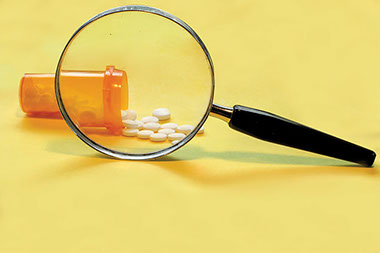
    Image of medication pills.

    Opioid misuse is one of the biggest health problems facing the U.S. today. The National Institutes of Health says about 2 million people in the U.S. have an opioid misuse disorder.

    Opioids are powerful medicines used to treat pain. They may be prescribed to people after they have surgery or get injured. Some of the most common prescription opioids are oxycodone (OxyContin®), hydrocodone (Vicodin®), codeine and morphine.

    Opioid medicines affect the brain and can make the user feel relaxed and happy. When used for short periods and as directed, they are considered safe. But sometimes, people can become addicted to them. They may also build up a tolerance over time, which means they need higher and higher doses of the medicine to feel its effects.

    If a person builds a tolerance and/or becomes addicted, they can overdose on opioids. This can lead to brain damage, coma and death. About 30,000 people die each year from opioid overdose in the U.S.

    Treating opioid use disorder

    Help is available for people who are addicted to opioids. Two medicines, buprenorphine and methadone, work to lower cravings and withdrawal symptoms. Another medicine, naltrexone, blocks opioids from working and can reduce cravings for the medicine.

    Behavioral therapy for addiction to prescription opioids can help, too. It works by changing people’s thoughts and behaviors about opioid use. Behavioral therapy is a proven treatment, especially when used with medicines.

    Emergency overdose treatment

    When someone overdoses on opioids, their breathing may slow down or stop. Their pupils may be small like pinpoints. A medicine called naloxone (Narcan®) can reverse an opioid overdose and save their life.

    Naloxone is a prescription drug that stops opioid overdose if given in time. Paramedics, emergency room doctors and other first responders have naloxone available to treat people with opioid overdose. In some states, you may need a prescription. Other states will sell naloxone without a prescription. It is available in nasal spray and a shot (injection).

    If you or a loved one has an opioid misuse disorder, don’t wait. Talk to a doctor today to get help.

    Sources: National Institute on Drug Abuse, World Health Organization
    © American Institute for Preventive Medicine

  • Organic? Comparing Apples To Apples

    HEALTHY EATING

    Image of couple at grocery store picking out peppers.

    Should you spend the extra cents to buy organic produce? Is organic a healthier choice? New findings from Stanford University cast some doubt on the benefits of buying organic.

    “There isn’t much difference between organic and conventional foods, if you’re an adult and making a decision based solely on your health,” said Dr. Dena Bravata from Stanford’s Center for Health Policy. The study compares the nutrition of organic and non-organic foods and is published in the Annals of Internal Medicine.

    This is the broadest study to date comparing organic and conventional foods. The researchers did not find strong evidence that organic foods are more nutritious or carry fewer health risks than conventional options, though consumption of organic foods can reduce the risk of pesticide exposure.

    The popularity of organic products, which are generally grown without synthetic pesticides or fertilizers or routine use of antibiotics or growth hormones, is skyrocketing in the United States. Organic foods are often twice as expensive as their conventionally grown counterparts.

    Although there is a common perception-perhaps based on price alone-that organic foods are better for you than non-organic ones, it remains an open question as to the health benefits.

    The researchers found no consistent differences in the vitamin content of organic products, and only one nutrient-phosphorus-was significantly higher in organic versus conventionally grown produce (and the researchers note that because few people have phosphorous deficiency, this has little clinical significance).

    There was also no difference in protein or fat content between organic and conventional milk, though evidence from a limited number of studies suggested that organic milk may contain significantly higher levels of omega-3 fatty acids.

    The review yielded scant evidence that conventional foods posed greater health risks than organic products. While researchers found that organic produce is 30 percent less likely to be contaminated with pesticides than conventional fruits and vegetables, organic foods are not necessarily 100 percent free of pesticides. What’s more, as the researchers noted, the pesticide levels of all foods fell within the allowable safety limits.

    “If you look beyond health effects, there are plenty of other reasons to buy organic instead of conventional,” noted Dr. Bravata. She listed taste preferences and concerns about the effects of conventional farming practices on the environment and animal welfare as some of the reasons people choose organic products.

    © American Institute for Preventive Medicine

  • Osteoporosis Begins In The Teen Years

    SELF-CARE CORNER

    Image of teen holding a glass of milk in one hand and thumbs up with the other hand.

    Girls achieve 42% of their total body bone mass between the ages of 12 and 18, yet 90% of girls do not get enough calcium. Beginning at age 9, children (particularly girls) should include 1,300 mg of calcium in their diet by drinking milk and eating calcium-fortified foods, according to the Office on Women’s Health.

    © American Institute for Preventive Medicine

  • Ouch! Arm And Shoulder Pain

    MEDICAL NEWS

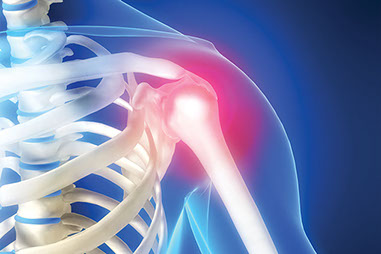
    Illustration of skeleton shoulder highlighted in red for pain.

    Any of these symptoms sound familiar?

    *  Sudden, sharp pain in the upper arm

    *  Popping or snapping you can hear in the shoulder or elbow

    *  Cramping of the biceps muscle with strenuous use of the arm

    *  Bruising from the middle of the upper arm down toward the elbow

    *  Pain or tenderness at the shoulder and the elbow

    *  Weakness in the shoulder and the elbow

    *  Difficulty turning the palm of the hand up or down

    Could be a torn or painful biceps muscle. And if you have that, you may also have a shoulder problem or a rotator cuff tear. Because a torn tendon can no longer keep the biceps muscles tight, a bulge in the upper arm above the elbow (“Popeye Muscle”) may appear, with a dent (signifying absence of muscle) closer to the shoulder.

    The first line of treatment for these types of injuries, according to orthopedic specialists, is a variety of nonsurgical options, such as rest, anti-inflammatory drugs, changing your activity, and physical therapy. Surgery can also be considered. But the best advice is to see your doctor, say experts at the American Academy of Orthopaedic Surgeons.

    © American Institute for Preventive Medicine

  • Ovarian Cancer: Know The Signs

    MEDICAL NEWS

    Image of women holding cancer patient.

    The ovaries are small, almond-shaped organs on either side of the uterus (womb). Because they are deep inside the abdomen, many women don’t feel or see symptoms of ovarian cancer. In fact, less than 20 percent of ovarian cancer cases are diagnosed in the early stages, when it is more treatable.

    Signs are hard to spot

    Symptoms of ovarian cancer can be confusing. They may seem like other illnesses. Sometimes, a woman has no symptoms at all. When signs do appear, they may include:

    *  Bloating

    *  Pelvic or stomach pain

    *  Appetite changes or feeling full without eating much

    *  Having to urinate more often or more urgently

    *  Feeling very tired

    *  Heartburn

    *  Nausea

    *  Constipation

    *  Back pain

    *  Pain during sex

    *  Menstrual changes

    Usually, these symptoms don’t mean a woman has ovarian cancer. They may be signs of a digestive problem, hormonal imbalance or another illness. But, if the symptoms don’t go away, it’s best to see a doctor.

    How is ovarian cancer detected?

    There is no single test to check for ovarian cancer. But, women who have symptoms or who are at high risk may need one or more of the following tests:

    *  Pelvic Exam: All women age 18 and up should have an annual pelvic exam from their primary care provider or gynecologist.

    *  Transvaginal ultrasound: An ultrasound wand is used to look at the ovaries and other organs.

    *  CA-125 blood test: A protein called CA-125 is produced by ovarian cancer cells. If a blood test shows higher levels of this protein, a woman may need more tests to check for cancer.

    Additional tests may include Computed Tomography (CT) scans or laproscopy, which uses a lighted tube inserted in a small incision. If there is a risk that cancer has spread, further testing is done.

    Unfortunately, there is no foolproof way to find ovarian cancer early. The key is to talk with your doctor, have regular checkups and be sure to discuss any symptoms you are having. If anyone in your family has had ovarian cancer – or any other cancer – be sure your doctor knows about this. Some cancer types can run in families.

    © American Institute for Preventive Medicine
  • Oven-Crusted Chicken Breast

    HEALTHY EATING

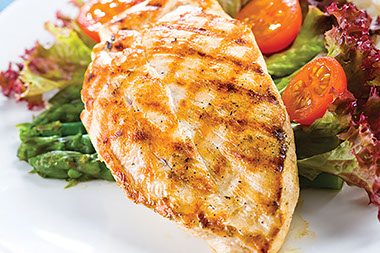
    Image of oven-crusted chicken breast.

    Ingredients for chicken:

    4 boneless, skinless chicken breasts (3 oz each)

    1 egg white (or substitute liquid egg white)

    1 cup fat-free evaporated milk

    1 cup breadcrumbs

    1/4 cup rolled oats, crushed; pulse a few times in the food processor

    1 cup whole-wheat flour

    2 Tbsp olive oil or vegetable oil

    Ingredients for salad:

    2 Tbsp lemon juice

    1/2 Tbsp olive oil

    4 cups red leaf lettuce, rinsed and dried

    1 cup cherry tomatoes, rinsed and halved

    1/4 tsp salt

    1/4 tsp ground black pepper

    Directions

    Preheat oven to 350ºF. Place chicken in a freezer bag with the air squeezed out and pound each breast down to one-half-inch thickness. Combine the egg white and evaporated milk in a bowl and mix well. In a separate bowl, combine the breadcrumbs and crushed oats and mix well. Coat the chicken breasts in flour and shake off the excess. Dip the chicken breasts in the egg and milk mixture and drain off excess. Then dip the chicken breasts in the breadcrumb mixture to coat. Discard leftover breading mixtures.

    Heat oil in a large sauté pan. Stir fry the chicken over medium-high heat on one side until golden brown (about 2-3 minutes). Turn carefully. Pan fry the second side for another 2-3 minutes or until golden brown. Remove from the pan and place on paper towels to soak up excess oil. Place on baking sheet and finish cooking in the oven for about 5-8 minutes (to an internal temp of 165ºF).

    For the salad, combine lemon juice and olive oil, and mix well to make a dressing. Toss the lettuce leaves and cherry tomatoes with the dressing, salt, and pepper.

    Makes 4 servings (1 chicken breast, 1 cup salad): 264 calories, 11 g total fat (2 g saturated fat), 49 mg cholesterol, 263 mg sodium, 3 g fiber, 18 g carbohydrates.

    From the National Heart, Lung, and Blood Institute’s cookbook Keep the Beat Recipes: Deliciously Healthy Dinners.

    © American Institute for Preventive Medicine

  • Over-The-Counter Overdosing?

    SELF-CARE CORNER

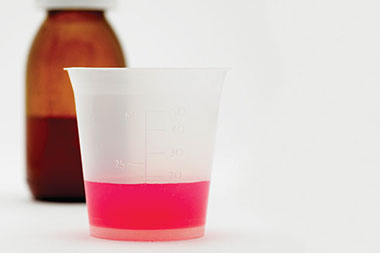
    Image of liquid medicine.

    For a medicine to work for you-you’ve got to take the right dose. Many over-the-counter liquid medicines-such as pain relievers, cold medicines, cough syrups, and digestion aids-come with spoons, cups, oral droppers, or syringes designed to help you measure the right dose. To avoid giving too much or too little of a medicine, use these 10 tips from the FDA:

    *Always follow the directions on the Drug Facts label.Read the label every time before you give the medicine.

    *Know the “active ingredient” in the medicine.This is what makes the medicine work and it is always listed at the top of the Drug Facts label. Make sure, if you’re taking more than one medicine such as to treat a cold and a headache, that both don’t have the same active ingredient. You could be giving two times the normal dose. If you’re confused, check with your doctor or pharmacist.

    *Give the right medicine, in the right amount.Medicines with the same brand name can be sold in different strengths, such as infant, children, and adult formulas. The dose and directions also vary for children of different ages or weights. Always use the right strength and follow the directions exactly.

    *Use the dosage delivery device that comes with the medicine, such as a dropper or a dosing cup.A different device, or a kitchen spoon, could hold the wrong amount of medicine. And never drink liquid medicine from the bottle.

    *Know the difference between a tablespoon (tbsp) and a teaspoon (tsp).A tablespoon holds 3 times as much medicine as a teaspoon.

    *Know your child’s weight.Dosage amounts for some medicines are based on weight. Never guess how much to give your child or try to figure it out using instructions for the adult dose.

    *Talk to your doctor, pharmacist, or nurse to find out what mixes well and what doesn’t.Some medicines should not be taken with other medicines, vitamins, supplements, foods, and beverages.

    *Prevent a poison emergency by always using a child-resistant cap.Relock the cap after each use. Be especially careful with any medicines that contain iron. They are the leading cause of poisoning deaths in young children.

    *Store all medicines in a safe place.Some are tasty, colorful, and many can be chewed. Store all medicines and vitamins out of your child’s (and your pet’s) sight and reach.

    *Check the medicine 3 times before using.First, check the outside packaging for cuts, slices, or tears. Second, once you’re at home, check the label on the inside package to be sure you have the right medicine and that the lid and seal are not broken. Third, check the color, shape, size, and smell. If you notice anything unusual, talk to a pharmacist before using.

    © American Institute for Preventive Medicine

  • Overwhelmed At Work? How To Handle It

    WORK LIFE

    Image of stressed women at work.

    No matter what your job, you’re bound to feel overwhelmed sometimes. Whether you have new responsibilities, are worried about a certain project, or just have too much on your plate, it’s normal to feel the pressure occasionally. Though you may not be able to change what’s causing these feelings, you can find ways to deal with these situations in a healthy way.

    Jot it down.

    If your mind is swimming with a list of to-dos, put it on paper. Sometimes seeing the list can help you come up with a plan to get it done. You can figure out what needs to be done first, and then you have a starting point.

    Take a break from work when you’re off-duty.

    If your life revolves around the buzzing of your phone with emails and work demands, try to take some time each day to turn it off. You may find you feel more relaxed and ready to focus when you return to work.

    Start with just one step.

    If a huge project feels too difficult to start, then just think about the first thing you need to do. It can be something minor, such as sending an email or writing down a task list. Every big project begins with one step. Consider what needs to be done right now, and do that first. Once you get started, it may be easier to keep going.

    Talk to your supervisor.

    If possible, bring up your main concerns to your boss. Be specific about your problem, and focus on what you can do to help solve it. For instance, if you have too many tasks, tell them what you are able to do in the time you have, and suggest alternate ways to get the rest done. Perhaps you can ask for more time to get a project done. Or, see if you can delegate the task to a co-worker.

    An organized desk gives you control

    If you’re feeling buried at work, look in front of you. A messy desk can create more stress and anxiety. Clean up your space by:

    *  Going through papers as you get them, rather than letting them pile up

    *  Creating a “pending” or “in progress” folder for things you need to do

    *  Clean up your space before you leave each day

    *  Put things back as soon as you’re done using them

    A tidy desk can brighten your outlook and boost your productivity.

    Source: American Psychological Association

    © American Institute for Preventive Medicine
  • Pack A Travel First Aid Kit

    WELL-BEING

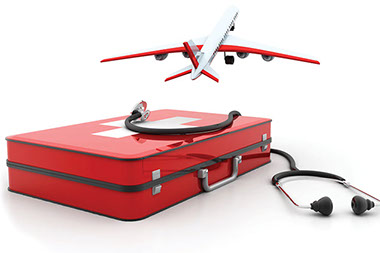
    Illustration of an airplane and first aid kid.

    Traveling? Make a little room in your luggage for a travel first aid kit. It won’t cost much or take up much space. Once you reach your destination, you won’t need to reach any further than your suitcase to relieve those minor aches and pains that can put a major damper on your plans.

    A basic travel first aid kit should include a handful of over-the-counter remedies you can buy just about anywhere, said Caroline Sullivan, DNP, assistant professor at Columbia University School of Nursing.

    Here’s what should go in the kit:

    *  Tylenol or Advil to ease a headache or fever

    *  Cortisone 10 cream to soothe an itchy, swollen insect bite

    *  Antibiotic ointment like Neosporin or Bacitracin to prevent infection from minor cuts, scrapes, and burns

    *  Band-Aids to cover up blisters, or for those minor cuts and scrapes

    *  Pepto-Bismol tablets to relieve diarrhea, upset stomach, heartburn, indigestion, and nausea after too much food and drink. Note: This is for adults only. Pepto-Bismol has salicylates which have been linked to Reye’s syndrome.

    *  Benadryl to relieve allergies, and also to help you sleep

    *  Hand sanitizer that contains at least 60% alcohol

    *  Tissues to sneeze, dab cuts, and clean hands in a pinch

    *  Pack your prescription medicines in their original bottles in your carry-on bag.

    © American Institute for Preventive Medicine