Author: AIPM

  • Do Genetic Tests Really Work?

    MEDICAL NEWS

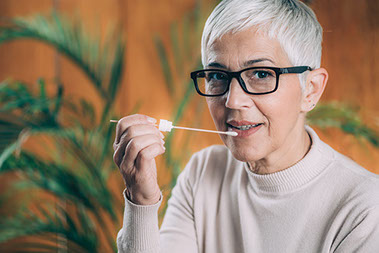
    Women holding a swab near her mouth.

    You may have seen ads for genetic tests. These tests claim to tell you about your health. They might tell you if you’re at risk for a certain disease or if you should eat a certain diet.

    Big promises from companies

    At-home genetic tests may sound exciting, and companies advertise them as “the answer” to many health issues. But the Food and Drug Administration (FDA) and the Centers for Disease Control and Prevention (CDC) say you should be careful about using these tests.

    Before you spend a lot of money on one, keep in mind that the test may not have any science to back up its claims. Others may give you some good information, but the information is only useful if you also have a complete medical exam.

    The FDA and CDC say that genetic tests are complex. They say that the results can be hard to understand without having appropriate medical knowledge.

    Just a snapshot

    Many genetic tests look at a few of your body’s genes. But you have more than 20,000 genes in your body. If you get a “positive result” for certain genes, it could mean:

    *  You have a certain disease.

    *  You have a higher risk of getting certain diseases.

    *  You are a carrier for a certain disease.

    But even a positive result doesn’t tell the whole story. You may never get the disease that comes back “positive.” Or if you do, it may not be severe enough to cause any serious health problems.

    A negative result means the lab didn’t find any unusual changes in your genes. While this can be good news for certain diseases, it’s not foolproof. It doesn’t mean you’ll never get a disease or have health problems. It’s also possible that the test didn’t look at other genes that could be important.

    Many factors at play

    Genes are only one piece of each person’s health story. Your environment and your lifestyle also play huge parts in your physical and mental health. Don’t rely on genetic tests to make any health promises. Instead, see your doctor regularly and follow a healthy lifestyle. That can mean more than a few genes.

    When genetic tests are part of a medical exam, they can be helpful. Your doctor can help you decide if you need genetic tests. If you do need them, make sure a medical professional reads your results.

    Source: Federal Trade Commission
    © American Institute for Preventive Medicine
  • Diet Changes: Simple And Doable

    HEALTHY EATING

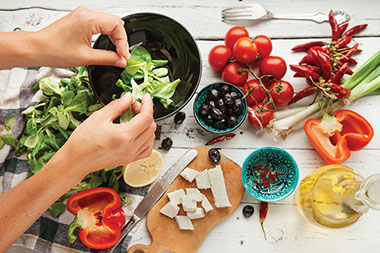
    Hand over table with bowls of different, healthy ingredients.

    If you try a complete diet overhaul at once, you may get overwhelmed. You can make it easier by not doing too much at once. Focus on one or two things you want to change and stick with those.

    Keep comfort foods, but tweak them

    Many people think they must give up all their favorite foods to be healthy. But if you have comfort foods you enjoy, this can cause even more stress. Here’s how to keep them while eating healthy:

    *Eat them less often.Aim to eat your comfort food once a week, rather than every day. Come up with healthier options to replace the comfort food.

    *Take a smaller portion.Put a smaller portion on your plate and eat it slowly. Enjoy the smell and taste of each bite, truly savoring it.

    *Modify the recipe.Switch out high fat and high calorie ingredients in your recipes. Use low-fat or fat-free dairy products instead of whole milk and cream. Use vegetable noodles instead of white pasta. All those little changes add up.

    Keep it simple

    If you’re already under stress, following an extreme diet plan could backfire. It could cause more stress, which could lead to frustration and more stress.

    Instead, celebrate one or two small victories each day. Write down when you snacked on fresh carrots instead of potato chips. Or you had a glass of water instead of soda. Whatever you did to make your diet a little bit better is a step in the right direction.

    Looking at the positive things you have accomplished may be the boost you need during times of stress. When you have slip-ups or bad days, don’t view it as a “failure.” It doesn’t mean all your healthy eating plans are over. Instead, forgive the mistake and look forward to a better and healthier day tomorrow.

    Source: Centers for Disease Control and Prevention

    © American Institute for Preventive Medicine
  • Dating After Divorce

    FAMILY LIFE

    Couple on a date.

    If you’re a divorced parent with kids, you may be wondering how to handle future relationships. Kids often need some time to adjust to their parents’ separation.

    If you’re ready to begin a new romantic relationship after a divorce, keep these tips in mind:

    *  Consider waiting at least six months to help kids adjust to the divorce.

    *  Your child doesn’t need to meet everyone you date. Introduce them only if your relationship is becoming serious.

    *  Prepare for the first meeting with your significant other and child. Don’t expect the first meeting to be perfect.

    *  Help your child deal with negative feelings. Children often hold out hope that their parents will get back together. Seeing a new significant other in your life can be difficult for them. Be sure to tell them that you and your ex-spouse are not getting back together, but that you still love them and will be their parents no matter what.

    *  Understand if your child simply doesn’t like your new partner as much as their other parent. This is normal. With time, your child may develop their own special relationship with this person.

    *  Don’t ask them to keep secrets from their other parent. If you are dating, you may need to tell your ex-spouse about the person in case your child brings it up with them. Your child should not feel uncomfortable when they talk about it with your ex-spouse.

    *  Remember that your child is always watching. Be cautious about your behavior in front of your child, whether it’s public affection or things you say.

    Source: American Academy of Pediatrics

    © American Institute for Preventive Medicine

  • Curry: A Powerhouse Spice

    HEALTHY EATING

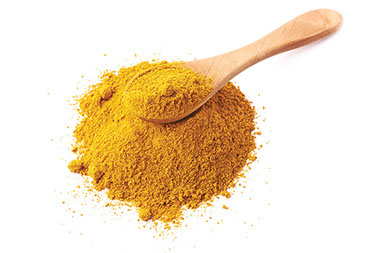
    Curry powder and wooden spoon.

    Curry is a unique, delicious spice commonly found in East Indian cuisine. Curry powder is actually a blend of several ground spices, including turmeric, coriander, pepper, cumin, cinnamon, and chili. Each mixture can be different, and its color ranges from golden yellow to deep orange. The spices that make up curry powder have long been used in traditional Ayurvedic medicine. More recently, modern science is researching some possible health benefits.

    Decreased Inflammation

    One of the main ingredients in curry, turmeric, contains a botanical component called curcumin. It has been studied for its anti-inflammatory ability. Curcumin may be beneficial for people with inflammatory conditions such as arthritis and inflammatory bowel disease.

    Improved Digestion

    Many of the spices in curry powder may help digestion. Turmeric, cinnamon, and cumin are among the spices known for improving digestive health. Some curry blends also contain ginger, which may help reduce nausea and speed digestion.

    Antioxidant Properties

    Antioxidants are abundant in curry powder. These act to help prevent cell damage and protect against early aging. In general, plant foods with rich, deep colors are higher in antioxidants. Curry is no exception. The bright yellows and oranges indicate a variety of potent antioxidants.

    Heart Health

    Curry powder may help decrease blood pressure and lower levels of cholesterol and triglycerides.

    Cancer-Fighting

    Turmeric shows promise as an anti-cancer agent by interfering with cancer cells. The anti-inflammatory and antioxidant properties of curry may also be protective against cancer.

    Ask Your Doctor

    Always check with your doctor before taking turmeric or curcumin as a supplement.

    © American Institute for Preventive Medicine

  • Cranberries A Healthy Holiday Dish

    HEALTHY EATING

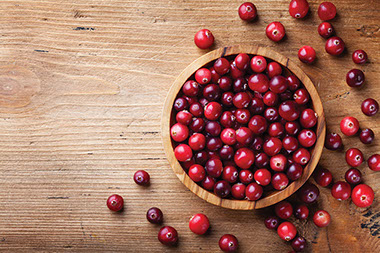
    Bowl of cranberries.

    Cranberries are a popular pairing with a juicy Thanksgiving turkey. Like other fruits, they’re nutritious and low in calories. They contain antioxidants, which can help fight disease. They’re also a good source of fiber. Here’s how to enjoy them at your holiday:

    1.  Go for fresh berries. Many cranberry dishes contain loads of added sugar. Canned cranberry sauces and jellies may also have added sugar. Save your extra calories for dessert and skip the sugar-laden jellies and sauces.

    2.  Mix fresh cranberries together with apples and pears to offset their tartness.

    3.  If they’re too tart for you, use them in savory dishes. Try making a salsa with cranberries instead of tomatoes. Or toss them on a salad with a savory dressing like balsamic vinegar.

    Source: United States Department of Agriculture

    © American Institute for Preventive Medicine
  • Corn On The Cob: A Summertime Staple

    HEALTHY EATING

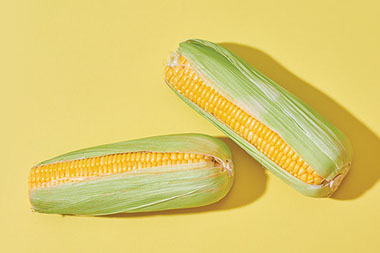
    Two corn on the cobs.

    Corn on the cob is a favorite food at summer barbecues and outings. Its popular flavor makes it a treat – but it has plenty of health benefits too.

    Basics of corn

    Corn isn’t a vegetable. It’s actually a type of grain. Whole grain corn contains vitamins and heathy plant compounds.

    Some of corn’s nutrients include:

    *  Soluble and insoluble fiber, which helps with digestion and preventing constipation

    *  B vitamins, including vitamin B5, folate, B6, and niacin, which help with energy and many body processes

    *  Potassium, which is important for heart health

    *  Antioxidants, including zeaxanthin and lutein, which may be linked to eye health

    Making corn the healthy way

    Corn is versatile and can be cooked in several different ways. Many people simply remove the husk and boil it until tender. But you can also grill it, bake it and microwave it.

    If you can’t find fresh corn on the cob, frozen corn (on the cob or removed) is a healthy option. Look for brands that do not add salt, sugar or other ingredients. Frozen corn is usually microwaved or steamed.

    If you use butter or margarine, measure it so you know how much you’re using. Start with 1/2 teaspoon and see if you can cover the entire ear of corn with that small amount. Try a salt-free seasoning blend or black pepper for a flavor kick without sodium.

    What about corn chips?

    If corn is healthy, then are foods with corn in them a healthy choice? Not necessarily.

    Corn is used in many processed foods like chips and crackers. These products won’t have the same health benefits as real corn on the cob.

    Many processed foods contain added salt, sugar and unhealthy fats. They may also remove many of corn’s natural nutrients. Some research shows that eating a lot of highly processed foods can lead to obesity and health problems.

    Sources: American Heart Association, United States Department of Agriculture

    © American Institute for Preventive Medicine
  • Colorectal Cancer: Don’T Wait For Signs

    MEDICAL NEWS

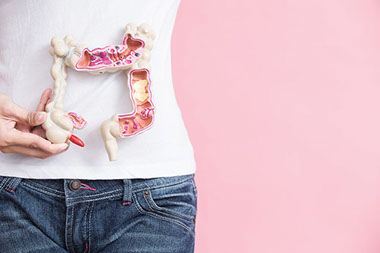
    A plastic model of the colon being held by a women.

    Colorectal cancer is cancer in the colon or rectum. And, it kills thousands of people each year. But getting screened can prevent many of these deaths. Plus, screening can catch colon cancer in the early stages when it’s easier to treat.

    Many people don’t have any signs or symptoms of colon cancer at first. If you wait until you have symptoms, the cancer may be more advanced.

    Polyps and the cancer link

    Polyps are clumps of cells that form on the lining of the colon or rectum. Having polyps does not mean you will get colorectal cancer. Some polyps are harmless, while others can turn into cancer.

    Polyps usually don’t hurt. People don’t know they have them until they have a colon cancer test.

    Screening matters

    Colorectal cancer may not have any signs, especially at first. That’s why many people should get screened for colorectal cancer even if they don’t have any symptoms.

    Ask your doctor about colorectal screening. Your doctor can talk with you about whether you need a test and which test to get. This depends on many factors, such as:

    *  Your age

    *  Family history of colorectal cancer

    *  Any risk factors you have, such as Crohn’s disease or ulcerative colitis

    *  Lifestyle risk factors, like smoking or being overweight

    There are several different screening tests for colorectal cancer. Some tests will check for blood or other signs of colon cancer in the stool.

    Other tests use special tools to see directly inside the colon and rectum. During these tests, a doctor uses a thin, lighted tube and a special camera. The test may be:

    *  A colonoscopy, which looks inside the entire colon and rectum

    *  A flexible sigmoidoscopy, which looks inside the rectum and lower part of the colon

    During a colonoscopy or sigmoidoscopy, the doctor gives you medicine to help keep you comfortable. In most cases, you will go home after the test, but will need someone to drive you.

    If you see any changes with your stool, talk to your doctor.

    Sources: American Cancer Society, Centers for Disease Control and Prevention

    © American Institute for Preventive Medicine
  • Clear Facts On Eye Drops

    SELF-CARE CORNER

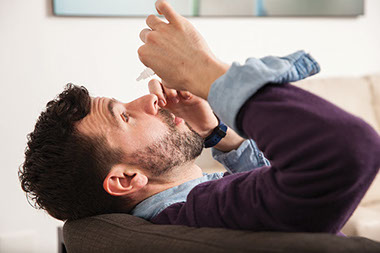
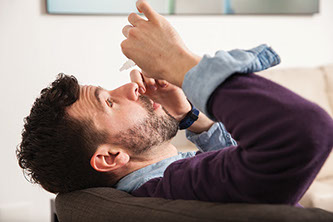
    Image of man placing eye drop in eye.

    Staring at a computer, dry winter air, cold temperatures, allergies, medications. A number of things can make eyes red, dry or uncomfortable.

    Many people turn to a bottle of eye drops for quick relief. But, if you use eye drops often, there are a few things you should know.

    Seeing red

    Redness relief eye drops contain an ingredient that shrinks blood vessels in the eye, giving you that bright-eyed effect. But, these drops can be harmful if you overuse them.

    Using redness drops frequently can cause a “rebound” effect, making the redness even worse. Then you feel like you have to use the drops more and more to control the redness.

    Don’t use redness relief drops on a regular basis. If your eyes are often red, you should see an eye care professional to get to the root cause.

    Artificial tears

    Artificial tear eye drops are generally safe to use regularly. They don’t contain any active ingredients. Instead, they are designed to mimic your own tears. These work well for occasional dryness or discomfort.

    Keep an eye on preservatives

    Many eye drops contain preservatives. These keep germs from growing in the drops. They allow you to use the same bottle of drops for a longer period of time.

    Some people find that the preservatives in eye drops make their eyes itchy or irritated. If you notice any burning or stinging after using eye drops, even artificial tears, stop using them.

    Preservative-free eye drops are available. These work well for people who are sensitive to preservatives. They are usually in small single-use vials that come in a pack. You use the vial once and throw it away.

    Eye health red flags

    The best way to keep eyes healthy is to see your eye health professional regularly. Ask your optometrist or ophthalmologist how often they should see you. It will depend on your age, any health issues and your eye health history.

    Call your eye professional right away if you notice:

    *  Pain or itching in the eye

    *  Redness that won’t go away

    *  Dry eyes that aren’t relieved with artificial tears

    *  Changes in vision, such as not seeing as well

    *  Cloudy or blurry vision

    *  Floaters or other spots in your vision

    Source: American Academy of Ophthalmology

    © American Institute for Preventive Medicine

  • Caring For Toe Injuries

    SELF-CARE CORNER

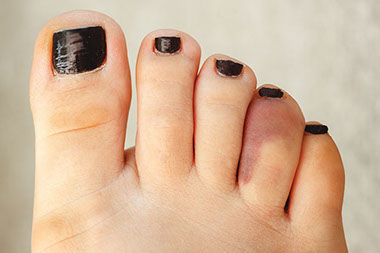
    Close up of injured toe.

    Toes are an important part of walking and balance. And their bones and ligaments are small, so they can be easily injured.

    Many people think doctors won’t do anything about an injured toe. This is not true. A broken or sprained toe may need medical attention. But minor toe injuries may get better with some simple home care.

    What to do if you hurt your toe

    *  If the pain is not severe, try putting ice on it for 10 minutes at a time. Be careful not to get the toe too cold.

    *  If needed, take an over-the-counter pain medicine.

    *  Stay off the foot if possible. Try to elevate it when sitting down.

    *  Look for signs of bruising and swelling, which could mean a possible sprain or broken toe.

    *  If the pain is severe, contact your doctor or seek urgent medical care.

    *  If pain and swelling don’t get better within two days, see a health care provider.

    *  Elevate the affected toe to help with swelling.

    Sprained vs. broken toe

    A sprain means that the ligaments in the toe have been injured. You can usually walk on a sprained toe, but it may still be very sore from swelling and bruising.

    Sprains may happen when you overstretch the toe during sports, running or jumping. “Turf toe” is a sprain of the big toe that is quite common in athletes.

    If you have a broken toe, you may not be able to move the toe or put weight on it. It may have a lot of swelling and bruising. The pain may not get better, even after a couple of days. Broken toes can happen during sports and activities. They also occur with falls and accidents or when you drop something heavy on your foot.

    Should you get medical care?

    Some minor toe injuries can be treated at home. But toe sprains and breaks can be more serious. Don’t ignore toe pain that lasts more than two days. See a health care provider if you think your toe is sprained or broken.

    If you have diabetes

    Always see a health care provider for any kind of foot or toe injury.

    Sources: American College of Foot and Ankle Surgeons, American Podiatric Medical Association

    © American Institute for Preventive Medicine