Author: AIPM

  • Packing A Lunch Punch

    HEALTHY EATING

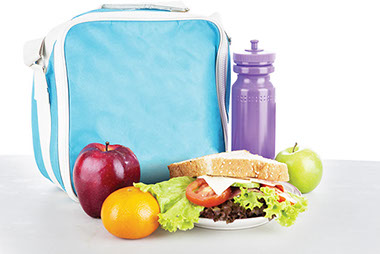
    Image of lunch bag with a water bottle, a sandwich, apples and orange.

    Plan ahead and first wash your hands before packing a school lunch (or your own).

    “Think about the perishability of the foods you’re making,” said Rutgers University professor Don Schaffner, a food scientist and spokesperson for the Institute of Food Technologists. “Perishable foods can remain at room temperature for no more than 2 hours. Properly refrigerated foods can last a long time, but most school children won’t have access to a refrigerator where they can store their lunchbox.”

    The Institute offers some guidance for parents as they pack lunches:

    *  Start each day with a clean box or bag. Insulated, vinyl lunch bags are popular and do better at keeping foods cool than paper bags or metal lunch boxes.

    *  Clean out lunch bags using warm soapy water and allow them to dry completely overnight before packing the next day. This helps deter the growth of bacteria in the bag.

    *  Choose secure packing materials, such as sealable, single-use sandwich bags that can be disposed of when used, or reusable plastic wear that is dishwasher safe.

    *  As much as possible, opt for foods that are not perishable, such as peanut butter and jelly sandwiches. (Follow the school’s policy on peanut butter. It may not be allowed due to peanut allergies.) PBJs will last from the time you prepare it in the morning until lunchtime. Single-serve fruits in prepackaged containers are also great options because they’re less perishable.

    *  Encourage older kids to assemble lunch on their own at school. Pack bread in one container and place fillings like meat or cheese separately with a cold pack. Having kids assemble the sandwich at lunchtime ensures the freshest possible results!

    *  Cold packs are designed to keep foods and drinks cold, not cool them down. If you start with room-temperature ingredients in the morning, it’s unlikely the cold pack will be able to cool them enough by lunchtime. Instead, refrigerate items the night before.

    *  Always use a cold pack when you are packing anything perishable, like cheese and meat slices or fresh-cut fruit with a yogurt-based dip. Place the perishable food right against the cold pack in the bag.

    *  For hot foods like chili, soup, or stew, use an insulated container. Before storing the food, fill the container with boiling water, let it stand for a few minutes, empty it, and then add the hot food.

    © American Institute for Preventive Medicine
  • Pain, Pain, Go Away

    SELF-CARE CORNER

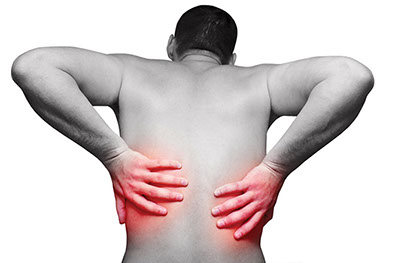
    Image of a man's back in pain.

    We’ve all experienced pain. But when pain doesn’t go away, it’s called chronic pain, and it can be tricky to treat, according to the NIH News in Health. Chronic pain can come from low-back problems, cancer, migraine, fibromyalgia, and other conditions. Long-term pain can affect your daily life and lead to depression.

    Some pain medications target inflammation, too, but come with side effects. NIH scientists are looking for ways to control pain. The following techniques may bring some relief:

    *  Keep your weight in check. Extra weight can slow healing or make some pain worse especially in the back, knees, hips, and feet.

    *  Exercise. If pain keeps you inactive, ask your doctor whether exercise might help.

    *  Get enough sleep. It will improve healing and your mood.

    *  Avoid tobacco, caffeine, and alcohol.

    *  Get the right medical help. If your regular doctor hasn’t found a helpful approach for your pain, see a pain specialist.

    *  Join a pain support group. Talk with others about how they deal with pain.

    © American Institute for Preventive Medicine

  • Paleo Diet: The Good And The Bad

    HEALTHY EATING

    Image of items that are apart of a Paleo diet.

    Fads come and go – and not just hairstyles and clothing choices. Diets go through fads, too – and one of the latest is the popular Paleo diet.

    The name “Paleo” refers to our Paleolithic ancestors, also known as “cavemen.” The creators of the Paleo Diet say the foods included are those that would have been eaten by our ancestors, long before humans had agriculture and modern-day processed foods.

    Although eating more whole foods can be a good thing, the American Academy of Nutrition and Dietetics says this diet isn’t in line with current healthy eating guidelines. Here’s the pros and cons to the Paleo diet:

    THE GOOD:Processed foods are out. Chips, crackers, and other unhealthy processed foods are not allowed.

    THE BAD:Eliminating all processed foods is difficult for most people. This could lead to frustration and diet failure.

    THE GOOD:No sugar is allowed.

    THE BAD:Because milk products contain natural sugar, no dairy is allowed with the exception of butter. Milk, cheese, and yogurt are good sources of calcium, and skipping them makes it difficult to get enough of this mineral in your daily diet.

    THE GOOD:Promotes vegetables.

    THE BAD:Only small amounts of fruit are allowed. Because of their natural sugar content, the Paleo diet doesn’t allow you to eat more than a small amount each day.

    THE GOOD:You’re encouraged to eat lean meats and fish.

    THE BAD:The Paleo diet suggests far more meat than the USDA advises. Diets heavy in animal fat and protein may increase your risk of heart disease due to their saturated fat content. Also, healthy vegetarian sources of protein such as beans and legumes are not allowed. These foods offer fiber and nutrients most people need in their diet and should eat regularly.

    BOTTOM LINE:

    The emphasis on vegetables and lean meats is a good concept that can offer health benefits. But, limiting or avoiding healthy foods such as dairy and fruit limits your intake of important nutrients. The USDA Guidelines, found atchoosemyplate.gov, offer a more varied – and heart-healthy – approach to eating.

    Talk with your physician before starting any diet program.

    © American Institute for Preventive Medicine

  • Pap Smear Needed Even With Hpv Vaccine

    MEDICAL NEWS

    Image of women talking with her doctor.

    HPV (human papillomavirus) vaccines that are often recommended to help prevent infections related to cervical and other cancers should not discourage women from also getting a Pap smear, UT Southwestern Medical Center cancer experts said.

    “Women should continue to be screened even if they have undergone HPV vaccination. The vaccine does not target all types of HPV that cause cancer. It is intended to reduce the risk of cancer, but has not been proven to eliminate the need for screening,” explains Dr. Jayanthi Lea.

    Unless you have a history of precancerous lesions, cancer, immune deficiency, or other risks, testing every three years between ages 21 and 65 is sufficient, Dr. Lea said. “There is also the option of combining a Pap test with HPV testing for women over age 30. Screening this way is typically performed every five years.”

    © American Institute for Preventive Medicine

  • Parenting A Teen

    FAMILY LIFE

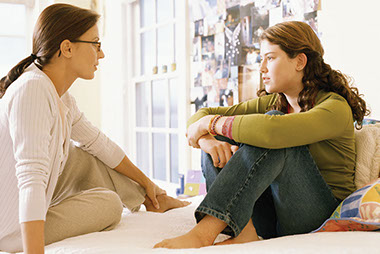
    Image of mother and daughter talking.

    It’s not easy parenting a teen. Your teen’s brain is still developing until about age 25, according to the National Institutes of Health. These are areas that control judgment, decision making, and impulse control. What’s a frustrated parent to do? NIH News in Health suggests these actions:

    *  Respect your teen’s opinions. Nonjudgmental communication shows your love.

    *  Be honest and direct with your teen when talking about sensitive subjects such as drugs, drinking, smoking, and sex.

    *  Respect your teen’s privacy.

    *  Have meals together.

    *  Help your teen make healthy choices and plan ahead for difficult situations.

    *  Meet and get to know your teen’s friends.

    *  Compliment your teen and celebrate your child’s efforts and accomplishments.

    *  Limit time your teen uses video games, texting, and instant messaging.

    © American Institute for Preventive Medicine

  • Parenting Afterthe Death Of A Child

    FAMILY LIFE

    Image of father and young daughter talking.

    Direct and honest communication with surviving children who are experiencing the loss of a sibling helps the survivors cope with their loss, according to research by University of Arkansas communication professor, Lynne M. Webb. Webb has directed research concerning the after-effects of a child’s death, specifically how parents interact with surviving children.

    “Children respond best to direct, honest communication, even in hardships,” Webb said. “A parent’s first reaction may be to dance around the issue and conceal the truth to protect their surviving children, but children want an explanation.”

    That explanation can take many forms and parents can adapt their language to the child’s age level. Children desire an explanation of what happened to their brother or sister, Webb explained. They turn to their parents as the most credible source for that explanation.

    “It’s important that the parents, despite their grief, have direct, open communication with their surviving children so that they are not raising trust or emotional issues,” she said. “Parents can assist surviving children to express their grief in a healthy way by communicating directly and openly about the death.”

    © American Institute for Preventive Medicine

  • Parkinson’s Disease 2

    MEDICAL NEWS

    Image of older man.

    Parkinson’s disease evolves gradually over time. Early signs may not be noticed. As Americans age, the number of people with this disease is expected to increase.

    Parkinson’s is a brain and nerve disorder. Brain cells gradually malfunction and die. The disease damages brain cells that make a chemical called dopamine. The resulting dopamine shortage causes movement problems, like those seen with TV actor Michael J. Fox, for example.

    Research suggests that eating right and exercising may help reduce or delay symptoms. Potential new treatments are being studied including deep brain stimulation, according to NIH in Health.

    The National Institutes of Health urges patients to find a clinical trial atwww.nih.gov/health/clinicaltrials.

    Know the signs of parkinson’s disease

    *  Movement problems such as shaking or tremor, especially in the fingers, hand, arm, or face

    *  Rigidity, stiffness, or slowness

    *  Problems standing or balancing

    *  Trouble speaking or choosing words

    *  Changes in handwriting

    *  Difficulty completing simple tasks or making decisions

    *  Inability to detect odors

    © American Institute for Preventive Medicine
  • Pay Attention

    FAMILY LIFE

    Image of kids in a classroom.

    Young children often have problems paying attention or concentrating. When are these problems serious enough for parents and teachers to be concerned?

    According to estimates from the CDC, 1 in 11 school-aged children are diagnosed with Attention-Deficit/Hyperactivity Disorder (ADHD), but research suggests that the warning signs often appear even before kids start school. As many as 40% of children have problems with attention by age 4. The most common mental health disorder diagnosed in the preschool years is ADHD.

    Dr. Mark Mahone, director of the Department of Neuropsychology at the Kennedy Krieger Institute in Baltimore, encourages parents to pay attention to their young child’s behavior.

    In preschool-aged children (3-4 years), Dr. Mahone recommends that parents look for the following signs that are linked with an ADHD diagnosis when children reach school age:

    *  Dislikes or avoids activities that require paying attention for more than 1 or 2 minutes

    *  Loses interest and starts doing something else after engaging in an activity for a few moments

    *  Talks a lot more and makes more noise than other children of the same age

    *  Climbs on things when instructed not to do so

    *  Cannot hop on one foot by age 4

    *  Warms up too quickly to strangers

    *  Nearly always restless-wants to constantly kick or jiggle feet or twist around when sitting. Insists on getting up after being seated for more than a few minutes

    *  Gets into dangerous situations because of fearlessness

    *  Frequently aggressive with playmates; has been removed from preschool/daycare for aggression

    * Has been injured (received stitches) because of moving too fast or running when instructed not to do so

    “If parents observe these symptoms and have concerns about their child’s development, they should consult with their pediatrician or another developmental expert,” says Dr. Mahone. “There are safe and effective treatments that can help manage symptoms, increase coping skills, and change negative behaviors to improve academic and social success.”

    © American Institute for Preventive Medicine

  • Perfect Pumpkin Pancakes

    HEALTHY EATING

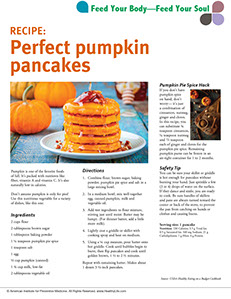
    Image of a stack of pumpkin pancakes.

    Pumpkin is one of the favorite foods of fall. It’s packed with nutrients like fiber, vitamin A and vitamin C. It’s also naturally low in calories.

    Don’t assume pumpkin is only for pies! Use this nutritious vegetable for a variety of dishes, like this one.

    Ingredients

    2 cups flour

    2 tablespoons brown sugar

    1 tablespoon baking powder

    1 ¼ teaspoon pumpkin pie spice

    1 teaspoon salt

    1 egg

    ½ cup pumpkin (canned)

    1 ¾ cup milk, low-fat

    2 tablespoons vegetable oil

    Directions

    1.  Combine flour, brown sugar, baking powder, pumpkin pie spice and salt in a large mixing bowl.

    2.  In a medium bowl, mix well together egg, canned pumpkin, milk and vegetable oil.

    3.  Add wet ingredients to flour mixture, stirring just until moist. Batter may be lumpy. (For thinner batter, add a little more milk).

    4.  Lightly coat a griddle or skillet with cooking spray and heat on medium.

    5.  Using a ¼ cup measure, pour batter onto hot griddle. Cook until bubbles begin to burst, then flip pancakes and cook until golden brown, 1 ½ to 2 ½ minutes.

    Repeat with remaining batter. Makes about 1 dozen 3 ½-inch pancakes.

    Pumpkin Pie Spice Hack

    If you don’t have pumpkin spice on hand, don’t worry- it’s just a combination of cinnamon, nutmeg, ginger and cloves. In this recipe, you can substitute ¾ teaspoon cinnamon, ¼ teaspoon nutmeg and 1/8 teaspoon each of ginger and cloves for the pumpkin pie spice. Remaining pumpkin puree can be frozen in an air-tight container for 1 to 2 months.

    Safety Tip

    You can be sure your skillet or griddle is hot enough for pancakes without burning your hand. Just sprinkle a few (3 or 4) drops of water on the surface. If they dance and sizzle, you are ready to cook. Be sure handles of skillets and pans are always turned toward the center or back of the stove, to prevent the pan from catching on hands or clothes and causing burns.

    Serving size: 1 pancake

    Nutrition:130 Calories; 3.5 g Total fat; 0.5 g Saturated fat; 340 mg Sodium; 21 g Carbohydrates; 1 g Fiber; 4 g Protein

    Source: USDA Healthy Eating on a Budget Cookbook

    © American Institute for Preventive Medicine

  • Physical Fitness And Sports

    BE FIT

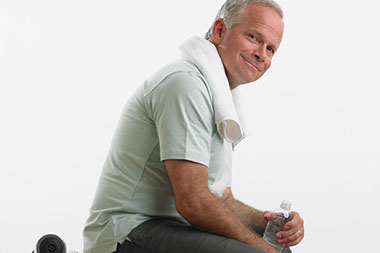
    Image of older man ready to exercise.

    Along with healthy eating, physical activity increases your chances of living longer. Exercise can also help:

    *  Control your blood pressure, blood sugar, and weight

    *  Lower your “bad” cholesterol and raise your “good” cholesterol

    *  Prevent heart disease, colorectal and breast cancer, and type 2 diabetes

    And that’s not all. Being more active can:

    *  Be fun

    *  Help you look your best

    *  Improve your sleep

    *  Make your bones, muscles, and joints stronger

    *  Lower your chances of becoming depressed

    *  Reduce falls and arthritis pain

    *  Help you feel better about yourself

    For adults, most health benefits come with at least 150 minutes a week of moderate-intensity physical activity, such as brisk walking. Extra benefits occur with more physical activity. Both aerobic (endurance) and muscle-strengthening (resistance) physical activity are helpful.

    Children need 60 minutes of play with moderate to vigorous activity every day. If this sounds like a lot, consider that eight to 18 year olds spend an average of 7.5 hours a day sitting. This includes using computers, video games, cell phones and watching TV and movies.

    Make exercise fun

    No matter what shape you are in, you can find activities that you enjoy. If you think of exercise as a chore that you have to do, it can be harder to stick with it.

    *  Choose activities you enjoy and look forward to. Do ones you enjoyed as a child.

    *  Set up a walking program with a friend, family member, or coworker you enjoy being with.

    *  Wear a pedometer to track your steps. Aim for a goal of 10,000 steps a day.

    *  Enjoy a sunny day and fresh air with outdoor activities.

    *  Play outdoors with your children and grandchildren.

    *  Use fitness facilities at your work.

    © American Institute for Preventive Medicine