Author: AIPM

  • Ringing In The Ears

    SELF-CARE CORNER

    Image of man holding a magnifying glass next to his ear.

    Developing tinnitus or ringing in the ears can be annoying at best. At worse, the condition can cause anxiety, depression, insomnia, and other serious medical issues. Tinnitus is often described as buzzing, ringing, hissing, humming, roaring, or whistling that someone hears. Imagine hearing something that seems to come from inside your head. More than 50 million people in the United States have the condition, according to the American Tinnitus Association.

    If you struggle with tinnitus, you may find help with these tips from Neuromonics:

    *Be good to yourself.Tinnitus can affect many areas of life.

    *Educate yourself.Tinnitus has several causes and affects each person differently. The more a tinnitus sufferer understands, the greater the chances of making the tinnitus less bothersome.

    *Educate others.Family members, friends, coworkers, and associates can benefit from understanding tinnitus and its effects. They can be more supportive if they understand the conditions that are difficult for a tinnitus sufferer.

    *Seek out support.A few individuals who understand the daily trials of tinnitus can be invaluable. Consider a formal support group-in-person or online-to find out about coping strategies.

    *Contact the ATA’s Support Networkatwww.ata.org/support.

    *Obtain counseling.For some people, a licensed therapist or counselor can help with techniques to make tinnitus symptoms less bothersome and with effects of tinnitus such as anxiety and depression.

    © American Institute for Preventive Medicine
  • Run For Your Life

    BE FIT

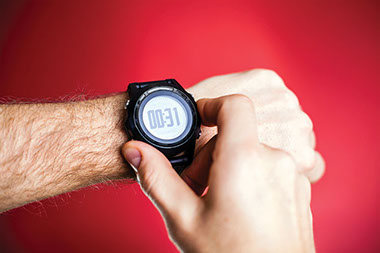
    Image of man's wrist with stop watch on.

    Vigorous exercise is good for your health, but too much can do more harm than good to your heart.

    Limit your exercise to a maximum daily dose of between 30 and 50 minutes, say researchers in an editorial published in Heart.

    The idea that more and more high-intensity exercise, such as marathons, can only do you good is a myth, say the cardiologists from St. Luke’s Mid America Heart Institute in Kansas City.

    Routine moderate physical activity will add years to your life and life to your years, but running too far, too fast, for too many years may speed your race to the finish line of life, they said.

    If you must train for a marathon, do just one or a few and then cut back to a safer, healthier exercise pattern.

    © American Institute for Preventive Medicine

  • Rx Painkiller Deaths On The Rise

    MEDICAL NEWS

    Image of open pill bottle with 3 pills next to the bottle.

    From 1999 to 2010, deaths from prescription pain relief drugs increased more than 400 percent in women and 265 percent in men. These facts are from a recent report from the Centers for Disease Control and Prevention (CDC).

    “Prescription painkiller deaths have skyrocketed in women (6,600 in 2010), four times as many as died from cocaine and heroin combined,” said CDC Director Tom Frieden, M.D., M.P.H. “Stopping this epidemic in women – and men – is everyone’s business. Doctors need to be cautious about prescribing and patients about using these drugs.”

    Use Rx pain relief medicines wisely

    *  Let your doctor know about all prescribed and OTC medicines you take. This includes ones that treat depression, anxiety, or sleep problems. It includes vitamins and herbal products, too.

    *  Ask your doctor the risk of addiction when he or she prescribes sleeping pills, strong painkillers, etc. Find out how long you should take the medicines. Ask if there are ways to help treat your problem without them.

    *  Find out how much alcohol, if any, can be taken with your prescribed medicines.

    *  Follow the guidelines that your doctor and pharmacist provide with every prescription.

    *  Do not take another person’s prescribed medicines.

    *  Do not share your medicines with others.

    © American Institute for Preventive Medicine

  • Safe On 2 Wheels

    BE FIT

    Image of women on bike.

    Cycling is a good form of exercise. But with more than 1.4 million injuries reported in 2012 according to the Consumer Product Safety Commission, riders need to be safety conscious before hitting the pavement (literally).

    The American Academy of Orthopaedic Surgeons offers cycling safety rules:

    *  Use a bicycle that is the proper size.

    *  Make sure you are fit enough to ride before you  start pedaling.

    *  Change riding positions to reduce stress on pressure points on your body and avoid overstressing muscles.

    *  Always wear a helmet approved by the American National Standards Institute (ANSI). It should fit  snugly but comfortably and not obstruct vision.

    *  Check your bicycle’s mechanical components regularly (brakes, tires, gears).

    *  Follow traffic signs and lights. Signal your turns   so drivers can anticipate your actions.

    *  Ride in the direction of traffic. Be aware of all surroundings.

    *  Use caution on uneven or slippery surfaces.

    *  Do not listen to music with head phones, talk on  your phone, text or do anything else that can   obstruct your hearing and vision.

    *  Avoid loose clothing. Wear padded gloves and appropriate footwear. Never wear flip flops. Use padded cycling shorts for longer rides.

    *  At night, wear bright fluorescent colors; make sure to have rear reflectors. Both a working tail light and headlight should be visible from 500 feet away.

    © American Institute for Preventive Medicine

  • Safe Ways To Get Rid Of Warts

    SELF-CARE CORNER

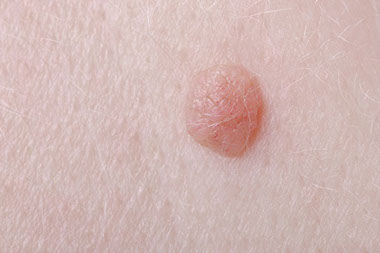
    Close up image of a wart.

    Warts are noncancerous growths caused by a contagious virus. Common warts usually appear on the hands, and plantar warts appear on the bottoms of the feet.

    Most common and plantar warts are harmless and will go away on their own with time. But, they may cause pain or embarrassment. As a result, many people would rather see them gone sooner rather than later.

    Wart basics

    If you’re not sure whether you have a wart, it’s best to see your doctor. Some skin cancers can look like warts.

    You can get warts from other people or from touching a surface that had the wart virus on it. The virus that causes warts is known as human papillomavirus (HPV). Children and teens get warts most often, but they can happen to anyone.

    Keep warts away

    It’s best to try and avoid getting warts in the first place. To help avoid warts, doctors say:

    *  Don’t go barefoot in public showers, bathrooms, locker rooms, and around swimming pools. Wear flip flops or waterproof shoes.

    *  Don’t share towels or personal items with others unless it has been washed.

    *  Wash hands regularly, including before and after eating, after using the bathroom, and after touching shared surfaces like doorknobs and ATMs.

    *  Finally, never pick at or scratch warts. This can spread the wart to other parts of the body.

    Medicines for warts

    There are a few ways to help speed the healing process for warts and get rid of them sooner. They include:

    *Wart medicine:Look for one that contains salicylic acid as the active ingredient. This medicine helps peel the wart off gradually. It can be purchased in a liquid or gel you apply to the skin, or in patches that stick on the wart.

    *Wart freezing sprays:An over-the-counter wart freezing spray can help get rid of warts. The spray blisters the wart and the skin around it, allowing it to fall off in a few days.

    *Duct tape:Some studies suggest that applying duct tape to the wart may help it go away. Put a small piece of duct tape over the wart and change the tape every couple of days. This may help peel the wart off.

    Be patient with any wart treatment. It may take several applications before the wart goes away. If these home remedies aren’t working, talk to your doctor. Most dermatologists offer stronger wart removal treatments when needed.

    Sources: American Academy of Dermatology, American Academy of Family Physicians

    © American Institute for Preventive Medicine

  • Safer Winter Driving For Under $30

    WELL-BEING

    Image of car driving down a snowy road.

    Rain, fog, snow, ice, and sleet-all the challenges of winter driving. You can’t control the weather, but you can take care to be prepared (and spend less than $30 to be safer), say auto claims experts from MetLife.

    *  Cold weather can cut the life of a car battery in half. Buy a battery tester for less than $1, and check the health of your battery to make sure you won’t be left stranded out in the cold.

    *  Check to see if your antifreeze is at the recommended 50/50 ratio of antifreeze to water to protect your car’s cooling system from freezing. Buy an antifreeze tester for less than $2.

    *  Properly inflated tires guarantee the best possible contact with the road, giving you more control. Check your air pressure to make sure it matches your tire guidelines. Air pressure drops as the temperature drops.

    *  If your windshield wipers leave a streak across the windshield, it’s time to invest in winterized wiper-blade refills (around $7).

    *  Top off the windshield wiper fluid and always carry an extra gallon ($2).

    *  Buy an ice scraper and de-icer for about $2 to break up any ice that might be blocking your vision or clogging your locks.

    *  If your car is stuck in snow or ice, have a folding snow shovel (about $7) and a bag of cat litter (around $2) handy to dig yourself out and provide traction for your tires on the slippery surface.

    *  Keep free stuff from your home in your car: old blankets, hats, gloves.

    © American Institute for Preventive Medicine

  • Salmon’s Health Benefits

    HEALTHY EATING

    Image of salmon.

    NUTRITION FACTS

    *  High quality protein

    *  Vitamins: Niacin, thiamin, B6, B12, and D

    *  Minerals: Calcium, iron, magnesium, potassium, phosphorus, selenium, and zinc

    *  Omega-3 fatty acids

    HELPS IMPROVE memory and brain function

    LOWERS THE RISK of cardiovascular disease and cancers of the colon, kidney and prostate gland

    LOWERS INFLAMMATION which can be beneficial for arthritis

    AIDS IN MAINTAINING insulin levels in the body

    HELPS PREVENT macular degeneration and vision loss

    © American Institute for Preventive Medicine
  • Save Money On Health Expenses

    FINANCIAL HEALTH

    Image of stethoscope and money on top of paper work.

    Unexpected health care costs can be hard on any budget. To help manage your own health care costs:

    *Get preventive care.Well visits and checkups often cost a lot less than treating a disease or illness. Talk to your doctor and dentist about how often you should be seen, and stick to this schedule.

    *Use generic medicines.Name brand medicines can cost hundreds of dollars more than generic ones. Ask your doctor if a generic medicine is available for your condition. Tell your doctor if you are having trouble paying for medications. Drug makers sometimes offer coupons or savings cards for people who need them.

    *Shop around for your prescriptions.Medicine costs can vary widely among pharmacies. Call pharmacies and ask for the cost of your prescription medicine. Some websites also have prescription medicine costs available for pharmacies in your area. You may also wish to look into mail-order pharmacies.

    *Check your medical bills.Make sure there are no mistakes on your doctor, hospital or prescription bills. And, be sure your insurance covered services it is supposed to cover. If you have questions, or think you may be over-billed, call the number listed on your bill.

    Source: Consumer Federation of America

    Watch those late fees!

    A few dollars here, 20 dollars there… late fees can add up. Whether it’s your credit card bill or a service you received, make an effort to pay your bill on time. Avoid late fees by getting bills set up on automatic payment plans. Or, have a special slot on the wall to place bills that haven’t been paid. Then, they won’t get buried under junk mail or other papers on your desk.

    © American Institute for Preventive Medicine

  • Save More, Spend Less

    FINANCIAL HEALTH

    Image of women at kitchen counter with groceries and placing money in a piggy bank.

    According to the American Psychological Association, finances are the number one cause of stress in America. Whether it’s meeting the monthly bills or trying to build a retirement fund, financial worries can be difficult to deal with.

    If you’re looking for ways to stretch your monthly budget, the Federal Trade Commission offers some tips that may help you save more and spend less without feeling the pinch.

    Start with a budget.

    This may not be fun, but it doesn’t have to be long and difficult. You can use something as simple as a two-column sheet of paper. In one column, write your net income for the month. In the other column, record all your expenses: basic monthly bills (mortgage, food, transportation), lifestyle choices (entertainment, eating out, personal care, pets), and other expenses. This will give you a clear idea of how much you need to save or cut back on spending. The FTC website offers a free budget worksheet atwww.consumer.ftc.gov/articles/pdf-1020-make-budget-worksheet.pdf.

    Consider direct deposits into savings accounts.

    Have part of your paycheck go directly into a 401 savings or other type of retirement account. Have additional money put into another savings account for an emergency fund and major expenses as needed.

    Pack lunches.

    A daily $6 spent on lunch adds up to $800 a year. Instead, make extra food for dinner and take leftovers or make your own sandwich. Or, purchase healthy frozen meals when they’re on sale.

    Use free community services.

    Most cities have well-stocked libraries that have books, magazines, music, games, and movies. You can check these items out for free.

    Know that every little bit helps.

    Make small, manageable goals to help you save. Even just $1,000 less on your credit card bill could save you hundreds of dollars in interest each year. Eating out one fewer time each week adds up to big savings in a few months. Rather than being discouraged by a goal that seems impossible, look for small, doable ways to save a few dollars here and there.

    © American Institute for Preventive Medicine

  • Simple Steps To Save Your Sight

    WELL-BEING

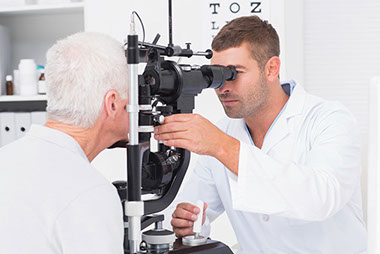
    Image of older male getting eyes checked by a doctor.

    Age-related macular degeneration (AMD) is the number one cause of blindness in older adults. AMD damages central vision, which means things like reading, driving and seeing faces are limited or impossible. There is no cure for AMD, but there are procedures and steps you can take to help save vision. Lower your risk of getting AMD with these tips:

    *Don’t smoke.Studies show that smoking increases the risk of AMD. Smokers are twice as likely to get AMD as nonsmokers. If you do smoke, take steps to quit.

    *Know your family history.People with a close relative who has AMD have a 50 percent chance of getting AMD. Detecting AMD early means you could save your vision.

    *Eat a healthy diet.People who eat omega-3 fatty acids, found in fatty fish, are less likely to get AMD. Also, focus on eating leafy greens such as spinach, kale and leafy lettuce. Eat plenty of whole fruits (not fruit juice).

    *Limit unhealthy fats and cholesterol.Eating a lot of saturated fat and cholesterol raises the risk of getting AMD. Avoid processed (packaged) foods with unhealthy saturated and trans fats.

    *Be active.Exercise may keep your eyes healthy. Exercising at least three times per week can reduce your risk of getting AMD.

    *See your eye doctor regularly.An eye doctor can catch AMD early with an eye exam. Find out how often you should have your eyes checked.

    *Protect your eyes from the sun.Always wear sunglasses that have 100 percent UV protection when you are outside. For additional coverage, wear a wide-brimmed hat.

    *Get regular checkups from your doctor.Keeping cholesterol, blood sugar and blood pressure under control also helps maintain healthy eyes.

    *Your vision is too important to leave to chance.A healthy lifestyle and good medical care can help you avoid AMD or catch it early, before it damages your sight.

    Sources: American Academy of Ophthalmology, American Macular Degeneration Foundation

    © American Institute for Preventive Medicine