Author: AIPM

  • Saving Food, Saving Money

    FINANCIAL HEALTH

    Image of couple at the grocery store.

    In the U.S., we throw out millions of tons of food each year. Most people have thrown out food that spoiled or was simply never eaten. This harms the environment because it adds up to more waste, and it’s also harmful to your budget. It’s a lot like throwing money in the garbage! In addition, some of that wasted food could have gone to people who don’t have enough to eat.

    Shopping, planning, saving

    The number one way to stop wasting food is to plan meals and shop for only those meals. You’ll need to make a shopping list and stick to it when you go to the store.

    Your list should have ingredients for all your meals, including main dishes, sides, drinks and snacks. Then, buy only what’s on the list. This requires some extra time and planning, but the savings can add up.

    Some people like to shop for the whole week, while others shop for only a few days at a time. This is up to you. No matter how you like to shop, having a list can save you money and cut down on food waste.

    In the end, your budget and the environment will thank you. As an added bonus, you will be eating healthier by planning your meals ahead of time.

    Keep the pantry organized

    Have you ever bought a can of beans, only to find that you already had three at home? Having an organized pantry can help avoid this.

    Try putting your pantry into sections. You may wish to divide up canned foods into categories like fruit, vegetables, beans and other foods. Have another section for pasta, one for rice and so on. Being able to quickly glance at the pantry when you’re making your shopping list can save time and prevent buying duplicates.

    Other tips to prevent food waste

    *  Buying bulk portions can be a big saving – but only if you eat it. Only buy these large portions if you plan to use or freeze it all before it expires.

    *  Eat leftovers! Have a leftover dinner night, rather than cooking another meal. Get creative and use leftovers to make a casserole, soup or sandwiches.

    *  Check your fridge first. Before you go shopping, see what you already have in your fridge. Eat what you have on hand before buying more.

    *  Ask local food banks about their needs. Donate food that you don’t think you will use instead of throwing it away.

    Source: Environmental Protection Agency

    © American Institute for Preventive Medicine

  • Say ‘No’ To Interruptions, ‘Yes’ To Better Work

    WELL-BEING

    Image of a group of business professionals.

    Today’s office workers are expected to multitask regularly, often juggling multiple projects and priorities over the course of a day. Studies have shown that the typical employee in an office environment is interrupted up to 6 times per hour, but how does that impact the finished product?

    “People don’t realize how disruptive interruptions can be,” said the researchers at George Mason University, whose study was published in Human Factors.

    The researchers found significantly lower quality in essays completed by the participants who were interrupted during the outline and writing phases than in essays of those who were not interrupted. In addition, those participants who were interrupted during the writing phase wrote considerably fewer words.

    Interruptions lower the quality of the work, they said, and suggested ways to reduce the number of external interruptions: Turn off your cell phone and disable dings for incoming email. Close your door. Face away from office traffic patterns.

    © American Institute for Preventive Medicine

  • Screens & Stress A Close Connection

    SUCCESS OVER STRESS

    Image of young man with colors popping out of his tablet.

    If you’re feeling the effects of stress and anxiety in your life, you may want to look at your use of smartphones, tablets, and TV. A study done by psychologists at the University of Worcester in England says that frequent use of electronic devices could be linked to higher stress levels.

    If you’re feeling overwhelmed, think about cutting back on the amount of screen time you have each day. This works well as a family effort. The National Heart, Lung, and Blood Institute recommends these tactics:

    *Find out how much you use screens.Keep a log of how much time you spend on screens outside of work or school. Often people are surprised to see how much time they spend on electronic devices.

    *Set a two-hour goal.Try to keep non-work and non-school screen time activities to less than two hours a day. This is a good rule for adults and kids.

    *Find alternatives.Explore fun things you can do instead of screen time, such as playing a game or going for a walk.

    *Combine exercise with screens.If you’re going to watch TV, do stretching, yoga, or other exercises while you’re watching. This can help reduce stress levels and improve your overall health.

    *Have designated screen-free times.Whenever possible, have family meals without the TV on or phones nearby. Spend time talking with your family and enjoying your food. Set aside other times of the day as screen-free. An hour before bedtime is a good choice to help you wind down for sleep.

    Emergency stress stoppers

    The next time you feel your stress level rise, try one of these tips:

    *  Take three to five deep breaths.

    *  Count to ten before you speak.

    *  If possible, walk away from the situation and say you’ll be able to handle it later.

    Source: American Heart Association

    © American Institute for Preventive Medicine

  • Secrets To A Successful Life

    WELL-BEING

    Image of older man smiling.

    What do America’s elder citizens say about living a happy, healthy, and successful life? A Cornell University professor, Karl Pillemer, asked hundreds of seniors and gives their advice in his book 30 Lessons for Living: Tried and True Advice from the Wisest Americans.

    *Take risks to avoid regret.People in their 70s, 80s, 90s, and beyond endorse taking risks when you’re young, contrary to a stereotype that elders are conservative. They say that you are much more likely to regret what you didn’t do than what you did. Say yes to opportunities.

    *Make the most of a bad job.Pillemer said, “Remember that many of these folks who grew up in the Great Depression had bad jobs early on-in fact, their bad jobs make our bad jobs look like good jobs! They found, however, that they learned invaluable lessons from these less-than-ideal work situations. You can learn how the industry works, about communicating with other employees, and about customer service.

    *Choose excitement over money.Choose a career for its basic value rather than how much money you will make. Our elders are keenly aware of how short life is, and they think it’s a mistake to waste precious time in work you don’t like. According to our elders, you need to be able to get up in the morning excited about work, so choose your career with that in mind.

    *Regrets?Embrace travel, especially when you are young.

    © American Institute for Preventive Medicine

  • Seeds 101

    HEALTHY EATING

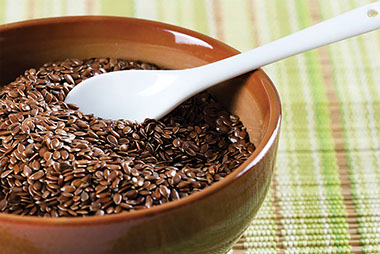
    Image of flax seeds in a bowl.

    Edible seeds can play an important part in the human diet, not only because they’re nutritious, but they can also add appearance, texture, and taste to a variety of foods. Experts at the Institute of Food Technologists provide a short lesson in popular seeds:

    Seed: Chia

    Origin:Mexico, Central America

    Taste:Mild, slightly nutty

    Uses:Cookies, salads, oatmeal, soups, yogurt, baked goods

    Nutritional Value:Contains the highest levels of total omega-3 fatty acids of any plant source, rich in fiber, protein, antioxidants, vitamins, and minerals

    Health Benefits:Helps control blood sugar levels, promotes satiety (feeling of fullness after eating), and slows the breakdown of carbohydrates

    Fun Fact:When added to water, chia seeds can swell to 12 times their weight in liquid and create a gel that could be used as an alternative to eggs and some oils in recipes.

    Seed: Quinoa

    Origin:South America

    Taste:Mild, slightly nutty

    Uses:Breakfast cereals, artisan-style breads, muffins, pizza crusts, bakery products, salads, meat-free burgers, vegan and vegetarian products

    Nutritional Value:Contains the highest protein levels of all the cereal grains, good source of magnesium, vitamin E, potassium and fiber

    Health Benefit:Provides all of the essential amino acids for optimal health

    Fun Fact:The United Nations has declared 2013 the “International Year of Quinoa.” Pronounced KEEN-wha.

    Seed: Flax

    Origin:Eastern Mediterranean to India

    Taste:Mild, nutty

    Uses:Soups, salads, stews, hamburgers, hot and cold cereals, chilies, sauces and dips, fruit smoothies, cookies, muffins and bread dough, dairy-free milk product for people with lactose-allergies

    Nutritional Value:Source of polyunsaturated fat, omega-3 fatty acids, essential amino acids, antioxidants, folate, vitamin B-6, magnesium potassium, and iron

    Health Benefit:Easily digestible

    Fun Fact:The seed was valued as both a food and a medicine in ancient Mesopotamia 10,000 years ago.

    Seed: Sunflower

    Origin:North America

    Taste:Mild

    Uses:Baked goods such as bagels, muffins, multigrain breads, and in trail mixes, hot breakfast cereals, coated in chocolate for confectionary applications, sprinkled in yogurt or on salads, and much more

    Nutritional Value:Contains polyunsaturated oil

    Health Benefit: Weight management

    Fun Fact:Used by Native Americans as a high-energy food source

    © American Institute for Preventive Medicine

  • Sensational Six-Layer Dinner

    HEALTHY EATING

    Image of a person cutting carrots.

    Ingredients

    2 potatoes (medium, sliced)

    2 cups carrot (sliced)

    1/4 teaspoon black pepper

    1/2 cup onion (sliced)

    1 pound ground beef (browned & drained)

    1-1/2 cups green beans

    1 can tomato soup

    Directions

    Lightly oil or spray baking dish with cooking spray. Layer ingredients in the order given. Cover. Bake at 350ºF for 45 minutes or until tender and thoroughly heated. Uncover and bake 15 more minutes. For variation, use peas or corn instead of green beans. Use your favorite cream soup instead of tomato soup.

    Makes 6 servings: 260 calories, 6 g total fat, 25 g protein, 26 g carbs, 3 g fiber, 480 mg sodium*

    *To reduce sodium content, use reduced-sodium canned soups.

    From the US Department of Agriculture’s What’s Cooking Mixing Bowl.

    © American Institute for Preventive Medicine

  • Sepsis: Be Aware Of This Deadly Condition

    MEDICAL NEWS

    Image of sick women in bed.

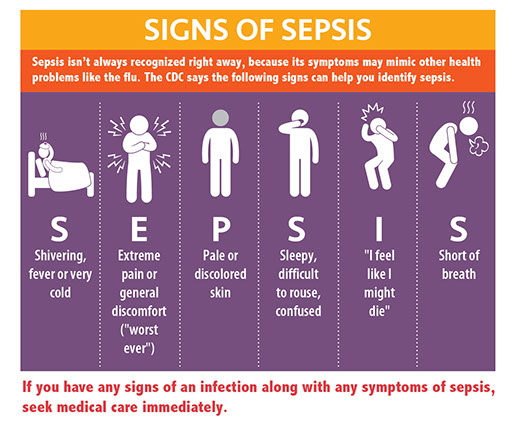
    Sepsis is among the top causes of disease-related death in our country, killing about 200,000 people each year. Actress Patty Duke’s recent death from sepsis brought more attention to this dangerous disease. It’s important to know the signs of sepsis so you can seek emergency medical care for this serious condition. Early treatment can save lives.

    Sepsis is a strong and harmful reaction of the body’s immune system. It can be triggered by common infections, such as pneumonia, a urinary tract infection, or even a minor infection like a cut or scrape, if it becomes infected and the infection spreads.

    Most of the time, these infections don’t cause sepsis. But when sepsis does occur, it can cause a dangerous drop in blood pressure, resulting in organ failure and death. It tends to affect the very young, the elderly or those with weakened immune systems.

    Influenza vaccines and pneumococcal vaccines may help prevent sepsis. Consider getting these vaccines to reduce your risk.

    © American Institute for Preventive Medicine
  • Set A Resolution That Works For You

    BE FIT

    Image of young women jogging in the winter.

    “What’s your New Year’s resolution?” It’s a question many people hear – and ask – when Jan. 1 approaches. But, after a couple of weeks of hard work, life often interferes and that resolution gets forgotten.

    But what if you could stick with that resolution this year? Try these tips from the American Diabetes Association:

    *Be realistic.Rather than push yourself to do several major things, pick just one – such as walking.

    *Be specific.For instance, write down how often you will work out (5 days a week for 30 minutes) or that you will eat fruit instead of sweets. Schedule it in your calendar so other things are less likely to interfere.

    *Get back on track after setbacks.If you slip up, forgive yourself and start new tomorrow. Don’t abandon your healthy goals because of one mistake.

    Good health is a great goal to work towards – at New Year’s or any time of the year.

    © American Institute for Preventive Medicine

  • Shake Salt

    HEALTHY EATING

    Image of nutrition label.

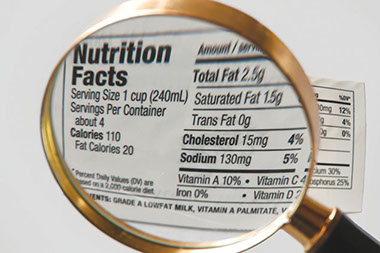
    About 75% of the total sodium (salt) you get in your diet comes from sodium already in packaged and restaurant foods, not from the salt shaker, said an FDA deputy commissioner. That makes it very difficult for you to reduce your sodium intake because the foods you have available to you in the marketplace already have high levels in them.

    So what can you do? The FDA offers some advice:

    *  When shopping for food, read food labels and choose foods that are lower in sodium.

    *  Foods providing 5% (Percent Daily Value or %DV on the label) are considered low. And 20%DV is considered high (avoid these foods).

    *  The CDC identified 10 surprising foods as the greatest sources of sodium: breads and rolls; luncheon meat, such as deli ham or turkey; pizza; poultry, fresh and processed, much of the raw chicken bought from a store has been injected with a sodium solution; soups; cheeseburgers and other sandwiches; cheese, natural and processed; pasta dishes; meat dishes, such as meat loaf with gravy; and savory snack foods, such as potato chips, pretzels, and popcorn.

    © American Institute for Preventive Medicine

  • Sharing A Bathroom And The Dangers Of Tooth Brushing

    WELL-BEING

    Image of tooth brushes in a cup.

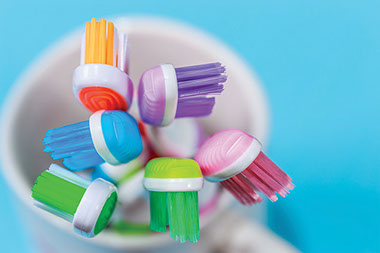
    Leaving your toothbrush out on the bathroom counter subjects it to picking up all kinds of yucky germs, not only your own but those from others, and we’re talking about fecal coliforms (you can guess what those are). Toilet flushing or just being around other people’s poor hygiene can contaminate the toothbrushes.

    Tooth brushes stored too close together promotes cross contamination of germs.

    A study presented to the American Society for Microbiology examined toothbrushes in group bathrooms at a college campus. Turns out the problem is not your own germs, but those from other people who share the bathroom space.

    Lesson learned-if you share a bathroom, don’t leave your toothbrush around. Even if you rinse it in hot water or mouthwash, it can still get contaminated. Putting it into a case is even worse because the environment inside the cover helps the nasty germs grow.

    Solution? Let the bristles dry out somewhere else, such as in your bedroom.

    © American Institute for Preventive Medicine