Author: AIPM

  • Sick Kid?

    FAMILY LIFE

    Image of mother and child at the doctor's office.

    For many reasons, a child being home from school while sick can be stressful. Parents worry about the severity of their child’s illness and about the child missing school, all while trying to shuffle work schedules to be home.

    But when should kids stay home from school? Dr. Hannah Chow-Johnson, pediatrician at Loyola University Health System, gives some guidelines to help parents make that decision.

    Pinkeye.

    Extremely contagious and is usually caused by a virus. One of the first signs of pinkeye is discomfort. Other symptoms include a sticky discharge that can cause the eyelids to stick together, and the area around the eye can look red and swollen. Stay home until the redness is gone.

    Stomach problems.

    Gastroenteritis or the stomach flu can cause vomiting and diarrhea. Most often, it is caused by a virus. A child needs to rest and take gradual fluids to recover. Stay home until the vomiting and diarrhea are gone for 24 hours.

    Fevers.

    Most schools have a policy that a child can’t attend if they have a fever higher than 100 degrees F and the child needs to be fever-free for 24 hours before returning to school. Stay home and rest.

    Coughing.

    If a child has a steady cough, a hacking cough, or coughing fits, he or she should stay home. It’s also important for children and adults to be vaccinated against pertussis (whooping cough). Go back to school with a minor cough, but practice good coughing skills such as coughing into a tissue or elbow and washing hands often.

    Sore throat.

    Many parents think sore throat means strep throat, but in 70% of the cases the pain is caused by a virus. Symptoms of strep also include headache, stomachache, and fever. Sometimes there is a sunburn-like rash on the throat. Stay home if the doctor has given an antibiotic and the child has been on it for 24 hours. If the sore throat is viral, return to school when the child feels better.

    Lice.

    Unfortunately those stubborn bugs mean no school for kids. They can quickly spread through a classroom. Children need lice treatment and combing to remove all nits.

    © American Institute for Preventive Medicine

  • Do You Know The  Signs Of A Drinking Problem?

    MEDICAL NEWS

    Image of a group of friends drinking.

    According to the National Institute on Alcohol Abuse and Alcoholism, more than 15 million adults have an alcohol use disorder (AUD). This means they cannot stop or control their drinking.

    It can be hard to admit that you or someone you love has AUD. Plus, someone with AUD can’t just decide to stop drinking. AUD is a health condition that requires treatment and support. Knowing the signs can help a person seek medical help.

    Alcohol abuse is defined as:

    *  A woman who has more than 7 drinks per week or more than 3 drinks per sitting.

    *  A man who has more than 14 drinks per week or more than 4 drinks per sitting.

    *  A person older than 65 who has more than 7 drinks per week or more than 3 drinks per sitting.

    Questions to ask about alcohol abuse

    If you’re not sure whether your drinking is a problem, ask yourself:

    *  Have I tried to stop drinking, but keep slipping up?

    *  Do I feel that once I start drinking, I can’t stop?

    *  Have I been told by others that my drinking is a problem?

    *  Do I drink in the morning to “get my day started”?

    *  Have I ever hurt myself or others because of my drinking?

    *  Do I ever hide my drinking from others or lie about how much I’ve had?

    *  Do I have “blackouts” or memory lapses  after drinking?

    *  Is drinking interfering with my relationships?

    *  Is my alcohol use getting in the way of success at work?

    If you answered “yes” to any of these questions, you may have AUD. Talk to your doctor about treatment that may help you.

    Preventing alcohol abuse

    Alcohol problems can run in families. If you have a close family member with AUD, you may have to work harder than others to avoid alcohol problems. But, preventing alcohol abuse is possible. Follow these tips to help:

    *  Be extra cautious about signs of AUD and ask yourself the questions in this article on a regular basis.

    *  If you decide to drink, stop after one drink and switch to non-alcoholic beverages.

    *  Get regular checkups with your doctor. Follow any recommended treatment for health conditions.

    *  Avoid people who drink too much or abuse alcohol.

    *  Consider joining a support group.

    Did you know?

    As adults grow older, our bodies are less capable of tolerating addictive substances like alcohol, and are more susceptible to their negative effects.

    Source: American Academy of Family Physicians

    © American Institute for Preventive Medicine

  • Simple Sore Throat Remedies (To Try First)

    SELF-CARE CORNER

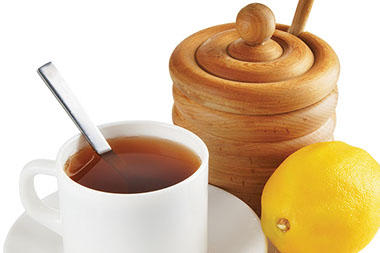
    Image of a cup of tea with honey and lemon.

    If that scratchy throat hurts when you swallow, you can try some simple home remedies, suggests the NIH News in Health.

    *  Drink hot tea with lemon or hot soup.

    *  Keep your throat moist with lozenges or hard candies (not for children age 5 and younger).

    *  Gargle with warm salt water.

    *  Cold liquids, ice chips, or popsicles can numb the pain. Throat sprays and over-the-counter pain relievers can help too.

    *  Use a humidifier or vaporizer, especially in the bedroom when sleeping, to keep air from getting too dry.

    But if your sore throat is severe, if you have a fever or swollen glands, you might have strep throat, a common bacterial infection. Contact your doctor.

    © American Institute for Preventive Medicine
  • Simple Steps To Prevent Diabetes

    MEDICAL NEWS

    Image of man with bicycle along the beach.

    The good news is that many cases of type 2 diabetes, which account for between 90 and 95% of all adult cases of the disease, can be prevented by leading a healthy lifestyle, according to the CDC. So whether you’re flirting with pre-diabetes or just want to lower your risk, the American Diabetes Association suggests eating a balanced diet and getting regular exercise.

    Follow these tips on how to fit healthy eating and exercise into your busy day.

    *Sneak some exercise into your day.Being physically fit can lower blood sugar, blood pressure, and cholesterol by helping insulin work better. All of these factors help reduce your risk for diabetes, heart disease, and stroke. Plus, being in shape helps you feel better both physically and mentally.

    *Add exercise to your daily routine.If you don’t currently exercise on a regular basis, start with small amounts of physical activity. For instance, take a brisk 15-minute walk in the morning. Have a walking meeting with co-workers instead of meeting in a conference room.

    *Make exercise fun.Any kind of physical activity is exercise. This includes doing yard work, dancing, or walking the dog. Choose a few activities you enjoy, and take steps to fit them into your schedule. Find a workout buddy to do a few laps around the neighborhood after dinner. Make bike riding or hiking regular family activities.

    *Choose foods with a low glycemic index.The glycemic index is a measure of the effects of carbohydrates on blood sugar levels. These foods include white pasta, cookies, and crackers. They are typically made with processed white flour. When we eat these foods, it causes a spike in blood sugar. Eating these foods also tends to result in weight gain since they are often high in calories. Plus, they are often high in sodium and not very nutritious. Most Americans eat foods with a high glycemic index.

    *Cut back on your sugar intake.If you eat a lot of sugar in your diet, try to reduce sugary foods and beverages. For example, instead of soda and juice, try seltzer or water. When the craving for a cookie or piece of cake hits, try a piece of fruit instead. Some studies have shown that the natural sugar in fruit can help decrease sugar cravings.

    *Incorporate more fresh fruits and vegetables into your diet.Eating more fruits and vegetables keeps your blood pressure stable and gives you much-needed nutrients and fiber. Plus, most fruits and vegetables are low in fat and calories.

    *Choose healthy snacks.Before having a high-sugar or high-fat snack, reach for a handful of nuts, some low-fat popcorn, or whole-wheat crackers. Keep healthy snacks on hand whether you are at home, at work or on the go.

    *Remember these tips when eating out.Think of your plate as a pie chart. You should fill up half of your plate with vegetables, a fourth with protein, and a fourth with a starch or carbohydrate.

    © American Institute for Preventive Medicine

  • Simple Ways To Get Better Sleep

    WELL-BEING

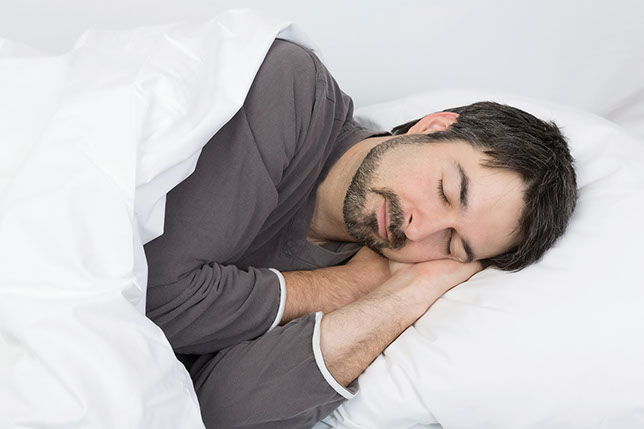
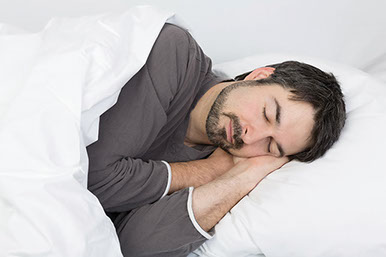
    Image of man sleeping.

    Lack of sleep can affect the body in many ways. Beyond just feeling tired, long-term sleep deprivation may be linked to health problems such as heart disease, obesity and depression. Try these tips to get better sleep each night:

    *Have a consistent schedule.Get up at the same time each morning and go to bed at the same time each night. This will help to set your body’s internal clock. Over time, you’ll fall asleep quicker and may sleep better throughout the night.

    *Skip screens.The light given off by smartphones, tablets and computers can actually keep you awake. Avoid electronics in the evening, at least 2 hours before bedtime.

    *Think about skipping naps.Although a nap may feel great when you’re tired, it could be causing more sleep problems. Napping can interfere with your sleep schedule and make you too alert at bedtime. If you have trouble falling asleep at night, skip the nap and get to bed a little sooner.

    *Get moving.Exercise during the day has been shown to improve sleep quality. Walking, jogging, or any activity you enjoy can be helpful. Don’t exercise within 2 hours of bedtime, though, if you have trouble falling asleep.

    *Be careful about caffeine.That afternoon cup of coffee could still be in your system at bedtime, making it difficult to fall asleep. Try to avoid soda, tea and coffee after lunch.

    *Don’t smoke.Nicotine interferes with sleep and harms your health in many other ways. If you need help quitting, talk to your doctor or visitsmokefree.govfor free help with quitting. It’s never too late to quit.

    *Don’t eat a big meal before bed.Heavy meals can interfere with sleep and make you restless. Eat dinner about 2 to 3 hours before bedtime. If you need a snack, make it small and light, such as yogurt and fruit or a handful of nuts.

    Source: National Sleep Foundation

    © American Institute for Preventive Medicine

  • Simple Ways To Lower Cholesterol

    SELF-CARE CORNER

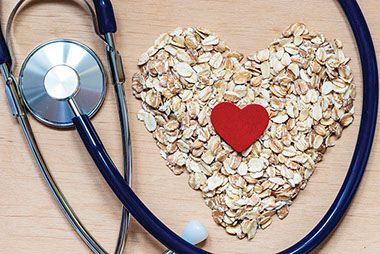
    Image of oats shaped in a heart.

    You can’t feel or see high cholesterol, but it’s nothing to brush aside. People with high cholesterol have twice the risk of heart disease as those who have normal levels. The Centers for Disease Control and Prevention says 1 out of 3 American adults has high cholesterol – and less than half of them get the treatment they need.

    A simple blood test, done at least every five years, can tell you if you have high cholesterol. If your levels are high, your doctor may put you on a cholesterol-lowering program. This may include medicine, but often includes changes you can make at home to be healthier.

    Lifestyle changes are an important way to lower high cholesterol and cut your risk of heart disease. Even if your cholesterol isn’t high, these changes can help you keep it at a healthy level. The American Academy of Family Physicians says people should:

    *Avoid smoking or quit if you do smoke.Smoking lowers your good cholesterol. Talk to your doctor if you need help quitting tobacco.

    *Work toward a healthy weight.Losing just a few pounds can lower bad cholesterol and triglycerides.

    *Get active.Exercise can raise HDL (good) cholesterol and lower LDL (bad) cholesterol and triglycerides. Try for 30 minutes of activity, 5 days per week.

    *Get more fiber in your diet.Soluble fiber, found in oats, legumes, and fruits and vegetables, may help lower cholesterol.

    *Eat healthy fats.Avoid saturated and trans fats found in many processed, fried and animal foods. Focus on healthy fats found in olive oil, fish, avocados, seeds and nuts.

    *Eat more vegetarian proteins.Beans, nuts, peas, soy and lentils are healthy proteins that don’t have the saturated fats found in most meat.

    *Limit foods with cholesterol.Healthy people should eat less than 300 milligrams of cholesterol per day. People with heart disease may need to eat less than 200 milligrams a day.

    *Ask about supplements.Some natural supplements can help lower cholesterol in addition to making healthy diet and exercise changes. These include:

    – Plant sterols and stanols

    – Omega-3 fatty acids (usually found in fish oil supplements)

    – Red yeast rice

    Always ask your doctor before taking any natural supplements, especially if you have health conditions or take any medicines.

    © American Institute for Preventive Medicine

  • Simple Workouts For Beginners

    BE FIT

    Image of young African American women with dumb bells.

    Anyone can exercise and enjoy its healthy perks! Here’s how to get started:

    *Check with your doctor first.If you haven’t exercised in the past or have health conditions, ask your doctor for tips before you start.

    *Get your arms and legs moving.This means you’ll get your heart pumping too. Choices include walking, running, swimming, biking or dancing.

    *Warm up for five to ten minutes.Try gentle stretches, and start at a slower pace for these few minutes.

    *Aim for 30-60 minutes of activity each time.Break it up into smaller amounts of time if needed. For instance, two 15-minute walks can be done instead of one 30-minute walk.

    *Don’t overdo it.If you don’t feel well, or you have pain or nausea, stop.

    *Try strength training.Working your muscles with weights, or at-home exercises like push-ups, squats, and sit-ups can help your bones and muscles stay strong. Ask a trainer at the gym or your doctor for help if you’re not sure what’s safe for you.

    *Cool down when you’re finished.Don’t stop exercising suddenly. Instead, slow down for the last five to ten minutes. Follow up with more stretching while your muscles are warm.

    Source: American Academy of Family Physicians

    © American Institute for Preventive Medicine
  • Single Parents: Strategies For Success

    FAMILY LIFE

    Image of father and young daughter.

    Being a single parent can be stressful. After all, raising a child is tough work! Without someone else to share the load, things may feel twice as hard.

    The U.S. Census Bureau says 11 million households with kids under age 18 have a single parent. These tips can help you and your children lead happy and healthy lives, together:

    *  Let your kids talk. Have a family meal or some time each day to talk with your kids. Ask them about school and activities. Young children may appreciate some quiet playtime with you or reading a book together. Let them talk about their feelings, both positive and negative ones.

    *  Get support. Family, friends and support groups can be very helpful for single parents. Talking to other adults is a great way to get helpful advice and lower your stress level.

    *  Don’t worry about buying “things” for your kids. Most kids just want time with their parent. Your attention is one of the best gifts you can give them.

    *  Find good child care. You may need some time for yourself, away from your kids. A reliable babysitter or daycare is a great way to give you a break from caring for your kids. Try a new hobby, take a walk, or go out with a friend when you get the chance.

    *  Keep a schedule. As much as possible, keep each day close to the same schedule. A consistent bedtime, wake time and meal times can help kids feel secure. Kids like routine because they know what happens next.

    *  Don’t turn to your kids for support. It can be hard when you feel like you need to talk to someone about your feelings. You may be tempted to say things to your kids about work stress or your former spouse or partner. Avoid this, as it adds stress and worry to a child’s mind. Try to keep it to yourself and “vent” to an adult friend instead.

    *  Work on discipline with your former spouse or partner. Having the same rules and parenting strategy is important if kids spend time at more than one house. Try to talk with your child’s other parent about ways you can work together to raise healthy and confident kids.

    *  Keep an eye on your mental well-being. If you are feeling helpless or hopeless, or if you have anxiety or panic attacks, talk to your doctor. Your mental health is an important part of taking on the stress of being a single parent.

    Source: American Academy of Pediatrics

    © American Institute for Preventive Medicine

  • Sitting May Harm Your Health

    BE FIT

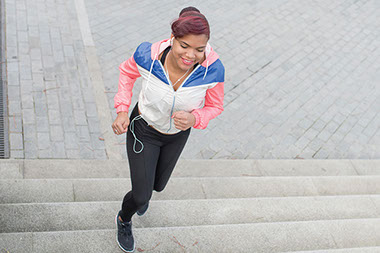
    Image of women climbing stairs for exercise.

    Exercise is great for mind and body. It can help reduce the risk of certain diseases, such as diabetes, heart disease, and some cancers. It can help prevent falls, strengthen muscles and bones, and even improve your mood.

    But even if you’re exercising regularly, there may be something else you need to do to improve your health: stop prolonged sitting. In fact, research suggests that people who spend too much time sitting, even if they exercise, may be harming their health. The American Academy of Family Physicians (AAFP) says frequent and regular sitting may increase the risk of certain diseases and even shorten a person’s lifespan.

    Today’s typical busy lifestyle means many people spend a lot of time in a chair. Whether it’s a long commute or a full day in front of a computer, all that sitting may be just as bad for your health as obesity.

    What you can do

    It’s not always easy to sit less if you have a job that requires it, or you spend a lot of time in the car every day. But there are some small changes that can help cut the time you spend sitting without taking too much time out of your day. The AAFP suggests:

    *  Take a quick break about every half hour during the day to stand or move around. The break can be as short as one to three minutes.

    *  Stand or do exercises while watching television.

    *  Start small and set yourself up for success. Try to reduce sitting by 15 minutes a day. Over time, increase your goal and aim to cut sitting time by two to three hours.

    © American Institute for Preventive Medicine