Author: AIPM

  • Skin Check

    SELF-CARE CORNER

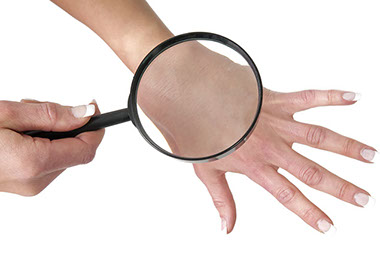
    Close-up image of a person checking to see if they have any skin moles on their hand.

    It is important to understand what will help prevent skin cancer and what might actually increase your risk, according to Caliber I.D., a company that makes diagnostic lab instruments.

    Fact: All skin types and ethnic groups can develop skin cancer. While it is true that Caucasians have a greater risk of skin-related cancer, everyone should protect their skin against the sun’s harmful rays.

    Although fair-skinned people can often easily see stage 1 melanoma (dark spots, changing or new moles) and other cancers, darker skin makes catching it in the early stages more unlikely. Also, darker-skinned people tend to develop a more lethal type of melanoma that develops on the soles of the feet, between the toes, and on the palms of the hands.

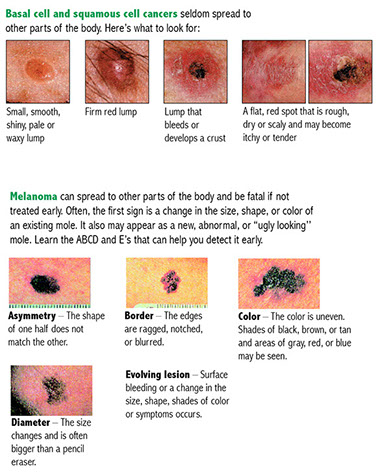
    Let your health care provider know if you have any of these signs.

    Chart showing the different types of skin cancers.

    © American Institute for Preventive Medicine

  • Skip The Resolution – Try This Instead

    WELL-BEING

    Close up image of feet running.

    Some statistics suggest that more than 90 percent of New Year’s resolutions fail. Many of us want to better ourselves in some way, and a new year may seem like a good place to start. But how can you set yourself up for success?

    Many New Year’s resolutions are simply too strict and difficult to follow. As a result, it’s easy to give up and go back to old habits before February even arrives. If you’re looking to be healthier, don’t worry about a resolution. Instead, follow these tips.

    Make small changes.

    Giving up chocolate or red meat may seem like a great idea. But when you try to do this in real life, it can be much harder than you thought. Instead of “eliminating,” try “limiting.” For instance, allow yourself one small piece of dark chocolate a day. Or, eat red meat only once a week. That way, you can have your occasional treat without “failing” your resolution.

    Look forward, not back.

    Many people give up on their health goal when they have a bad day or two. Perhaps you went to a party and ate a large slice of cake or you skipped exercise for a few days because you were too busy. Treat each day as a fresh start and forget yesterday’s slip-ups. Instead, look at what you can do today to get back to your goal.

    Make goals about better health, not weight loss.

    While losing weight is important for many people, it can be frustrating when the scale doesn’t move despite making healthy changes. Instead of looking at a number, add up your changes in small successes. You ate more vegetables than usual today. You walked for 30 minutes instead of watching TV. Feel proud about all the steps you make toward your goal.

    © American Institute for Preventive Medicine

  • Slash Your Cholesterol Levels

    SELF-CARE CORNER

    Illustration of a heart with a pop out illustration of a build up in an artery.

    Many people don’t really know what cholesterol is, or why it matters for your health.

    If your cholesterol levels are too high, you are at an increased risk of heart attack and stroke. This is because too much “bad” LDL cholesterol causes a hard buildup inside your arteries known as plaque. If this buildup breaks loose, it can block an artery to your brain or your heart.

    The good news is there are a number of ways to help lower your cholesterol to a healthy level. Your doctor can help you decide what you need. Medicines can help, but there are also natural ways you can slash your cholesterol. They include:

    *Don’t eat trans fats.Transfats are listed on food labels and are known to raise “bad” LDL cholesterol levels. They are found in processed foods such as doughnuts, cookies, biscuits, pies, crackers and margarines. Be sure to check the Nutrition Facts panel for trans fats and avoid them whenever possible.

    *Cut back on saturated fats.These are found in meat and dairy products. They are okay to eat in small amounts. The American Heart Association recommends up to 6 percent of your daily calories be from saturated fat.

    *Eat “good” fats. Some fats are good for your cholesterol.They include monounsaturated and polyunsaturated fats. These are found in plant foods and oils such as canola, olive, safflower and grapeseed oils. Avocado, seeds and nuts are also great sources. Fatty fish, such as salmon, also include heart-healthy fats known as omega-3s.

    *Eat colorful fruits and vegetables.Brightly colored berries, dark green spinach, orange sweet potatoes and more: colors are good for lowering cholesterol! Eat plenty of bright produce for a boost in cholesterol-lowering nutrients.

    *Cut back on sugar and refined grains.Sweets, white bread, and anything that contains added sugar should be limited. These foods don’t help your heart or your overall health.

    Sources: American Heart Association; Harvard Medical School

    When to check your cholesterol

    Your cholesterol can be checked with a simple blood test. High cholesterol has no symptoms, so you won’t know you have it unless you get checked. The American Heart Association says adults age 20 and older should have their cholesterol checked every four to six years. Some people may need it checked more often. See your doctor for regular checkups to discuss your cholesterol and other heart disease risk factors.

    © American Institute for Preventive Medicine

  • Sleep, But How?

    MEDICAL NEWS

    Image of man awake in bed.

    “We know that how much you sleep and the quality of your sleep can have a tremendous impact on your overall health,” said Dr. David J. Earnest, professor at the Texas A&M Health Science Center College of Medicine, who studies circadian rhythms-the human body’s master clock.

    “We’re starting to recognize that sleep deprivation and disorders are more prevalent than any other health disorder that affects Americans,” he said.

    If you feel like there’s a deeper cause to your sleep woes, you may be like 1 in 10 Americans who suffer from insomnia or other sleep disorders, including these:

    Delayed Sleep Phase Disorder (DSPD)-a tendency to go to bed later (around 2 or 4 in the morning) and to sleep until the early afternoon. This kind of disorder can interfere with a normal work or school schedule.

    Advanced Sleep Phase Disorder (ASPD)-the tendency to go to bed earlier (6 or 8 in the evening) and to wake earlier than most people (around 3 or 5 in the morning). While this kind of disorder doesn’t typically interfere with a normal work or school schedule, it can pose a challenge for social activities or events that occur later in the evening.

    Non-24-Hour Sleep-Wake Syndrome-a circadian rhythm that is 25 hours or longer, which leads to sleep and wake times becoming gradually later.

    Jet Lag-one of the most common and usually occasional sleep disorders that occurs when your internal clock is out of synch with a new time zone. After traveling to a new time zone, you may find it difficult to fall and stay asleep during suitable times.

    Shift Work-with constantly changing shifts, it can be difficult for workers to adjust to their new sleep schedules. Shift work has been linked with a higher risk of developing metabolic or cardiovascular diseases.

    Sleep Apnea-breathing temporarily stops due to a blockage of the upper airways during sleep. Most people with sleep apnea do not know that they have it. Symptoms include daytime sleepiness, irritability, depression, and fatigue the next day, because their sleep lacks quality.

    Narcolepsy-extreme sleepiness during the day, usually resulting in suddenly falling asleep. It’s caused by a dysfunction in the brain mechanism that controls sleeping and waking.

    Restless Leg Syndrome (RLS)-itching, tingling, or burning in the lower legs, that makes it difficult to get comfortable and fall asleep.

    If you think you might have a sleep disorder, discuss your symptoms with your doctor or a sleep specialist.
    © American Institute for Preventive Medicine

  • Sleep-Wake Cycle Needs To Be Consistent

    WELL-BEING

    Image of vintage yellow clock.

    Sleeping late now and then may feel like a luxury. But an inconsistent sleep schedule can throw off your body’s sleep and waking pattern, or circadian rhythm, according to sleep specialists writing in the Harvard Health Letter. Inconsistent cycles can lead to sleepless nights.

    To get sleep and waking patterns back on track, talk to a sleep expert. The first step is a physical exam to rule out underlying health conditions that may cause insomnia. If no underlying cause is found, try a sleep journal. Each morning, write down the wake time, the bedtime from the night before, how long it took to fall asleep, and whether there was any waking in the night-and if so, how many times. After two weeks, a pattern will emerge. It can help pinpoint any changes that need to be made.

    The wake time is most important to getting on a schedule again because it anchors the circadian sleep rhythm. Use an alarm clock to stick to the schedule. Make bedtime about seven or eight hours before the alarm will sound.

    It also helps to make a wind-down period part of the bedtime routine. That means stopping the use of all electronics an hour and a half before bed, keeping the lights low, and doing a relaxing activity such as reading.

    Filling the day with more structure will also reinforce the circadian rhythm. Keep a regular schedule for work, meals, exercise, and activities such as grocery shopping, socializing, or housework.

    © American Institute for Preventive Medicine

  • Small Changes Your Heart Will Love

    MEDICAL NEWS

    Image of a basket filled with fruits and vegetables.

    You may know the basics of heart health that include a healthy diet, exercise, healthy weight, and avoiding tobacco. But, don’t let these major goals overwhelm you. Instead, take small steps each day that add up to big heart-healthy benefits.

    Say bye-bye to beige and eat the rainbow.

    Look at your plate’s color before you eat a meal. If it’s mostly browns, such as breads, pasta and meat, see if you can brighten it up with fruits and vegetables. Leafy greens, yellow peppers, carrots, blueberries and strawberries are just a few of the brightly colored foods that are great for your heart.

    Cut back on sodium when you can.

    If you’ve been eating salt for years, it can be hard to cut it out completely. But you may not taste the difference if you gradually replace some of the salt in your diet with herbs and spices without sodium. Cutting back on sodium can reduce your risk of heart attack, heart failure, and stroke. Many processed foods already contain high amounts of sodium, and adding salt to food greatly increases sodium intake for many people.

    Walk, if you can’t run.

    For many people, jogging, running, or other high-intensity workouts aren’t possible. Fortunately, you don’t have to choose a tough workout to get heart benefits. Start walking just a few minutes a day. Increase the amount of time you walk when you can until you are walking 30 minutes a day most days of the week. Brisk walking can be just as beneficial to your heart as running.

    If you use tobacco, keep trying to quit.

    Quitting tobacco is hard, and many people struggle to succeed. You may have strong urges to use tobacco or you may slip up and start again after you’ve quit. When this happens, be patient with yourself. Understand that many people have to quit several times before they’ve quit for good. When you quit, your heart – and your entire body – will start to heal. You’ll reduce your risk of heart disease, lung cancer, and many other serious diseases. Talk with your health care provider about prescription medication or nicotine replacement therapy.  Many of these treatments are now covered by insurance.

    Source: American Heart Association

    © American Institute for Preventive Medicine

  • Smart Recipe Swaps

    HEALTHY EATING

    Image of women cooking.

    You can reduce fat and calories without sacrificing taste by swapping out a few ingredients in your favorite recipes, according to the University of Nebraska-Lincoln Extension experts.

    *  Use two egg whites in place of one egg to reduce cholesterol.

    *  Use low-sodium, fat-free chicken broth in your mashed potatoes to add flavor and cut back on added butter or margarine.

    *  Substitute applesauce for oil, margarine, or butter in muffins and quick breads such as banana bread. Try substituting a small amount at first, as the more you substitute, the more the texture of the finished product changes.

    *  For dips, sauces and pie toppings, use fat-free yogurt, sour cream and whipped topping.

    *  Sliced almonds make a delicious, crunchy topping in place of fried onion rings.

    *  Choose reduced-fat or low-fat cheeses for salads and casseroles.

    © American Institute for Preventive Medicine

  • Smart Ways To Avoid Cybercrime

    FINANCIAL HEALTH

    Close up image of hands typing on laptop.

    Cybercrime is a growing problem as we rely on computers and the Internet more than ever before. Many people regularly shop online, send personal information, and even control appliances or household security over the Internet.

    Though this offers convenience, it’s important to take steps to keep your information and your family safe from cybercrime. Cybercrime happens every day with hackers stealing bank information, using computers to attack others, or erasing important online information.

    The U.S Department of Homeland Security recommends:

    *  Only use the Internet on a network that is password protected. Free or open networks may leave you vulnerable.

    *  Do not send personal information, such as your social security number or bank information, over the Internet. Companies will not ask you to send information this way.

    *  Do not open or respond to emails from people you don’t recognize and never click on the links inside the email.

    *  Use long, hard-to-guess passwords for all your devices and email accounts. Change your passwords regularly.

    *  Consider scaling back your social media sharing. Tighten privacy settings so only people you know well can see your activity.

    *  If you see an email or online offer that seems too good to be true, it’s probably a scam.

    © American Institute for Preventive Medicine

  • Smartphone Break Aids Well-Being

    WELL-BEING

    Image of a smart phone.

    Want to be more productive and happier during the workday? Try taking a short break to text a friend, play Angry Birds, or check Facebook on your smartphone, according to Kansas State University research.

    Allowing employees to take smartphone microbreaks may be a benefit-rather than a disruption-for businesses. Microbreaks are nonworking-related behaviors during working hours.

    “A smartphone microbreak can be beneficial for both the employee and the organization,” said the lead researcher. “For example, if I would play a game for an hour during my working hours, it would definitely hurt my work performance. But if I take short breaks of one or two minutes throughout the day, it could provide me with refreshment to do my job.”

    Taking a break throughout the workday is important because it is difficult, and nearly impossible, for an employee to concentrate for 8 straight hours a day without a break, was the thinking. So the smartphone microbreaks were thought to be similar to other microbreaks throughout the workday: chatting with coworkers, walking around the hallway, or getting a cup of coffee. Such breaks are important because they can help employees cope with the demands of the workplace.

    © American Institute for Preventive Medicine

  • Smoking And Pregnancy

    MEDICAL NEWS

    Image of pregnant women breaking a cigarette in half.

    According to researchers at the Moffitt Cancer Center in Tampa, nearly 50% of pregnant women who smoke will quit during their pregnancies, but more than half of those will start smoking again after they give birth.

    Not only is smoking harmful for new mothers, but their babies could also be exposed to dangerous secondhand smoke or thirdhand smoke which is left on clothing, furniture, curtains and there surfaces.

    © American Institute for Preventive Medicine