Author: AIPM

  • State Fair Food. How Unhealthy?

    HEALTHY EATING

    Image of state fair food booths.

    State fair food booths are famous for deep-frying most anything-even butter. It’s not unusual for a single serving to hit 500 or even 1,000 calories, with dozens of grams of fat.

    As unlikely as it may sound, it is possible to get a taste of a state fair without overindulging, says Dr. Donald Hensrud, a Mayo Clinic specialist in nutrition and preventive medicine.

    *  Give yourself a good start and eat something healthy before you go. Have some fruit to start the day or a salad before you go in the afternoon.

    *  Work off the extra calories through walking, which is easy to do at the fair.

    *  Burn off extra calories by getting in an extra workout or two, before or after the fair.

    *  Decide ahead of time how much and what you’ll indulge in. If you have a plan, you’re less likely to overeat. Turkey legs on the midway or dairy barn homemade ice cream? Pick one and plan ahead.

    *  Split portions with family or friends. This will not only help decrease calorie intake, but also lets you enjoy more tastes and may help to save money.

    *  Drink plenty of water to stay hydrated and aid the digestive process. Stay away from non-diet soda. It’s loaded with calories and sugar and has no nutritional benefit. Drink water instead.

    *  Don’t panic if you overindulge. Return to your normal eating routine the next day.

    © American Institute for Preventive Medicine

  • Stay Healthy When Swimming

    WELL-BEING

    Image of beach ball in swimming pool.

    Did you know you can get sick from swimming? Whether it’s a pool, hot tub, water park, fountain, lake, river or ocean, some water can have germs or chemicals in it that cause recreational water illness (RWI). And, the number of RWI outbreaks have increased steadily in the last 30 years.

    RWIs can ruin summer fun

    RWIs most often cause diarrhea, but they can make you sick in other ways too. They can also cause nausea and vomiting, skin rashes, and infections of the eyes, ears, skin and respiratory system.

    Most healthy people will recover from RWIs, but they can be dangerous to pregnant women, young children, and people with weakened immune systems.

    Healthy swimming guidelines

    Many times, the water may look clean and safe when it contains dangerous germs or unsafe chemicals. Though proper chlorine levels are important, some germs are not killed by chlorine. Some water may be treated with too much chlorine or an improper balance that can make people sick. So what can you do to enjoy the water this summer and stay healthy?

    *  Don’t swim when you have diarrhea or you’ve been vomiting. Even a tiny, invisible amount of germs can get in the water and make others sick.

    *  Never get swimming water in your mouth. Keep your mouth closed when underwater.

    *  Shower with soap before you swim and wash your hands after using the toilet or changing diapers. Have your children wash their hands as well.

    *  Don’t allow kids to play in fountains that haven’t been treated with chlorine.

    *  Stop swimming at least once every hour for bathroom breaks and/or diaper changes. Use swim diapers on kids who aren’t potty trained. Many kids will have “accidents” in the water if they don’t get out to use the bathroom.

    *  Don’t change diapers near the swimming area. Do it in a bathroom or away from the water.

    *  If you own a pool, check chlorine levels regularly. Use pool test strips to check for proper pH levels and chemical balances.

    *  Ask to see the last pool inspection report before swimming in a public pool or water park.

    The germ that survives chlorine

    Cryptosporidium, commonly called crypto, is a bacteria that can be spread in swimming water. Chlorine won’t kill crypto, and people with weakened immune systems can get very sick from it. It can cause severe watery diarrhea and is a leading cause of RWIs. To avoid getting or spreading crypto, follow the healthy swimming guidelines on this page. It is not killed by hand sanitizer, so washing hands with soap and water is critical.

    © American Institute for Preventive Medicine

  • Stay In The Game

    SELF-CARE CORNER

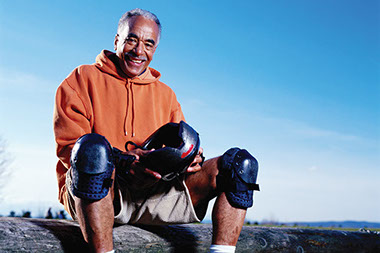
    Image of older man wearing knee pads while holding a helmet.

    Although many athletes understand the importance of keeping their muscles and bones healthy, it’s also important for them to take care of their skin. Sports equipment, especially protective helmets and pads, creates a warm, moist and dark environment for the germs that can cause skin infections to grow.

    “Athletes are at an increased risk of skin infection, which can have serious consequences and may take them-and their teammates-out of the game for days, weeks or months,” said dermatologist Jeffrey V. Benabio. “If athletes notice anything on their skin that itches, burns or may be infected, they should see a board-certified dermatologist or sports medicine doctor.”

    To help prevent skin infections, Dr. Benabio recommends that coaches, athletes, and athletic trainers follow these tips:

    *  Keep cuts and scrapes clean and covered with a bandage until healed. A cut or scrape weakens the skin’s defense and allows germs that cause infections to enter.

    *  Prevent blisters to reduce infections. Apply a pad, gel or spray to areas that routinely blister. To help prevent blisters on the feet, ankles and hands, consider using specialized gloves and socks or wearing two pairs of socks. Athletes should also make sure that their footwear fits properly.

    *  Wear moisture-wicking clothes. This helps keep the athlete’s skin dry and prevents germs from growing.

    *  Wear sandals in the locker room. Wearing sandals or other shoes helps reduce infections on the feet.

    *  Shower after every practice and game. In addition, athletes should use an antimicrobial soap and wash their entire body.

    *  Do not share personal care items. Athletes should always use a clean towel after showering and use their own towels, soaps, razors and other personal care items.

    *  Wash clothes and towels after each use. Sports bags should also be washed, as germs that cause infections can remain in the bags and grow.

    *  Disinfect equipment, including protective gear, daily. For proper disinfection, follow the manufacturers’ instructions.

    *  Perform regular skin checks. Athletes should check their skin daily, especially those in high-risk sports, such as wrestling. Look for any changes, such as cuts, sores, redness, swelling and pus, and report any changes to an athletic trainer or doctor.

    © American Institute for Preventive Medicine
  • Stay Safe When Holiday Shopping

    FINANCIAL HEALTH

    Image of female on laptop with credit card in hand.

    The holidays are often a time for celebrations, get-togethers, and lots of shopping for gifts. Unfortunately, theft can happen any time of year, including during the holiday season. To keep yourself and loved ones safe when holiday shopping, consider these tips from the National Crime Prevention Council (NCPC):

    At malls and stores:

    *  To keep your money safe, carry your purse close to your body. Wallets are better kept in a front pocket, where they are harder to pickpocket.

    *  Have your keys ready when walking to your vehicle. Glance at the back seat and be aware of your surroundings before getting in.

    *  Don’t leave packages or valuables in your car where they can be seen. Take them home immediately, if possible, or keep them in the trunk.

    *  When shopping with children, teach them to go to a meeting place in case you get separated. Talk to them about finding store security guards or employees to help, if needed.

    When online shopping:

    *  Be sure you update anti-virus and anti-spyware software on your computer. Visitwww.bytecrime.org.

    *  Never give out your password or credit card information in response to emails. Valid companies will never ask for this type of information.

    *  Make sure the website is secure: look for a locked padlock at the bottom of the screen or “https” in the address at the top.

    *  Use secure payment methods, such as PayPal or Apple Pay, whenever possible. If using a credit card, check your transactions regularly and alert your bank if you notice anything suspicious.

    *  Check reviews of online stores to ensure the company is credible.

    Warm-up thefts are in season

    During the winter months, many people start their cars and let them warm up while they wait inside. This can be a prime opportunity for someone to steal your vehicle or items inside it, according to the NCPC. Here’s how to avoid these situations:

    *  Never leave your car running or keys in the ignition if you’re not in it, even for a minute.

    *  Always keep your car locked, and use anti-theft or alarm devices if you have them.

    *  Keep valuables out of sight (and preferably out of your car), such as phones, purses and electronics.

    © American Institute for Preventive Medicine

  • Stay Warm, Save Money

    FINANCIAL HEALTH

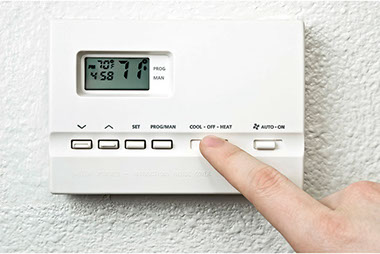
    Image of thermostat being set at 71 degrees.

    When temperatures drop, energy bills are higher. Duke Energy offers some simple energy (and money) saving tips:

    *  Check your heating system’s ductwork to ensure that it is well insulated and completely covered. Ductwork should be properly sealed and not allowed to hang loose under the house.

    *  Keep your thermostat at a comfortable setting. If you are going to be away for several days, turn the thermostat to a lower setting, but not off.

    *  Have your heating or cooling system checked each season by a qualified technician to make sure it is operating properly. Heating and cooling account for at least half of your energy bill.

    *  Check insulation, seal cracks, and weather-strips between heated and unheated areas such as garages, basements, and attics.

    *  If you have a window air conditioning unit, remove it for the winter months to prevent heat from escaping through and around the unit. If it cannot be moved, cover it to prevent drafts.

    *  Always make sure the fireplace damper seals tightly and remains closed except when a fire is burning or smoldering in the fireplace.

    *  Insulate your water heater with at least R-6 insulation. The water heater is the second-largest energy user in your home. You can save enough money in energy bills to pay back the cost of materials within months and then keep on saving.

    *  Ceiling fans help keep you comfortable in the summer and winter. Reversing the direction of the blades pushes warm air down into the room. Fans should turn counter-clockwise in the summer and clockwise in the winter.

    *  On sunny days, leave the draperies open to allow the sun’s rays to warm your house.

    © American Institute for Preventive Medicine

  • Staying Active When School’s Out

    BE FIT

    Image of little girl playing tennis.

    When summer arrives, kids often want to spend time in front of the TV or on their computer and digital devices. But, exercise is important year-round. In fact, most kids need at least an hour of vigorous exercise each day. How can you get your kids to exercise during the summer?

    *  Get them together with friends. Older kids may enjoy a bike ride or walking the dog if they have a buddy alongside them. When friends come over, make all screens off-limits.

    *  Find summer camps. If your child likes a sport, many programs offer camps that give them social time as well as exercise. Also, there may be programs for dance, gymnastics, swimming and other activities.

    *  Talk to your sitter about rules. If you have a babysitter during the summer, make your screen-time limits clear. Have the babysitter take them outside or to the local park, if possible. Choose a sitter who is willing to play with them outside and encourage them to be active.

    Source: U.S. National Library of Medicine

    Why kids need exercise

    Kids of all sizes, shapes and ages need exercise every day. Exercise helps kids:

    *  Learn and grow in school

    *  Build healthy bones, muscles and joints

    *  Get better sleep, which is important for their overall health and mental well-being

    *  Develop a healthy habit that is important throughout life

    *  Feel more confident and happier

    *  Deal with stress

    If your child isn’t active, it’s never too late to start. Find an activity they like and help them get moving.

    © American Institute for Preventive Medicine

  • Staying Active With A Disability

    BE FIT

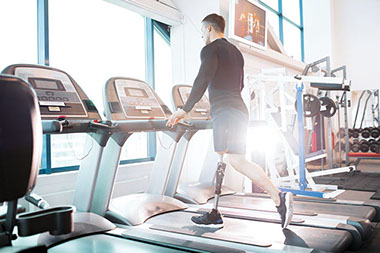
    Image of disabled man on treadmill.

    Most of us know that exercise is great for our health. But, if you or someone in your family has a disability, exercise can feel like a difficult task. Not only do you have to find time and energy to do it, but you need to worry about accessibility, too.

    Make sure your doctor gives you the okay before you begin any exercise program.

    It can be frustrating when your favorite activity doesn’t seem to work for you. But, some extra research may be worth the effort. These tips can help you get started:

    *  Check into races. There are many 5K, 10K and longer races that are accessible to people with many types of disabilities. And, many of them raise money for charitable causes. This may also help motivate your family to get out and train for a race and have fun together. Be sure to ask in advance about accessibility to be sure it will work for you.

    *  Get outside and do what you love. Have outside time a few times a week. This can be as simple as throwing a ball in the yard, going to an accessible playground, gardening or playing with the hose or sprinkler on a hot day.

    *  Ditch the car for short trips. If you live near a town, consider walking to the store for an errand. If this isn’t realistic, get some miles in at a mall or shopping center. Park at one end and visit the shops all the way at the other end.

    *  Modify your sports. Many sports can be fun and challenging with some minor changes. Walking instead of running for soccer, using a larger or softer ball for volleyball, or omitting the net in tennis may make the game work for you.

    *  Try low impact activities. Joining an aquatic exercise program or using rowing machines are two great activities for those who have joint limitations.

    Activities for people with disabilities

    Check with the following organizations to see who offers adaptive programs and activities:

    *  Your city or county recreation department

    *  Local YMCA or YWCA

    *  Boy Scouts or Girl Scouts councils

    *  Nearby high schools, colleges and universities

    *  Chamber of Commerce

    *  Center for Independent Living (CIL)

    *  National and State parks (many have paved hiking trails)

    Finally, talk with your doctor or health care provider about your desire to get active. They may have resources to help you get started. Join support groups with people who have disabilities like yours and use the power of community to find out about fun and active things you can do.

    Sources: The National Center on Health, Physical Activity and Disability (NCHPAD), U.S. Department of Health and Human Services

    © American Institute for Preventive Medicine

  • Stepping Into The Stepparent Role

    FAMILY LIFE

    Image of husband and wife and two children.

    Stepfamilies face unique challenges and situations, especially when the family is newly blended. If you’re just getting to know your new stepfamily, it may take some time for everyone to feel comfortable with the new situation, says the National Stepfamily Resource Center. The organization offers this advice for new stepparents:

    *Understand that bonding takes time.Children of any age may need to get used to their new family. Try not to get discouraged if things don’t go smoothly right away.

    *Communication is key.All families need good communication. This means listening to each other and addressing problems and arguments calmly and directly.

    *Show interest in your stepchildren.Attend their activities, listen to their opinions, and ask them specific questions about their day. Try new family activities together such as walks in the park, bike rides, or something everyone will enjoy.

    *Use compromise to solve problems.Don’t use a “my way or the highway” approach, or the stepchild may become distant or show difficult behavior.

    *See a family counselor or therapistif you need extra help.

    © American Institute for Preventive Medicine

  • Still No Flu Shot? It’s Not Too Late

    SELF-CARE CORNER

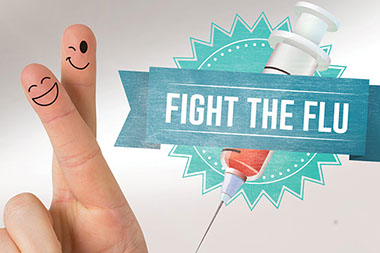
    Image of fingers crossed with smiling faces drawn in them.

    The flu causes hundreds of thousands of hospitalizations and thousands of deaths each year, according to the Centers for Disease Control and Prevention (CDC). It’s a serious disease that is especially dangerous for babies, the elderly and those with health conditions, such as heart disease.

    Get your flu shot if you haven’t done so yet. You may be wondering if getting a shot now will be helpful, and the answer is “yes!” Here’s why:

    *  Getting the shot now means you could be protected before the peak of the holiday season. It takes about 2 weeks to get the full immunity from a flu shot.

    *  Flu season usually continues until March or even April of each year. Getting the shot now means months of protection!

    *  As long as the flu keeps spreading, the flu shot can keep you from getting sick.

    *  If you do get sick, your illness will probably be much milder.

    *  No one likes to have a fever, chills, cough, headache, sore throat, body aches, nausea or vomiting. Getting the flu shot now means you reduce your risk of getting all these symptoms from the flu this season. The flu is much more serious than a cold.

    Top flu shot myths busted

    Many people have heard myths about the flu shot and may wonder if it’s safe and effective. Check out these common misconceptions and the truth about the flu shot:

    Myth: You can get sick from the flu shot.

    Fact:The flu shot cannot make you sick with the flu. It contains inactivated (killed) viruses. Some people have mild side effects that last only a day or so that include aches, soreness and a low fever. These side effects are much shorter and milder than getting the flu.

    Myth: I got the flu shot last year, so I don’t need a new one.

    Fact:The flu shot changes each year based on what flu viruses are going around. Experts choose several viruses that are most likely to make people sick and include them in the vaccine. Last year’s vaccine may not offer protection against this year’s viruses.

    Myth: It’s better to just get the flu and get immunity that way.

    Fact:While most healthy people will recover from the flu without problems, this is a dangerous risk to take. Anyone who gets the flu can be at risk of having serious problems. And, there is a high risk of spreading it to loved ones, especially babies, the elderly and people with weakened immune systems.

    © American Institute for Preventive Medicine

  • Stis And Infertility:Get The Facts

    MEDICAL NEWS

    Image of couple looking out a window.

    Millions of people in the U.S. contract sexually transmitted infections (STIs) each year. In fact, the CDC reports that in 2014, a staggering 2.86 million new cases of chlamydia and 820,000 cases of gonorrhea were reported.

    Many of these cases occurred in teenagers or young adults. In addition, thousands of people have chlamydia or gonorrhea and don’t know it. If these diseases go untreated, a woman can get pelvic inflammatory disease (PID). This is an infection in a woman’s reproductive organs that can become serious. Not only can it cause pain, fever, bleeding, and other issues, but women with PID may not be able to get pregnant.

    Fortunately, PID can be treated with antibiotics if caught early. But waiting too long to get treatment can lead to permanent damage.

    All sexually active men and women should talk to their doctors about their risk for STIs, and get tested and treated for these infections as needed.

    Early treatment for STIs could save your fertility and your health.

    © American Institute for Preventive Medicine