Author: AIPM

  • Stop The Spending Cycle

    WELL-BEING

    Image of colorful shopping bags.

    Going overboard on one shopping trip, especially around the holidays, does not mean you have a shopping addiction. It’s normal to overdo it once in a while. And, everyone buys things that aren’t truly needed at times.

    But, if you think you or a loved one might have a shopping addiction, there is help. Often times, a shopping addiction is the result of another health issue like depression. Talk with your doctor about your feelings and symptoms. Antidepressants or other medications may be helpful.

    Or, you may wish to talk with a counselor about things that are bothering you. Sometimes, emotional burdens or troubles can make you look for happiness in things like shopping. If you are able to deal with those problems, you may not feel the need to shop as much.

    There are also support groups for people with a variety of addictions. Debtors Anonymous can help people who have gone into debt from too much spending.

    Don’t be afraid to seek help. The sooner you can address the problem, the sooner you can get your life back on track.

    © American Institute for Preventive Medicine

  • Stop! Thief

    FINANCIAL HEALTH

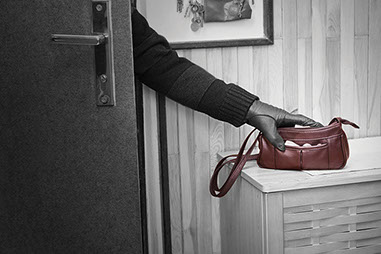
    Image of arm sneaking in from a door grabbing a purse on the counter.

    When your purse or wallet is lost or stolen, do you know the 8 steps you need to take right away because the thief is already cashing in on your loss? Act fast, advises the Federal Trade Commission:

    1. File a report with the police immediately. Get a copy in case your bank, credit card company, or insurance  company needs proof of the crime.

    2. Report the loss to your bank. Cancel checking and savings accounts. Open new ones, and stop payments on outstanding checks. Cancel each credit and charge card. Get new cards with new account numbers. Get a new ATM card, account number, and PIN or password.

    3. Call your utility companies. Tell them that someone may try  to get new service using your identification.

    4. Report your missing driver’s license to the department of  motor vehicles.

    5. Report missing cards to the major credit reporting agencies and place a fraud alert on your accounts: Equifax: 1-800-525-6285, Experian: 1-888-397-3742, TransUnion: 1-800-680-7289.

    6. Change the locks on your home and car if the keys were taken.

    7. Contact the Social Security Administration.    Call: 1-800-772-1213.

    8. Contact your insurance companies. Make sure no one tries to add someone to your policies.

    © American Institute for Preventive Medicine

  • Store Picnic Food Safely

    HEALTHY EATING

    Image of teens at the beach with a cooler.

    A picnic in the park can be great fun for everyone, but it’s important to assure your food arrives safely along with your family and guests. Follow smart food packing guidelines, say the experts at the Institute of Food Technologists. Keep meats, including lunch meats and raw meats, cheeses, and condiments cold in insulated, soft-sided bags or coolers with freezer gel packs.

    Food needs to be stored at 40ºF or colder to reduce the risk of germ growth, so limit the number of times you open the cooler. Never allow food to sit for more than 2 hours at temperatures below 90ºF, and no more than an hour when temperatures exceed 90ºF outside. Throw away food that’s been sitting out too long.

    Securely package raw meat, seafood and poultry to ensure the juices don’t contaminate other foods. Pack only the amount of perishable food that you think will be eaten. Beverages and perishable foods should travel in separate containers and coolers, especially if you’ll be transporting raw meat.

    When it’s time to go home, don’t reuse packaging material that has contacted raw meats or meat juices. Make sure perishable leftovers stay cold on the trip home. Avoid taking home uncooked leftovers.

    © American Institute for Preventive Medicine

  • Stranded In A Storm?

    WELL-BEING

    Image of young women looking out the car window.

    Whether you’re stuck in your car or at home or elsewhere, know how to extend your cell phone’s battery life, advises the Auto Club Group.

    In an emergency, do this:

    *  Turn the phone off. Only turn it on when you are expecting or making a call.

    *  If you’re in an area with no reception, turn off the phone to prevent it from constantly searching for service. Even with automatic power-save features, this function can take up to 30 minutes and it is depleting your battery.

    *  Limit use of the vibrate function on your phone. Use a ring tone because it uses less of the battery’s power.

    *  Don’t use extra features such as the Internet, WiFi, GPS, a camera, and a hands-free device.

    © American Institute for Preventive Medicine

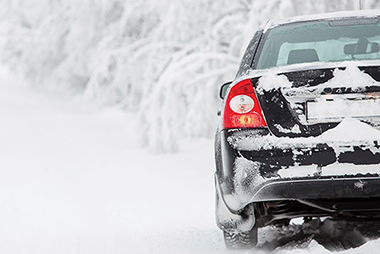
  • Stranded In Your Car During A Winter Storm?

    WELL-BEING

    Image of an older Asian couple stretching.

    A fast-moving winter storm could strand you in your car. The cold can lead to hypothermia and frostbite until you’re rescued.

    A charged cell phone can be your lifeline for first responders, but until help arrives, Amica Insurance with advice from the National Oceanic and Atmospheric Administration offers these tips to help keep you safe if you’re stuck in a winter storm:

    *  Always stay in your vehicle. You will become disoriented quickly in wind-driven snow and cold temperatures.

    *  Run the engine for about 10 minutes every hour to provide heat. However, be sure to slightly open a window to avoid carbon monoxide poisoning.

    *  Turn on the dome light at night when running the engine.

    *  After the snow stops, open the hood of your vehicle to indicate that you need assistance.

    *  Tie a colored cloth – preferably red – to your door or antenna.

    *  Be sure to move your arms, legs, fingers and toes to keep blood circulating.

    © American Institute for Preventive Medicine

  • Stress At The College Level

    SUCCESS OVER STRESS

    Image of stressed college student reading a text book.

    The American College Health Association says that 30 percent of college students feel that stress hurts their academic success. Difficult classes, important exams, internships and jobs, and social events are just a few of the issues that can cause stress for young adults. Georgetown University offers these tips for stressed out students:

    *  Avoid alcohol, smoking, and other substances. They harm the body and make you feel worse in the long-term.

    *  Rely on your friends for support or take advantage of counseling services on campus.

    *  Minimize caffeine intake and make sleep a priority. Most college students need eight hours or more per night. Stick to a regular sleep schedule.

    *  Write in a journal.

    *  Find time for fun activities, such as exercise classes or campus events.

    © American Institute for Preventive Medicine

  • Stress Eating – Spot It And Stop It

    SUCCESS OVER STRESS

    Image of cereal bowl with berries with the words stress spelled out.

    Stress eating, also called emotional eating, happens when a person eats in response to stress or emotions. Stress eating isn’t cued by actual hunger – and the behavior can lead to overeating, consuming junk food, and over time, weight gain.

    Hunger and stress are linked. Some studies show that stress hormones can cause the body to crave certain foods. And sometimes it can be difficult to know whether you’re stress eating or actually hungry. How do you tell the difference – and what should you do when you want to turn to stress eating?

    Signs of hunger

    First, it’s important to be in tune with the body’s hunger cues. If you see signs of hunger, it may be time for a meal or snack. Consider the following:

    *When did you last eat?If it’s been three hours or more, you’re probably hungry.

    *Is your stomach grumbling?This is often a sign that your body is looking for food.

    *How do you feel emotionally?Are you stressed out or anxious at the moment? If so, you may be looking for food to help calm your feelings.

    *Could you eat nearly anything right now?With stress eating, a person will often crave a specific food, such as ice cream or chips. If you feel like you could eat a salad or an apple, you may be actually hungry.

    *Do you have a headache, nausea or weakness?These may be signs that you waited too long to eat.

    How to curb stress eating

    Perhaps you’ve found that you do eat more during times of stress and you want to stop. Try these tips:

    *Drink a glass of water.Dehydration can often be mistaken for hunger, and it may help take the edge off.

    *Go for a walk or exercise.This relieves stress and can help take your mind off of food.

    *Call a friend.If something is bothering you, try to talk to someone you trust.

    *Try deep breathing, yoga or meditation.If you can, sit down and take deep breaths in through the nose and out through the mouth when you feel stressed. This has a calming effect and may help you overcome the craving. To help manage everyday stress, consider taking a yoga or meditation class.

    Over time, you may find it gets easier to avoid stress eating. Each time you deal with stress without food, be proud of your accomplishment!

    © American Institute for Preventive Medicine

  • Is Stress Hurting Your Teeth?

    SUCCESS OVER STRESS

    Image of male dentist.

    It’s no secret that high stress levels can harm your health. The American Psychological Association says ongoing stress can increase your risk of heart disease and depression. Stress may be hurting your teeth as well, if it causes you to grind your teeth.

    Dentists refer to teeth grinding as bruxism. Many people grind their teeth during sleep, but it can also occur during the day. It’s often not done consciously, so you may not know you’re doing it at all. But the long-term effects on your dental health can be painful.

    People who grind their teeth may end up with temporomandibular disorder, or TMD. Symptoms of TMD include:

    *  Difficulty opening your jaw wide

    *  Pain when chewing

    *  Clicking or popping noises when you open your mouth wide

    *  Headaches, neck pain, or jaw pain

    If you’re having any of these symptoms, be sure to talk with your doctor or dentist. You may need an exam and some tests done. If you are grinding your teeth, there are some fairly simple ways to treat the problem. Some of the most common treatments include:

    *  Stress management, such as relaxation techniques, regular exercise, and getting enough sleep. The American Academy of Orofacial Pain says this is one of the best ways to help alleviate grinding.

    *  Anti-inflammatory medications or moist heat therapy for relief. This can help with pain and reduce swelling.

    *  A special mouth guard you can wear at night to keep your teeth from getting cracked or damaged in your sleep. Your dentist can make a mold of your teeth and have the guard fitted for you.

    Whatever is causing your stress, you can do your body – and your teeth – a favor by finding ways to manage it. If you need additional help, don’t be afraid to talk with your physician.

    Source: National Institutes of Health

    5 great ways to manage stress

    *  Do something you enjoy.

    *  Get regular exercise.

    *  Recognize there are things you can’t change.

    *  Replace negative thoughts with positive ones.

    *  Ask for help when you need it.

    © American Institute for Preventive Medicine