Author: AIPM

  • Exercise Safely In The Heat

    BE FIT

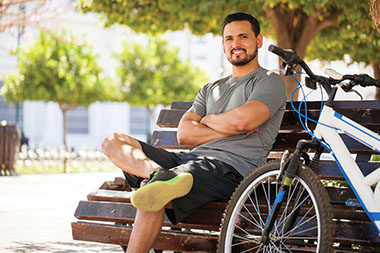
    Man sitting on bench beside his bike.

    Summer seems like an ideal time to exercise. After all, you don’t have to worry about slipping on ice or wearing extra layers to keep warm.

    But summer comes with its own set of safety issues. Heat illness can affect anyone, even people who are in great shape and healthy.

    What is heat illness?

    Heat illness happens when a person’s body gets too hot. This often happens when a person exercises in high temperatures.

    Heat illness can be mild to severe. Sometimes it’s just a sign that you need to cool off and get out of the sun. But other times, it can be dangerous or life-threatening.

    Time to chill out

    Signs of a mild heat illness include heat rash and heat cramps. A heat rash may be red and look like pimples. Heat cramps are muscle cramps or spasms.

    If you notice either of these signs when exercising, seek some shade and cool off. These are not usually serious conditions.

    People who have heart conditions or who follow a low-salt diet should talk to a doctor if they notice muscle cramps or spasms with exercise. If your heat rash doesn’t go away within a couple of days, see your doctor.

    When the heat is an emergency

    Heat exhaustion may cause:

    *  Heavy sweating

    *  Cold or clammy skin

    *  Feeling weak

    *  Weak but fast pulse

    *  Feeling sick

    *  Headache

    *  Fainting

    *  Dizziness

    If you notice these signs in yourself or another person, don’t wait. Seek shade or go indoors. Put cool, wet cloths on the body and head or take a cool bath. Get medical help if it doesn’t get better within an hour or if the person is throwing up.

    Heat stroke is the most severe kind of heat illness.

    It may cause:

    *  Temperature over 103ºF

    *  Skin that is clammy, hot or red, and even dry to the touch.

    *  Fast and strong pulse

    *  Headache or confusion

    *  Dizziness and/or fainting

    *  Feeling sick

    If you suspect heat stroke, get emergency medical care. Call 911 right away. Move the person to a cooler place. Apply cool cloths to their body. Do not give them anything to drink.

    Sources: Centers for Disease Control and Prevention, American Academy of Family Physicians

    © American Institute for Preventive Medicine

  • Erectile Dysfunction Facts

    MEDICAL NEWS

    Older couple cuddling with a blanket.

    Erectile dysfunction (ED) occurs when a man cannot get an erection or cannot keep an erection long enough to have sex. It can happen at any age but it is more common in men over the age of 75.

    While it may seem like a symptom of aging, erectile dysfunction is not caused by the aging process. Instead, it may be a symptom of another health condition.

    Causes

    *  Diabetes

    *  High blood pressure

    *  Some prescription medications

    *  Alcohol and tobacco use

    *  Atherosclerosis (hardening of the arteries)

    *  Fatigue

    *  Stress, anxiety, or depression

    *  Stroke

    *  Low testosterone

    *  Chronic kidney disease

    *  Multiple sclerosis

    *  Injury to the penis, bladder, prostate, or pelvis

    *  Being overweight

    *  Emotional or psychological factors

    Treatment

    Your doctor is the best resource to diagnose and treat ED. Proper treatment of ED depends on the exact cause. If a health condition causes ED, treatment to bring that condition under control may improve ED.

    In the absence of a medical cause, it may be beneficial to explore psychological or emotional issues. Working with a licensed therapist can help.

    Other treatment options include:

    *  Medication such as Viagra or Cialis

    *  Testosterone replacement

    *  Devices that assist in getting and maintaining an erection

    *  Surgery

    Prevention

    Some causes of ED are preventable. Protecting your overall health may decrease your chance of developing ED later in life.

    Healthy habits may improve health issues such as being overweight, diabetes, high blood pressure, and atherosclerosis. Your doctor may recommend some of these healthy habits to address or prevent ED.

    *  Stop smoking

    *  Avoid excess alcohol intake

    *  Eat a healthy, balanced diet

    *  Maintain a healthy weight

    *  Be physically active

    © American Institute for Preventive Medicine
  • Encourage Exercise In Others

    BE FIT

    Image of man and women doing pushups.

    Sticking to an exercise routine can be hard. But sometimes getting support from another person can help you get started. If you’ve been able to work out regularly, you can help a loved one do the same. Be a positive force in their life by supporting them, not forcing them. Try these strategies that can encourage them without pressure.

    *  Make it doable. Don’t suggest signing up for difficult classes or workouts right away. A walk in the evening or doing push-ups while watching TV can be less overwhelming.

    *  Try something new. A new walking route, different stretches or a fun strength program may help them get motivated. Get away from the same old routine that may not have worked in the past.

    *  Let them pick. See if they are interested in any local exercise classes or programs – and go with them.

    *  Plan a meetup time. Many people find exercising right after work is helpful. This may be easier than trying to go back out after you’ve come home to relax. Some people are able to stick to a lunchtime walk if they work in the same place.

    *  Be consistent. Try to make your exercise routine a regular part of your week. For instance, two times each week is a doable but consistent way to start.

    *  Be an early riser. If the person lives with you, see if you both can get up 30 minutes earlier for a walk first thing in the morning.

    *  Ditch the car when you can. If the store or coffee shop is close by, you can walk or bike there together.

    *  See things from their point of view. It’s hard to get started with exercise. Try to understand how challenging it can be. Ask them how you can best support them.

    A positive mindset

    When it comes to exercise, the mind is as important as the body. When starting a new healthy habit or helping someone else, remember to:

    *  Celebrate small efforts. Be happy about seeing an improvement – no matter how small – in strength or fitness level.

    *  Don’t let setbacks take over. If you miss a week or even two, get back to it. Tell the person you’re not giving up, and help them try again.

    Remember that every little bit of exercise is a step in the right direction!

    Source: U.S. Department of Health and Human Services

    © American Institute for Preventive Medicine

  • Eat Your Greens

    HEALTHY EATING

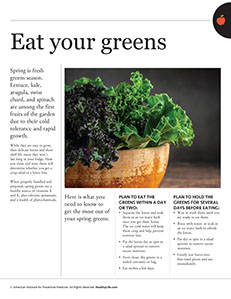
    Variety of greens.

    Spring is fresh greens season. Lettuce, kale, arugula, swiss chard, and spinach are among the first fruits of the garden due to their cold tolerance and rapid growth.

    While they are easy to grow, their delicate leaves and short shelf life mean they won’t last long in your fridge. How you clean and store them will determine whether you get a crisp salad or a bitter bite.

    When properly handled and prepared, spring greens are a healthy source of vitamins A and K, plus calcium, potassium, and a wealth of phytochemicals.

    Here is what you need to know to get the most out of your spring greens:

    Plan to eat the greens within a day or two:

    *  Separate the leaves and soak them in an ice-water bath once you get them home. The ice-cold water will keep them crisp and help prevent nutrient loss.

    *  Pat the leaves dry or spin in a salad spinner to remove excess moisture.

    *  Store clean, dry greens in a sealed container or bag.

    *  Eat within a few days.

    Plan to hold the greens for several days before eating:

    *  Wait to wash them until you are ready to eat them.

    *  Rinse with water, or soak in an ice water bath to refresh the leaves.

    *  Pat dry or spin in a salad spinner to remove excess moisture.

    *  Gently tear leaves into bite-sized pieces and use immediately.

    © American Institute for Preventive Medicine

  • E-Cigarettes: Are They Safer?

    MEDICAL NEWS

    Man with hoodie vaping.

    Electronic cigarettes, also known as e-cigarettes, are often advertised as a “safer cigarette.” E-cigarettes are battery-operated devices that contain liquid. The liquid heats up when it’s turned on. When someone smokes an e-cigarette, they inhale the vapor from the liquid inside.

    E-cigarettes are also called JUULs, vapes, vape pens, e-pens and e-hookahs. Smoking e-cigarettes is often called “vaping.”

    Is vaping safe?

    E-cigarettes don’t contain tar or tobacco like regular cigarettes.

    But, the liquid inside an e-cigarette contains high levels of nicotine. Nicotine is addictive, so it’s hard to stop using it. It also raises blood pressure and can lead to a heart attack.

    The liquid in e-cigarettes also contains other chemicals, which may include:

    *  Acetaldehyde, acrolein, and formaldehyde, which can cause lung and heart disease

    *  Acrolein, a weed killer that can cause lung cancer and chronic obstructive pulmonary disease (COPD)

    *  Diacetyl, which can cause serious lung disease

    *  Benzene, which is found in car exhaust

    *  Volatile organic compounds, which are chemicals that can cause cancer

    *  Propylene glycol, which is toxic to cells

    *  Heavy metals, including nickel, tin and lead

    The vapor that a person breathes out of an e-cigarette is called secondhand emissions. It may also contain some of these chemicals. This can make e-cigarettes harmful to people who are nearby, even if they’re not smoking it.

    A major problem with youth

    The American Lung Association says e-cigarette use among teens is becoming an epidemic. E-cigarette fruit and candy-like flavorings often appeal to kids and teens. They may think that e-cigarettes are safe. According to the U.S. Institutes of Health, most kids believe the liquid inside is for flavor only.

    Nicotine contained in the vaporized liquid is especially harmful to young people. Nicotine can damage a teens’ developing brain. It also makes them more likely to smoke regular cigarettes later.

    Get help quitting

    The Food and Drug administration says e-cigarettes are not a safe or effective way to quit smoking. Instead, you may be replacing one unhealthy habit with a different one.

    If you want to quit smoking or vaping, call 1-800-QUIT-NOW or go tosmokefree.gov

    Sources: American Lung Association, National Institutes of Health

    © American Institute for Preventive Medicine

  • Don’t Be A Distracted Walker

    BE FIT

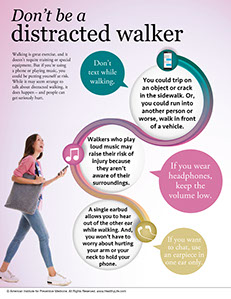
    Women walking and talking on the phone.

    Walking is great exercise, and it doesn’t require training or special equipment. But if you’re using a phone or playing music, you could be putting yourself at risk. While it may seem strange to talk about distracted walking, it does happen – and people can get seriously hurt.

    Don’t text while walking.

    You could trip on an object or crack in the sidewalk. Or, you could run into another person or worse, walk in front of a vehicle.

    If you wear headphones, keep the volume low.

    Walkers who play loud music may raise their risk of injury because they aren’t aware of their surroundings.

    If you want to chat, use an earpiece in one ear only.

    A single earbud allows you to hear out of the other ear while walking. And, you won’t have to worry about hurting your arm or your neck to hold your phone.

    © American Institute for Preventive Medicine
  • Do Genetic Tests Really Work?

    MEDICAL NEWS

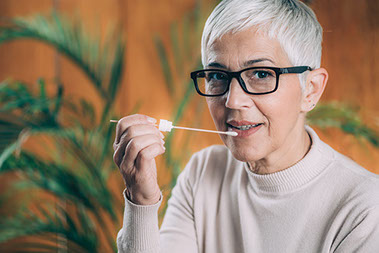
    Women holding a swab near her mouth.

    You may have seen ads for genetic tests. These tests claim to tell you about your health. They might tell you if you’re at risk for a certain disease or if you should eat a certain diet.

    Big promises from companies

    At-home genetic tests may sound exciting, and companies advertise them as “the answer” to many health issues. But the Food and Drug Administration (FDA) and the Centers for Disease Control and Prevention (CDC) say you should be careful about using these tests.

    Before you spend a lot of money on one, keep in mind that the test may not have any science to back up its claims. Others may give you some good information, but the information is only useful if you also have a complete medical exam.

    The FDA and CDC say that genetic tests are complex. They say that the results can be hard to understand without having appropriate medical knowledge.

    Just a snapshot

    Many genetic tests look at a few of your body’s genes. But you have more than 20,000 genes in your body. If you get a “positive result” for certain genes, it could mean:

    *  You have a certain disease.

    *  You have a higher risk of getting certain diseases.

    *  You are a carrier for a certain disease.

    But even a positive result doesn’t tell the whole story. You may never get the disease that comes back “positive.” Or if you do, it may not be severe enough to cause any serious health problems.

    A negative result means the lab didn’t find any unusual changes in your genes. While this can be good news for certain diseases, it’s not foolproof. It doesn’t mean you’ll never get a disease or have health problems. It’s also possible that the test didn’t look at other genes that could be important.

    Many factors at play

    Genes are only one piece of each person’s health story. Your environment and your lifestyle also play huge parts in your physical and mental health. Don’t rely on genetic tests to make any health promises. Instead, see your doctor regularly and follow a healthy lifestyle. That can mean more than a few genes.

    When genetic tests are part of a medical exam, they can be helpful. Your doctor can help you decide if you need genetic tests. If you do need them, make sure a medical professional reads your results.

    Source: Federal Trade Commission

    © American Institute for Preventive Medicine

  • Diet Changes: Simple And Doable

    HEALTHY EATING

    Hand over table with bowls of different, healthy ingredients.

    If you try a complete diet overhaul at once, you may get overwhelmed. You can make it easier by not doing too much at once. Focus on one or two things you want to change and stick with those.

    Keep comfort foods, but tweak them

    Many people think they must give up all their favorite foods to be healthy. But if you have comfort foods you enjoy, this can cause even more stress. Here’s how to keep them while eating healthy:

    *Eat them less often.Aim to eat your comfort food once a week, rather than every day. Come up with healthier options to replace the comfort food.

    *Take a smaller portion.Put a smaller portion on your plate and eat it slowly. Enjoy the smell and taste of each bite, truly savoring it.

    *Modify the recipe.Switch out high fat and high calorie ingredients in your recipes. Use low-fat or fat-free dairy products instead of whole milk and cream. Use vegetable noodles instead of white pasta. All those little changes add up.

    Keep it simple

    If you’re already under stress, following an extreme diet plan could backfire. It could cause more stress, which could lead to frustration and more stress.

    Instead, celebrate one or two small victories each day. Write down when you snacked on fresh carrots instead of potato chips. Or you had a glass of water instead of soda. Whatever you did to make your diet a little bit better is a step in the right direction.

    Looking at the positive things you have accomplished may be the boost you need during times of stress. When you have slip-ups or bad days, don’t view it as a “failure.” It doesn’t mean all your healthy eating plans are over. Instead, forgive the mistake and look forward to a better and healthier day tomorrow.

    Source: Centers for Disease Control and Prevention

    © American Institute for Preventive Medicine
  • Dating After Divorce

    FAMILY LIFE

    Couple on a date.

    If you’re a divorced parent with kids, you may be wondering how to handle future relationships. Kids often need some time to adjust to their parents’ separation.

    If you’re ready to begin a new romantic relationship after a divorce, keep these tips in mind:

    *  Consider waiting at least six months to help kids adjust to the divorce.

    *  Your child doesn’t need to meet everyone you date. Introduce them only if your relationship is becoming serious.

    *  Prepare for the first meeting with your significant other and child. Don’t expect the first meeting to be perfect.

    *  Help your child deal with negative feelings. Children often hold out hope that their parents will get back together. Seeing a new significant other in your life can be difficult for them. Be sure to tell them that you and your ex-spouse are not getting back together, but that you still love them and will be their parents no matter what.

    *  Understand if your child simply doesn’t like your new partner as much as their other parent. This is normal. With time, your child may develop their own special relationship with this person.

    *  Don’t ask them to keep secrets from their other parent. If you are dating, you may need to tell your ex-spouse about the person in case your child brings it up with them. Your child should not feel uncomfortable when they talk about it with your ex-spouse.

    *  Remember that your child is always watching. Be cautious about your behavior in front of your child, whether it’s public affection or things you say.

    Source: American Academy of Pediatrics

    © American Institute for Preventive Medicine