Author: AIPM

  • Tips To Survive The Workweek

    WORK LIFE

    Image of the days of the week on paper with emotion faces.

    When the workweek seems long, there are some things you can do to get through to the weekend. Try these tips to stay positive when you’re stressed or tired:

    *  Have something to look forward to. You can make your own “bright spot” each day that will help keep you motivated. For instance, take a walk at a favorite park. Find a quiet place to curl up with your book and a cup of herbal tea for 30 minutes. Keep this mini-goal in mind throughout your day.

    *  Do something nice for someone each day. It can be something as small as giving a compliment or letting someone go ahead of you in the lunch line. Studies show that doing nice things for others makes us feel good. And, it’ll make you want to continue that pattern. Over time, this can build better relationships at work and help you look forward to your job.

    *  Keep a routine. Plan your day with what you want to get done. Break the day into one or two-hour chunks devoted to each project. Schedule your breaks. This can help the day seem to go by faster. It’s more manageable than thinking of eight hours at a time.

    Finding meaning at work

    When you think about your job, it may be helpful to think about the bigger picture. For example, a janitor isn’t just cleaning; but is making sure the building is safe and enjoyable for the people in it. In other words, your job isn’t just day-to-day tasks. It’s about something more important. Keep that perspective when you go to work each day.

    Source: American Psychological Association
    © American Institute for Preventive Medicine

  • To Ice Or Not To Ice- That Is The Question

    SELF-CARE CORNER

    Illustration showing treatment for a sprained ankle using R.I.C.E.

    Or maybe the real issue is to heat or not to heat? Either way, whether you’re dealing with a one-time injury or chronic aches and pains, a few simple guidelines will help you know whether it’s best to bag some ice or get the trusty heating pad.

    Dr. Scott Lynch, director of sports medicine at Penn State Medical Center, said it’s all about blood flow. When you injure yourself, you should follow guidelines known as RICE-rest, ice, compression, and elevation.

    “Elevation is probably the most important thing because it limits the amount of blood flow to the area and the amount of swelling,” he said.

    Cold temperatures applied to an injury help constrict, or narrow, the blood vessels and keep blood from pooling there. This could cause too much inflammation or swelling that can delay the healing process.

    Dr. Cayce Onks, family and sports medicine physician at Penn State Hershey, said icing an injury for the first 48 to 72 hours after it occurs can reduce the amount of secondary tissue damage. Ice also can help decrease pain.

    Use ice for 20 minutes, once an hour. That’s so you don’t create other issues such as frostbite or damage to the skin. It also gives the skin a chance to recover from each icing session.

    While special freezer packs are easy to obtain, Dr. Onks said plain old ice in a bag (or a bag of frozen vegetables) works best. “You can mold it around the injury and get more coverage,” he said. “You also have to keep in mind that because of the chemicals in freezer packs, they can get much colder than ice and you could cause temperature-related skin problems.”

    Heat, on the other hand, is often used to ease muscle aches and pains, or to loosen up tense and sore areas before activity.

    “Heat typically brings blood flow to the area, which provides nutrients that the tissues need for healing,” Dr. Onks said. “It can also increase the flexibility of tendons and muscles.”

    Athletes who have chronic issues or old injuries typically heat before they are active and ice afterward. Some people prefer moist heat because they feel the extra humidity helps the heat penetrate.

    In an athletic training room or physical therapy setting, providers can also produce deeper heat by using ultrasound. A heating pad or a pack you heat up in the microwave will do the trick. Commercial heat patches or products such as Icy Hot may provide temporary or superficial relief, but they don’t typically offer the penetration of ice, moist heat, or ultrasound.

    © American Institute for Preventive Medicine

  • Too Loud

    SELF-CARE CORNER

    Image of workers wearing proper safety glasses and headphones while working on machinery.

    Noise-induced hearing loss is the only type of hearing loss you can prevent. If you understand the hazards of noise and how to practice good hearing health, you can protect your hearing for life. Here’s how:

    *  Know which noises can cause damage (those at or above 85 decibels, such as a motorcycle).

    *  If you can’t reduce the noise or protect yourself from it, move away from the source.

    *  Wear earplugs or other protective devices when involved in a loud activity, even Zumba class (activity-specific earplugs and earmuffs are available at hardware and sporting goods stores).

    *  Be alert to hazardous noises in the environment.

    *  Protect the ears of children who are too young to protect their own.

    *  Have your hearing tested if you think you might have hearing loss.

    About sound

    Sound is measured in units called decibels. Sounds of less than 75 decibels, even after long exposure, are unlikely to cause hearing loss. But long or repeated exposure to sounds at or above 85 decibels can cause hearing loss. The louder the sound, the shorter the amount of time it takes for hearing loss to happen.

    © American Institute for Preventive Medicine

  • Too Sick For School?

    SELF-CARE CORNER

    Image of sick boy in bed.

    Colds? Flu? What to do? Sending a sick child to school can make matters worse and spread the illness to others. Follow these guidelines from pediatrician Dr. Jacqueline Kaari, University of Medicine and Dentistry of New Jersey, who said, “Parents need to be able to quickly assess their child and determine if he or she is well enough to go to school or needs to stay home, or if it’s time to call the pediatrician. Sometimes, parents will guess wrong, but if there’s one rule of thumb, it should be to always err on the side of caution.”

    Colds.What to do: Use over-the-counter saline nose drops or spray and a cool mist humidifier to relieve symptoms. Because colds are caused by viruses, antibiotics are not effective. Instead, the cold just needs to run its course until the child recovers. Contact your child’s doctor if a cough suddenly worsens or a fever develops.

    Fever.What to do: Give acetaminophen or ibuprofen for fevers. Encourage the child to drink lots of fluids and avoid fatty or fried foods that are hard to digest because fevers decrease stomach activity. Keep children at home if their fever is above 100.4ºF. Call a doctor if a high fever lasts more than 24 hours or does not respond to medication, or if the child’s condition worsens.

    Flu.Striking more suddenly and more intensely than a cold, the flu causes a sudden, high fever with body aches. What to do: Have your child vaccinated early in the flu season to protect against this illness. A child who comes down with the flu should stay home for several days, rest, and drink lots of fluids.

    Conjunctivitis (“pink eye”).A red, weeping eye(s) with a thick discharge that could become crusty when sleeping. What to do: Contact your child’s doctor for treatment, which may include antibiotic eye drops. Conjunctivitis can be highly contagious. Follow the doctor’s advice. Children can usually return to school 24 to 48 hours after treatment begins. Check with the school’s policy.

    Head lice.Tiny, crawling bugs that live on the scalp and feed on blood. Itching and sores on the scalp can be signs of head lice. The insects cannot jump or fly and are spread by human contact. What to do. Under bright light, check the entire scalp closely for lice or tiny white eggs (called nits), starting at the upper neck and behind the ears. Lotions and shampoos that can kill the lice are available at the drug store. Keep the child home from school until the lice have completely gone away.

    Sore throat.What to do: Have the child drink a few sips of water. If that relieves the symptoms, you are likely dealing with, at worst, a viral infection that will go away with a few days of rest, plenty of liquids, and pain relievers. If you suspect strep throat, follow the fever guidelines and contact your child’s doctor.

    Stomach ache.What to do: Keep children who have been vomiting home from school. Wait an hour after the child vomits and encourage small drinks of water. Gradually introduce clear liquids and bland foods throughout the day. Contact your doctor if vomiting lasts beyond 24 hours, occurs with worsening pain at the belly button or lower right abdomen, or if the child vomits blood or green or yellow matter.

    © American Institute for Preventive Medicine

  • Top 10 Fruit Snacks For Kids

    HEALTHY EATING

    Image of child eating yogurt with strawberries and blue berries.

    Forget cookies. Fruit is now the number-one snack item parents give to children under the age of 6. That’s because leading researchers believe that parents are taking childhood nutrition more seriously.

    The Produce for Better Health Foundation suggests these top 10 fruit snacks for kids:

    *  Popsicles (freeze fruit juice to make your own)

    *  Fruit sandwiches (slices of apples or pears and low-fat cheese)

    *  Peanut butter and fresh fruit

    *  Fresh fruit dipped in low-fat yogurt

    *  Fruit smoothies

    *  Canned fruit or single-serve fruit cups

    *  Applesauce as a dip for fresh fruit slices

    *  Dried fruit packs such as raisins

    *  Fresh fruit dipped in poppyseed dressing

    *  Frozen fruit chunks such as bananas and grapes

    © American Institute for Preventive Medicine

  • Top Ten Recommendations For Cancer Prevention

    MEDICAL NEWS

    Image of doctor checking a women for skin cancer.

    1. Be as lean as possible without becoming underweight.

    2. Be physically active for at least 30 minutes every day.

    3. Avoid sugary drinks. Limit consumption of energy-dense foods.

    4. Eat more of a variety of vegetables, fruits, whole grains and legumes such as beans.

    5. Limit consumption of red meats (such as beef, pork and lamb) and avoid processed meats.

    6. If consumed at all, limit alcoholic drinks to 2 for men and 1 for women a day.

    7. Limit consumption of salty foods and foods processed with salt (sodium).

    8. Don’t use supplements to protect against cancer.

    9. It is best for mothers to breastfeed only for up to 6 months and then add other liquids and foods.

    10. After treatment, cancer survivors should follow these recommendations for cancer prevention.

    Source: American Institute for Cancer Research

    © American Institute for Preventive Medicine

  • Top 10 Ways To Prevent An Infection

    SELF-CARE CORNER

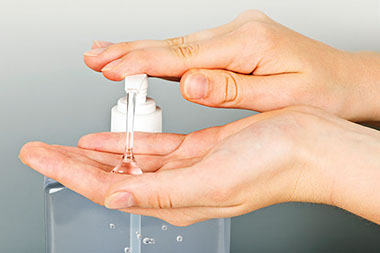
    Close-up image of liquid soap being placed in the palm.

    Beyond the obvious-steering clear of runny noses and hacking coughs-the Association for Professionals in Infection Control and Epidemiology presents some practical ways of staying infection-free.

    1.Wash your hands often.Germs can live on surfaces anywhere from a few minutes to several months. Common places to pick up germs are kitchen sponges, light switches, elevator buttons, and shared computer keyboards and phones. Wash your hands with good old soap and water for 20 seconds and dry them with a paper towel. When you can’t wash your hands, use alcohol-based gels or wipes to clean your hands.

    2.Don’t share personal items.Toothbrushes, towels, razors, handkerchiefs, and nail clippers can all be sources of infectious agents (bacteria, viruses, and fungi). Not sharing is caring, in this case.

    3.Cover your mouth when you cough or sneeze.Coughing or sneezing can spread germs through microscopic droplets in the air. Cover your mouth with a tissue, your sleeve or the inside bend of your elbow.

    4.Get vaccinated.Vaccines help your body develop immunity to infectious organisms.

    5.Use safe cooking practices.Microbes thrive on virtually all food items, and more so on foods left at room temperature. Promptly refrigerate foods within 2 hours of preparation.

    6.Be a smart traveler.If you travel to a location where water is questionable, use a safe water source such as bottled water for drinking and brushing your teeth. Eat foods that have been cooked. Avoid raw vegetables and fruits.

    7.Practice safe sex.Many sexually-transmitted infections can be prevented using condoms and limiting sexual partners.

    8.Don’t pick your nose (or your mouth or eyes either).Many germs prefer the warm, moist environment inside your nose, as well as other mucous-covered surfaces such as your eyes and mouth.

    9.Exercise caution with animals.If you have pets, make sure they get regular check-ups and that their vaccinations are up-to-date. Clean litter boxes often (unless you’re pregnant-stay away!), and keep small children away from animal feces. Wash your hands after playing with pets.

    10.Watch the news.Find out where outbreaks of infectious diseases occur and avoid going to those areas. Follow warnings to avoid foods found to have listeria, salmonella and other harmful organisms.

    © American Institute for Preventive Medicine

  • Top 3 Food Myths That Won’T Die

    HEALTHY EATING

    Image of healthy foods.

    Eating healthy can be confusing. The Internet is full of healthy eating advice – and some of it is conflicting. For starters, ignore these food myths, which could be standing in the way of your healthy eating goals.

    Myth #1: Health food is expensive and exotic.

    While some exotic foods are good for you, you don’t have to eat them as part of a healthy diet. Instead, you can eat everyday foods that promote good health.

    Focus on getting a variety of foods in your diet that are mostly whole foods and not processed. This includes fruits, vegetables, nuts, seeds, lean meats, fish, whole grains and dairy. A balanced diet that includes all food groups will contain the nutrients your body needs. No fancy foods or major expense is required.

    Myth #2: Fat is bad for you.

    Plenty of extremely healthy foods are high in fat – the healthy kind of fat.

    Avocadoes, nuts, olive oil, eggs and fatty fish are a few foods that contain heart-healthy fats such as monounsaturated and omega-3 fats. These healthy fats can lower the risk of heart disease and stroke.

    Don’t try to avoid all fats. Instead, look for healthy, whole foods that contain the unsaturated types listed above and eat small amounts of them.

    But, do keep an eye on saturated fat. The American Heart Association says you should limit saturated fat to 13 grams per day on a 2,000-calorie diet. Try to limit red meat, sausage, and high-fat dairy foods. Finally, try to avoid trans fats completely. These are found in many processed foods. They are listed on the nutrition label and will say “partially hydrogenated” oil in the ingredients.

    Myth #3: All sugar is bad.

    It’s true that many people eat far too much sugar. But, many nutritious foods, such as fruit, contain some sugar with other important nutrients like vitamins and fiber.

    If you’re trying to eat healthier, skip “added sugars.” These are sugars that are added to a product to make it sweeter. Thanks to food label changes, it’s easy to see how much added sugar is in packaged foods.

    Eat fresh fruit for dessert and skip foods with added sugar, such as regular soda and sweets, and you’ll cut down on sugar intake without following any extreme diet.

    Sources: American Heart Association, United States Department of Agriculture

    © American Institute for Preventive Medicine

  • Top Excuses For Not   Getting A Flu Shot (And Why You Should)

    MEDICAL NEWS

    Image of blocks that spell out "flu vaccine".

    Seasonal flu is caused by a virus that can fly through the air, hitch a ride on a handshake, hug or kiss, and is extremely good at infecting people and making them sick.

    It can spread by person-to-person contact or it can land on a surface, such as a doorknob, handrail, or elevator button, only to be picked up by the next unsuspecting person to come along. Maybe even you.

    The best way to avoid the flu this year is to get the widely available flu vaccination from your family doctor, pharmacy, or one of the many flu vaccine clinics sponsored by local health departments, says Dr. Katharine Garnier, a family physician at the University of Medicine and Dentistry of New Jersey-School of Osteopathic Medicine.

    Still, some people routinely avoid this annual shot. For those who are looking for a reason not to get inoculated, Dr. Garnier (humorously) gives her top 10 unwise reasons not to get a flu shot this year:

    1. I’m feeling incredibly lucky this year.

    2. The vaccine is inexpensive so it probably doesn’t work.

    3. I’m not afraid of body aches … or headaches … or sore throats … or dangerously high fevers … and I never get sick!

    4. I like the idea of having a real reason to call in sick for work.

    5. That cute little paper mask over my nose and mouth is a trendy fashion statement.

    6. Getting really, really sick is a great way to lose a few pounds without dieting.

    7. I’m not planning to leave my house, or let anyone in, for the next six months anyway.

    8. I’m anxious to find out if my insurance company really will cover a hospital stay.

    9. I went to the county fair and didn’t get swine flu, so I must have a natural immunity.

    10. Getting sick with the flu will give me a reason to visit relatives I don’t really like so that I can share the virus with them!

    Protect yourself and others. Get a flu shot.

    © American Institute for Preventive Medicine

  • Train Like An Olympian

    BE FIT

    Image of women running.

    Olympic athletes inspire us with their fierce discipline and natural talent as they smash records, going higher, farther and faster. Their can-do   spirit motivates us all to take on  new challenges.

    Whether your goal is to complete your first marathon or improve your golf game, there are lessons to be learned from the best of the best.

    Saint Louis University assistant professor of physical therapy, Chris Sebelski, gives this guidance on how to train like a champion:

    *Set a goal and break it down.For instance, if you’re training to get in shape for a cross-country hiking trip, you might aim to walk 3 miles a day for the first 2 weeks and build up to 10 miles a day by the end of 10 weeks.

    *Cross-train.Cross-training reduces risks of overtraining and helps avoid injury. It also enhances muscle performance and stimulates the mind so you don’t become bored by too much repetition.

    *Work out with others.Olympic athletes don’t train alone and they don’t train only with those at the same skill level. Run with different people. On one day, partner with someone slower than your normal pace. You’ll stay out longer and practice endurance. Another day, run with someone faster than your average pace. You’ll do a more intense cardio workout.

    *Create a team.Olympic athletes know that they cannot do it on their own. You shouldn’t expect to either. Seek people and methods that can help you accomplish your goal. It could be a face-to-face session with a trainer, a nutrition class, or an online chat room of like-minded people.

    *Find your motivation.Olympians use lots of techniques to manage their emotions. This year, for example, athletes reported using yoga, meditation, and even watching their favorite TV shows to calm themselves before an event.

    *Put on an Olympic attitude.For most of us, our jobs, families and personal commitments mean we can’t spend as much time training as a world champion might. But  you can adopt the mentality of  an Olympian during the time you  do train.

    *Enjoy.Regardless of the scale of your goal, train for and accomplish a physical goal you set for yourself. Crossing that finish line is a feeling unlike any other.

    © American Institute for Preventive Medicine