
Author: AIPM

  • When Buying A Home, Check Out The Neighborhood Too

    FAMILY LIFE

    Image of family in front of their new house.

    Choosing the right neighborhood is just as important as the actual home. A great neighborhood should have the features you need and also be extremely safe. The biggest mistake many homebuyers make is not realizing they’re investing in a good neighborhood, as much as in a good home.

    The team at AlarmSystemReport.com, an alarm review site of top companies, has put together a list of tips to help buyers find out if a neighborhood will suit their needs.

    *  Search, online, for crime data for particular areas and neighborhoods.

    *  Contact the local law enforcement agency. Learn about criminal activity in the area. Find out if the neighborhood has a community watch program and other safety measures.

    *  Drive and walk around the neighborhood to feel how safe it is. If it seems abandoned, dirty or has a lot of bars on windows, it’s probably not a safe choice. Look for signs of outdoor activity, such as families and people outside. It’s also more likely that homes that are well-kept are going to mean a safer neighborhood, since the neighbors take pride in their home and the surrounding area.

    *  Check out the neighborhood school. Does it have a good reputation? Ask teachers.

    *  Research if property values have improved over the last 5 or 10 years. Ask your real estate agent if property taxes have increased (a good sign).

    © American Institute for Preventive Medicine

  • When Can My Child By Home Alone?

    FAMILY LIFE

    Image of smiling family.

    As kids grow older, many parents wonder when they can safely leave their child home alone. There is no one right answer for everyone, as each child has a different personality and maturity level. To help you make the decision, the Child Welfare Information Gateway says parents should ask themselves these questions:

    *  Do state and local laws say my child is old enough to be left home alone? If you’re not sure, check with your local child protective services agency. To find yours, visitchildhelp.org.

    *  Is my child comfortable being left home alone?

    *  Can my child care for himself while I’m gone? (This may include getting food or drink, staying away from hazards, obeying house rules, and making good decisions.)

    *  Do I have neighbors or trusted adults nearby who could help if needed?

    *  Does my child know what to do if someone comes to the door?

    *  Can my child easily contact me if there’s an emergency?

    *  Does my child know his full name, my full name, his home address, and phone number?

    If you answered “yes” to these questions, and you and your child feel ready, try leaving him/her alone for a short time while you’re close by. Check in with your child while you’re gone and talk about the experience when you get back. If it was a positive experience for you and your child, consider leaving him/her alone for a longer period next time. Together, you and your child can make a smart decision about being home alone.

    © American Institute for Preventive Medicine

  • When Petting Pets Causes Disease

    SELF-CARE CORNER

    Image of women with her dog.

    Salmonella, E. coli, and roundworms are among the nearly 20 different diseases that people most commonly get from their pets, said Jason Stull, assistant professor of veterinary preventive medicine at Ohio State. Infants, the elderly, pregnant women, and people with limited immune function are most at risk for animal-borne, or zoonotic, diseases.

    Since different species of pets-dogs, cats, rodents, birds, fish, reptiles, and amphibians-carry different types of diseases and at different stages of life, Stull and his colleagues suggest that families talk to both their doctor and veterinarian about what pet is the safest choice for their family.

    Here are some safe tips for pet ownership:

    *  Wear protective gloves to clean aquariums and cages and to remove feces.

    *  Wash hands after pet contact.

    *  Don’t let your pets lick your face.

    *  Cover playground sandboxes when not in use (cats love them).

    *  Avoid contact with higher risk animals such as reptiles, amphibians, and exotic animals.

    *  Regularly clean and disinfect animal cages, feeding areas, and bedding.

    *  Put litter boxes away from areas where food is eaten and prepared.

    *  Schedule regular veterinary visits.

    © American Institute for Preventive Medicine

  • When The Wind Blows

    WELL-BEING

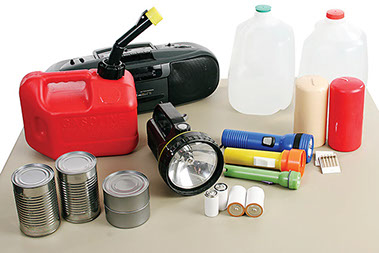
    Image of emergency items, such as flash lights.

    When a winter blizzard (or any natural disaster) leaves you without power, are you prepared to weather the storm?

    Know these facts from the University of Nebraska Extension service:

    *  Keep the refrigerator and freezer doors closed as much as possible to maintain the cold temperature. Once the power goes off, the refrigerator will keep food safely cold for about 4 hours if it’s unopened. A full freezer will hold the temperature for about 48 hours (24 hours if it’s half full) if the door remains closed.

    *  Keep an insulated cooler on hand and gel packs or water-filled and frozen milk cartons in the freezer to cool perishable items. Outside sub-freezing temps will also preserve frozen food if the power stays out for days.

    Stock one gallon of drinking water per person per day. Also stock up on staples that don’t need to be refrigerated such as canned foods (and a hand-held can opener), soups, dried or smoked meats, dried fruits and vegetables, powdered or evaporated milk, peanut butter, trail mix, granola bars, pet food, and ready-to-eat cereals.

    © American Institute for Preventive Medicine

  • When To Brush Your Teeth

    SELF-CARE CORNER

    Image of soda in a glass.

    Consuming acidic foods and beverages, such as sports and energy drinks, citrus fruits, wine, and tomatoes, can erode tooth enamel-the glossy outer layer of the tooth. Brushing your teeth too soon after eating and drinking these items can cause more damage because you are essentially brushing the acid into the teeth, not getting rid of it, say experts at the Academy of General Dentistry. Instead, you should rinse your mouth with water after consuming acidic foods and beverages and wait at least 30 minutes before brushing your pearly whites!

    © American Institute for Preventive Medicine

  • When You Don’t Like Your Spouse’s Friends

    FAMILY LIFE

    Image of 2 couples having lunch.

    If you don’t like your significant other’s friends, it can add tension to your relationship. If you find you don’t get along with some – or all – of them, take a calm approach:

    *  Get to know them better. Sometimes, first impressions are misleading. Try not to form a solid opinion of your partner’s friends until you’ve spent more time with them. You may start to like them if you form your own relationship with them.

    *  Focus on behaviors, not people. Think about what the person has done that you are upset about. If they are doing something irresponsible or illegal, for instance, this should be discussed with your spouse. But, if you just don’t like their sense of humor or love of football, you may have to accept your differences.

    *  Be open, but kind. You should be able to talk to your partner about things that are bothering you. Bring up specific behaviors of their friend that bother you and tell them why you are upset. Try not to insult your partner’s friend or accuse them. Together, with your partner, discuss ways to avoid future problems with the friend.

    Focus on keeping your own relationship healthy, even when you must have tough conversations about their friends.

    Friends are good for you

    It feels good to talk to a friend and share a few laughs. But having friends may have more benefits than smiles and memories. Research has shown that a good network of support from friends may lower your risk of some health problems. Some evidence suggests that people who have social connections may be less likely to have a heart attack. In addition, people who give support to others can help lower their blood pressure.

    Source: Current Opinion in Psychiatry. 2008;21(2):201-205.

    © American Institute for Preventive Medicine

  • Where Does The Money Go?

    FINANCIAL HEALTH

    Image of scale with bills on one side and a piggy bank on the other side.

    Regular expenses are a necessary part of life. In your household, you probably have a certain amount of money coming in and a different amount going out.

    Even if you have a rough idea of how much you spend, tracking your monthly expenses can help you find out a lot about your money. Small amounts here and there can quickly add up. For one month, write down everything you spend on bills, food, gas, clothes, and any other purchases – even your morning latte. Then, you can look for ways to cut back on unnecessary costs. Money you have left at the end of the month can be saved for an emergency fund or for future needs.

    © American Institute for Preventive Medicine
  • White Chicken Chili

    HEALTHY EATING

    Image of a bowl of white chicken chili.

    Ingredients

    4 cups white beans (cooked or low-sodium canned)

    1 tablespoon olive oil

    2 red peppers (chopped)

    1 large onion (chopped)

    1 chopped green chili (adjust to taste)

    3 cloves garlic (minced)

    1 tablespoon chili powder

    1 teaspoon cumin

    1 teaspoon oregano

    2 cups low-sodium chicken broth

    2 cups low-fat milk

    1/4 cup chopped, fresh cilantro (flat-leaf parsley)

    3/4 pounds chicken (cooked and cubed)

    6 corn tortillas (toasted and cut into 1-inch squares)

    Directions

    1. Sauté peppers and onion in olive oil.

    2. Add green chili, garlic, spices and chicken broth. Simmer for 20 minutes.

    3. Add low-fat milk, cooked beans, and cooked chicken. Allow to thicken before adding cilantro. Heat through.

    4. Top chili with crisp tortillas before serving.

    If using canned white beans, rinse and drain them to lower sodium. You can use any vegetable oil in place of olive oil and fresh parsley in place of fresh cilantro. In place of chili powder, you can use a mix of other spices such as cayenne pepper, cumin, or oregano. In place of oregano, you can use Italian mixed herbs/seasonings, basil, or thyme.

    Serves 10. Per serving: Calories: 210; Total fat: 5 g; Saturated fat: 1 g; Sodium: 150 mg; Total carbohydrate: 25 g; Fiber: 5 g; Protein: 18 g

    Source: USDA Healthy Eating on a Budget Cookbook

    © American Institute for Preventive Medicine

  • Who’s In Your Kitchen Cabinet?

    WORK LIFE

    Illustration of cabinets inside a human's head.

    Seeking out opinions, expertise, and advice from others is a sign of strong leadership, according to author Dan Quiggle who has written about President Ronald Reagan’s advisory kitchen cabinet. Whether it’s politics or business (or life decisions), you can follow these 7 suggestions for putting yours together.

    1.Get over your desire to be right.Reagan chose to fill his kitchen cabinet with trusted advisors who were accomplished in their own rights, and whom he knew would be tough with him when necessary-not yes-men.

    2.Stock your cabinet with a variety of viewpoints.Find people with a variety of different viewpoints and knowledge sets. Include people who disagree with you (but won’t undermine you).

    3.Keep it small.Start with only two to five people whom you trust and admire. Smaller groups can be more effective, and there’s less chance individual egos will take over.

    4.Don’t over formalize things.No formal invitation, no procedure, just sit and share advice and insight.

    5.Keep in mind that you may need more than one brain trust.You may need to assemble different brain trusts for different tasks.

    6.Hear everyone out and take their advice to heart.If a majority isn’t in favor of something, you might want to rethink.

    7.Make sure everyone shares your success-oriented vision.Make sure everyone shares your success-oriented vision. After all, responsibility for making sure your kitchen cabinet shares a vision falls on your shoulders.

    © American Institute for Preventive Medicine